



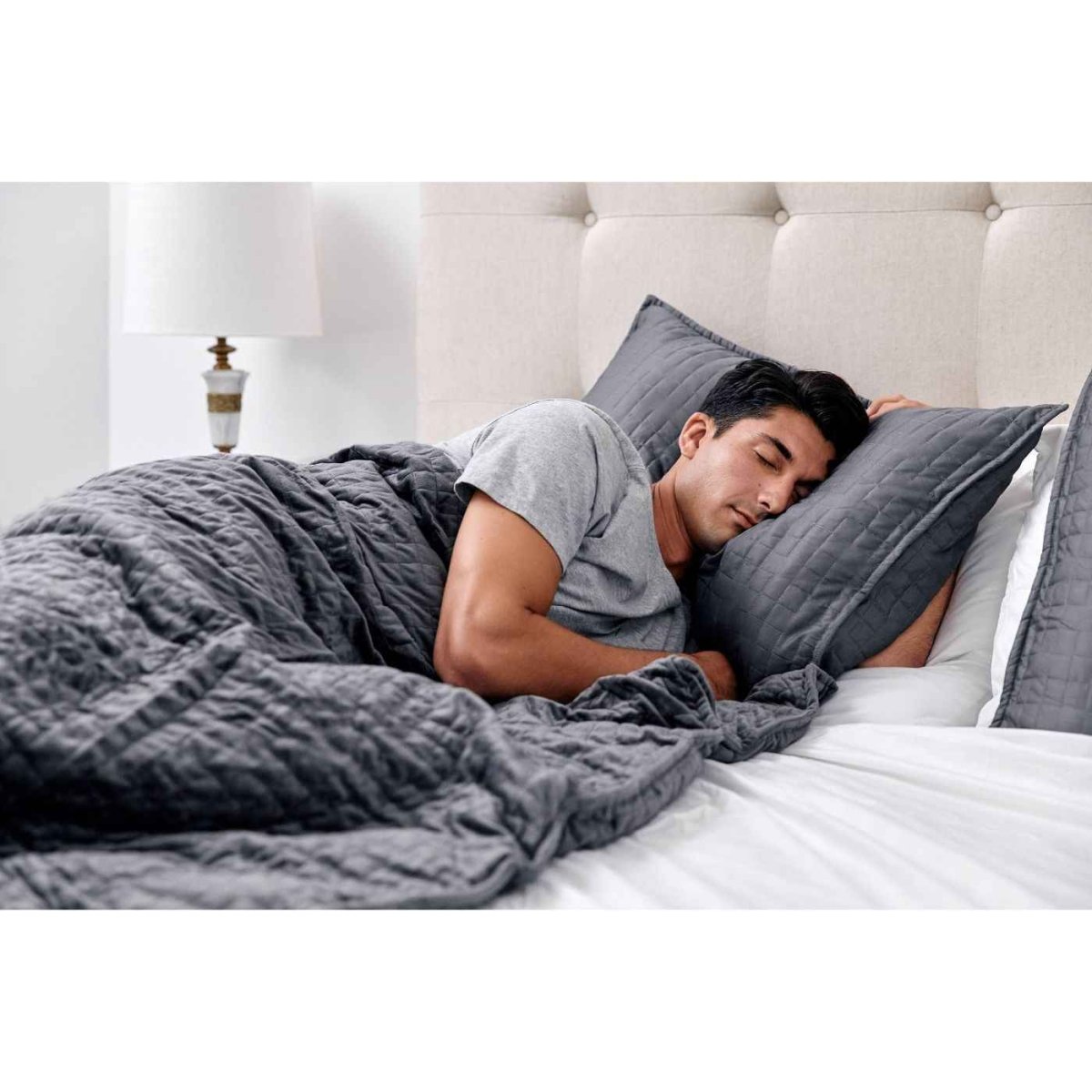
Les meilleures couvertures pour les personnes qui ont chaud la nuit, choisies en fonction du confort
Une couverture doit vous aider à vous endormir, et non vous faire repousser les couvertures à 2 heures du matin. Les meilleures couvertures pour les personnes qui ont chaud créent une douce sensation de confort sans retenir la chaleur qui peut interrompre une nuit de repos. Le bon choix est généralement moins de trouver la couverture la plus fine que de choisir des matériaux respirants, un poids approprié et un design qui correspond à vos habitudes de sommeil.
Pour quiconque dort au chaud, se réveille en sueur ou partage un lit avec un partenaire ayant une température différente, de petits changements de literie peuvent faire une différence significative. Voici comment trouver une couverture qui vous aidera à calmer vos nuits tout en gardant votre environnement de sommeil plus confortable.
Qu'est-ce qui rend une couverture fraîche ?
Une couverture rafraîchissante n'a pas besoin d'être glaciale sur la peau. Son rôle est de gérer la chaleur avant qu'elle ne s'accumule. Cela signifie laisser l'air circuler à travers le tissu, évacuer l'humidité de votre corps et éviter les matériaux denses qui retiennent la chaleur.
La respirabilité est particulièrement précieuse si vous avez tendance à avoir trop chaud après vous être endormi. Les fibres naturelles et les constructions à tissage ouvert permettent à la chaleur de s'échapper plus facilement que les tissus synthétiques très serrés. La gestion de l'humidité est également importante. Lorsqu'une couverture peut absorber et libérer la transpiration plutôt que de la laisser sur votre peau, vous êtes moins susceptible de vous réveiller avec une sensation moite.
Vos draps, votre matelas, votre pyjama et la température de votre chambre jouent tous un rôle. Une couverture respirante ne peut pas compenser entièrement un matelas en mousse qui retient la chaleur ou des draps en flanelle lourds en juillet. Pourtant, c'est l'une des couches les plus faciles à ajuster selon les saisons.
Les meilleurs matériaux de couverture pour les personnes qui ont chaud
Le matériau est le premier filtre lors du choix d'une couverture pour un sommeil plus chaud. Chaque option a une sensation distincte, donc le meilleur choix dépend de si vous voulez une couche nette et aérée ou un peu plus de confort douillet.
Le bambou pour un confort doux et respirant
Les tissus dérivés du bambou sont un choix judicieux pour les personnes qui souhaitent une couverture soyeuse et douce sans la rétention de chaleur souvent associée à la literie moelleuse. Le tissu est respirant et évacue l'humidité, avec un toucher lisse qui convient aussi bien aux peaux sensibles qu'aux dormeurs agités.
Une couverture thérapeutique en bambou ou une housse peut être particulièrement utile pour ceux qui aiment la sensation apaisante d'une légère pression mais qui ont tendance à avoir chaud. Elle offre une manière plus consciente de la température d'apporter cette sensation d'enveloppement et de confort au coucher. Recherchez des textiles certifiés de manière réfléchie, tels que les options certifiées OEKO-TEX, pour une tranquillité d'esprit accrue concernant la sécurité des matériaux.
Le coton pour une couche familière et aérée
Le coton reste un choix fiable car il est respirant, facile à entretenir et familier en toute saison. Une couverture en coton légère avec un tissage lâche peut procurer une sensation agréablement aérée, en particulier dans les climats secs ou une chambre bien climatisée.
L'inconvénient est que le coton peut retenir l'humidité plus longtemps que certains tissus techniques. Si les sueurs nocturnes sont une préoccupation régulière, le bambou ou un mélange anti-humidité peut être plus confortable sur le corps.
Le lin pour une fraîcheur sèche et texturée
Le lin a une structure ouverte, naturellement respirante et une texture décontractée que de nombreux dormeurs chauds adorent. Il ne colle pas et a tendance à être plus sec lorsque les températures augmentent. Le lin est un excellent choix pour l'été, bien que sa finition plus texturée ne convienne pas à tout le monde.
Si vous préférez une literie polie, douce et lisse dès la première nuit, le lin peut nécessiter une période d'adaptation. Il devient souvent plus doux au lavage, mais ce caractère vécu fait partie de son charme.
Laine légère pour une régulation toute l'année
La laine peut sembler surprenante pour les dormeurs qui ont chaud, mais une couverture en laine légère et de haute qualité peut bien réguler la température. Ses fibres aident à gérer l'humidité et à s'adapter aux changements de conditions, ce qui la rend utile pour les personnes qui ont froid au coucher mais se réchauffent pendant la nuit.
Le poids et la construction sont essentiels ici. Une couche de laine épaisse est probablement trop chaude pour une personne sujette à la surchauffe. Choisissez une option légère si vous voulez les qualités adaptatives de la laine sans une sensation de lourdeur.
Les couvertures lestées sont-elles bonnes pour les dormeurs qui ont chaud ?
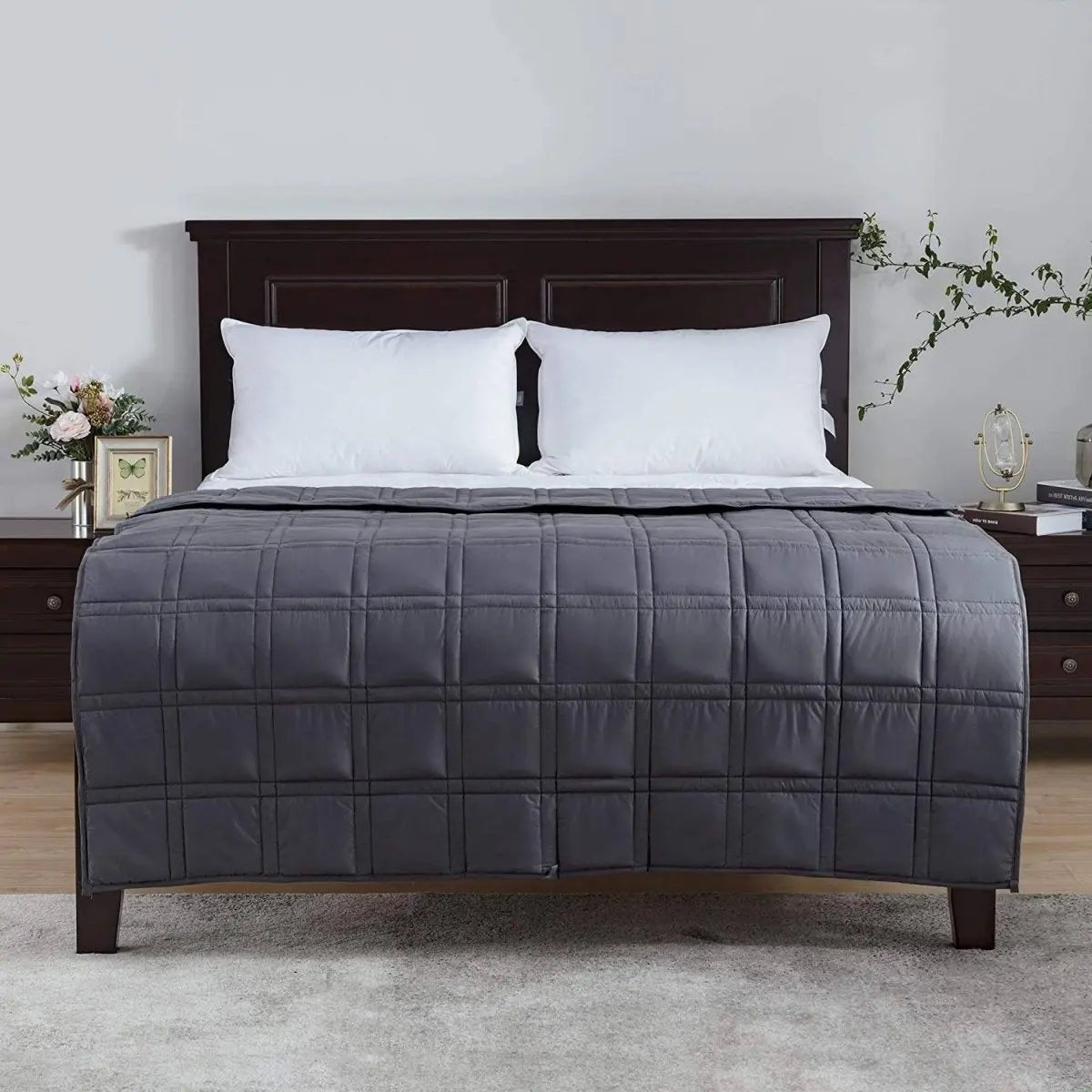
Elles peuvent l'être, à condition que la construction corresponde à vos besoins en matière de température. Les couvertures lestées sont conçues pour offrir une pression profonde et uniforme qui peut vous aider à vous sentir plus calme et plus détendu avant de dormir. Pour les personnes qui portent une lourde charge mentale au lit, cette sensation d'ancrage peut rendre une routine de coucher plus réparatrice.
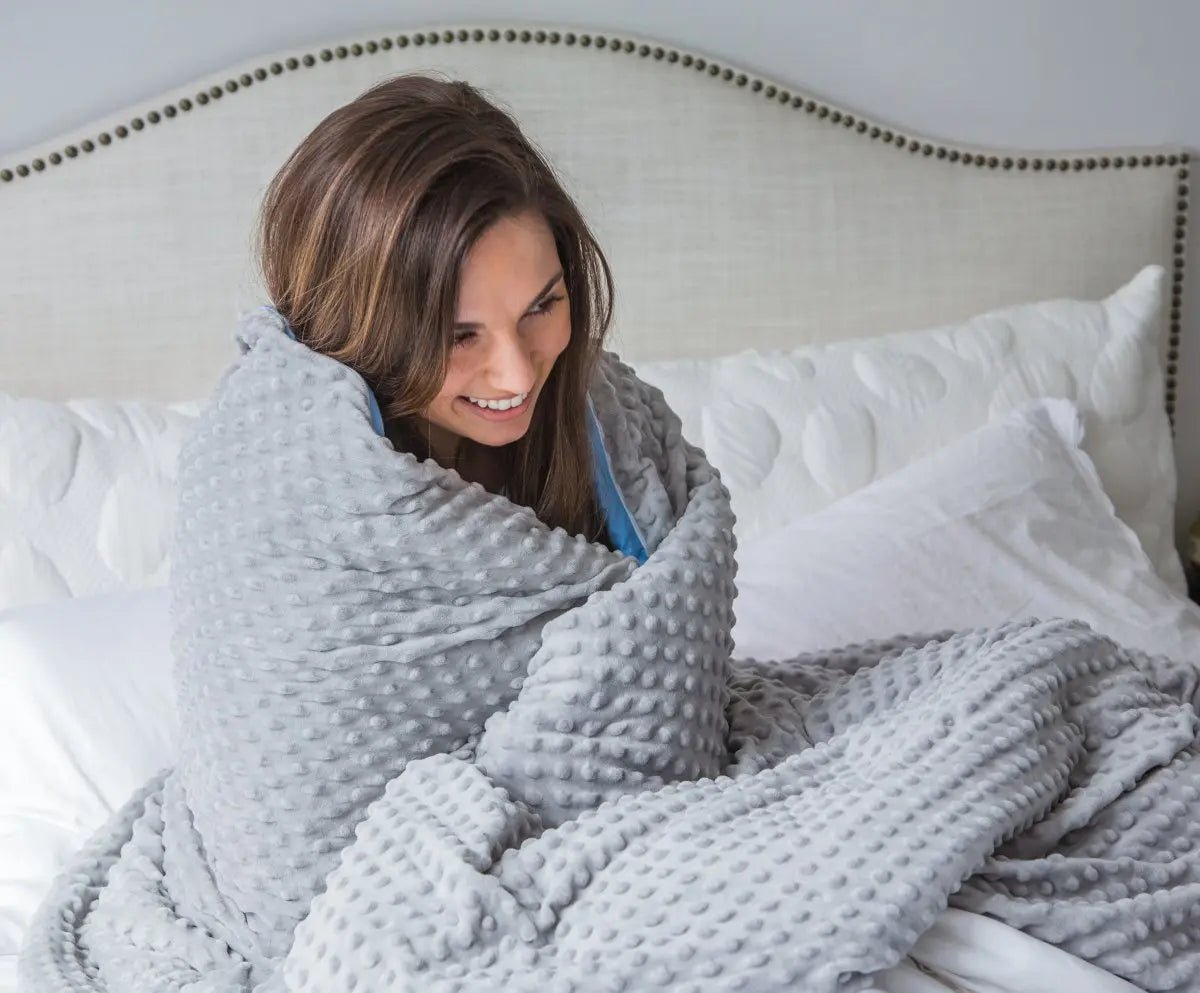
L'inquiétude est compréhensible : un poids supplémentaire peut également signifier une isolation supplémentaire. Une housse en minky épaisse, un rembourrage dense ou une couverture trop lourde pour vos préférences peut être étouffant. Les dormeurs qui ont chaud réussissent généralement mieux avec des tissus extérieurs respirants, un remplissage de billes de verre qui répartit le poids uniformément et des housses rafraîchissantes amovibles.
Une option lestée plus légère peut être le meilleur point de départ si vous êtes nouveau dans la literie à pression ou si vous avez tendance à dormir très chaud. Elle doit être rassurante, pas restrictive. Les ensembles de thérapie rafraîchissante en bambou de Better Sleep sont conçus autour de cet équilibre, associant un poids apaisant à une couche respirante et plus douce au toucher.
Si vous souffrez d'une maladie respiratoire, circulatoire, de mobilité ou d'une autre affection médicale qui affecte votre capacité à bouger librement sous la literie, parlez-en à un professionnel de la santé avant d'utiliser une couverture lestée. Les couvertures lestées doivent également être choisies avec soin pour les enfants, en fonction de leur âge, de leur taille et de leurs besoins individuels.
Choisissez votre couverture en fonction de votre sommeil
La meilleure couverture est personnelle. Commencez par le problème de température que vous essayez réellement de résoudre, puis choisissez une couche qui soutient la façon dont vous aimez vous reposer.
Si vous vous réveillez en sueur
Privilégiez le bambou, le lin, le coton léger ou un modèle à maille ouverte. Évitez les rembourrages épais en polyester et les tissus moelleux étroitement tissés, qui peuvent retenir la chaleur près de votre corps. Une seule couche respirante est souvent plus utile que d'accumuler plusieurs fines couches synthétiques.
Si vous avez chaud la nuit mais froid au moment de vous coucher
Un système de couverture toutes saisons peut offrir plus de flexibilité qu'une seule couette très chaude. Commencez par une couche de base respirante, puis ajoutez ou retirez une couche supérieure légère au besoin. Cela facilite l'adaptation lorsque le temps change ou que votre chambre est plus fraîche que d'habitude.
Si le stress rend l'endormissement difficile
Envisagez une couverture lestée respirante ou un accessoire de sommeil lesté rafraîchissant. Le but n'est pas de rendre votre lit lourd. Il s'agit de créer un environnement sensoriel plus calme qui signale qu'il est temps de se reposer. Choisissez d'abord un tissu respirant, puis sélectionnez un poids qui procure une sensation d'ancrage confortable.
Si vous partagez un lit avec une personne qui a plus froid
Des couvertures séparées peuvent être une solution simple. Une personne peut choisir une couche plus chaude tandis que l'autre utilise une couverture rafraîchissante, sans que l'un ou l'autre ne perde le sommeil à cause du thermostat. C'est un petit changement qui peut rendre un lit partagé plus confortable pour vous deux.
Des détails qui comptent plus que les arguments marketing
Une étiquette indiquant « rafraîchissant » n'est qu'un point de départ. Examinez la composition du tissu, le garnissage, le tissage et les instructions d'entretien avant de prendre une décision. Une couverture peut être fraîche pendant les premières minutes, mais devenir trop chaude si elle a un intérieur dense ou un revers non respirant.
Considérez également la taille. Une couverture surdimensionnée offre un drapé luxueux, mais un tissu supplémentaire peut sembler plus chaud si vous vous enveloppez naturellement étroitement la nuit. Si la température est votre principale préoccupation, choisissez une taille qui vous couvre confortablement sans excès de volume.
L'entretien est un autre facteur pratique. Les personnes qui ont chaud peuvent avoir besoin de laver leur literie plus souvent, surtout pendant les mois les plus chauds. Une couverture lavable en machine ou une housse amovible et lavable facilite le maintien de la fraîcheur de votre espace de sommeil sans ajouter de friction à votre routine.
Créez un lit plus frais, pas seulement une couverture plus fraîche
Une couverture fonctionne mieux en tant que partie d'un environnement de sommeil qui permet à votre corps de réguler sa température. Gardez la chambre à une température agréablement fraîche, choisissez des draps respirants et évitez de superposer trop de matériaux retenant la chaleur sous vous. Si votre matelas retient la chaleur, un surmatelas rafraîchissant peut offrir un soulagement plus perceptible que de changer uniquement la couche supérieure.
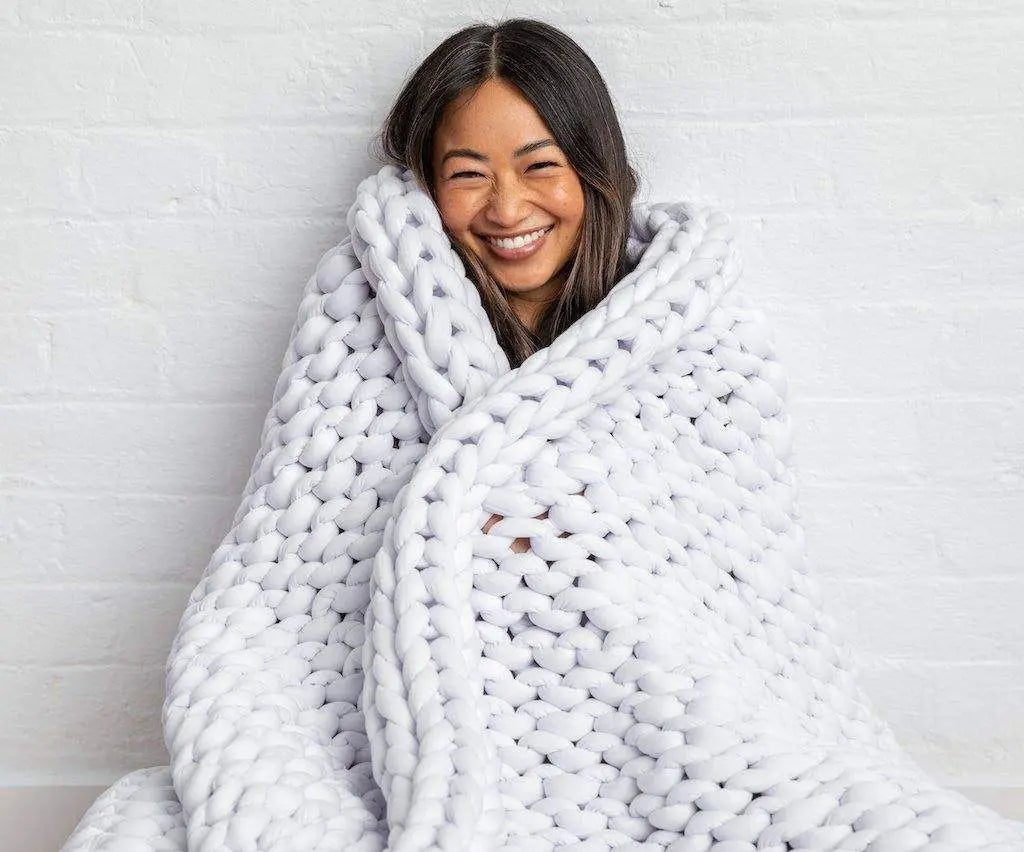
Il peut également être utile de réserver votre plaid douillet en sherpa ou votre couverture en tricot épais pour le canapé, les mois plus froids ou les moments calmes où la chaleur est exactement ce que vous désirez. Il n'y a rien de mal à une couche plus épaisse. Elle appartient simplement à une autre partie de votre routine de confort.
Une façon plus confortable de se détendre
La bonne couverture doit rendre l'heure du coucher plus facile : douce contre la peau, assez légère pour respirer et assez confortable pour encourager l'immobilité. Pour les dormeurs qui ont chaud, la solution est rarement plus de literie. C'est une literie mieux choisie qui permet à votre corps de se reposer à sa propre température naturelle.
Commencez par le matériau qui vous convient, gardez les couches flexibles et permettez-vous de vous adapter aux saisons. Une nuit plus calme et plus fraîche commence souvent par une simple couche qui semble enfin vous appartenir.


Laissez un commentaire