


Best Weighted Blanket for Sleep
If your mind feels wide awake when your body is begging for rest, a weighted blanket can make bedtime feel different almost immediately. The right one adds gentle, even pressure that helps many sleepers feel calmer, less restless, and more settled in bed. The wrong one feels too hot, too heavy, or awkwardly sized, which is why finding the best weighted blanket for sleep is less about trends and more about fit.
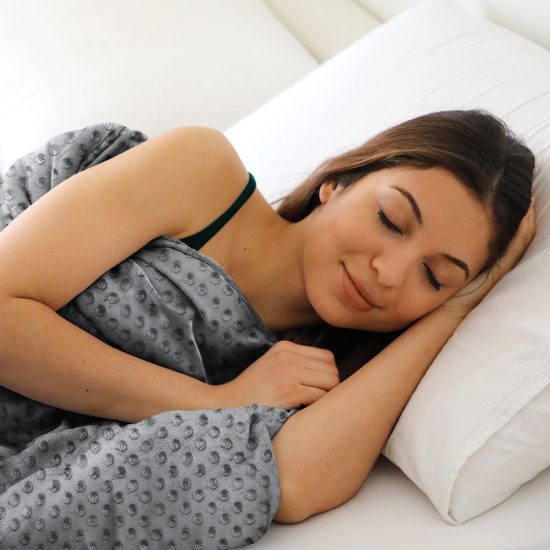
For some people, the biggest change is mental. The blanket creates a grounded, cocooned feeling that can quiet that wired-but-tired state at night. For others, the benefit is physical - less tossing, fewer wakeups, and a more secure feeling that makes it easier to stay asleep.
What makes the best weighted blanket for sleep?
A good weighted blanket should feel supportive, not restrictive. You want consistent pressure across the body, breathable materials that match your sleep temperature, and a size that stays where you need it without sliding around the bed. If any one of those is off, the blanket can become more distracting than calming.
Weight is the first thing most shoppers look at, and for good reason. A blanket that is too light may not give you that settled feeling. Too heavy, and it can feel like effort rather than comfort. Most adults do well with a blanket that falls around 8 percent to 12 percent of body weight, but personal preference matters. If you are sensitive to pressure or buying your first one, it often makes sense to start on the lighter side.
Fabric matters just as much. If you sleep hot, a dense plush blanket may feel amazing for ten minutes and frustrating by midnight. Cooling bamboo, breathable cotton, and moisture-wicking covers tend to work better for warm sleepers or year-round use. If you run cold or want a more comforting winter feel, sherpa and thicker outer layers can be a better match.
Construction is where premium quality starts to show. The best options distribute weight evenly and keep the fill from shifting into corners over time. That means less bunching, fewer cold spots, and a more stable feel night after night.
How to choose the right weight without overthinking it
Weighted blanket shopping gets confusing fast because people assume heavier always means better. It usually does not. The goal is calm, not compression.
If you weigh 150 pounds, you might start looking in the 12 to 15 pound range. If you weigh 200 pounds, 15 to 20 pounds may feel more appropriate. But sleep position, sensitivity, and even your mattress can change what feels right. Side sleepers sometimes prefer slightly lighter pressure because the blanket gathers more closely around the body. Back sleepers may enjoy a bit more weight because it spreads evenly.
If you are shopping for someone with anxiety or insomnia, the safest choice is usually a blanket that feels reassuring the moment it lands on the body, not one that takes adjustment. Comfort should be intuitive. If you have to convince yourself you will get used to it, it may not be the right pick.
Children are a separate category entirely. A kid's weighted blanket should never be chosen using adult rules. It needs to be sized and weighted specifically for children, with safety and ease of movement coming first.
Best weighted blanket for sleep if you run hot
Heat is the dealbreaker for a lot of people. They want the calming benefits of a weighted blanket, but they do not want to wake up sweating at 2 a.m. If that sounds familiar, cooling materials should be at the top of your list.
Bamboo is one of the most appealing options for hot sleepers because it feels smooth, breathable, and less stifling than heavier synthetic fabrics. Lightweight cotton can also work well, especially in moderate climates or air-conditioned bedrooms. Glass bead filling often feels cooler and more refined than bulkier alternatives because it can provide weight without as much volume.
The size of the blanket matters here too. A weighted blanket designed to fit your body rather than drape over the sides of the bed usually traps less heat. That can make a surprising difference if you already sleep warm.
If you want pressure without the heaviness of a winter blanket, look for an all-season design or a removable cover system. That gives you more flexibility across spring, summer, and early fall instead of forcing you into one sleep setup all year.
Best weighted blanket for sleep if you want cozy comfort
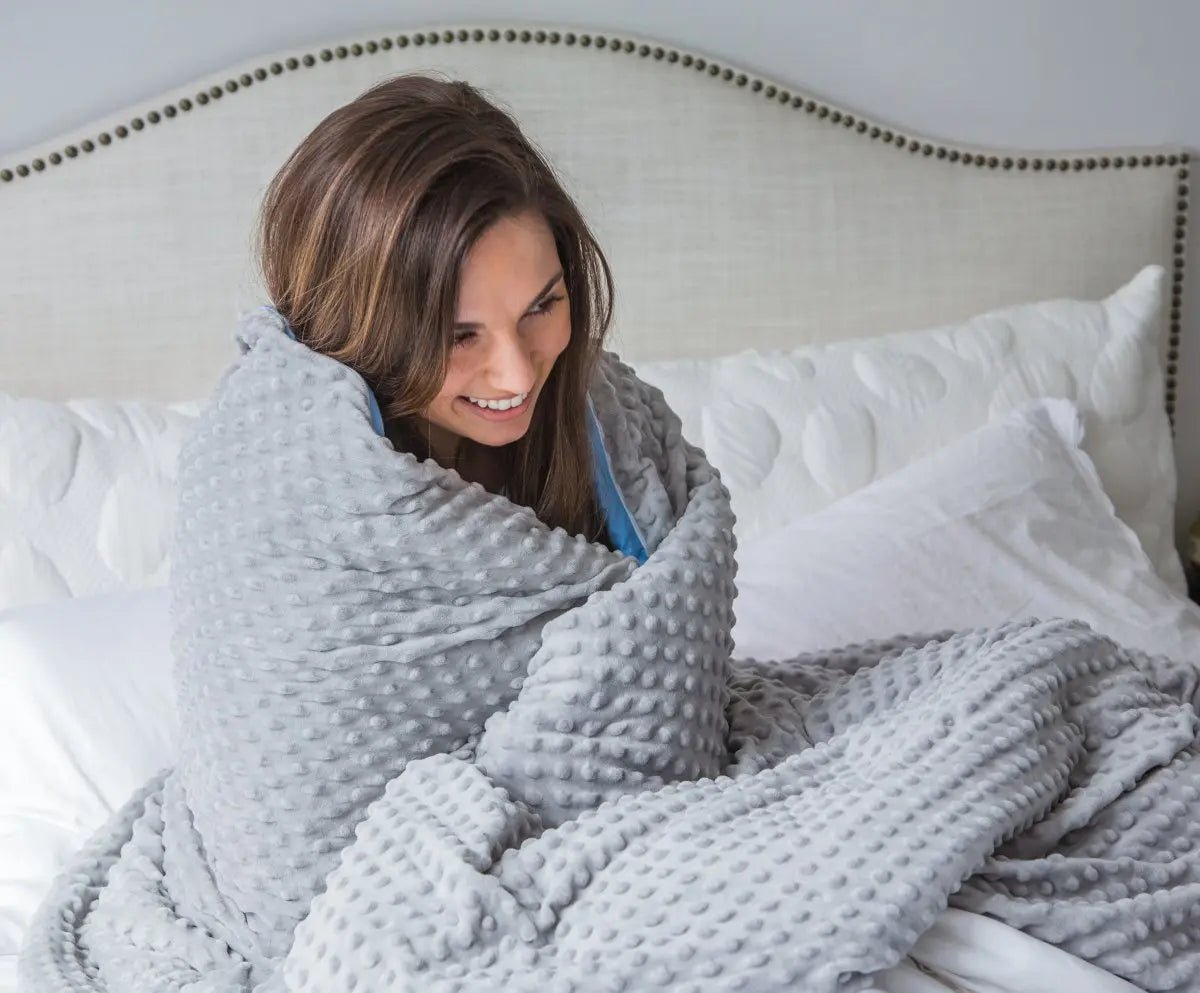
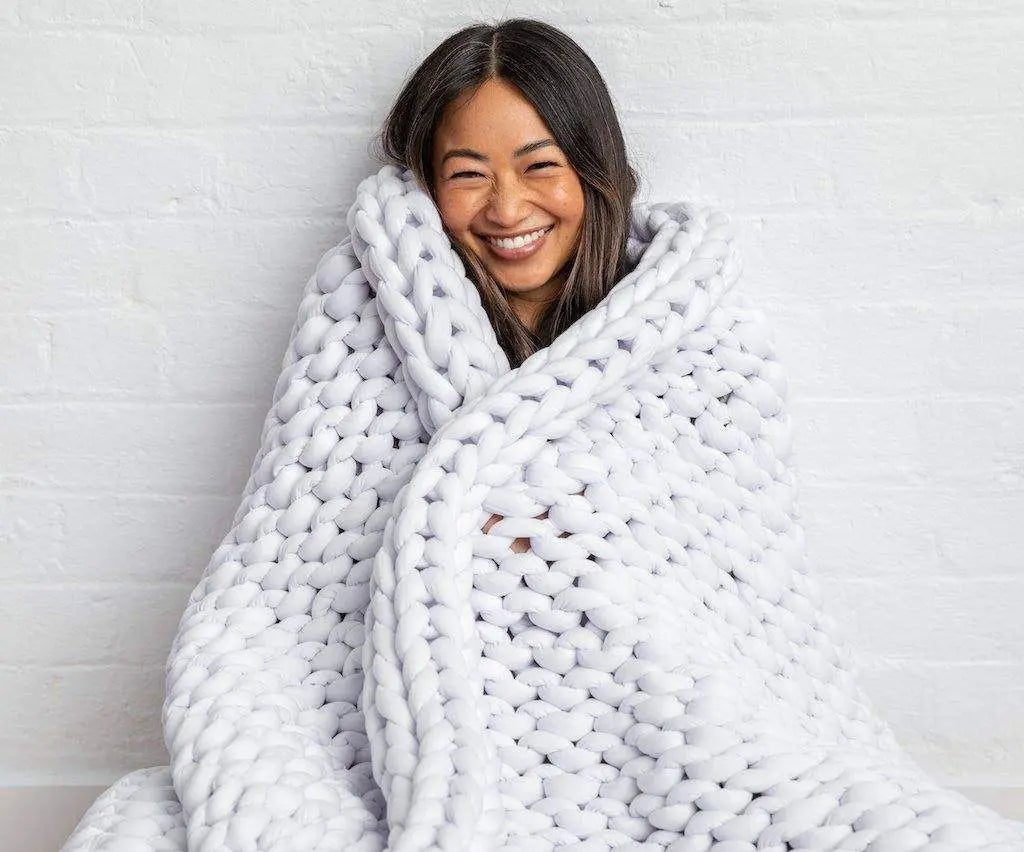
Not everyone wants cool-to-the-touch bedding. Some sleepers want bedtime to feel warm, sheltered, and deeply comforting, especially during colder months or stressful periods. In that case, a sherpa weighted blanket or thicker textured knit can feel especially soothing.
These styles often create a more emotional sense of comfort. They are the kind of blankets people reach for during anxious evenings, weekend naps, or nights when winding down feels harder than usual. The trade-off is breathability. What feels perfect in January may feel excessive in June.
That is why seasonal flexibility matters. If you love a plush weighted blanket, it may make sense to pair it with lighter bedding or reserve it for cooler nights. The best sleep setup is rarely about one blanket doing everything equally well all year long.
Size, shape, and why bed fit matters more than people expect
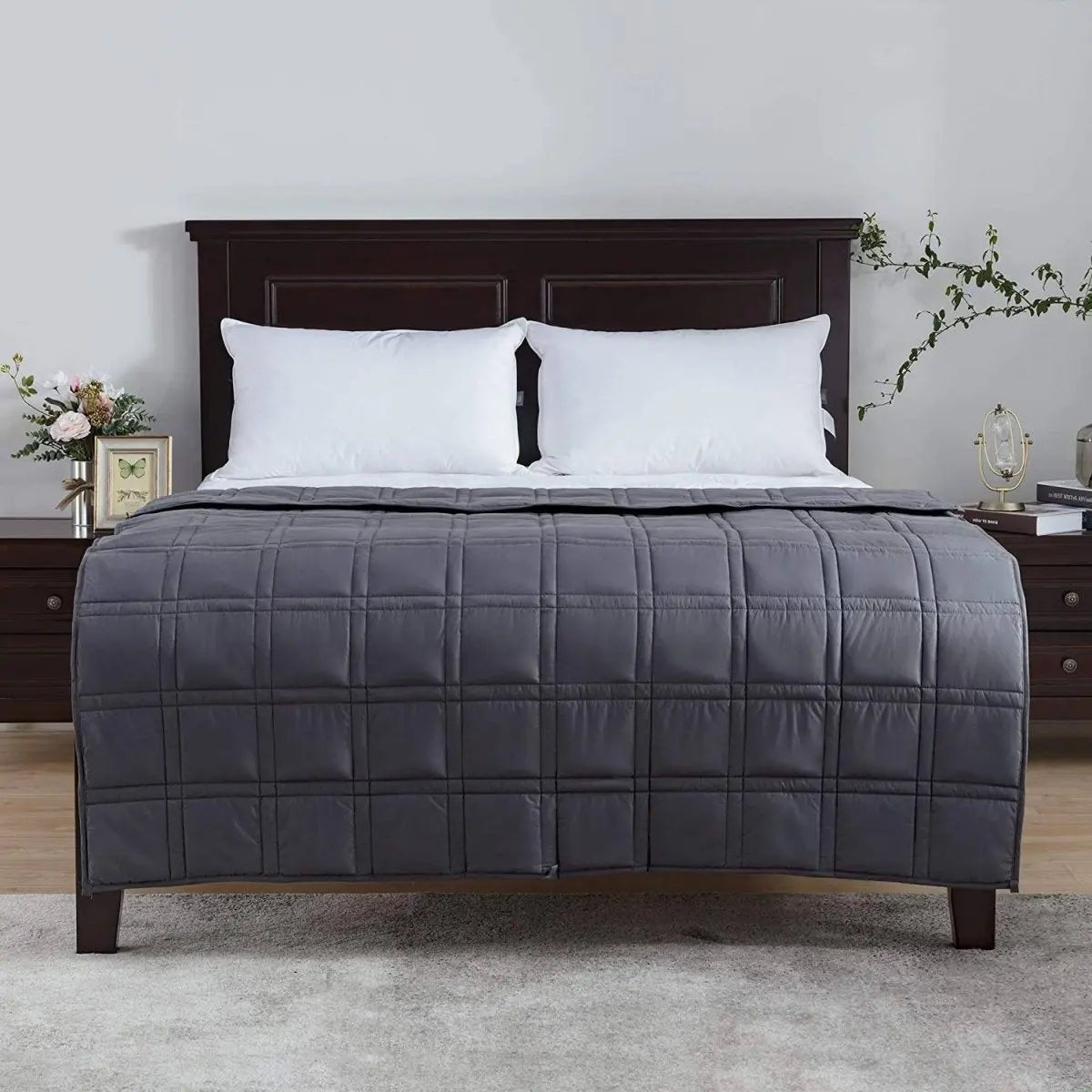
One common mistake is choosing a weighted blanket like you would choose a comforter. They are not quite the same. A weighted blanket usually works best when it is sized to the sleeper, not oversized to cover the entire mattress.
That smaller, more contained fit helps the pressure stay centered on the body. It also keeps the blanket from pulling when one person moves or from hanging too heavily off the sides of the bed. If you share a bed, two individual weighted blankets can actually work better than one large blanket, especially if you and your partner have different temperature or weight preferences.
The shape of the blanket should also make movement feel easy enough. You want security, but you should still be able to shift positions naturally during the night. That balance is what makes a weighted blanket feel therapeutic instead of cumbersome.
Materials that actually hold up over time
A weighted blanket is not a decorative throw you fold at the end of the bed and forget about. If you use it nightly, durability matters. Stitching, fill distribution, and washable covers all affect whether the blanket still feels good after months of regular use.
Look for thoughtful construction and skin-friendly fabrics, especially if you have sensitivities. Materials such as OEKO-TEX-certified textiles can offer extra peace of mind. A removable duvet cover can also make long-term care much easier, particularly if you want to keep the inner blanket protected while still changing texture or warmth by season.
Premium blankets tend to feel better not only because of the outer fabric, but because they stay consistent. You do not want weight migrating to one edge or seams that start to pull. The whole point is reliable comfort.
Who benefits most from a weighted blanket?
Weighted blankets are especially appealing for adults who deal with nighttime anxiety, overstimulation, or restless sleep. They can also be a strong fit for people who struggle to transition from a busy day into sleep mode. That held, grounded feeling can make the bed feel more inviting and less like another place to keep thinking.
Parents often look for them for older children who need calming support at bedtime, but it is important to choose a child-specific option and follow age and safety guidance carefully. And for gift buyers, a weighted blanket works best when you know the recipient's sleep style. It is a thoughtful gift, but not a one-size-fits-all one.
If you are shopping for yourself, the smartest move is to start with your biggest sleep complaint. If it is anxiety, focus on pressure and softness. If it is overheating, prioritize cooling fabric. If it is seasonal comfort, look for a system that can adapt instead of a single blanket that tries to be everything.
Where most people go wrong
Many shoppers buy based on appearance first and sleep needs second. A blanket can look beautiful folded on the bed and still be a poor match for how you actually sleep. Others focus only on weight and ignore temperature regulation, which is often the reason a weighted blanket gets kicked off during the night.
Another common issue is buying the cheapest option and expecting premium performance. Uneven fill, rough fabric, and weak stitching can turn a calming product into an annoying one. If you use a weighted blanket every night, quality is not a luxury feature. It is the difference between trying something once and building a sleep routine around it.
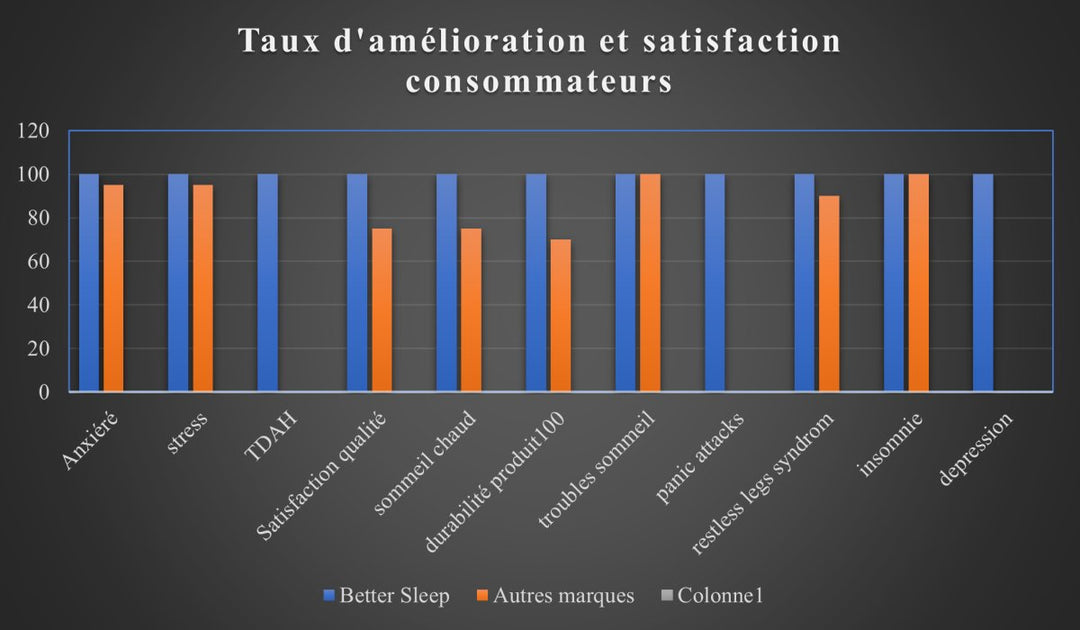
For shoppers who want a more guided approach, brands like Better Sleep at https://www.better-sleep.ca make the decision easier by organizing blankets around real needs such as cooling comfort, kids' sleep, all-season use, and cozy relaxation rather than forcing you to sort through generic bedding options.
The best weighted blanket for sleep is the one that matches your body, your temperature, and the way you want bedtime to feel. When those pieces line up, sleep can start to feel less like a nightly struggle and more like a place your nervous system finally gets to exhale.

Leave a comment