




Does a Weighted Blanket Help Anxiety?
When your body feels wired at bedtime
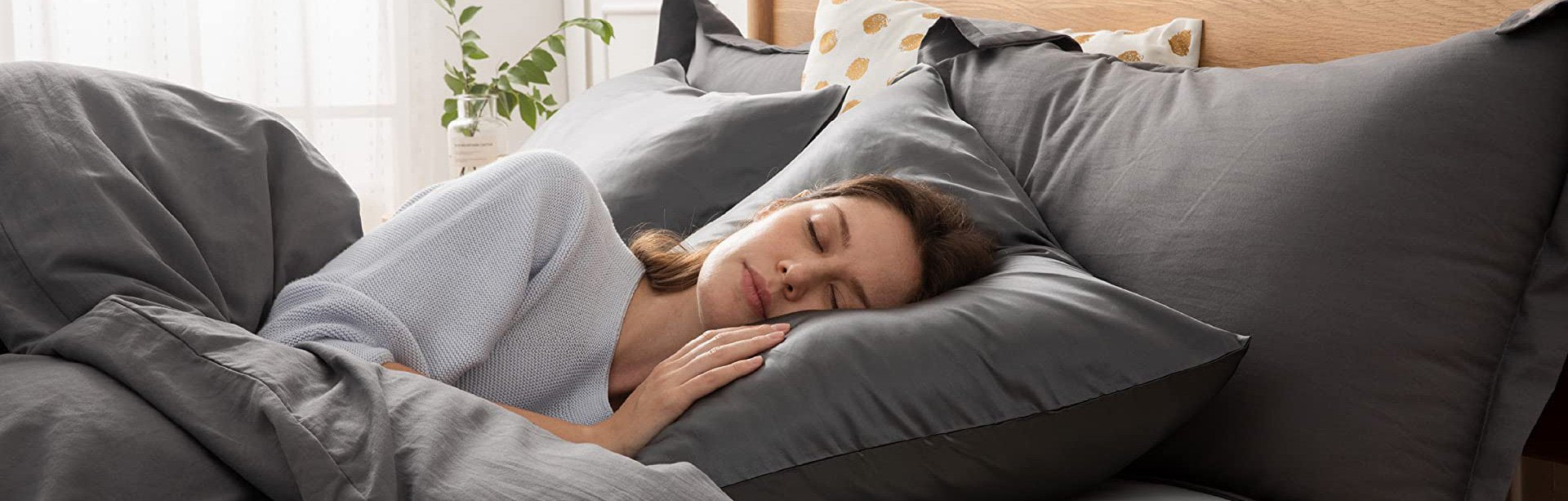
You turn off the light, put your phone down, and try to settle in - but your body has other plans. Your thoughts keep moving, your chest feels tight, and even good tiredness does not turn into sleep. For many Canadians, that restless feeling shows up most strongly at night.
That is exactly why so many people start looking for a weighted blanket for anxiety. Not because they want trendy bedding, but because they want something that helps their body stop bracing and start resting.
A weighted blanket is not a cure for anxiety, and it is not the right fit for every sleeper. But for many adults, it can be a simple, therapist-approved comfort tool that helps create calmer nights and more grounded sleep.
How a weighted blanket for anxiety is meant to help
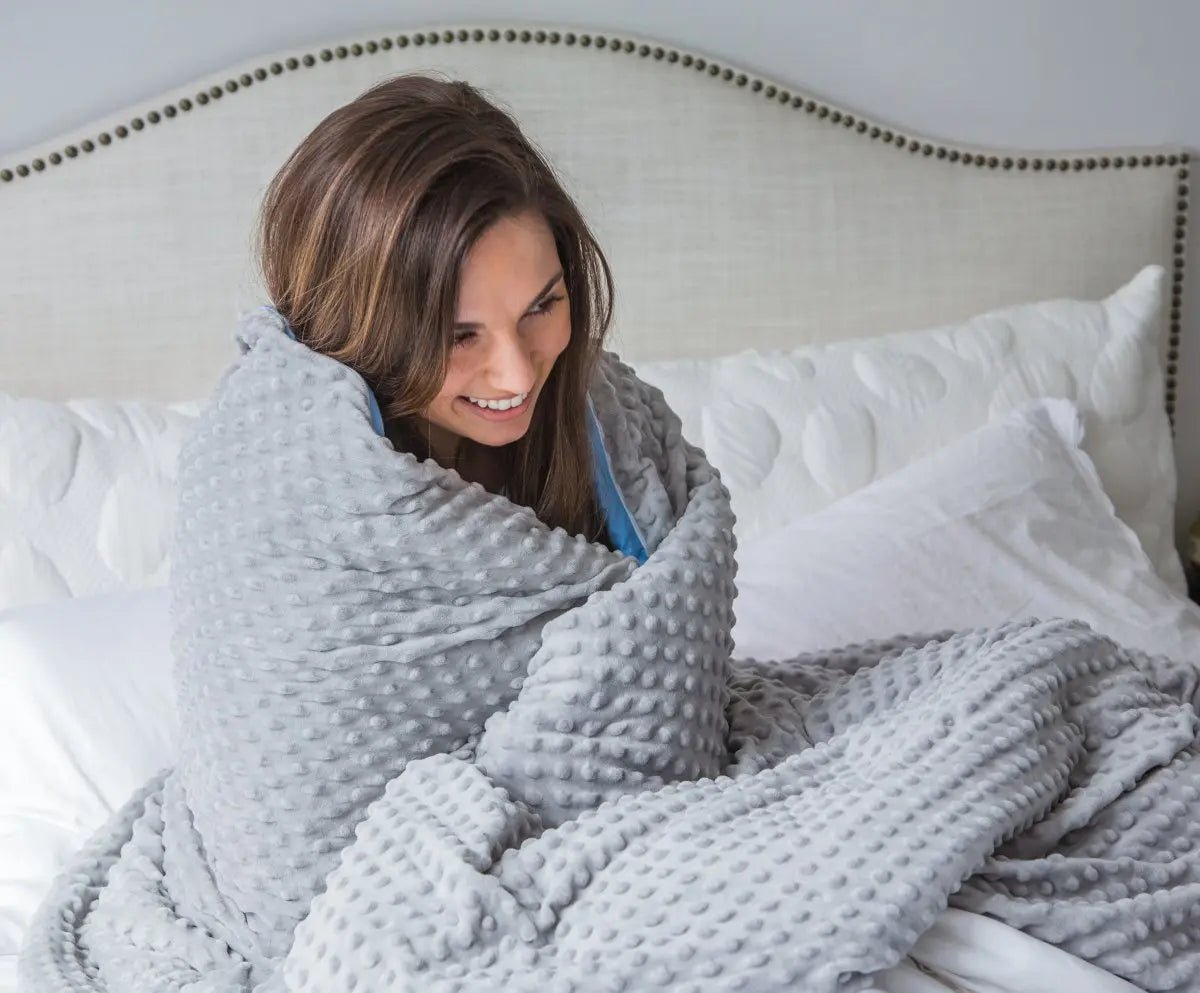
The appeal is straightforward. A weighted blanket applies gentle, even pressure across the body. This sensation is often compared to a firm hug or the feeling of being tucked in securely. For someone who feels overstimulated, restless, or tense, that pressure can feel deeply settling.
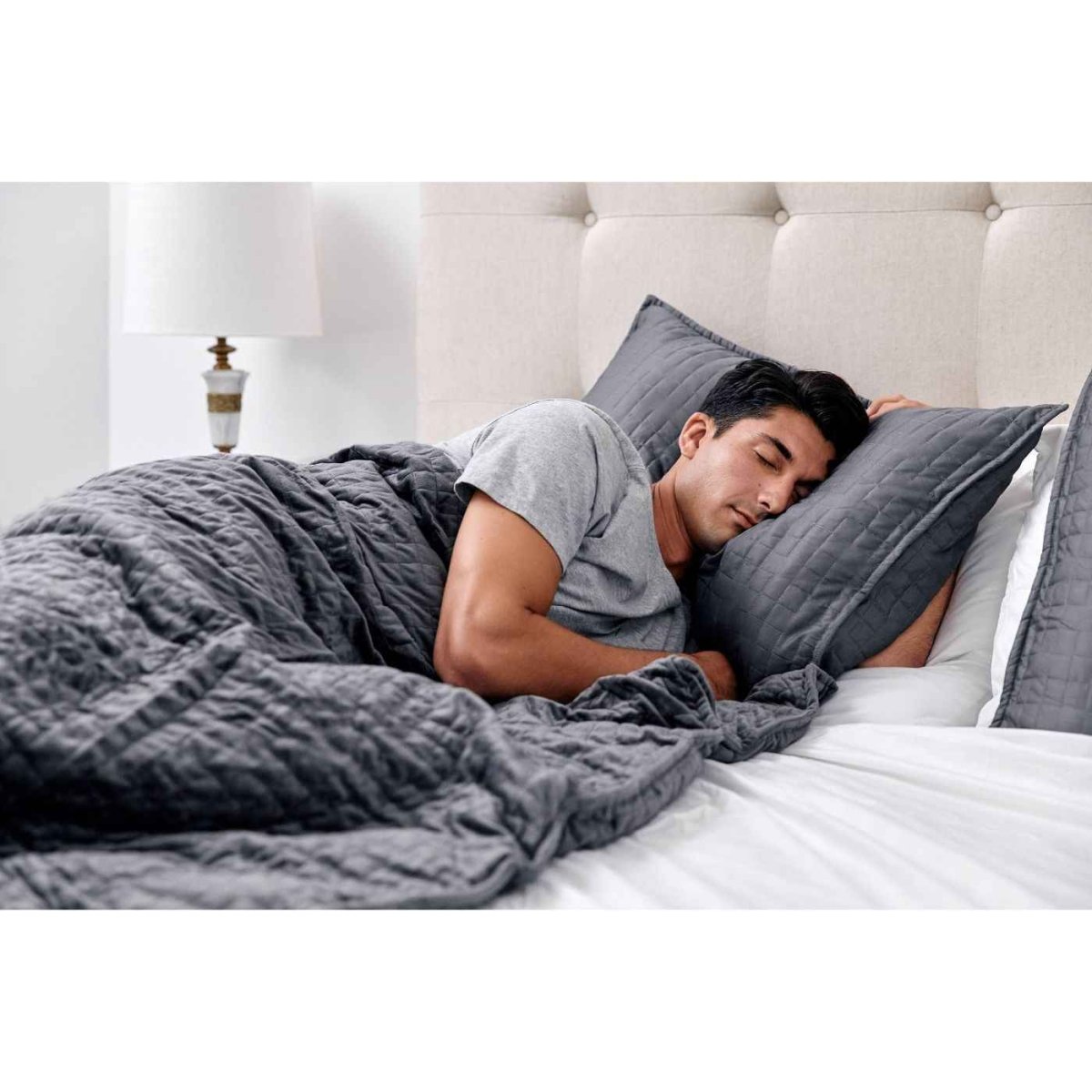
This effect is often described as deep touch pressure. The idea is that consistent pressure may help the nervous system shift out of a high-alert state. Some people notice they feel calmer within minutes. Others find the biggest benefit is not instant relaxation, but less tossing, fewer wake-ups, and an easier time staying in bed once they do fall asleep.
That matters because anxiety and sleep often feed each other. When you feel anxious, sleep gets harder. When sleep gets worse, anxiety can feel louder the next day. A weighted blanket can help interrupt that cycle by making rest feel more physically inviting.
What it can realistically improve
The biggest mistake people make is expecting a weighted blanket to work like a switch. Most of the time, the benefit is more subtle than that.
You may still have anxious thoughts. You may still need a wind-down routine, lower lighting, or fewer late-night screens. But a good weighted blanket can make your body feel safer and steadier while you are doing that work.
For many sleepers, the realistic benefits look like this in daily life: less fidgeting in bed, less urge to kick off blankets, more comfort during stressful periods, and a stronger sense of calm at bedtime. Some people also find it helpful when reading, watching TV, or decompressing after work, especially if they spend the day overstimulated.
If your anxiety tends to show up physically - racing heart, muscle tension, shallow breathing, restlessness - a weighted blanket often makes more sense than if your anxiety is mostly cognitive and unrelated to sleep or sensory comfort. It depends on how your body responds to pressure and whether you enjoy that cocooned feeling.
Who tends to benefit most
A weighted blanket for anxiety can be especially appealing for adults who feel stressed at night, light sleepers who wake easily, and people who crave more physical grounding when they rest. It is also a strong fit for those who already find comfort in being tightly wrapped in a duvet or layered under heavier bedding.
Professionals dealing with everyday stress often like weighted blankets because they require very little effort. There is no app to manage, no routine to learn, and no steep adjustment period for most people. You use it, notice how your body responds, and build it into your evening if it helps.
Parents also look for weighted options for family calm, though children need extra care when it comes to sizing, age suitability, and supervision. A child should never simply be given an adult weighted blanket. If you are shopping for a child, choose a product made specifically for kids and follow the brand's safety guidance closely.
When it might not be the right choice
Weighted blankets are comforting for many people, but not universally. If you dislike feeling confined, sleep very hot, or tend to move a lot through the night, the added weight may feel restrictive instead of relaxing.
They may also be a poor fit for anyone with certain medical or mobility concerns, especially conditions that affect breathing, circulation, strength, or the ability to remove the blanket independently. If that applies to you, it is worth speaking with a healthcare professional before trying one.
Temperature is another real trade-off. Some weighted blankets trap heat, and that can ruin the experience for hot sleepers. If you already wake up warm, fabric matters just as much as weight. Breathable options such as bamboo, moisture-wicking covers, or seasonally adaptable systems tend to feel far more usable year-round.
How to choose the right weighted blanket for anxiety
This is where the shopping decision really matters. The wrong blanket can feel awkward, too warm, or simply underwhelming. The right one feels like your bed got better in a very noticeable way.
Start with weight. Many shoppers have heard the rule about choosing roughly 10 percent of your body weight, and that is a useful starting point, not a hard law. Some people prefer slightly lighter for easier movement. Others like a more enveloping feel. If you are between options, comfort usually matters more than chasing a perfect formula.
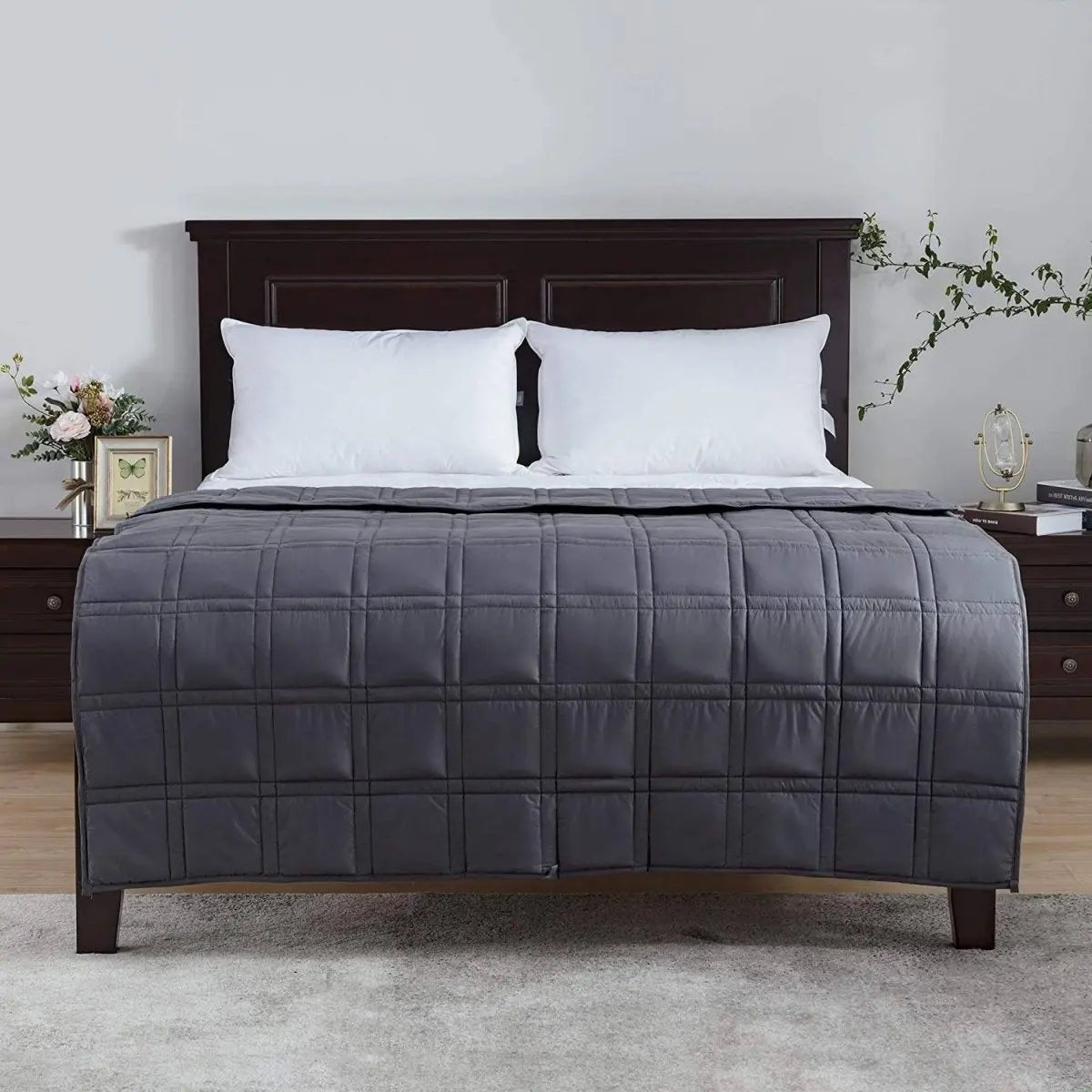
Then think about size. A weighted blanket should generally fit the person, not hang heavily over the edges of the bed like a standard duvet. If it is too large, the weight distribution can feel off. If you share a bed, one partner may love weight while the other absolutely does not. In that case, an individual weighted blanket is often the better choice.
Fabric matters more than many first-time buyers expect. If anxiety already makes you physically uncomfortable at night, scratchy or heat-trapping materials will not help. Soft, breathable, premium fabrics create a better sensory experience and make it easier to actually keep using the blanket.
Construction matters too. You want weight that feels evenly distributed, not clumpy or shifting. A well-made blanket feels balanced across the body, which is part of what makes it calming.
Why breathable materials make a difference
A lot of people give up on weighted blankets because they assume all of them sleep hot. That is not always true.
For Canadian shoppers, seasonality is a real issue. January and July do not ask the same thing from your bedding. If you want a weighted blanket to become part of your routine instead of a winter-only purchase, look for breathable materials and options designed for all-season use.
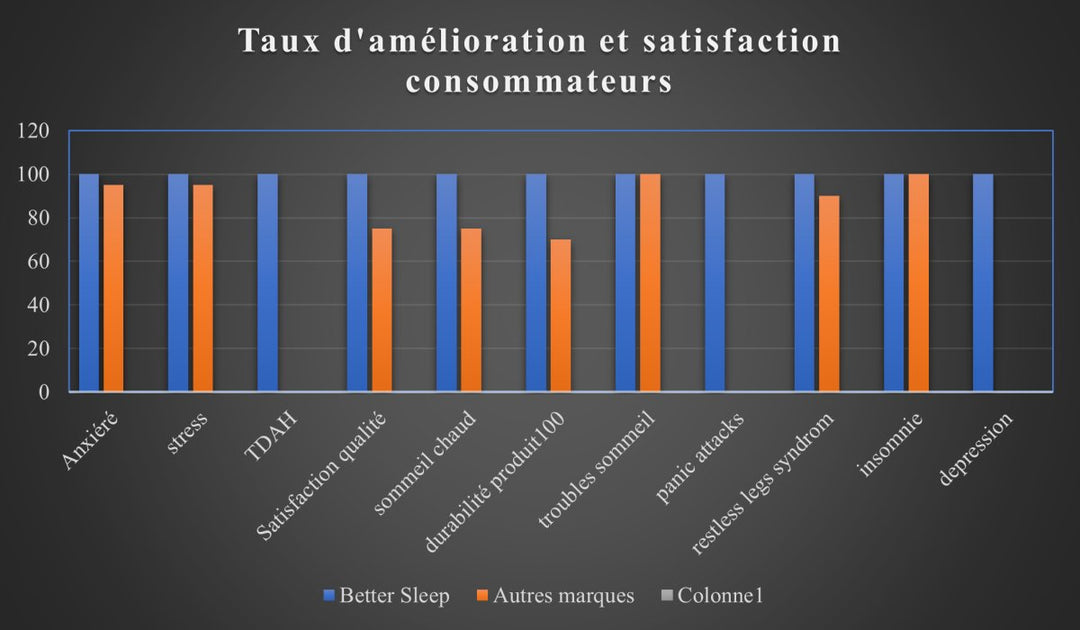
This is where premium details can genuinely improve results. Bamboo-based fabrics, washable covers, and comfort layers designed for airflow can make a weighted blanket feel less like a heavy novelty and more like practical sleep support. Better Sleep focuses on exactly that kind of thoughtful design - calming weight, breathable comfort, and seasonally adaptable choices that help more people stick with it.
How to use one without overthinking it
You do not need a complicated routine. Most people do best by using a weighted blanket during the time they already feel tension building - while reading in bed, watching a show in the evening, or settling in for sleep.
Give yourself a few nights to adjust. Some people love it instantly. Others need time to get used to the sensation of extra weight. If it feels like too much at first, try using it over your lower body while resting, then increase from there.
It also helps to pair the blanket with a bedroom setup that supports calm rather than fights it. Cooler temperature, softer lighting, and fewer distractions all make the effect more noticeable. The blanket is a support tool, not a replacement for basic sleep hygiene.
Is a weighted blanket for anxiety worth trying?
If your nights feel tense, your sleep feels light, or your body never seems to fully unclench, a weighted blanket is one of the more practical comfort upgrades you can try at home. It is low effort, non-invasive, and for many people, genuinely soothing.
The key is choosing one that matches how you sleep. The best results usually come when the weight feels grounding, the fabric feels breathable, and the blanket suits your season, bed, and sensitivity level. A blanket that is too hot, too heavy, or poorly made will not feel therapeutic for long.
For the right sleeper, though, the effect can be surprisingly immediate. Not magical. Not perfect. Just a little more calm where you need it most.
And when anxiety tends to arrive at bedtime, a little more calm can change the whole night.

Leave a comment