




Comment choisir le surmatelas qui vous convient
Un matelas peut sembler presque parfait pendant des années. Peut-être qu'il est suffisamment ferme, mais trop dur au niveau des épaules. Peut-être qu'il est plus chaud que vous ne le souhaiteriez. Peut-être que votre partenaire l'adore et pas vous. Si vous vous demandez comment choisir un surmatelas sans gaspiller votre argent sur le mauvais confort, la clé est de commencer par ce qui manque à votre lit - et non par le matériau le plus tendance.
Un bon surmatelas ne remplace pas complètement le rôle d'un matelas. Il l'ajuste. Cette différence est importante, car le bon choix peut soulager la pression, adoucir une surface trop ferme, ajouter une couche de sommeil plus fraîche ou aider un matelas vieillissant à être plus confortable pendant un certain temps. Le mauvais choix peut vous laisser bloqué, surchauffé ou toujours endolori le matin.
Comment choisir le surmatelas adapté à vos besoins de sommeil
Avant de comparer les matériaux, l'épaisseur ou le prix, réfléchissez au problème que vous souhaitez résoudre. La plupart des gens achètent un surmatelas pour l'une des quatre raisons suivantes : leur matelas est trop ferme, trop chaud, trop plat ou n'est plus aussi confortable qu'il l'était.
Si votre matelas est trop ferme, un surmatelas plus souple peut soulager la pression autour des épaules, des hanches et des genoux. Si vous vous réveillez avec une sensation de chaleur, les matériaux respirants et une rétention de chaleur plus faible devraient guider votre décision. Si le matelas semble légèrement usé mais reste ferme en dessous, un surmatelas peut restaurer le confort. Si le matelas s'affaisse profondément ou cause des douleurs dorsales parce que le noyau de soutien est défaillant, un surmatelas ne fera que masquer le problème pendant une courte période.
Ce dernier point mérite qu'on s'y attarde. Un surmatelas est une amélioration du confort, pas une réparation structurelle. Si votre lit s'affaisse au milieu ou ne soutient pas votre colonne vertébrale, même un surmatelas de qualité supérieure pourrait ne pas résoudre le problème fondamental.
Commencez par votre position de sommeil
Votre position de sommeil détermine le degré de rembourrage dont vous avez besoin et l'endroit où vous en avez le plus besoin.
Les personnes dormant sur le côté ont généralement besoin de plus de soulagement de la pression
Si vous dormez sur le côté, vos épaules et vos hanches s'enfoncent plus profondément dans le matelas. Un surmatelas plus doux et suffisamment épais pour amortir ces zones peut aider à réduire les points de pression et l'engourdissement. Dans la plupart des cas, cela signifie qu'il faut opter pour un surmatelas de 5 à 7,5 cm plutôt qu'une couche très fine.
Trop fin, et vous pourriez toujours sentir la fermeté en dessous. Trop épais et trop mou, et vous pourriez perdre l'alignement, surtout autour de la taille et du bas du dos.
Les personnes dormant sur le dos ont besoin d'équilibre
Les personnes dormant sur le dos se sentent généralement mieux avec un surmatelas qui ajoute du confort sans laisser les hanches s'enfoncer trop loin. Les options moyennes ou moyennement douces fonctionnent souvent bien ici, selon la fermeté du matelas.
Si votre matelas actuel est seulement légèrement trop ferme, un surmatelas de 5 cm peut suffire. S'il est dur et impitoyable, 7,5 cm peuvent faire une différence plus notable.
Les personnes dormant sur le ventre ont souvent besoin de moins de douceur
Les personnes dormant sur le ventre sont généralement plus sensibles à un enfoncement trop important. Un surmatelas qui semble moelleux au début peut faire s'enfoncer le milieu du corps et solliciter le bas du dos pendant la nuit. Dans de nombreux cas, un surmatelas plus fin avec une sensation plus ferme et plus réactive est le choix le plus sûr.
C'est là qu'il est utile d'être honnête sur vos habitudes. Beaucoup de gens sont des dormeurs combinés, mais il y a généralement une position où ils passent le plus de temps. Magasinez d'abord pour cette position.
La fermeté est plus importante que la plupart des gens ne le pensent
Lorsque les gens demandent comment choisir le style de surmatelas, ils se concentrent souvent d'abord sur le matériau. Le niveau de confort est tout aussi important.
Un surmatelas moelleux peut rendre un matelas ferme plus doux et plus rembourré. Un surmatelas de fermeté moyenne peut adoucir un lit légèrement trop dur sans le modifier radicalement. Un surmatelas plus ferme est moins courant pour le confort, mais il peut aider à créer une surface plus stable si votre matelas est trop moelleux.
Le compromis est simple. Les surmatelas plus doux procurent généralement un meilleur soulagement de la pression, mais ils peuvent aussi tenir plus chaud et permettre un affaissement plus important. Les surmatelas plus fermes ont tendance à être plus soutenants et plus faciles à bouger, mais ils peuvent ne pas offrir un amorti suffisant pour les épaules et les hanches.
Si vous souffrez de maux de dos, cela peut devenir délicat. Certains dormeurs souffrant de maux de dos ont besoin de plus de douceur car leur matelas crée de la pression. D'autres ont besoin de moins de douceur car ils s'enfoncent et se désalignent. La douleur seule ne permet pas de trouver une réponse. La sensation de votre matelas actuel vous indique la direction à suivre.
Choisissez la bonne épaisseur
L'épaisseur modifie l'influence du surmatelas sur le matelas qui se trouve en dessous.
Un surmatelas de 2,5 cm est généralement le meilleur choix pour un ajustement subtil. Il peut ajouter une touche de douceur ou une petite couche rafraîchissante, mais il ne modifiera pas radicalement la sensation de votre lit.
Un surmatelas de 5 cm est souvent l'option la plus polyvalente. Il apporte une amélioration notable du confort sans rendre le lit trop haut ou trop mou. Pour de nombreux dormeurs, c'est le point de départ le plus simple.
Un surmatelas de 7,5 cm crée un changement de sensation plus important et peut être utile pour les dormeurs latéraux, les matelas plus légers qui semblent trop fermes, ou toute personne souhaitant une surface de sommeil plus moelleuse. Mais plus n'est pas toujours mieux. Si le surmatelas est trop épais pour votre type de corps et votre position de sommeil, vous pourriez vous sentir moins soutenu plutôt que plus confortable.
Le poids corporel joue également un rôle. Les dormeurs plus légers peuvent obtenir un soulagement suffisant d'un surmatelas plus fin, tandis que les dormeurs plus lourds ont souvent besoin de plus de profondeur pour en ressentir le bénéfice.
Choisissez le matériau en fonction de la sensation, de la température et de la réactivité
Le matériau est l'endroit où le confort devient personnel.
Mousse à mémoire de forme
La mousse à mémoire de forme est populaire car elle épouse étroitement le corps et soulage bien la pression. Si votre matelas est dur ou irrégulier aux points de pression, la mousse à mémoire de forme peut créer une surface plus calme et plus amortie.
L'inconvénient est que la mousse à mémoire de forme traditionnelle peut retenir la chaleur et être plus lente à réagir lorsque vous bougez. Certains dormeurs adorent la sensation d'être enveloppé. D'autres se sentent piégés par elle.
Latex
Le latex a une sensation plus élastique et réactive. Il amortit le corps sans l'enveloppement profond de la mousse à mémoire de forme, et il est généralement plus frais. Pour les dormeurs qui souhaitent un soulagement de la pression avec plus de soutien et une plus grande facilité de mouvement, le latex peut être un excellent choix.
Il est souvent un peu plus ferme que la mousse à mémoire de forme au même niveau de douceur, donc les attentes sont importantes.
Garnissage en fibres ou en duvet synthétique
Ces surmatelas sont moelleux et invitants au premier abord, ressemblant plus à une couche de literie supplémentaire qu'à une couche de soutien dense. Ils peuvent être efficaces si vous souhaitez simplement une surface plus douce et plus douillette.
Ils n'offrent généralement pas le même soulagement de la pression ou la même durabilité que la mousse ou le latex, ils sont donc meilleurs pour l'ajustement du confort que pour résoudre des problèmes de sommeil plus graves.
Matériaux axés sur le refroidissement
Si vous dormez chaud, ne vous fiez pas seulement à l'expression « refroidissant » et prêtez attention à la respirabilité. Les tissus dérivés du bambou, les housses évacuant l'humidité, la mousse ventilée et les matériaux qui ne retiennent pas autant la chaleur peuvent tous aider. Un surmatelas ne peut pas résoudre toutes les causes de surchauffe, mais il peut réduire la quantité de chaleur emprisonnée près du corps.
N'ignorez pas votre matelas actuel
Le même surmatelas peut procurer une sensation totalement différente selon ce qui se trouve en dessous.
Si votre matelas est très ferme, un surmatelas de fermeté moyenne peut sembler suffisamment moelleux. Si votre matelas est déjà moelleux, ce même surmatelas peut sembler trop mou. C'est pourquoi l'achat d'un surmatelas tourne parfois mal. Les gens jugent le surmatelas isolément au lieu de considérer la surface de sommeil complète.
Essayez de décrire votre matelas en une phrase avant d'acheter. Trop ferme mais de soutien. Moelleux sur le dessus mais manquant de soulagement de la pression. Confortable sauf pour la chaleur. Cette phrase vous guidera mieux que toute catégorie générale.
Signes pratiques que vous faites le bon choix
Un surmatelas est généralement un bon choix s'il vous aide à vous endormir sans passer du temps à vous repositionner, s'il réduit la pression sur vos points douloureux habituels et s'il vous laisse plus soutenu plutôt que moins le matin.
Il doit également correspondre à votre style de vie. Si vous souhaitez un confort facile à entretenir, choisissez un surmatelas avec une housse amovible et lavable. Si vous êtes sensible à la chaleur, privilégiez une construction respirante plutôt qu'un moelleux supplémentaire. Si vous partagez un lit, pensez au mouvement et à la préférence d'un partenaire pour une surface à réponse plus rapide.
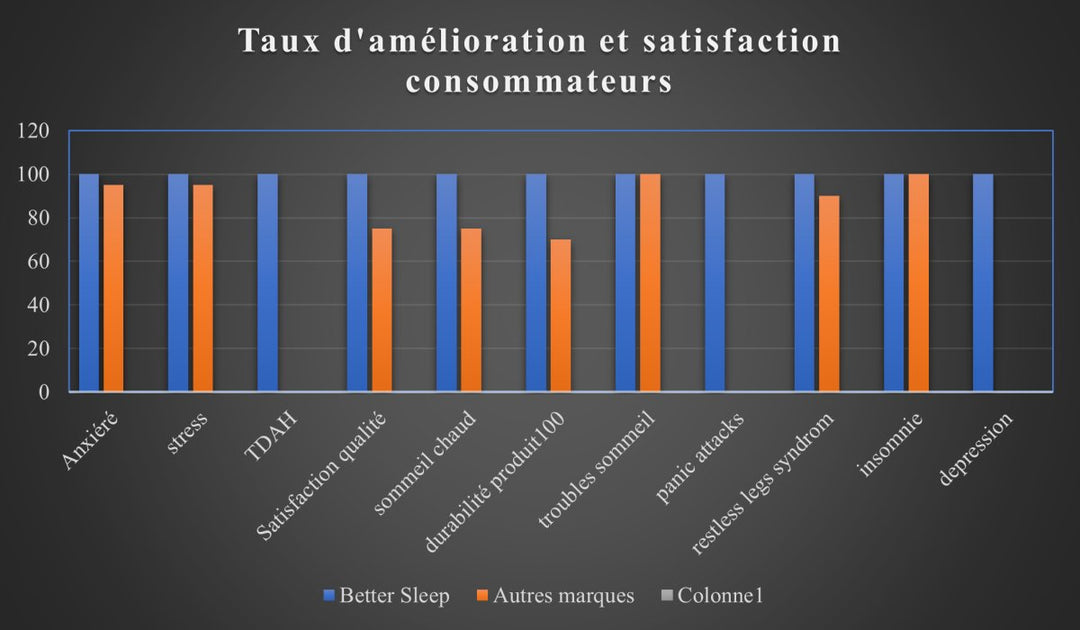
Pour de nombreux acheteurs, la tranquillité d'esprit compte aussi. Des matériaux de haute qualité, une construction soignée et une période d'essai peuvent faciliter le choix, surtout lorsque le confort est subjectif. Des marques comme Better Sleep se concentrent sur ce type d'expérience rassurante axée sur le bien-être, car un meilleur repos ne dépend que rarement d'une seule caractéristique.
Erreurs courantes lors du choix d'un surmatelas
L'une des erreurs les plus courantes est d'acheter le surmatelas le plus moelleux disponible alors que le vrai problème est un mauvais soutien. Une autre est de choisir uniquement en fonction de l'épaisseur sans tenir compte du matériau et de la position de sommeil. Une troisième est de s'attendre à ce qu'un surmatelas sauve un matelas qui est déjà en fin de vie.
Il y a aussi la tentation de surcorriger. Si votre lit semble un peu trop ferme, vous n'aurez peut-être besoin que d'une couche de confort modeste. Aller vers un moelleux dramatique peut créer un nouveau problème que vous n'aviez pas auparavant.
La meilleure approche est généralement une approche mesurée. Changez clairement une chose, pas tout en même temps.
Une façon simple de décider
Si vous hésitez encore, utilisez ce filtre. Si votre lit est trop ferme, commencez par un surmatelas de 5 ou 7,5 cm axé sur le soulagement de la pression. Si vous dormez au chaud, faites des matériaux respirants votre priorité. Si vous souhaitez une douceur délicate sans un contour profond, recherchez une surface plus réactive. Si votre matelas s'affaisse, économisez votre argent pour un remplacement.
Un surmatelas devrait donner l'impression que votre lit est plus votre lit, juste plus calme, plus soutenant et plus facile à se blottir la nuit. Lorsque vous choisissez avec cet état d'esprit, la décision a tendance à devenir beaucoup plus claire.


Laissez un commentaire