



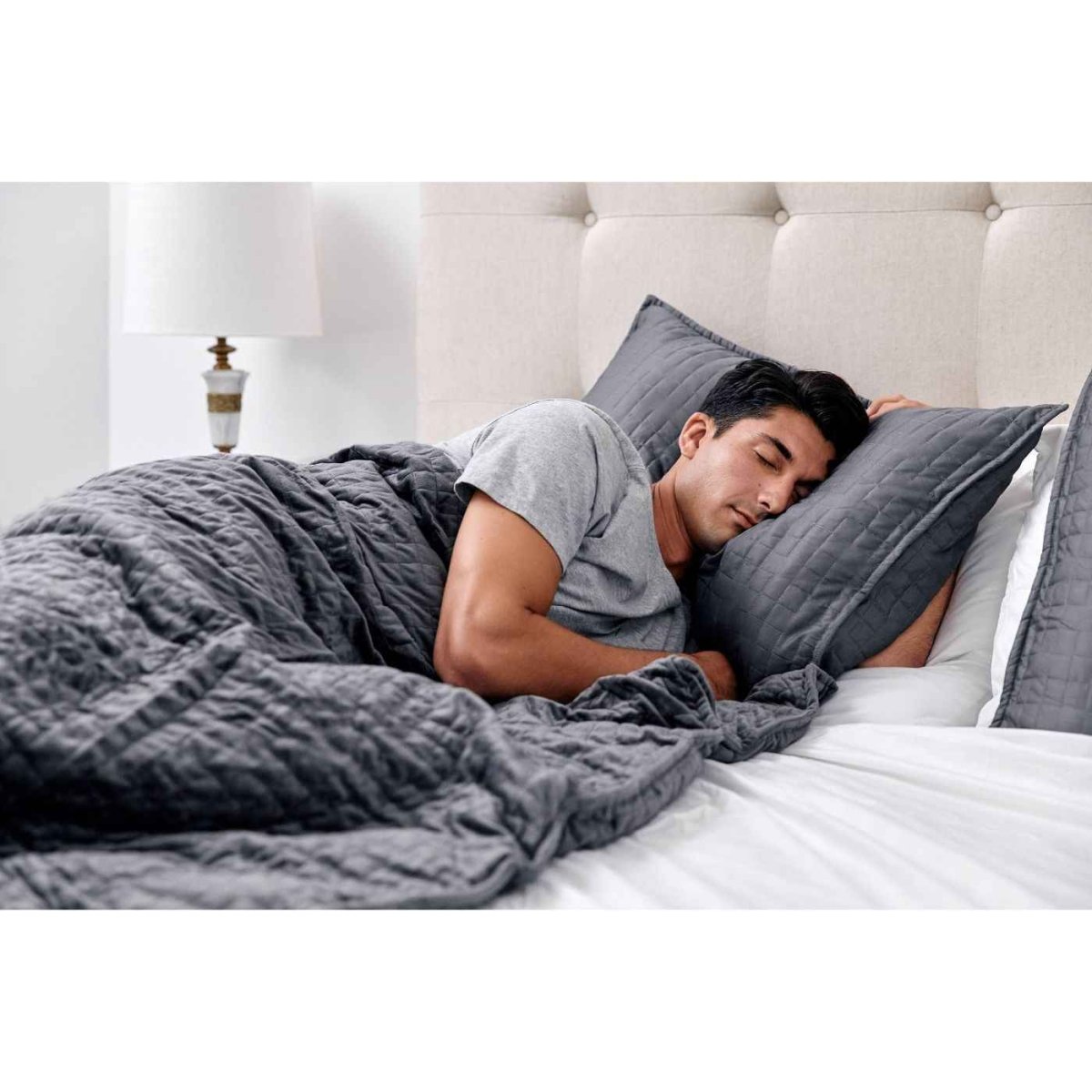
How to Choose Breathable Bedding Sets
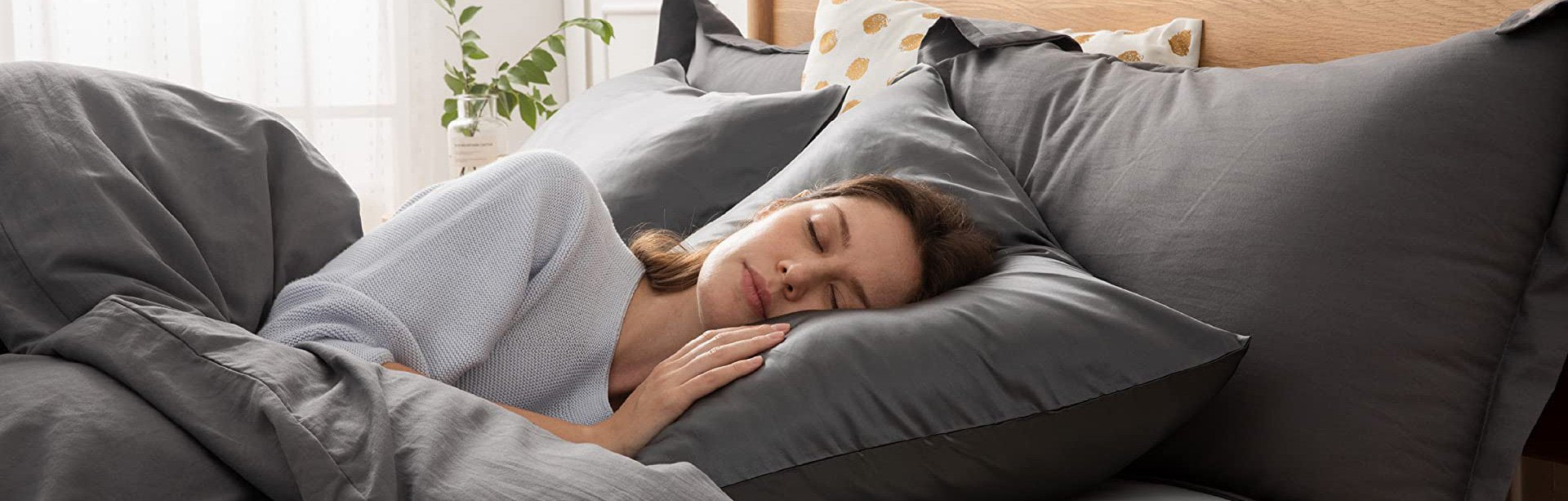
If you wake up tangled in damp sheets, kicking off the covers, or shifting around trying to find the cool side of the bed, your bedding may be working against you. Breathable bedding sets are designed to help regulate heat, release moisture, and create a sleep environment that feels lighter, calmer, and easier to settle into.
That matters more than most people realize. Temperature plays a quiet but powerful role in sleep quality. When your bed traps heat, it can make it harder to fall asleep, stay asleep, and wake feeling restored. For people who already deal with stress, night sweats, hormonal shifts, or general temperature sensitivity, the wrong bedding can turn bedtime into another source of discomfort.
Why breathable bedding sets make a real difference
Breathability is not just about feeling cool. It is about balance. A breathable bed allows air to circulate around your body while helping moisture move away from the skin. That creates a more stable, dry sleep surface, which often feels noticeably more comfortable through the night.
This is especially helpful if you sleep warm but do not want a bed that feels cold or clinical. The best breathable bedding does not strip away comfort. It simply reduces the heavy, trapped feeling that some fabrics create. The result is a bed that feels fresh, soft, and supportive rather than stifling.
There is also a mental side to this. When your bedding feels lighter and easier to relax into, the whole sleep routine can feel less effortful. Small friction points matter at night. Scratchy fabric, overheating, and clammy sheets can keep the nervous system more alert than it needs to be.
What actually makes bedding breathable
Not every product labeled cooling or lightweight is truly breathable. In most cases, breathability comes down to three things: fiber, weave, and layering.
Fiber content matters first
Natural and moisture-managing fibers usually perform better than dense synthetic blends when airflow is the goal. Bamboo-derived fabrics are a strong example because they tend to feel soft, smooth, and naturally better at releasing heat and wicking moisture. Cotton can also be breathable, especially in lighter weaves, though the feel can vary quite a bit depending on the quality and finish.
Linen is another highly breathable option, particularly for hot sleepers. It allows excellent airflow and has a relaxed, airy hand. The trade-off is texture. Some people love its lived-in feel, while others prefer something smoother against the skin.
Synthetic materials are not always a problem, but they do require a closer look. Some performance fabrics are engineered for cooling, yet lower-quality polyester-heavy bedding often traps heat and moisture. If you tend to overheat easily, that difference becomes obvious fast.
Weave changes the feel more than many people expect
Even within the same fiber, the weave can shift how bedding performs. Percale cotton, for example, usually feels crisper and cooler because of its plain weave and matte finish. Sateen tends to feel silkier and slightly warmer because it is woven more densely.
The same logic applies across other materials. A bedding set may be marketed as breathable, but if it is tightly woven for a heavy, polished finish, it may not feel especially airy in practice. Breathability is not just about what the fabric is made from. It is also about how that fabric is constructed.
Layering can either help or hurt
You can buy excellent sheets and still end up sleeping hot if the rest of your bed traps heat. Mattress protectors, toppers, duvets, and even pillows all affect airflow. A breathable bedding set works best when the surrounding layers support the same goal.
That does not mean every part of the bed needs to be ultra-light. It means your setup should feel balanced. If you love the comfort of a cozier blanket, pairing it with moisture-managing sheets and a breathable duvet cover can help keep the bed from feeling overly insulated.
How to shop for breathable bedding sets without overcomplicating it
The easiest mistake is focusing on marketing language instead of sleep experience. Cooling, lightweight, moisture-wicking, and temperature-regulating can all sound promising, but they are not interchangeable.
Start with how you want your bed to feel. If you want a smooth, soft, almost weightless feel, bamboo bedding is often a smart place to start. If you like a crisp hotel-style bed, percale cotton may be a better fit. If airflow matters most and you do not mind more texture, linen may suit you well.
Then think about your sleep patterns. If you run hot year-round, prioritize moisture management and airflow above all else. If you sleep warm only part of the year, you may want breathable bedding that still layers well in cooler months. For couples, this gets even more personal. One partner may want a cool, airy setup while the other prefers more insulation. In that case, breathable base layers usually make the best compromise because they help both sleepers stay more comfortable.
Breathable bedding sets for different sleep needs
For hot sleepers
Look for fabrics that release heat quickly and do not cling when the room warms up. Bamboo and percale are usually reliable choices here. A lighter duvet cover can also make a bigger difference than expected, especially if your insert is all-season rather than winter weight.
For sensitive or overstimulated sleepers
Breathability should feel calming, not bare. Softness matters just as much as temperature control. Smooth, gentle fabrics with low friction can help create a bed that feels restful from the moment you get in. This can be especially supportive for people who already struggle to settle at night.
For year-round comfort
If you do not want to swap your entire bed with the seasons, look for breathable bedding sets that layer easily. This gives you more flexibility. You can keep the same foundational sheets and covers, then adjust warmth with a blanket or insert as needed.
For gift buyers
Breathable bedding is a thoughtful gift because it feels practical and personal at the same time. It supports better rest without being overly specific or difficult to use. The safest choices are usually soft, versatile fabrics in neutral tones with an easy, elevated feel.
A few trade-offs worth knowing
No bedding material is perfect for everyone. Breathable fabrics can vary in softness, drape, appearance, and care.
Linen is exceptionally airy, but it wrinkles easily and has a more textured finish. Percale feels cool and crisp, but some people find it less silky than sateen. Bamboo is often praised for softness and temperature balance, though quality can differ depending on the fabric blend and construction.
Care requirements matter too. Some breathable materials need gentler washing or lower heat drying to maintain their feel over time. If easy maintenance is high on your list, check that before you buy. The best bedding is not just comfortable on night one. It should fit naturally into your routine.
How to tell when it is time to replace your current bedding
Sometimes sleep discomfort creeps in slowly. Sheets that once felt fine begin to feel heavy, rough, or unusually warm. If your bedding pills, traps moisture, or never seems to feel fresh, it may be time for a change.
You might also notice indirect signs. Waking up more often at night, sweating without a clear reason, or feeling restless even when you are tired can all point back to your sleep environment. Bedding is not the only factor, of course, but it is one of the easiest to improve.
For many people, upgrading to more breathable materials creates an immediate sense of relief. The bed feels cleaner, lighter, and easier to settle into. That alone can shift the tone of the night.
What a better bed should feel like
The best breathable bedding sets do not call attention to themselves. They simply remove distractions. Your sheets feel dry, your bed feels balanced, and your body is not fighting the temperature of the fabric.
That is the real value. Better bedding is not about making the bed look finished. It is about helping the bed function as a place of restoration. For a brand like Better Sleep, that distinction matters. Comfort should be beautiful, yes, but it should also be deeply useful.
If your nights feel warmer, heavier, or more restless than they should, start with the layers closest to your skin. A more breathable bed can make rest feel less like something you chase and more like something your space naturally supports.


Leave a comment