






7 Restless Sleep Solutions That Help
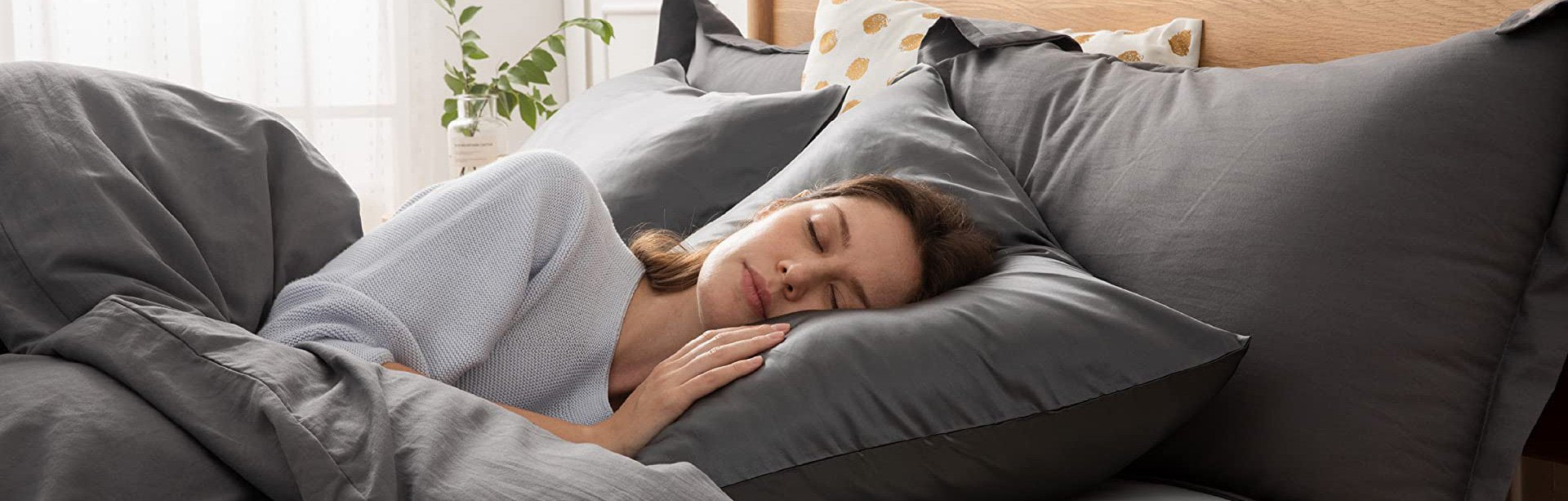
Some nights look restful from the outside - lights off, body still, hours in bed - but feel anything but restorative. If you wake often, toss between hot and cold, or start the day feeling mentally busy instead of reset, you are likely looking for real restless sleep solutions, not generic advice.
Restless sleep usually has more than one cause. For some people, it is stress that keeps the nervous system slightly activated even after bedtime. For others, it is physical discomfort, overheating, sensory sensitivity, inconsistent routines, or a sleep environment that does not support full-body relaxation. The good news is that restless sleep often improves when you address the right friction points in the right order.
Why restless sleep happens in the first place
A restless night is often the result of low-grade disruption rather than one dramatic problem. You may not be fully awake for long stretches, but your body never settles deeply enough to stay there. That can show up as frequent repositioning, light sleep, early waking, vivid dreams, or the sense that your brain stayed half on all night.
Stress is a common driver. When your day has been mentally heavy, your body may still be carrying that tension at bedtime. Even if you feel tired, your nervous system can remain alert. That is one reason people often say, "I was exhausted, but I could not settle."
Temperature also matters more than most people realize. If your bedding traps heat, or if you wake up chilly after sweating, your sleep can become fragmented without an obvious cause. The same goes for texture. Sheets that feel scratchy, heavy blankets that do not breathe, or fabrics that cling can make it harder for the body to relax fully.
Restless sleep solutions that start with your sleep environment
If your bedroom asks your body to keep adapting through the night, sleep quality usually suffers. A supportive setup removes those small interruptions before they add up.
Choose bedding that helps regulate temperature
Overheating is one of the most common reasons people wake and shift positions. Breathable materials can make a noticeable difference, especially if you sleep warm, share a bed, or experience hormonal changes that affect body temperature.
Look for cooling, moisture-managing fabrics that feel soft without trapping heat. Bamboo-based bedding is a strong option for many sleepers because it tends to be smooth, breathable, and comfortable across seasons. If you often wake up warm at 2 a.m. and cold by 4 a.m., layering can help more than one thick blanket. It gives you flexibility instead of forcing your body to adapt to a single temperature all night.
Reduce sensory irritation
Sometimes restless sleep is less about insomnia and more about subtle discomfort. A pillowcase that catches your skin, a duvet that feels too heavy in one area and too light in another, or a blanket that bunches at your feet can keep your body from fully settling.
This is where material quality matters. Soft, breathable, well-fitted bedding helps the body feel held rather than interrupted. If you are sensitive to touch or tend to move a lot before falling asleep, smoother textures and evenly distributed weight can create a more grounded sleep experience.
The most effective restless sleep solutions for stress-heavy nights
When restlessness is driven by stress or overstimulation, the goal is not to force sleep. It is to create enough calm that sleep can happen naturally.
Add gentle pressure, not more stimulation
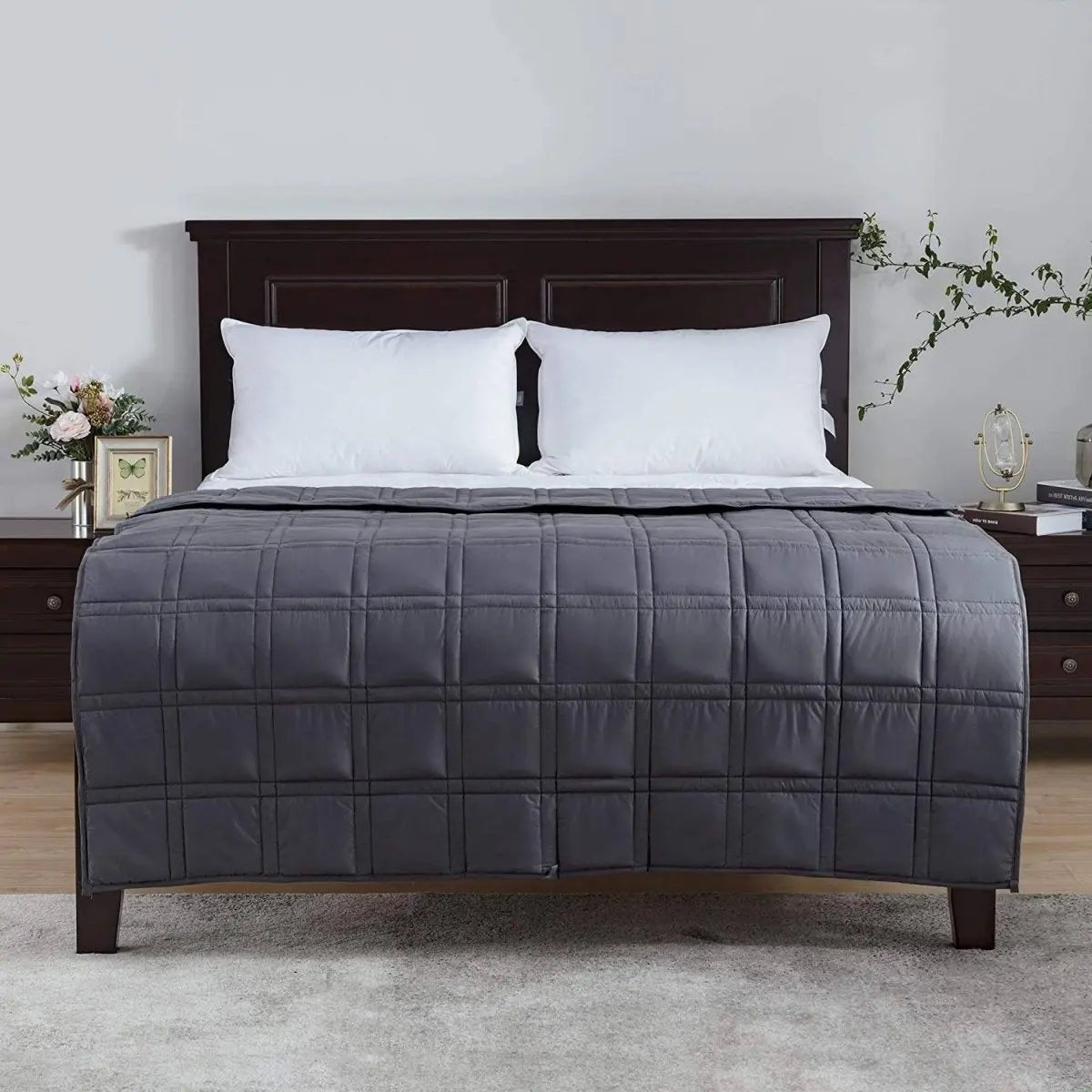
For many adults, deep pressure can help reduce the feeling of being physically unsettled. A weighted blanket is often helpful because it gives the body a sense of security and containment. That can be especially supportive if your restlessness shows up as fidgeting, tension, anxious thoughts, or repeated waking after light sleep.
The key is fit. A weighted blanket should feel calming, not restrictive. If it is too heavy or too warm for your preferences, it may work against you. Breathable construction matters here just as much as the weight itself, particularly for people who want the calming effect without added heat.
Give your brain a smaller runway into sleep
A long, perfect nighttime routine is not realistic for most people. A short one is. If your evenings are full, choose two consistent cues that tell your body the day is ending. That might mean dimming lights and putting your phone away 30 minutes before bed, or taking a warm shower and slipping into the same calming bedding each night.
Predictability is soothing. The brain responds well to repeated patterns, especially when sleep has felt unreliable. You do not need a complex ritual. You need signals your body can trust.
Stop treating bedtime like a performance
The more pressure you put on sleep, the more alert you often become. Watching the clock, calculating hours, and trying hard to fall asleep can quietly increase tension. If this sounds familiar, shift your focus from sleep itself to comfort.
Ask, "What helps my body feel safe enough to rest?" That may be a darker room, less screen time, a weighted sleep mask, cooler sheets, or simply going to bed 20 minutes later when you feel genuinely ready. Better sleep sometimes starts when you stop chasing it so aggressively.
What to change if you wake up throughout the night
Middle-of-the-night waking has its own pattern. If you fall asleep easily but wake often, look at what changes after the first sleep cycle.
Check for heat buildup
Many sleep setups feel comfortable at bedtime but become too warm later. That is why breathable layers often outperform heavy bedding, even when the room itself is cool. If you wake up tangled, sweaty, or irritated, your blanket and sheets may be part of the problem.
Switching to cooling sheets, lighter layers, or temperature-balancing bedding can reduce those wake-ups. This is especially helpful for people who thought they had a sleep problem when they actually had a heat management problem.
Notice whether comfort shifts overnight
Your mattress topper, pillow height, and blanket distribution all affect how often you move. If your shoulder, hips, or lower back start bothering you after a few hours, your body may keep waking just enough to reposition. That does not always feel like pain. Sometimes it just feels like sleeping lightly.
Supportive bedding accessories can help here, but the right choice depends on the issue. If you feel pressure points, you may need more cushioning. If you feel stuck or overheated, you may need more airflow instead.
When product-based solutions help most
Not every restless night can be solved with a new blanket or sheet set. If your sleep is being disrupted by significant anxiety, chronic pain, sleep apnea, medication changes, or hormonal symptoms, bedding is supportive, not curative. Still, the right products can remove major barriers to rest and make a meaningful difference night after night.
They tend to help most when your sleep issues involve stress, overstimulation, temperature swings, or physical unease. In those cases, well-designed sleep essentials are not just decorative. They are functional tools that support a calmer nervous system and a more comfortable sleep environment.
That is why many people start with one high-impact change rather than replacing everything at once. A breathable weighted blanket, cooling sheet set, silk pillowcase, or supportive topper can solve the issue that is causing the most disruption. Once that friction point is gone, the rest of your routine often works better too.
How to build your own restless sleep solutions plan
Start with the pattern, not the product. If you cannot fall asleep, focus first on nervous system calm and evening cues. If you wake hot, address temperature regulation. If you toss and turn all night, look at tactile comfort, pressure, and physical support.
Then make one change at a time. This matters because sleep is personal. A weighted blanket may feel deeply calming for one person and too warm for another. Cooling bedding may transform sleep for a hot sleeper but do little for someone whose restlessness is mostly stress-related. The best approach is observant, simple, and consistent.
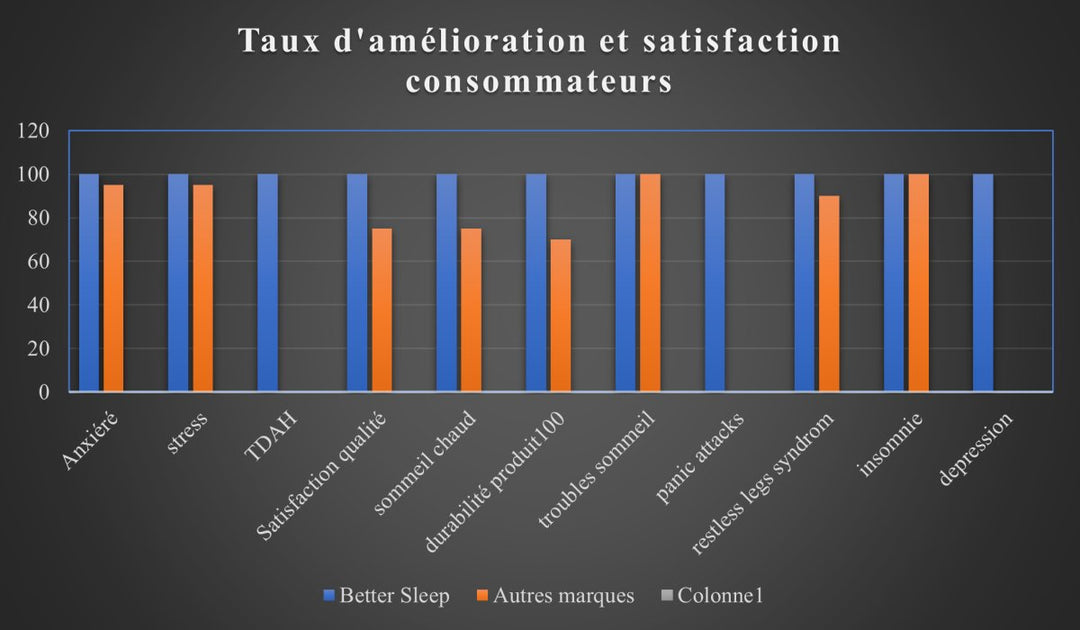
For many households, the most effective restless sleep solutions are the ones that feel easy to keep using. Soft textures. Balanced weight. Breathable layers. Fewer interruptions. A bedroom that feels less stimulating and more restorative. Better Sleep is built around that idea - that comfort should not be complicated, and that the right sleep environment can support deeper rest in a very real way.
If your nights have felt light, busy, or broken lately, start by making sleep easier on your body. Calm often arrives quietly, and sometimes the shift begins with the smallest change you can feel the moment you lie down.


Leave a comment