



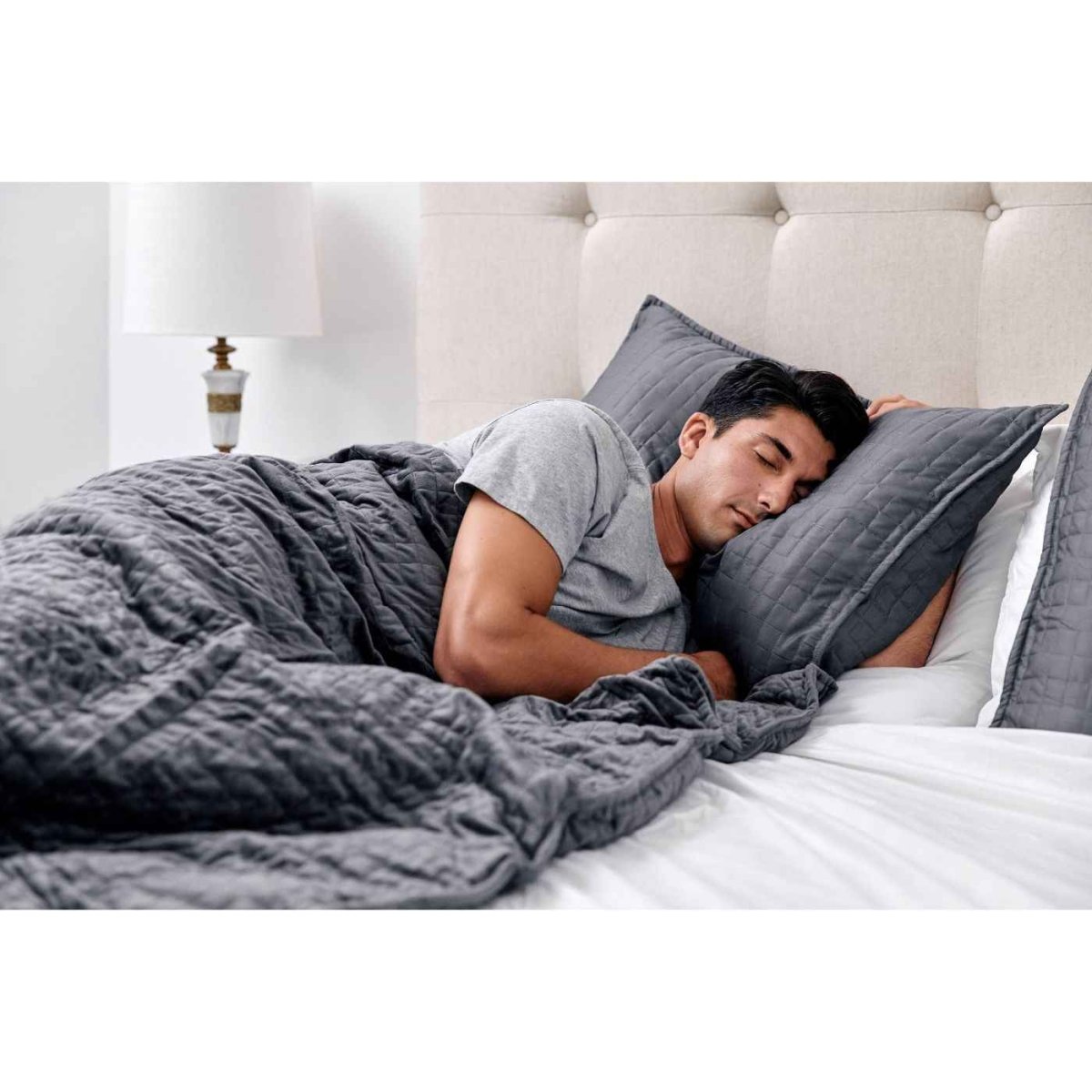
Cooling Bedding for Hot Sleepers That Works
Waking up damp at 2 a.m., kicking off the covers, then pulling them back on twenty minutes later is more than frustrating. For many people, cooling bedding for hot sleepers is not a luxury purchase - it is the difference between broken sleep and a night that actually feels restorative.
If you tend to run warm, the goal is not to make your bed feel cold. It is to help your body release heat more easily, reduce trapped moisture, and create a steadier sleep environment from bedtime to morning. That sounds simple, but the wrong fabric, fill, or mattress layer can work against you even if the product is labeled cooling.
What hot sleepers actually need from bedding
Most heat-related sleep problems come down to three things: trapped warmth, retained moisture, and poor airflow. Bedding that feels plush at first can become stifling after a few hours if it holds onto body heat or prevents ventilation around the skin.
That is why the best cooling bedding is usually light, breathable, and moisture-managing rather than heavy and overly insulated. A silky finish can feel nice, but if the material underneath does not let air move through, the comfort does not last. In the same way, a thick blanket may feel cozy when you first get into bed, but it can create overheating later in the night.
This is also where expectations matter. No sheet set can fully offset a hot room, a foam mattress that sleeps warm, or hormonal night sweats on its own. Good bedding helps significantly, but it works best as part of a sleep setup that supports temperature regulation overall.
Cooling bedding for hot sleepers starts with fabric
If you are changing only one part of your bed, start with the material closest to your skin. Sheets and pillowcases have the biggest day-to-day effect because they directly influence how heat and sweat are handled.
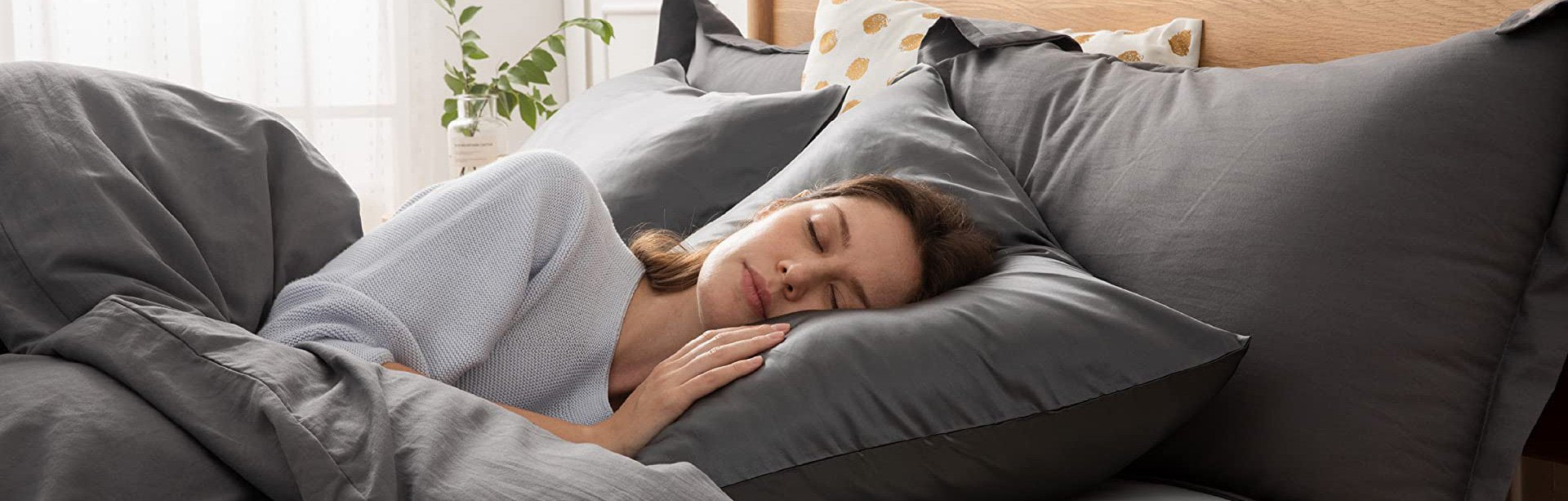
Bamboo-based fabrics are a strong choice for many hot sleepers because they tend to feel smooth, breathable, and gentle against sensitive skin. They also do a good job of wicking moisture, which matters if you wake up clammy rather than simply warm. This can help the bed feel fresher through the night instead of sticky.
Cotton can also work well, especially in lighter weaves. Percale is often a better pick than heavier sateen if your priority is airflow and a crisp, cool feel. Linen is another good option, particularly for people who want maximum breathability, though it has a more textured hand and may not feel as soft right away.
Microfiber is where many hot sleepers run into trouble. It is often affordable and easy to care for, but it can trap heat more readily than natural or more breathable alternatives. If you consistently sleep hot, this is usually one of the first materials worth replacing.
The layers that matter most
Cooling performance is rarely about one hero product. It is about how your layers work together.
Sheets and pillowcases
These should feel breathable, lightweight, and smooth. If your sheets cling, feel dense, or leave you waking up sweaty, that is a sign they are holding too much warmth. Pillowcases matter just as much, especially if you often wake up with a warm face or neck.
Mattress toppers and protectors
This layer is often overlooked. If your mattress topper is thick memory foam without much airflow, it can store heat underneath you all night. The same goes for waterproof protectors that create a sealed, plasticky barrier. A more breathable topper or a lighter, quieter protector can make a noticeable difference.
Blankets and duvets
Many hot sleepers still want the comfort of being covered. That is completely reasonable. The better approach is usually a lighter blanket with better breathability instead of sleeping with no layers and waking up uncomfortable later. Look for all-season options that are designed to regulate rather than insulate heavily.
Weighted bedding
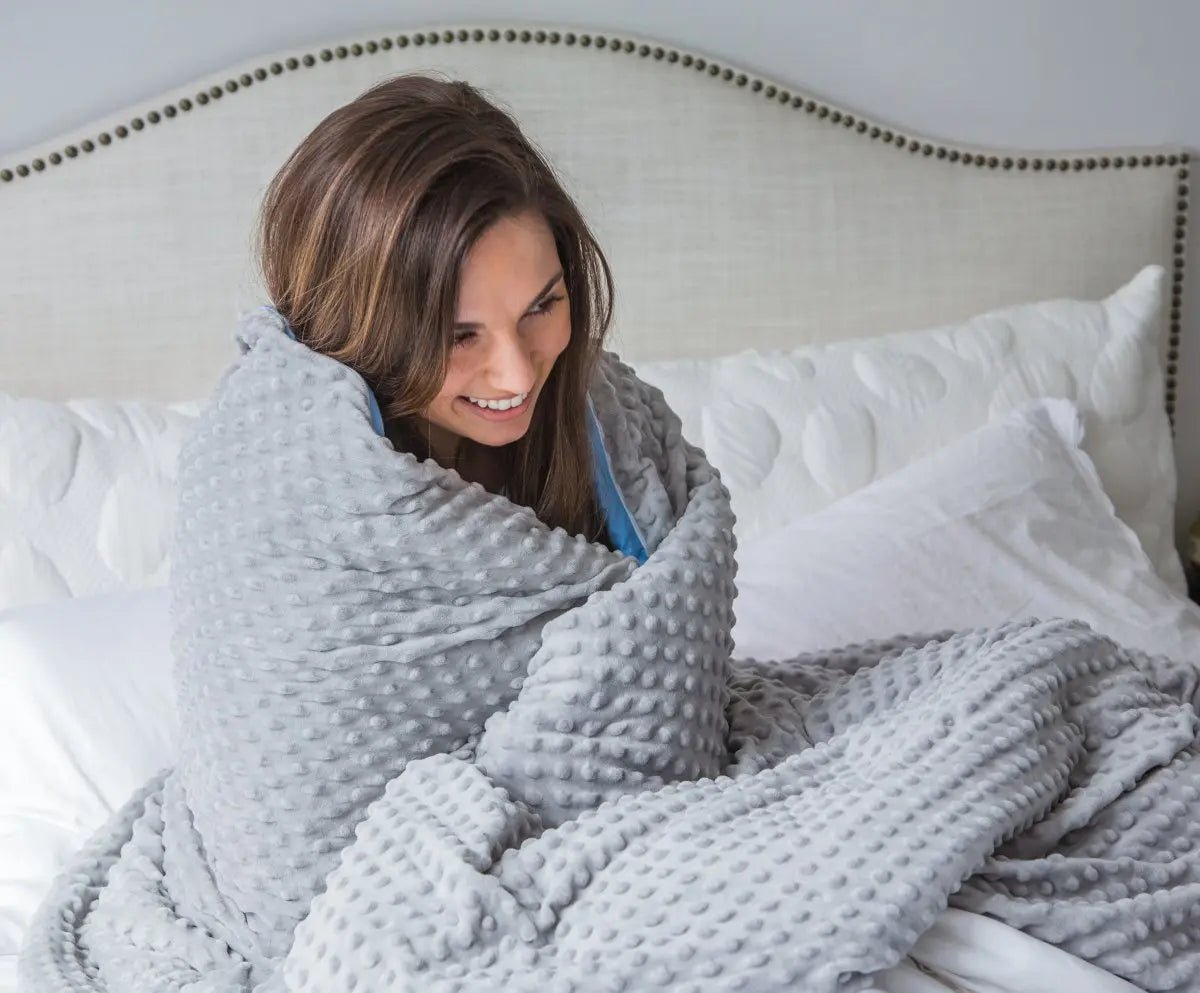
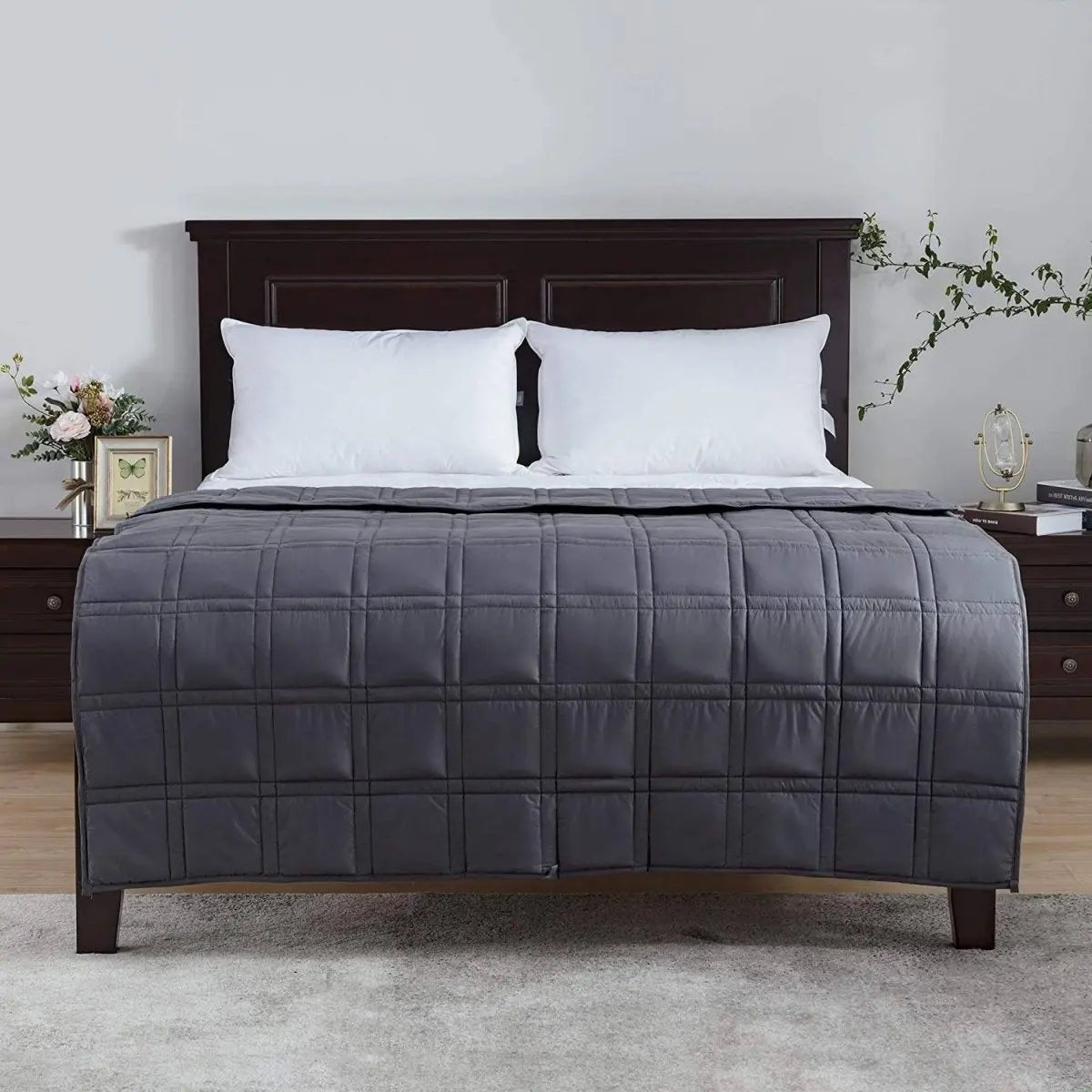
Weighted blankets can support calm and relaxation, but weight and warmth are not the same thing. If you love the grounding feel of a weighted blanket and also sleep hot, fabric choice becomes especially important. Cooling bamboo options or more breathable construction can help you keep the therapeutic comfort without creating excess heat.
What to look for in cooling bedding for hot sleepers
Marketing language around cooling can be vague, so it helps to focus on performance traits rather than buzzwords.
Breathability should come first. If air cannot circulate, heat stays trapped close to the body. Moisture management matters next, especially for anyone dealing with night sweats, stress-related overheating, or temperature shifts during the night. Softness is important too, but it should not come at the expense of airflow.
Certifications can also offer reassurance. OEKO-TEX-certified textiles, for example, can be a meaningful sign for shoppers who care about material safety as much as comfort. For people with sensitive skin or those building a more wellness-focused sleep environment, that extra confidence matters.
It is also worth paying attention to how the bedding is described. Terms like cooling to the touch may sound appealing, but that initial chill is not always the same as sustained breathability. A product can feel cool when you first lie down and still sleep warm by 3 a.m.
When cooling bedding helps most - and when it depends
Some people naturally run hot year-round. Others struggle seasonally, after workouts, during stressful periods, or because of hormonal changes. In all of these cases, cooling bedding can reduce sleep disruption, but the right solution depends on the source of the problem.
If your room is warm, breathable bedding helps, but it will not solve everything without better airflow in the space. If your mattress holds heat, changing only your duvet may not be enough. If anxiety is part of the picture, the answer may be balancing temperature control with a sense of calm and comfort so the bed still feels soothing, not sparse.
That is why hot sleepers often do best with a few targeted upgrades instead of a complete overhaul. Start with the layers touching your skin, then adjust the layers underneath and above you if needed.
A simple way to build a cooler bed
For most people, the most effective setup is surprisingly straightforward: breathable sheets, a temperature-conscious pillowcase, a lighter blanket or duvet, and a mattress surface that does not trap heat.
If your current bed feels heavy or stuffy, strip it back. Remove the extra throw blanket. Swap dense synthetic sheets for bamboo or crisp cotton. Replace a thick topper if it is holding too much warmth. Keep enough coverage to feel comfortable, but not so much insulation that your body has nowhere for heat to go.
This is also where thoughtful product design matters. At Better Sleep, the focus is on bedding that supports comfort in a more therapeutic way - calm, breathable, and easier to live with across seasons rather than overly complicated or trend-driven.
Common mistakes hot sleepers make
One common mistake is choosing bedding based only on softness. Soft can be wonderful, but if the fabric is dense or heavily brushed, it may sleep warmer than expected. Another is layering too much in the name of comfort, then trying to fix overheating by lowering the thermostat alone.
It is also easy to assume that expensive always means cooler. In reality, material and construction matter more than price alone. A well-made bamboo sheet set may outperform a thicker luxury fabric if your priority is airflow and moisture control.
Finally, many people keep heat-trapping bedding longer than they should because they have adapted to poor sleep. If you are waking often, flipping the pillow, or pushing off the covers nightly, your bedding may be part of the problem.
How to choose bedding that still feels comforting
A cooler bed should not feel clinical. The best options still feel soft, quiet, and inviting. This matters because sleep is not just physical - it is sensory. If your bedding helps with temperature but feels rough, noisy, or too light to be comforting, you may not fully relax.
That is why balance matters. Look for materials that breathe well but still feel smooth against the skin. Choose blankets that offer gentle coverage without heaviness. If you rely on weight or texture to wind down, seek out designs that preserve that sense of calm while improving airflow.
For many hot sleepers, that balance is what changes everything. Not icy sheets. Not complicated technology. Just bedding that lets the body settle, release heat naturally, and stay comfortable for longer stretches of the night.
If your bed has become a nightly cycle of throw-off, pull-on, wake up, repeat, start with one breathable layer and build from there. The right cooling bedding does not need to feel dramatic to work. It just needs to help your nights feel easier, quieter, and more restful.


Leave a comment