




OEKO-TEX Certified Bedding for Calmer Sleep
The fabric closest to your skin should feel like one less thing to think about at night. OEKO-TEX certified bedding offers a reassuring starting point for building a softer, more thoughtfully tested sleep space, especially when you are already managing restless nights, temperature changes, or a full household routine.
The label is not a promise that sheets will solve insomnia or that every material choice is identical. What it can offer is meaningful material transparency: a textile tested for a broad range of substances that may be harmful to human health. For bedding you sleep in night after night, that peace of mind has real value.
What OEKO-TEX Certified Bedding Actually Means
When people refer to OEKO-TEX certified bedding, they usually mean bedding certified to STANDARD 100 by OEKO-TEX. This is an independent testing and certification system for textiles. It assesses fabrics, threads, dyes, buttons, zippers, and other components for a long list of regulated and non-regulated substances.
The standard is designed around human contact. Testing considers how a product is used and how closely it sits against the skin. Bedding, pajamas, and other direct-contact textiles are held to stricter limits than items with less skin contact. Products intended for babies are subject to the most stringent product class.
That distinction matters. Your duvet cover may look beautifully finished, but the print, dye, stitching, and closures all contribute to the finished item. A valid certification helps confirm that the components covered by that certification have been evaluated, not simply the base fabric before it became bedding.
Why the Label Can Matter in Your Bedroom
Your bed is where your body comes down from the day. If you are sensitive to fragrances, dyes, or heavily treated fabrics, choosing thoughtfully tested textiles can make your sleep environment feel more settled and predictable.
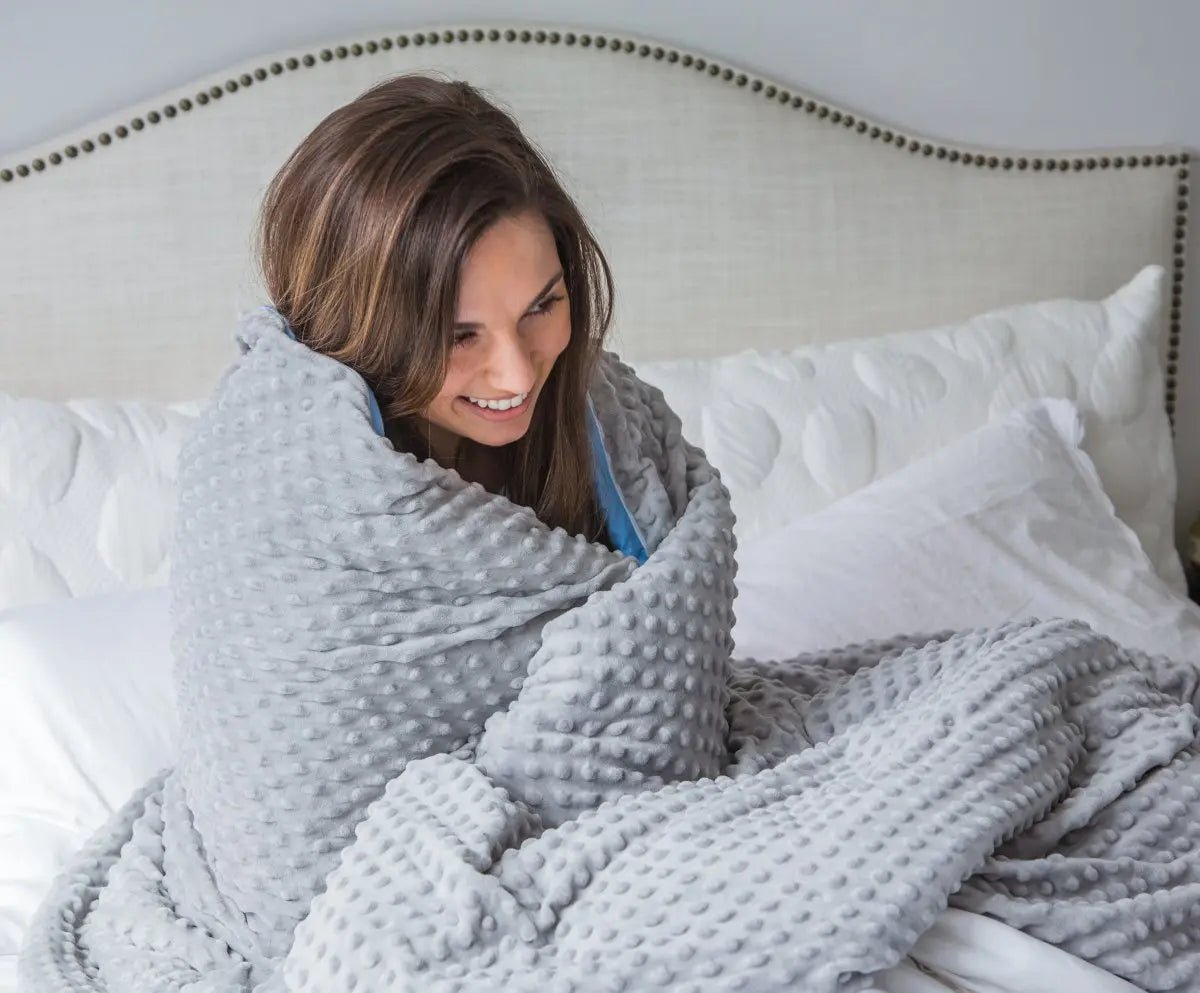
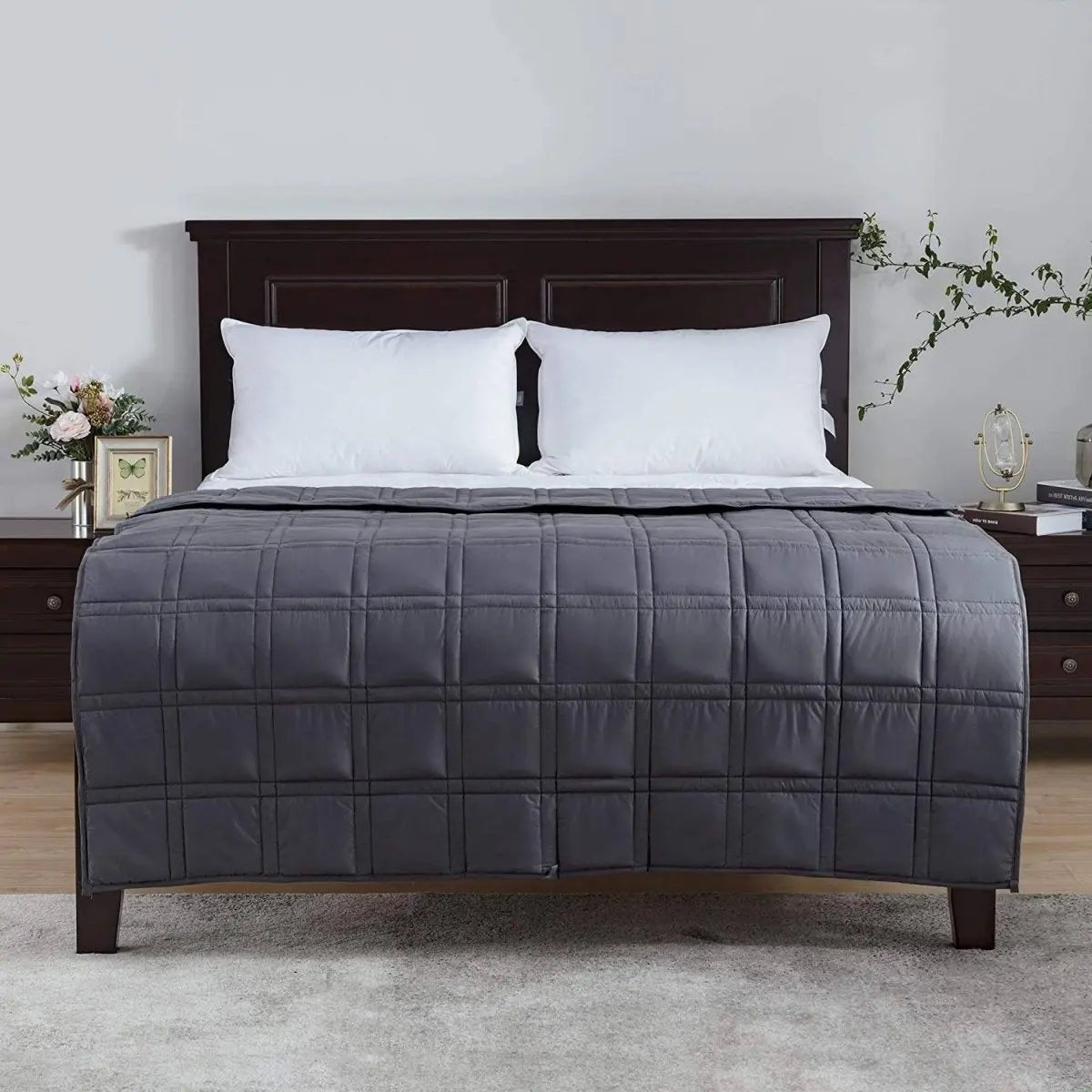
For many households, the appeal is simpler: bedding gets close, constant use. Sheets wrap around you for hours. Pillowcases sit against your face. A weighted blanket or sleep mask may be part of the ritual that signals to your nervous system that it is time to rest. Choosing materials with a recognized safety certification is one practical way to make those everyday comfort pieces feel more considered.
This can be particularly helpful for parents shopping for children, people with sensitive skin, and gift buyers who want their choice to feel genuinely caring. Still, it is best to avoid treating any certification as a medical claim. OEKO-TEX certification does not diagnose, prevent, or treat skin conditions, allergies, anxiety, or sleep disorders. It supports a more mindful foundation for rest.
What the Certification Does Not Tell You
A trusted label is useful, but it is only one part of choosing bedding you will love living with. OEKO-TEX certification is focused on testing for harmful substances. It does not automatically tell you whether a fabric is organic, plastic-free, low-impact in every environmental category, ethically manufactured, or perfect for your preferred sleep temperature.
For example, an OEKO-TEX certified bamboo-derived fabric may feel exceptionally smooth and breathable, but its feel, durability, and care needs may differ from cotton percale or linen. A certified polyester fill can be a sensible choice for a plush, easy-care blanket, though it may not provide the same airy feel as a natural-fiber shell. The right choice depends on what helps you feel comfortable enough to settle in.
Certification also applies to a particular product or component, not necessarily a brand’s entire catalog. Look for clear language on the individual product page or packaging. If a brand says its fabric is certified, that may be different from a claim that the completed duvet cover, sheet set, or blanket is certified.
A quick way to read product claims
Look for the specific wording “STANDARD 100 by OEKO-TEX” or “OEKO-TEX certified,” ideally alongside a certificate number or clear indication of what is certified. Be cautious with vague phrases such as “non-toxic,” “clean,” or “eco-friendly” when no standard is named. Those terms can describe an intention, but they do not offer the same level of third-party verification.
If you are buying a complete bedding set, ask yourself whether the claim refers to the finished product, the fabric, or just one element. This small detail can make a meaningful difference when you are comparing similar-looking options.
Choosing Bedding That Supports Your Sleep Style
The most restorative bed is rarely built around one feature alone. Material testing, texture, temperature regulation, weight, and ease of care all shape how your bed feels at the end of a long day.
Start with temperature. If you tend to wake warm, consider smooth, breathable sheets and a duvet cover that does not trap unnecessary heat. Bamboo-based fabrics are often chosen for their cool-to-the-touch feel and fluid drape, while crisp cotton percale can feel airy and fresh. If you run cold, layering is usually more useful than choosing one very heavy option. A breathable sheet set, an all-season blanket, and a cover you can adjust give you more control across changing seasons.
Then consider sensory comfort. Some sleepers relax with a silky, low-friction pillowcase. Others prefer the familiar structure of cotton or the grounding pressure of a weighted blanket. Your bedding should not create another decision at bedtime. It should make the transition from busy to restful feel easier.
Finally, be realistic about care. The softest fabric is only a good fit if it works with your life. Check washing instructions before you buy, especially for weighted blankets, delicate pillowcases, and oversized comfort pieces. A washable, durable option may be the better long-term choice for families, pet owners, or anyone who wants a low-maintenance routine.
How to Care for Thoughtfully Tested Textiles
OEKO-TEX certified bedding does not require complicated care, but a few habits can help preserve its softness and finish. Wash new bedding before first use, using a gentle detergent and avoiding unnecessary fabric softeners or heavily fragranced products if you have sensitivities. Follow the temperature and drying guidance on the care label rather than assuming every sheet or blanket can be treated the same way.
Avoid overloading the washer, which can leave detergent behind and create extra friction on fibers. For pillowcases and sheets, rotating between two sets gives each one time to rest between washes and makes laundry day feel less disruptive. With specialty items such as weighted blankets, use a removable cover when available. It keeps the part closest to your skin easier to refresh.
A calm bedroom is built through repetition: clean layers, a comfortable temperature, and a texture you look forward to touching. The right bedding does not need to be precious. It should be easy enough to use often and beautiful enough to make rest feel like a priority.
Is OEKO-TEX Certification Worth Prioritizing?
For many shoppers, yes. It is a credible, practical filter when you want more assurance about the textiles in your home without getting lost in marketing language. It is especially worthwhile for bedding because of its long, direct contact with your skin.
But it does not need to be the only filter. A certified sheet set that feels too warm, pills quickly, or requires care you cannot keep up with will not support your routine as well as bedding that balances material integrity with your actual needs. Think of the label as one quiet sign of quality within a larger decision about comfort, durability, and how you want your bedroom to feel.
When your bed is made with soft, dependable layers that suit your body and your evenings, the room begins to ask less of you. That is a meaningful place to start when you are trying to calm your nights and sleep better, naturally.


Laissez un commentaire