




Do Weighted Blankets Help You Sleep?
Some nights, your body is in bed but your nervous system is still pacing. Your mind jumps from tomorrow's to-do list to that text you forgot to answer, and even when you're tired, sleep feels just out of reach. That is usually the moment people start asking a very practical question: do weighted blankets help sleep?
For many people, they can. A weighted blanket is not a magic fix for every sleep problem, but it can be a genuinely helpful tool for calmer nights, especially if stress, anxiety, restlessness, or sensory overload are part of the picture. The key is understanding what a weighted blanket actually does, who it tends to help most, and where the limits are.
Do weighted blankets help sleep for everyone?
The honest answer is no. But they do help many people sleep better, and often for a simple reason: they create a gentle, steady pressure across the body that can feel grounding and soothing.
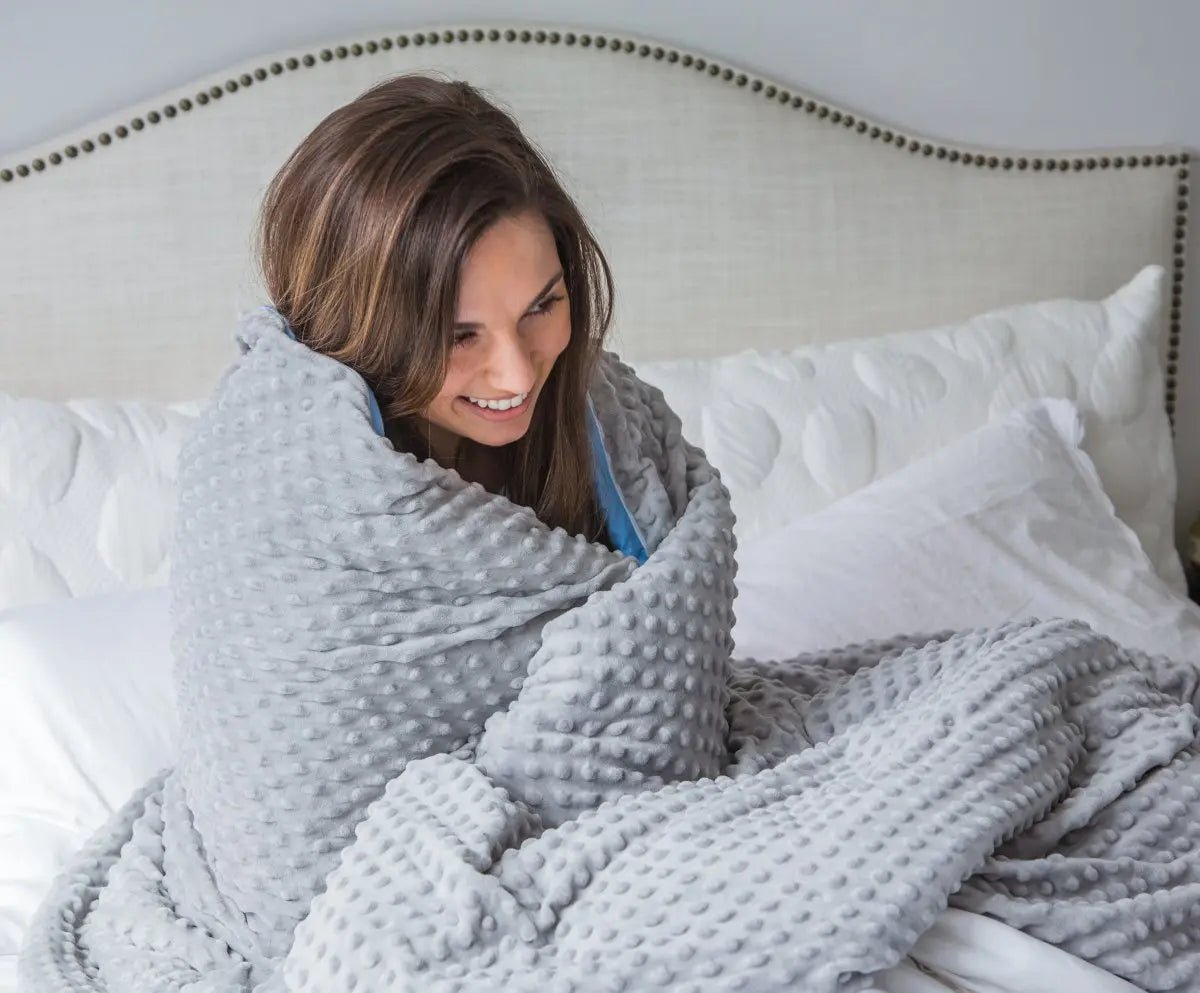
This pressure is often described as deep touch pressure. It is the same basic idea behind the comforting feeling of a firm hug, a swaddle, or even a heavy comforter that makes you feel tucked in and settled. For some sleepers, that sensation can make it easier to relax enough to fall asleep and stay asleep.
If your sleep struggles are tied to stress, a racing mind, or feeling physically restless at night, a weighted blanket may help you feel more secure and less activated at bedtime. That matters because sleep is not only about being tired. It is also about feeling safe and calm enough to let go.
Still, it depends on the person. If you tend to sleep hot, choose a weighted blanket made with breathable materials. If you dislike any feeling of restriction, a weighted blanket may not feel comforting at all. And if your insomnia is driven by pain, sleep apnea, medication changes, or a medical condition, a blanket may support comfort but will not address the root cause.
Why weighted blankets may improve sleep
The biggest benefit people report is not simply heavier bedding. It is a sense of physical calm.
When your body is overstimulated, it can stay in a state of low-level alertness long after you have turned the lights off. A weighted blanket can help reduce that "on edge" feeling by giving the body a consistent sensory cue to settle down. Many sleepers describe feeling less fidgety, less tense, and less likely to toss and turn.
That can lead to a better sleep experience in a few different ways. You may fall asleep faster because your body feels more anchored. You may wake up less often because you are not shifting around as much. And you may simply feel more comfortable, which is sometimes the missing piece for people who struggle to fully relax at night.
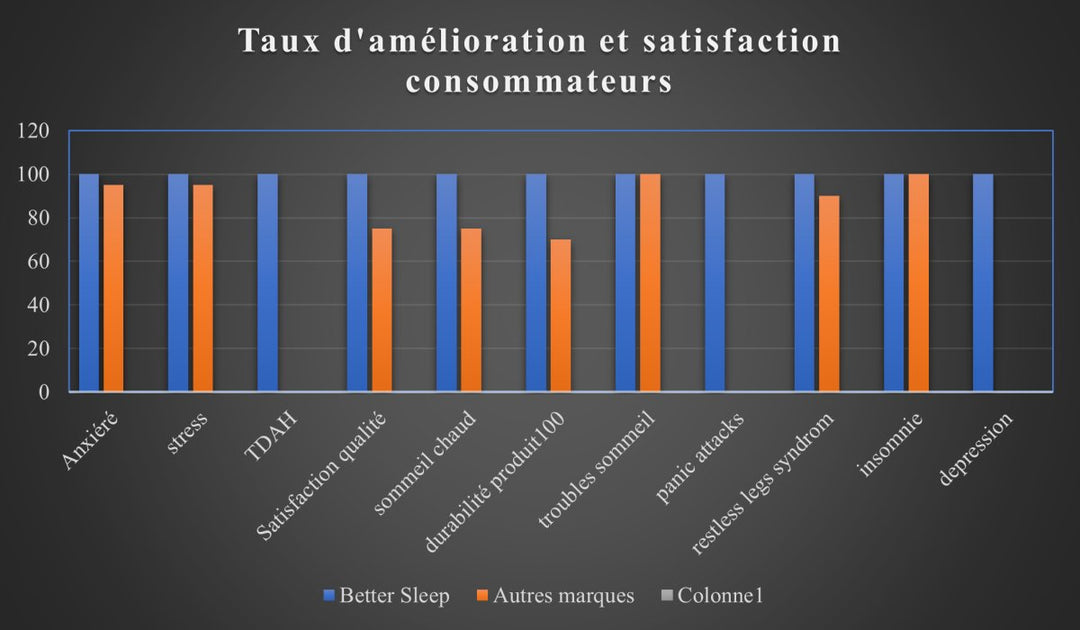
This is one reason weighted blankets are especially popular among adults with anxiety, busy professionals who carry stress into bedtime, and parents who feel mentally overloaded at the end of the day. They can also be helpful for some people with sensory sensitivities who crave more grounding input.
What the research says
Research on weighted blankets is promising, but it is not unlimited. Studies and clinical observations suggest they may help some people feel calmer, sleep more soundly, and experience less nighttime restlessness. They are often discussed in connection with anxiety, insomnia, and sensory regulation.
That said, the evidence is still evolving. Not every study finds dramatic improvements, and sleep is influenced by so many factors that no single product works the same way for everyone. Caffeine habits, stress levels, bedroom temperature, light exposure, pain, hormones, and screen time all matter too.
So the fairest way to say it is this: weighted blankets are not hype, but they are also not a cure-all. They are a supportive sleep tool, and for the right person, that support can feel significant.
Who tends to benefit the most
People who get the most from a weighted blanket usually share one thing in common: their sleep is disrupted by stress or physical restlessness rather than by a purely external issue.
If you have trouble turning your brain off at night, the added pressure can make bedtime feel more contained and less chaotic. If you toss and turn, the blanket may help you feel more settled in one position. If you feel overstimulated after long workdays, parenting demands, travel, or too much screen time, that gentle weight can be a surprisingly effective cue that the day is over.
Weighted blankets can also appeal to people who want a natural, low-effort sleep support option. There is nothing to remember, measure, or take. You simply pull it over you and notice how your body responds.
Parents often ask about weighted blankets for kids too. In some cases, they can be useful for children who need extra calming support, but children's weighted products should be chosen very carefully, with age-appropriate sizing and professional guidance where needed.
When a weighted blanket may not be the right fit
There are situations where a weighted blanket is less likely to help, or where it may not feel comfortable.
If you are a very hot sleeper, a dense or poorly made blanket can make you uncomfortable enough to sleep worse. Breathable construction matters. Materials like bamboo and moisture-wicking fabrics can make a big difference if temperature regulation is one of your biggest sleep issues.
If you have certain health conditions, especially respiratory, circulation, or mobility concerns, it is smart to talk with a healthcare professional before using a weighted blanket. The same goes for very young children.
And there is also personal preference. Some people love feeling cocooned. Others feel trapped. Neither reaction is wrong. Sleep products are deeply personal, which is why a trial period can be so helpful when you are deciding whether a weighted blanket is worth it.
How to choose the right weighted blanket for better sleep
If you are wondering do weighted blankets help sleep, the next question is usually which one to buy. Fit matters more than many people expect.
Weight is the first thing to get right. A common guideline is around 10 percent of your body weight, though comfort should always come first. If you are between options and tend to be sensitive to pressure, going a little lighter may feel better. A blanket that is too heavy can feel awkward instead of calming.
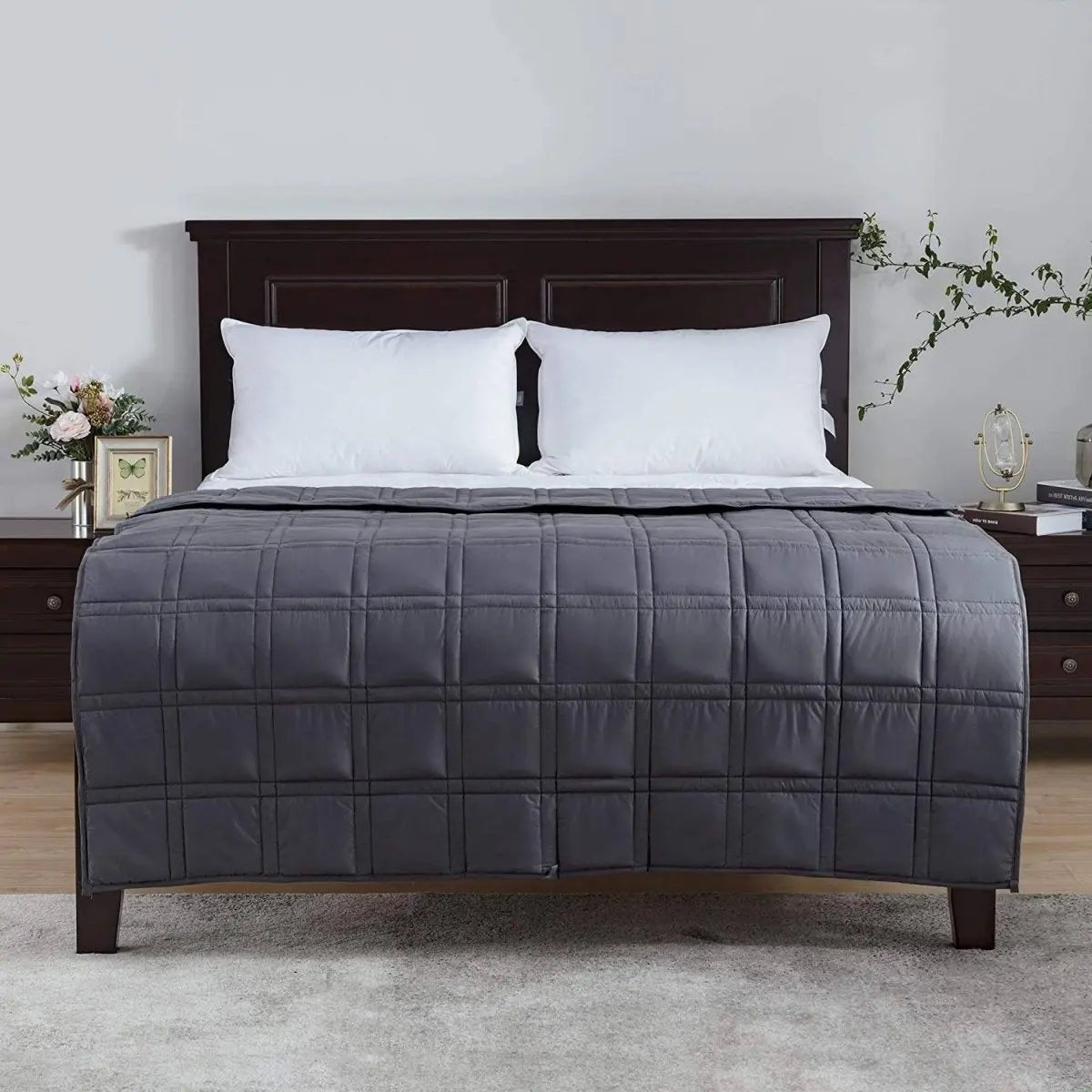
Size matters too. Weighted blankets are typically designed to fit the person, not hang over the sides of the bed like a regular comforter. That helps keep the weight distributed properly.
Then there is temperature. If you run warm, look for breathable, seasonally adaptable options instead of thick fabrics that trap heat. If you want an extra cozy feel in winter, plush textures can be appealing, but they should still feel comfortable enough for real sleep, not just lounging.
The fill and stitching also affect the experience. A quality weighted blanket should feel evenly weighted, not lumpy or shifting. Good construction makes the pressure feel smooth and supportive rather than distracting.
For shoppers who want a more guided experience, Better Sleep offers weighted blanket options for different needs, including cooling, all-season, and extra cozy styles at https://www.better-sleep.ca. That makes it easier to match the blanket to how you actually sleep, not just how it looks online.
Tips for getting used to one
If you have never used a weighted blanket before, give yourself a little adjustment period. Some people love it on night one. Others need a few nights before it starts to feel natural.
Start by using it while reading, watching TV, or winding down before bed. That lets your body get familiar with the sensation in a low-pressure way. If a full night feels like too much at first, use it for part of the night and build from there.
You should feel comforted, not compressed. If you find yourself kicking it off every night, waking up overheated, or feeling restricted, that is useful information. The blanket may be too heavy, too warm, or simply not your preference.
So, do weighted blankets help sleep?
For a lot of people, yes. They can help create the calm, grounded feeling that makes sleep come more easily, especially when anxiety, overstimulation, or restlessness are getting in the way. The effect is not dramatic for everyone, and the right weight, fabric, and construction matter more than marketing claims.
The best way to think about a weighted blanket is not as a cure, but as a sleep support. When it matches your body and your sleep style, it can make bedtime feel less like a battle and more like relief.
If your nights have felt wired, restless, or just harder than they should be, a little more comfort might be more powerful than it sounds.


Leave a comment