




Is a Weighted Blanket for Kids Safe?
Bedtime can feel longest when your child is tired but can’t settle. They’re kicking covers off, asking for one more hug, or waking up at 2 a.m. already overwhelmed. For many parents, that’s when a weighted blanket for kids starts to sound less like a trend and more like a real possibility.
Used the right way, a children’s weighted blanket can feel grounding and comforting. The gentle, even pressure may help some kids relax their bodies, ease into bedtime, and feel more secure during quiet time. But this is also one of those products where fit matters. Age, size, sleep habits, and supervision all make a difference.
If you’re considering one for your child, the goal is simple - more calm, better rest, and a setup that feels safe from the very first night.
What a weighted blanket for kids actually does
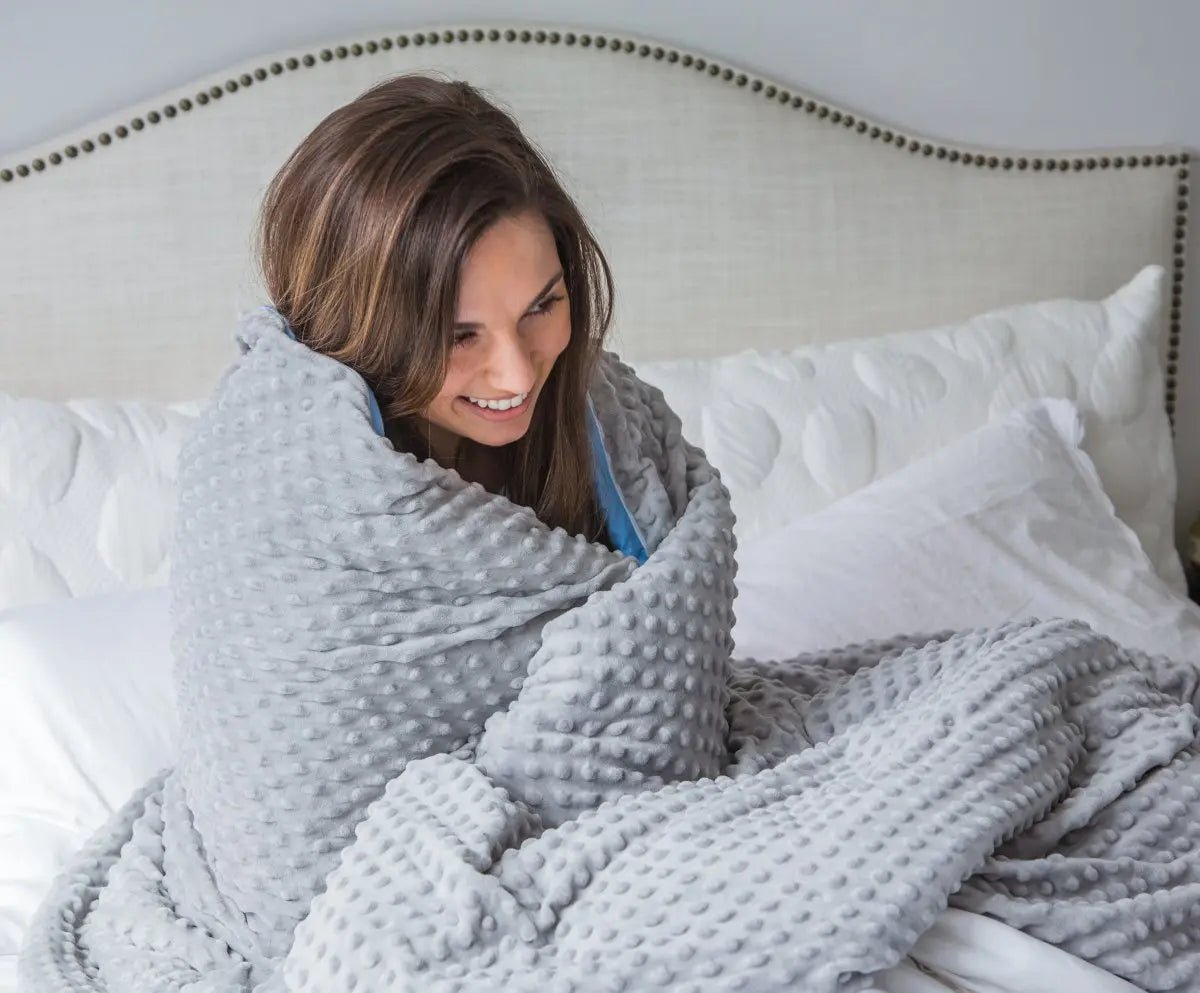
A weighted blanket is designed to apply light, evenly distributed pressure across the body. Many parents describe the feeling as similar to a firm hug. For children who are easily overstimulated, restless at bedtime, or craving extra comfort, that pressure can feel soothing.
This doesn’t mean every child will respond the same way. Some kids settle quickly under added weight, while others prefer lighter layers and more freedom to move. A weighted blanket is not a cure for sleep problems, anxiety, or sensory challenges, but it can be a supportive tool in a calming bedtime routine.
For families, the real benefit is often less about knocking a child out faster and more about helping their body shift into rest mode. That can look like fewer bedtime struggles, less tossing and turning, or an easier transition from busy evenings to quiet sleep.
When kids may benefit most
Some children naturally seek pressure and coziness. Others have a harder time winding down after school, screen time, sports, or emotionally full days. In those cases, a weighted blanket for kids may be worth considering.
It can be especially appealing for children who seem to sleep lightly, wake often, or have trouble staying still long enough to relax. Parents also often explore weighted blankets for sensory-sensitive kids who like compression-style comfort, as long as their pediatrician or therapist feels it’s appropriate.
That said, “may help” is the key phrase here. If your child dislikes restrictive clothing, kicks off every blanket, or gets warm easily, a weighted blanket may not be the best match unless the fabric is especially breathable and the weight is very well chosen.
Safety comes first
This is the most important part. A weighted blanket should never be treated like regular bedding just because it looks cozy.
In general, weighted blankets are not recommended for infants or toddlers. Very young children do not have the strength, awareness, or coordination to move the blanket off independently if they become uncomfortable. For older children, parents should only consider one if their child can remove the blanket on their own without help.
The blanket should never cover your child’s face or head, and it should not be tucked in tightly. Your child needs to be able to shift positions easily throughout the night. If they have respiratory concerns, circulation issues, certain medical conditions, or developmental needs that affect mobility, check with your pediatrician or occupational therapist before using one.
A good rule is this: if there is any doubt about whether your child can use it independently and comfortably, pause and ask a professional first. Calm starts with confidence.
How heavy should a kids weighted blanket be?
This is where many parents get stuck. Heavier is not better.
A common guideline is to choose a blanket that is around 10 percent of your child’s body weight, sometimes with a small adjustment depending on the product and the child’s comfort level. The exact fit can vary, but the blanket should feel gently grounding, not restrictive or hard to move.
If your child is right between sizes, it usually makes sense to stay on the lighter side, especially for a first blanket. You want them to enjoy the sensation, not fight against it. A blanket that is too heavy can feel uncomfortable, trap too much heat, or make bedtime more stressful instead of less.
Size matters too. A weighted blanket for kids should fit the child’s body, not hang far over the sides of the bed like a standard comforter. Too much overhang can cause the blanket to feel heavier than intended.
Fabric and fill matter more than most parents expect
Weight gets most of the attention, but the material plays a big role in whether your child actually uses the blanket.
If your child tends to run hot, breathable fabrics are worth prioritizing. Bamboo-based or moisture-wicking options can feel more comfortable year-round, especially for kids who overheat under dense bedding. If your child wants maximum coziness in colder months, a softer plush or sherpa-style finish may feel more inviting, but temperature should still be part of the decision.
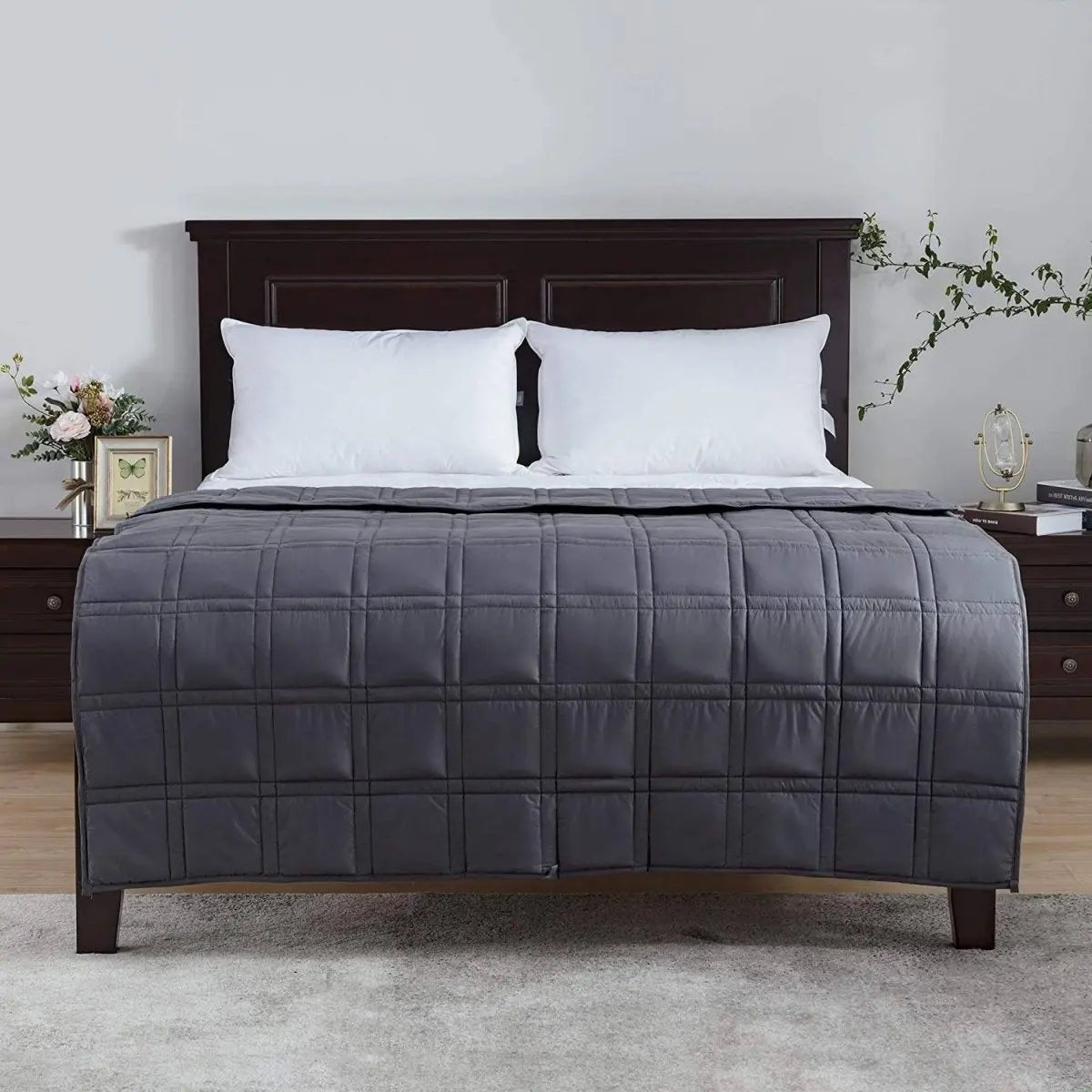
Construction matters as well. Evenly stitched pockets help keep the fill distributed, which creates a more consistent feel across the body. A blanket that bunches or shifts can feel lumpy and distracting. Premium materials and thoughtful construction usually translate into better comfort, better durability, and fewer bedtime complaints.
How to introduce a weighted blanket to your child
The first night doesn’t need to be an all-night commitment. In fact, it’s often better if it isn’t.
Start by letting your child try the blanket during a calm part of the day, like reading time, movie night, or a quiet moment before bed. This gives them a chance to notice how it feels without the pressure of falling asleep. If they like it, you can gradually bring it into the bedtime routine.
Pay attention to their cues. If they seem relaxed, still, and comfortable, that’s a good sign. If they look irritated, too warm, or ask to take it off, listen to that. A weighted blanket should feel reassuring, not forced.
Some families find it works best only during the wind-down portion of bedtime rather than for the entire night. Others use it for naps, quiet time, or post-school decompression. It depends on your child’s sleep style and comfort preferences.
Signs a weighted blanket may not be the right fit
Even a therapist-approved, well-made blanket is not right for every child. If your child consistently pushes it away, complains that it feels too heavy, wakes sweaty, or seems more restless underneath it, that’s useful information.
The same goes for children who move a lot in their sleep and get tangled in bedding easily. In some cases, a lighter calming product or a different sleep support tool may be more effective. The goal is not to make your child adapt to the blanket. The blanket should adapt to your child.
Parents sometimes feel pressure to keep trying because they’ve heard glowing reviews. But sleep products are personal, especially for kids. A successful choice is the one your child actually feels comfortable using.
What parents should look for before buying
A children’s weighted blanket should feel intentionally designed, not like a smaller version of an adult product. Look for clear weight guidance, breathable fabric options, secure stitching, and materials you feel good having close to your child’s skin night after night.
Trust signals matter here too. Brands that focus on sleep wellness, offer easy exchanges, and explain their sizing clearly tend to make the decision easier. If you’re shopping online, product education is part of the product. A retailer like Better Sleep, proudly Canadian and trusted by over 50,000 Canadians, stands out when it combines premium materials with a straightforward shopping experience and family-friendly support.
It also helps to think beyond the blanket itself. If your child sleeps hot, the best results may come from pairing a weighted blanket with breathable bedding. If they struggle mostly with bedtime anxiety, a consistent routine, lower evening stimulation, and a calming comfort item may all work together better than any single product alone.
The real question to ask
Instead of asking whether a weighted blanket for kids is good or bad, ask whether it fits your child.
The right blanket can offer a sense of calm that feels immediate and natural. The wrong one can sit folded at the foot of the bed after two nights. When parents choose carefully, start slowly, and keep safety at the center, a weighted blanket can become one of those small changes that makes evenings feel softer and sleep come easier.
If your child is craving comfort at bedtime, that’s worth paying attention to. Sometimes better rest starts with giving their body the gentle reassurance it’s been asking for.

Leave a comment