



Are Bamboo Sheets Good for Allergies at Home?
A stuffy nose at bedtime, itchy skin after waking, or a mattress that seems to hold onto every sneeze can make rest feel harder than it should. So, are bamboo sheets good for allergies? They can be a thoughtful choice for a more comfortable sleep environment, especially for people who run warm, have sensitive skin, or want bedding that manages moisture well. But sheets alone cannot remove the underlying triggers behind allergies.
The most helpful approach is simple: choose comfortable, easy-to-wash bedding and pair it with a consistent bedroom-cleaning routine. Bamboo sheets may support that routine beautifully, but the details of the fabric and its care matter.
Are bamboo sheets good for allergies?
Bamboo sheets are often described as hypoallergenic, but that term can be misleading. No sheet set can promise that it will prevent an allergic reaction for every sleeper. Seasonal pollen, pet dander, mold, dust mites, laundry fragrance, and certain textile finishes can all contribute to symptoms.
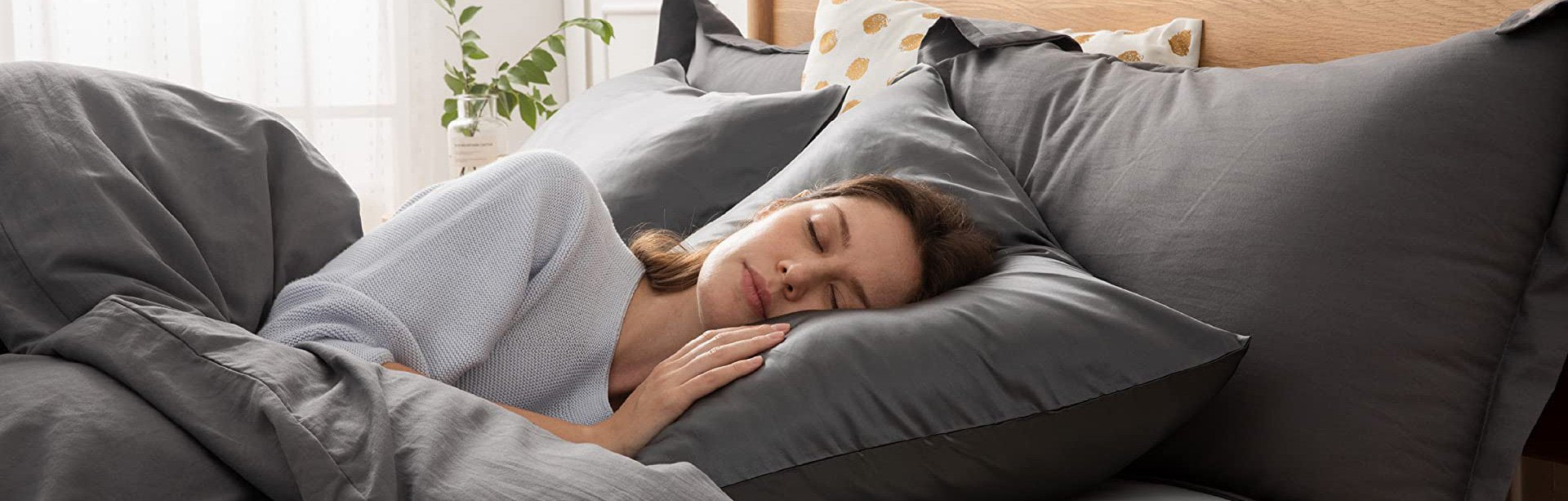
What bamboo-derived fabrics may offer is a smoother, breathable surface that feels gentle against sensitive skin. Many people also appreciate how bamboo sheets help move moisture away from the body. When your bedding feels less damp and overheated overnight, you may be less likely to wake feeling clammy, irritated, or restless.
That comfort matters when allergies are already disrupting your sleep. A cooler, softer bed will not cure congestion, but it can make the hours you spend resting feel calmer and less aggravating.
Why fabric can make a difference
Most bamboo sheets are not made from raw bamboo fibers woven directly into fabric. They are commonly made from bamboo viscose, bamboo rayon, or bamboo lyocell. These materials are created by processing bamboo into a soft, fine textile fiber.
The final feel depends on more than the word “bamboo” on the label. Fiber quality, weave, dyes, finishing treatments, and how the sheets are washed all affect their performance. A well-made bamboo sheet set is usually exceptionally smooth, lightweight, and breathable. Those qualities can be especially appealing if you have eczema-prone or easily irritated skin.
Smooth fabrics create less friction than rougher bedding, which may feel more soothing when skin is dry or reactive. Breathability is another benefit for hot sleepers. Heat and sweat do not cause allergies, but they can make skin discomfort and nighttime wake-ups feel worse.
Moisture management may help create a less inviting bed
Dust mites are one of the most common indoor allergy triggers. They thrive in warm, humid spaces and feed on the skin flakes naturally shed by people and pets. Bamboo sheets can help moisture move away from the body, which may help your bed feel drier and fresher between washes.
Still, this is where expectations need to stay realistic. Moisture-wicking sheets are not a dust-mite treatment. Dust mites can live in any bedding that is not washed regularly, including bamboo, cotton, linen, and synthetic fabrics. The most meaningful defense is laundering your sheets, pillowcases, and bedding on a dependable schedule.
The benefits that matter most for sensitive sleepers
For allergy-aware shoppers, bamboo sheets are often less about making a medical claim and more about reducing everyday sources of discomfort. Their soft hand feel can be welcome for people who dislike the scratchy, stiff sensation of some traditional sheets. Their temperature-regulating feel can also support more settled sleep for those who tend to overheat.
Bamboo fabrics are often naturally resistant to odors when kept clean and dry. That can be a small but meaningful advantage in a busy household, particularly if your bedroom is shared with pets, children, or a partner with different sleep needs.
Look for bedding that is free from harsh chemical finishes and independently tested for harmful substances. OEKO-TEX-certified textiles, for example, offer extra reassurance that the finished fabric has been tested against a list of concerning substances. For someone with sensitive skin, that level of material transparency can be as valuable as the fiber itself.
What bamboo sheets cannot do
Bamboo sheets should not replace allergy medication, an air purifier, a mattress or pillow protector, or guidance from a healthcare professional when symptoms are persistent. If you wake with ongoing wheezing, hives, facial swelling, or severe congestion, it is worth speaking with a clinician rather than relying on a bedding change alone.
They also may not be the best choice for every concern. Some people react to dyes, detergents, fragrances, or fabric-softening products rather than the sheet fiber. Others find that a tightly woven cotton percale feels crisper and easier to maintain. If your priority is managing diagnosed dust-mite allergies, allergen-barrier covers for the mattress and pillows are generally more impactful than the fabric of your top sheet.
Bamboo bedding can also require gentler care than basic cotton. High heat, bleach, and aggressive washing may weaken the fibers over time. That is a reasonable trade-off for many sleepers, but it is worth knowing before you buy.
How to choose bamboo sheets for allergies
Start with the information behind the label. A clear description should tell you whether the fabric is bamboo viscose, rayon, lyocell, or a blend. It should also provide straightforward care guidance and disclose any certifications.
Choose a fitted sheet with a secure fit for your mattress depth. Sheets that stay smooth and in place are easier to wash, more comfortable through the night, and less likely to bunch around the body. If you sleep hot, favor a lightweight, breathable weave over an overly heavy or brushed finish.
Color can be a personal choice, but sensitive sleepers may prefer fabrics made without heavy fragrance treatments or unnecessary finishing agents. A simple, well-made sheet set in a soothing neutral can bring the bedroom back to what it should be: a place to settle, not another source of sensory overload.
At Better Sleep, cooling bamboo bedding is designed around that balance of soft comfort, breathability, and everyday ease - a refined layer for nights when temperature sensitivity and stress both need a little more care.
A washing routine that supports better rest
Even the softest sheets need regular laundering to support an allergy-conscious bedroom. Wash sheets and pillowcases about once a week. During peak allergy season, after illness, or if pets sleep on the bed, washing more often may help you feel more comfortable.
Use a fragrance-free detergent if scents tend to bother your skin or breathing. Skip fabric softener and dryer sheets, which can leave residue behind and may reduce the moisture-managing performance of some fabrics. Follow the sheet label for water temperature and drying instructions. When appropriate for the fabric, a warm wash can help remove body oils, pollen, and common household allergens.
Do not forget the items beneath the sheets. Wash duvet covers regularly, vacuum the mattress surface, and use washable protectors on pillows and mattresses. Keeping bedroom humidity moderate, changing clothes after high-pollen days, and keeping pets off the bed when possible can also make a noticeable difference.
Common questions about bamboo sheets and allergies
Are bamboo sheets better than cotton for allergies?
Not automatically. Both can work well when they are washed regularly and made without irritating finishes. Bamboo may feel softer and cooler for some sleepers, while cotton can be more durable and may tolerate hotter washes. The better choice is the one you can comfortably maintain and that does not irritate your skin.
Can dust mites live in bamboo sheets?
Yes. Dust mites can live in bedding made from nearly any fiber. Bamboo sheets may feel drier and cooler, but regular washing and protective encasements are still the most reliable ways to reduce dust-mite exposure.
Are bamboo sheets good for eczema?
Their smooth, breathable feel may be more comfortable for some people with eczema-prone skin. However, eczema triggers vary widely. Choose gentle, certified fabrics, wash with fragrance-free detergent, and follow your dermatologist’s advice for persistent flare-ups.
A bed does not need to solve every allergy trigger to make a meaningful difference. Start with the layer closest to your skin, keep it clean, choose materials that help you stay comfortably cool, and let your sleep space become one less thing your body has to work against.

Leave a comment