



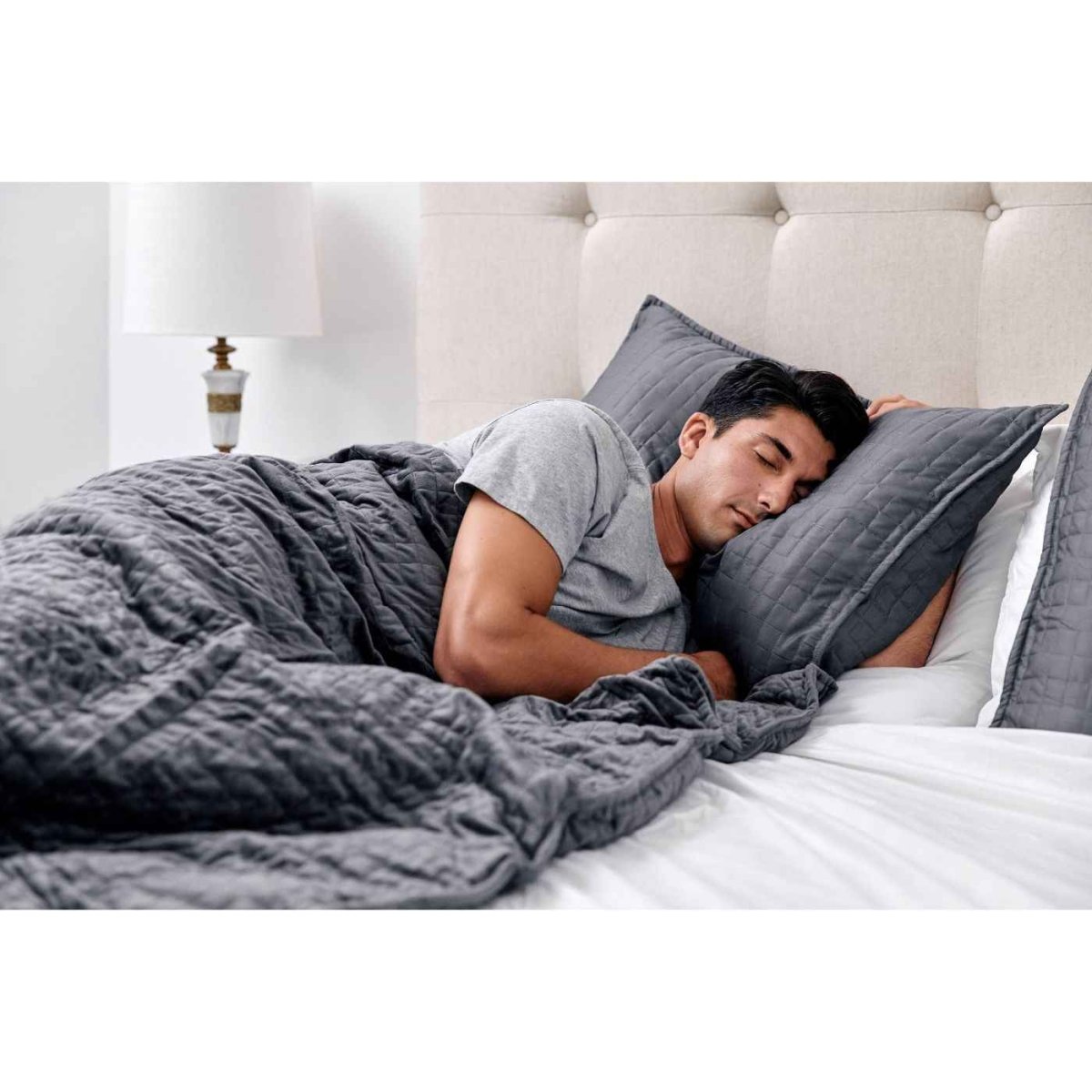
Are Weighted Blankets Safe Overnight?
Some people know within five minutes that a weighted blanket feels right. Others love the calming pressure at first, then pause before bedtime and wonder: are weighted blankets safe overnight?
For most healthy adults, the answer is yes - as long as the blanket is the right weight, breathable, and used as intended. But this is one of those sleep questions where the details matter. Age, body size, medical conditions, mobility, and temperature all affect whether overnight use feels restorative or uncomfortable.
Are weighted blankets safe overnight for adults?
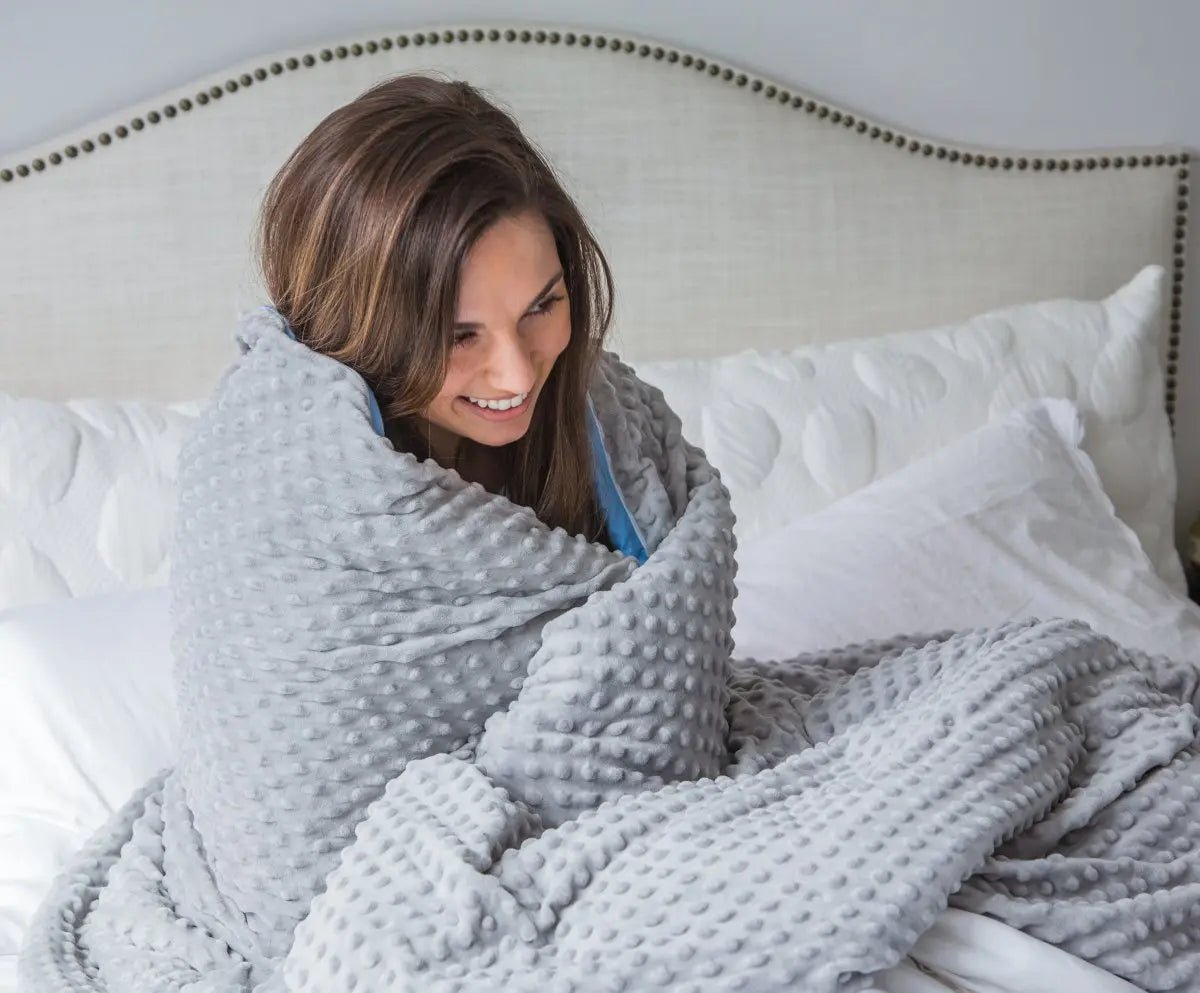
In general, weighted blankets are considered safe for overnight use by most adults who can move the blanket on their own and adjust their sleeping position without difficulty. The gentle, even pressure is designed to feel grounding, which is why so many people turn to them when stress, racing thoughts, or restlessness make it harder to settle.
That said, safe does not mean one-size-fits-all. A blanket that is too heavy can feel restrictive rather than calming. A blanket made with dense, heat-trapping materials may also become uncomfortable during the night, especially for hot sleepers. The safest overnight experience usually comes down to three things: appropriate weight, breathable construction, and the user's ability to remove the blanket easily.
For many adults, the commonly recommended range is around 8 to 12 percent of body weight. That range is a starting point, not a strict rule. Some people prefer a slightly lighter feel, especially if they are new to weighted sleep products or tend to change positions often.
What makes a weighted blanket feel safe at night?
Overnight comfort is not just about the number on the label. It is about how the blanket behaves while you sleep.
The right weight should feel secure, not confining
A weighted blanket should rest gently across the body. You should be able to shift, roll over, and lift it off without strain. If it feels hard to move under, presses too heavily on the chest, or leaves you feeling trapped, it is too heavy for overnight use.
This is especially important for side sleepers and anyone with a smaller frame. A heavy blanket may technically fit a general weight guideline but still feel like too much once you are lying still for several hours.
Breathability matters more than many people expect
A blanket can be the right weight and still not be the right fit for overnight use if it sleeps hot. Overheating can disrupt sleep quality, increase sweating, and leave you waking up uncomfortable. That is why breathable fills and fabrics matter, particularly if you already run warm or share a bed.
Cooling bamboo, moisture-wicking covers, and evenly distributed glass bead fill tend to feel more balanced through the night than bulky synthetic constructions. If your goal is deeper rest, temperature regulation is part of safety and comfort - not a separate feature.
Even weight distribution helps reduce pressure points
A well-made weighted blanket should feel smooth and stable across the body. If the fill shifts into corners or bunches in sections, the pressure can become uneven. That can make the blanket feel heavier in certain spots and lighter in others, which is not ideal for overnight rest.
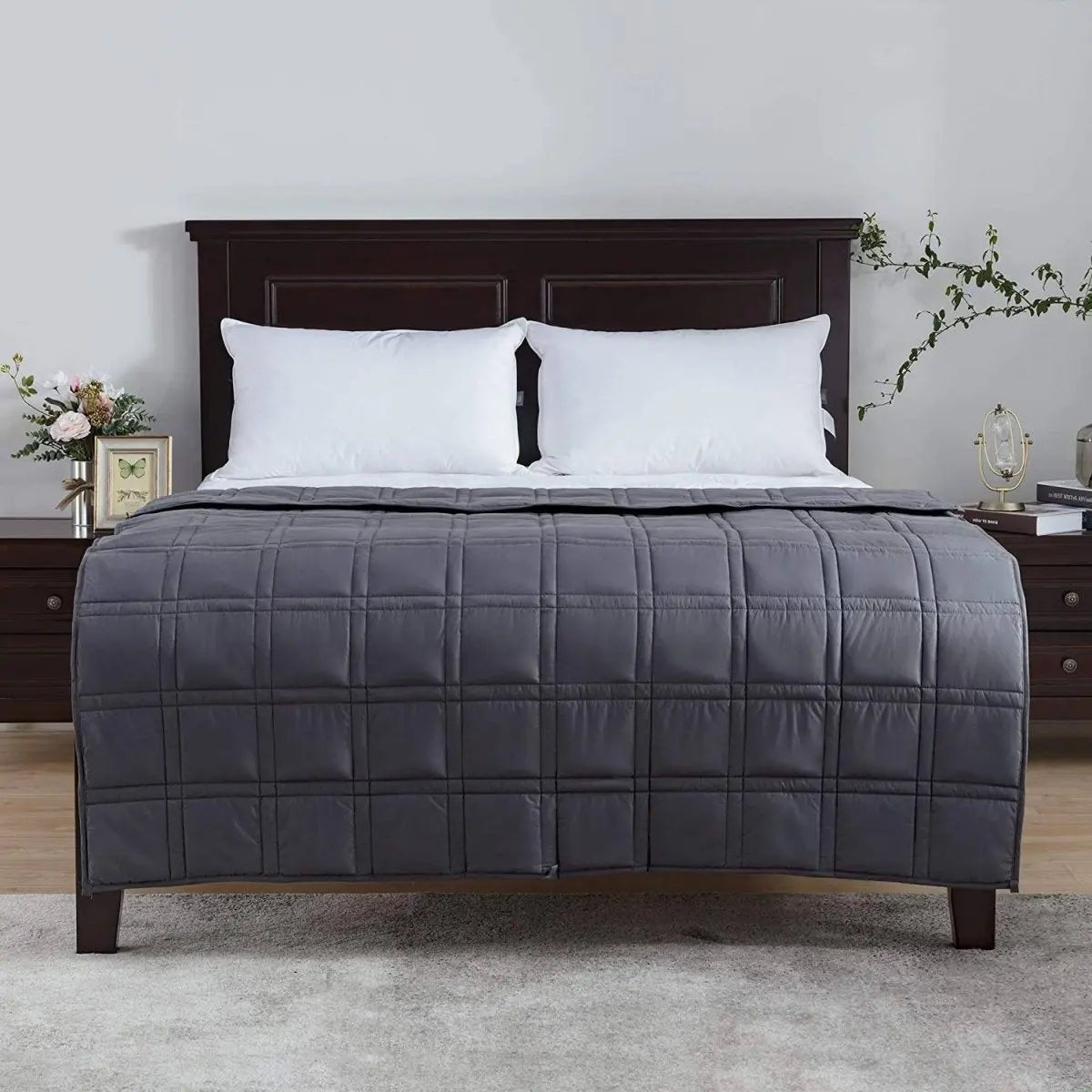
A quilted design that keeps weight evenly distributed generally offers a more supportive, calming feel.
When a weighted blanket may not be safe overnight
This is where the answer becomes more personal. Weighted blankets are not appropriate for everyone.
Adults with certain respiratory, circulatory, or mobility concerns should speak with a healthcare provider before using one overnight. The same applies to anyone with sleep apnea, asthma that is not well controlled, claustrophobia, chronic pain conditions that make pressure uncomfortable, or limited strength that could make it difficult to remove the blanket during sleep.
If you are recovering from surgery, dealing with an injury, or managing a condition that affects movement, a weighted blanket may not be the best overnight option until you have medical guidance.
Pregnancy can also change what feels comfortable. Some people still enjoy gentle pressure on the legs or lower body, while others find any extra weight uncomfortable as sleep positions shift. It depends on the person, but comfort and easy movement should guide the decision.
Are weighted blankets safe overnight for kids?
For children, the safety conversation is more specific.
Weighted blankets should never be used for infants or toddlers. They are not safe for babies under any circumstance, including naps or overnight sleep. Young children do not have the strength or awareness to reposition the blanket safely.
For older children, a weighted blanket should only be used when the child is developmentally able to remove it independently and when the weight is clearly appropriate for their size. Parents should also consider whether the child sleeps hot, moves around a lot, or becomes distressed by restrictive textures.
If a child has a medical condition, sensory needs, or developmental differences, it is best to check with an occupational therapist, pediatrician, or another qualified provider before introducing overnight use. In many cases, weighted blankets can be supportive, but the fit must be thoughtful.
Signs your weighted blanket is too heavy
Sometimes the clearest safety signal is simply how your body responds.
If you wake up feeling sore, short of breath, overheated, or unusually restless, your blanket may be too heavy or too warm. The same is true if you find yourself kicking it off repeatedly or avoiding it at bedtime because it feels like too much effort.
A weighted blanket should support calmer sleep, not become another thing your body has to manage. Gentle pressure tends to feel settling. Excess pressure feels distracting.
How to use a weighted blanket safely overnight
If you are new to weighted sleep products, there is no need to force an all-night adjustment on the first night. Start by using the blanket for shorter stretches while reading, winding down, or resting before bed. This gives your body a chance to get familiar with the sensation.
When you do use it overnight, keep it laid over the body rather than wrapped tightly around you. It should sit on top like a blanket, not like compression. Make sure your face and neck stay clear, and avoid layering so many heavy covers that you overheat.
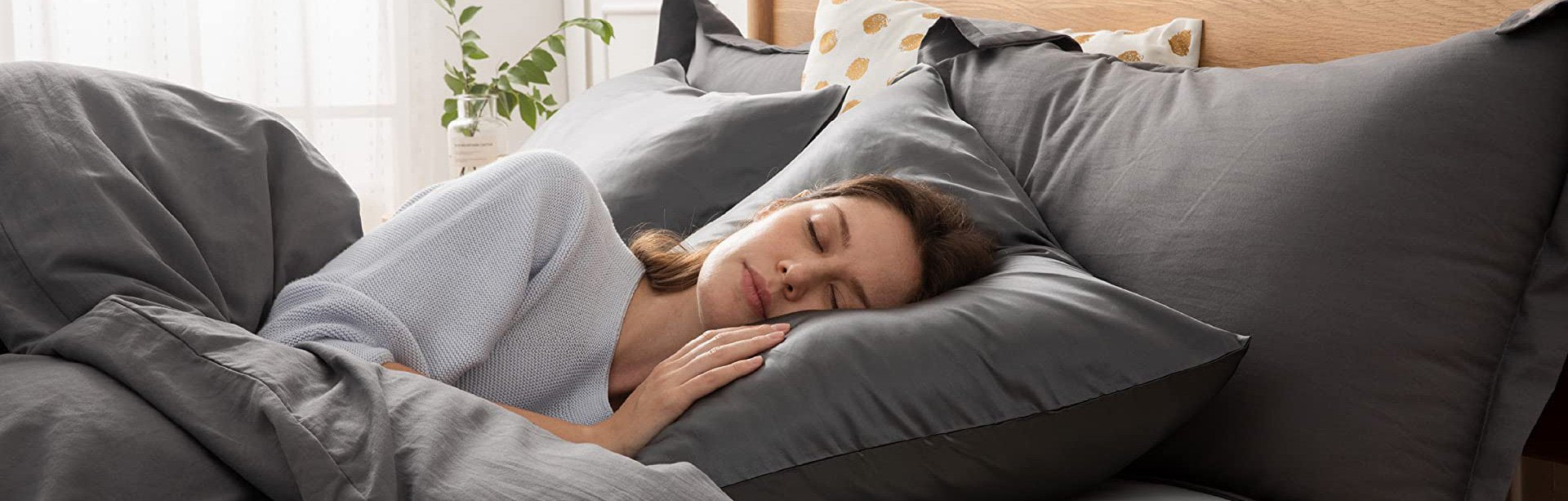
It also helps to pair the blanket with breathable bedding. A cooling sheet set or lighter duvet can make the whole sleep setup feel more balanced. Better Sleep often sees this with customers who want the calming feel of weight without the trapped-heat effect that some traditional blankets create.
Choosing the safest blanket for overnight sleep
If overnight use is your goal, a few product details are worth paying attention to before you buy.
Weight is first, but not in isolation. Fabric, fill, stitching, and overall dimensions all affect how the blanket performs in bed. A premium weighted blanket should feel substantial without feeling bulky. It should breathe well, drape comfortably, and stay evenly balanced through movement.
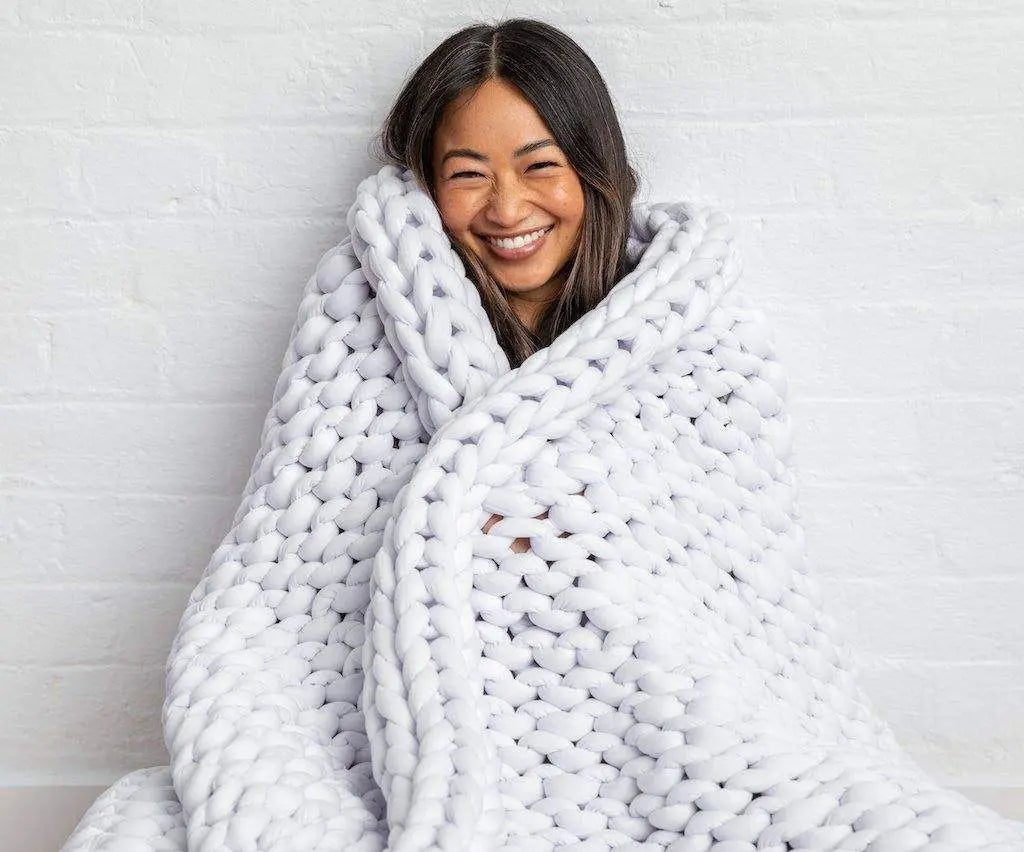
This is also why smaller throw-style weighted blankets and full-bed weighted blankets serve different purposes. A throw may be perfect for the couch or for targeted calm before bed, while a bed-size option may make more sense if you want full overnight coverage. The safest choice is the one that matches how you actually sleep.
For couples, individual use is often more comfortable than sharing one weighted blanket across the bed. Different body sizes and sleep temperatures can make a shared weighted blanket feel awkward fast.
The real answer: safe for many, but not for everyone
So, are weighted blankets safe overnight? For many adults, yes. They can be a reassuring part of a nighttime routine and a helpful support for deeper, more settled sleep. But safety depends on choosing the right weight, using breathable materials, and paying attention to your body's response.
If a blanket feels calming, easy to move, and comfortable through the night, that is a strong sign you are in the right range. If it feels too hot, too heavy, or physically restrictive, lighter or more breathable is usually the better direction.
Sleep products should make bedtime feel simpler, not more complicated. The best weighted blanket is the one that helps you exhale, settle in, and feel supported from the moment the lights go out.

Leave a comment