


Best Bedding for Night Sweats That Works
Waking up hot at 2 a.m. can turn even a beautiful bed into a source of frustration. If you're searching for the best bedding for night sweats, the goal is not a bed that feels cold for five minutes. It's a sleep setup that stays breathable, manages moisture, and helps your body settle back into a comfortable rhythm.
Night sweats can come from many places - hormones, stress, medications, room temperature, or simply running warm. That means the right bedding is rarely about one miracle product. More often, better sleep comes from choosing the right fabrics, reducing heat traps, and building layers that adapt with you through the night.
What actually makes bedding good for hot sleepers?
The best bedding for night sweats does two things at once. It allows heat to escape, and it moves moisture away from the skin so you don't wake up damp and uncomfortable.
Those are not always the same thing. Some materials feel cool at first touch but don't breathe well once you're under them. Others are highly breathable but may not feel silky or crisp in the way some sleepers prefer. This is where fabric choice matters more than marketing language.
A good rule is to look for natural or moisture-managing fibers, lighter fills, and a bed that can be adjusted in layers. Heavy, tightly woven, synthetic bedding often holds onto warmth and humidity. That can leave you trapped between overheating and waking chilled after sweat cools on your skin.
Best bedding for night sweats by category
Sheets: start with breathability first
If you only change one part of your bed, make it your sheets. They sit closest to your skin, and they shape how heat and moisture move all night.
Bamboo-derived fabrics are a strong choice for many hot sleepers because they feel smooth, breathable, and naturally gentle against sensitive skin. They tend to manage moisture well, which matters when the issue isn't just heat, but dampness. For people who want bedding that feels calm and soft rather than crisp, bamboo often strikes the right balance.
Cotton can also work well, especially in percale. Percale cotton has a lighter, airier weave that feels cooler and less insulating than sateen. If you love the hotel-sheet feel, percale is usually the safer route for night sweats. Sateen is softer and drapier, but it often sleeps warmer.
Linen is another excellent option, especially if your bedroom tends to run warm year-round. It breathes exceptionally well and gets softer over time. The trade-off is texture. Some people love its relaxed feel immediately, while others find it rougher than bamboo or cotton at first.
Mattress protector: the hidden heat trap
Many people upgrade their sheets and comforter but forget the layer directly under them. A mattress protector can quietly undo every cooling benefit above it.
Traditional waterproof protectors with plastic-like backing tend to trap heat and humidity. If you need spill protection, look for one specifically designed to be breathable. Better yet, choose the thinnest effective version you can. If your main concern is heat rather than accidents or allergies, skipping a heavy protector may improve comfort more than changing your duvet.
Mattress topper: comfort matters, but airflow does too
Memory foam toppers are popular because they cushion pressure points, but dense foam often retains body heat. If you already sleep hot, adding a thick foam layer can make night sweats worse.
A lighter, more breathable topper can be a better fit. Look for options designed with airflow in mind or made from naturally cooler materials. The feel of your mattress matters here too. If your bed is already soft and warm, adding more insulation on top usually works against you.
Duvet inserts and comforters: lighter is often better
For night sweats, the fill inside your duvet matters just as much as the cover. Heavy down-alternative inserts can feel cozy at bedtime and suffocating by 3 a.m.
A lightweight insert is often the better year-round choice, even for people who think they need a thick comforter to sleep well. The sense of comfort many people want is not always warmth. Sometimes it's gentle pressure, softness, or the feeling of being tucked in. Those can come from breathable layers instead of bulk.
If you like sleeping with a duvet, choose a lighter fill and pair it with a breathable cover. If your temperature changes through the night, layered blankets often work better than one thick top layer because you can adjust without fully waking up.
Duvet covers and blankets: don't ignore the outer layer
Even the best insert can sleep warm if it's wrapped in the wrong fabric. A duvet cover made from bamboo, percale cotton, or linen will usually feel noticeably better than a dense microfiber cover.
The same goes for blankets. Loose weaves and breathable fibers help release heat. Plush fleece and sherpa can feel comforting in winter, but they are rarely ideal for active night sweats unless your room is quite cold.
The materials to look for - and the ones to be careful with
Bamboo is one of the most dependable choices for people who want softness, breathability, and moisture management in one fabric. It feels refined, not clinical, which makes it especially appealing if you want your sleep space to feel restorative as well as functional.
Cotton percale is reliable, familiar, and widely comfortable. It may not feel as silky as bamboo, but it offers excellent airflow and a clean, crisp finish.
Linen is especially useful for very warm sleepers or humid climates. It is breathable and durable, though more textured.
Microfiber and polyester blends are where caution helps. They can be affordable and soft at first touch, but they often hold heat more than natural fibers. That doesn't mean every synthetic is wrong, but if night sweats are your main issue, these fabrics are less often the answer.
How to build a bed that stays cooler all night
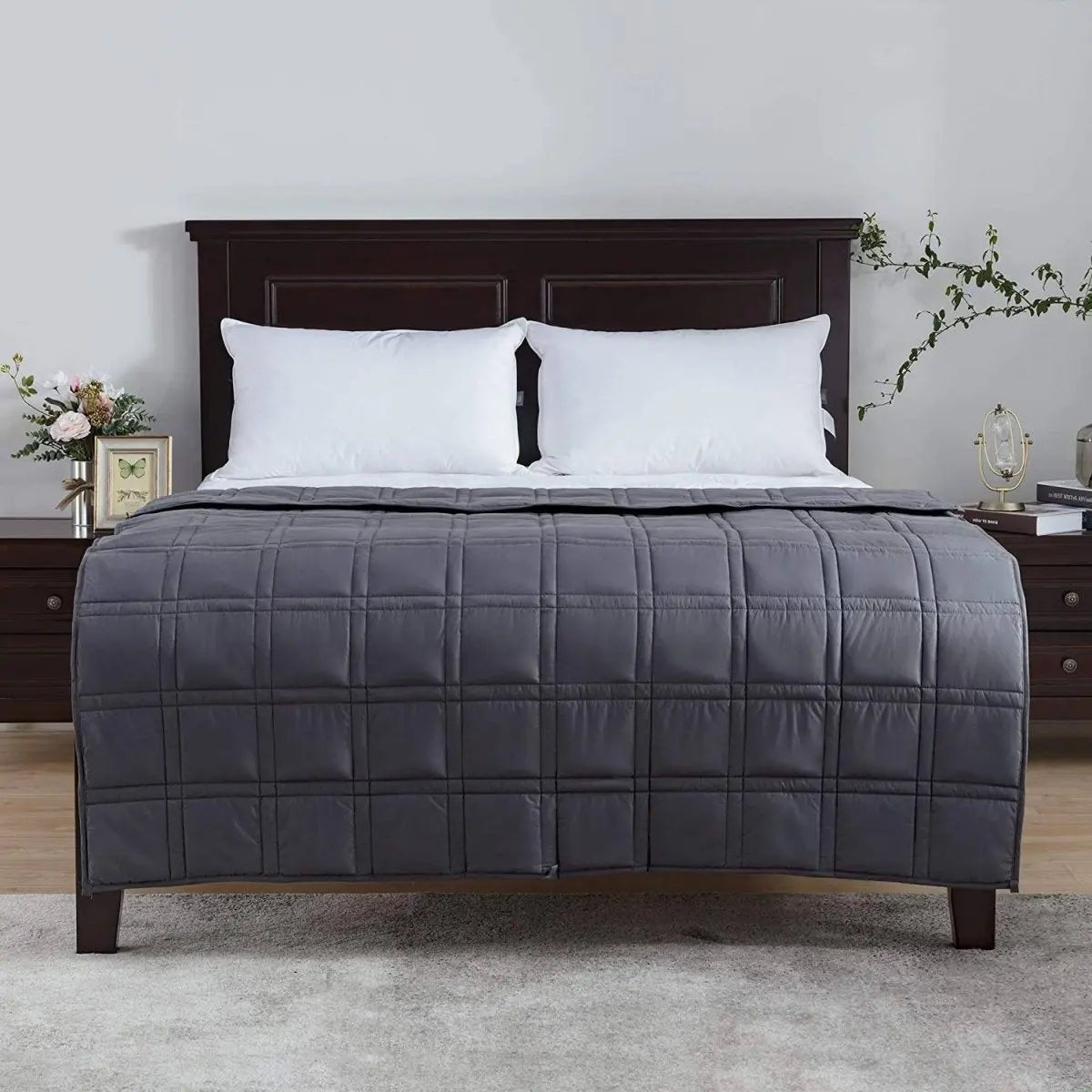
Think in layers, not in one hero product. A breathable fitted sheet, a light top sheet if you like one, a lightweight duvet insert, and a moisture-friendly duvet cover create more flexibility than a single heavy comforter.
This matters because body temperature is not static. You might feel chilly when you first get into bed and overheated later. Layering lets you respond without disrupting sleep. It also gives couples more options when one person sleeps hot and the other doesn't.
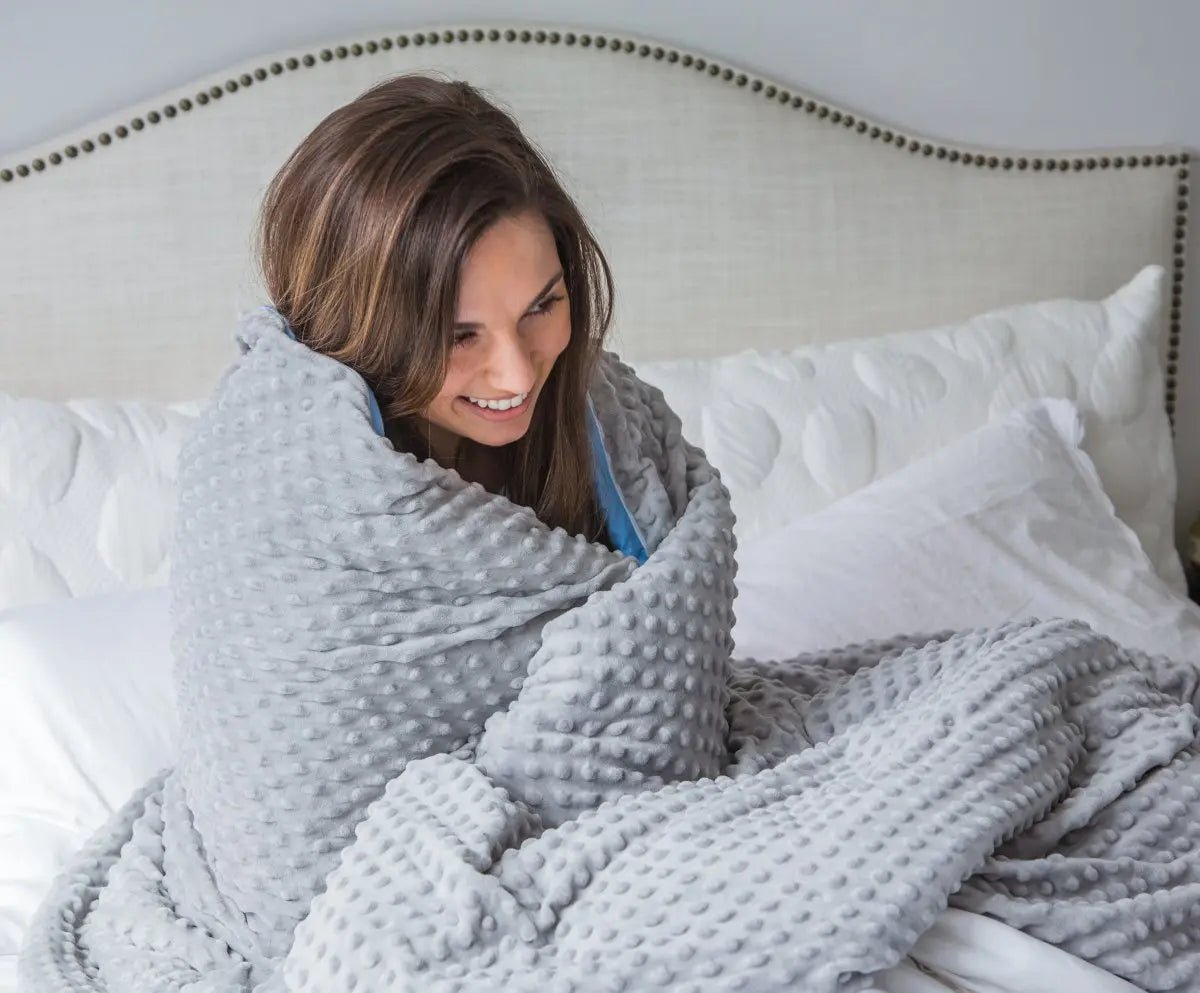
If you want a more calming feel without extra warmth, this is where thoughtfully chosen sleep accessories can help. A cooling sheet set, a breathable topper, or a lightweight therapeutic layer can support comfort without turning the bed into a heat trap. Better Sleep approaches bedding this way - comfort should feel grounding, not stifling.
When the "best" bedding depends on why you sweat
Not all night sweats behave the same way. If your sweating is occasional and tied to stress, you may need bedding that feels especially soft and regulating, rather than ultra-cool. If it's hormonal or medication-related, stronger moisture control may matter more than the initial cool touch.
If you live in a cold climate but still wake up sweating, avoid overcorrecting with icy-feeling bedding alone. You may simply need better breathability and fewer insulating layers, not a bed that feels cold. A balanced setup is usually more sustainable than extremes.
And if your sweating is frequent, severe, or new, it may be worth speaking with a healthcare professional. Bedding can improve comfort dramatically, but it cannot address the underlying cause.
Small changes that make a real difference
Sometimes the biggest improvement comes from removing one overheating layer. Swap a dense mattress protector, replace microfiber sheets, or move from a medium-weight duvet to a lightweight insert. These are not dramatic changes, but they can shift the entire sleep experience.
Washing bedding regularly also helps. Clean fabrics breathe better, feel fresher, and are less likely to hold onto body oils and moisture. If you're sweating often, having an extra set of cooling sheets makes the routine easier.
Your bedroom environment matters too. Breathable bedding works best when the room supports it. A fan, lighter sleepwear, and a slightly lower thermostat can help your bedding do its job.
Choosing the best bedding for night sweats without overbuying
You do not need to replace everything at once. Start with the layers closest to your body, then work outward. For most people, that means sheets first, then your duvet or comforter, then any topper or protector that may be trapping heat.
If you want the shortest path to a cooler bed, choose breathable sheets in bamboo, percale cotton, or linen and pair them with a lightweight top layer. That combination solves the problem for many sleepers without turning the bed into a complicated system.
The best bedding for night sweats should help you feel dry, settled, and comfortably held through the night. When your bed supports temperature balance instead of fighting it, sleep starts to feel restorative again - which is exactly how it should feel at the end of a long day.


Leave a comment