



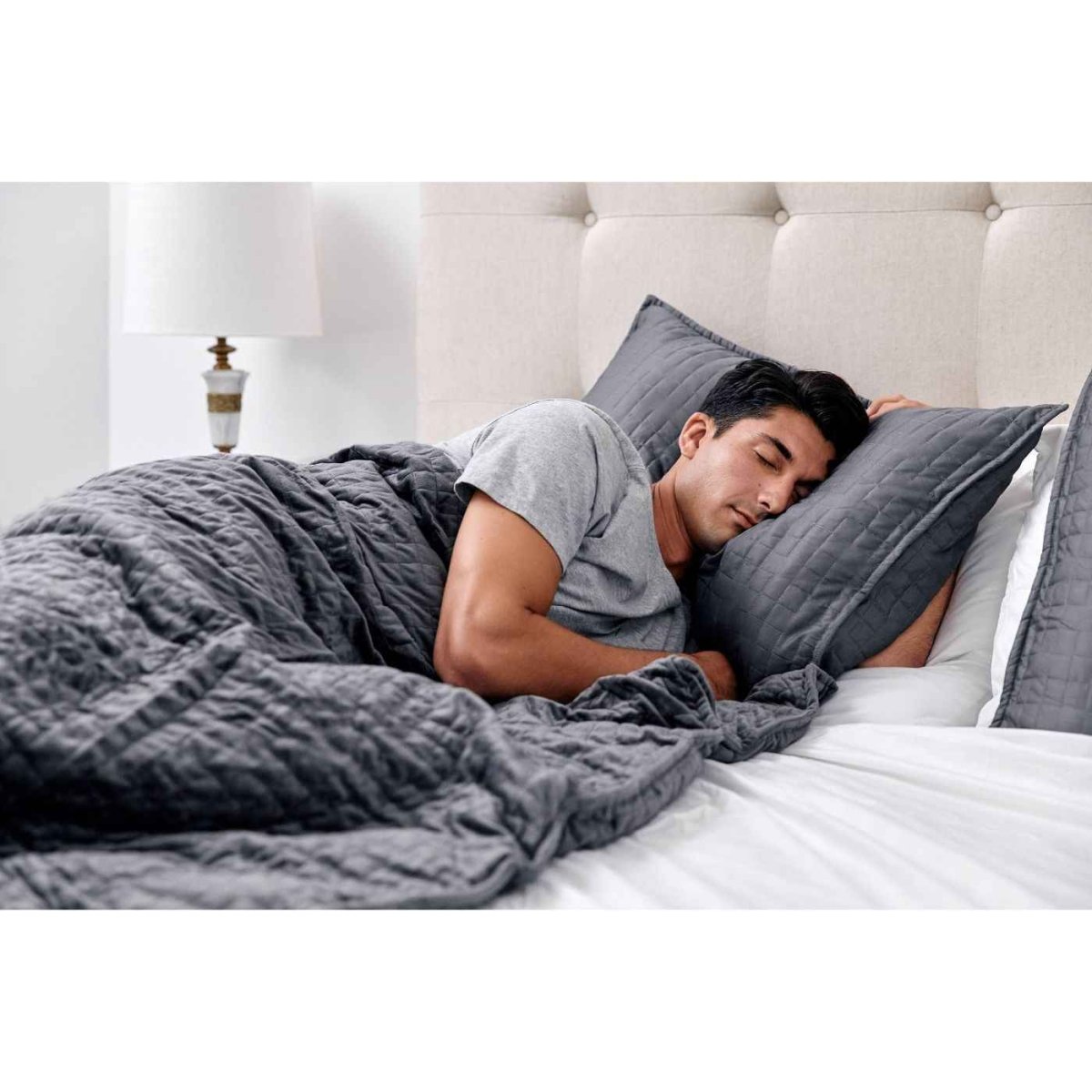
Best Cooling Sheets for Menopause
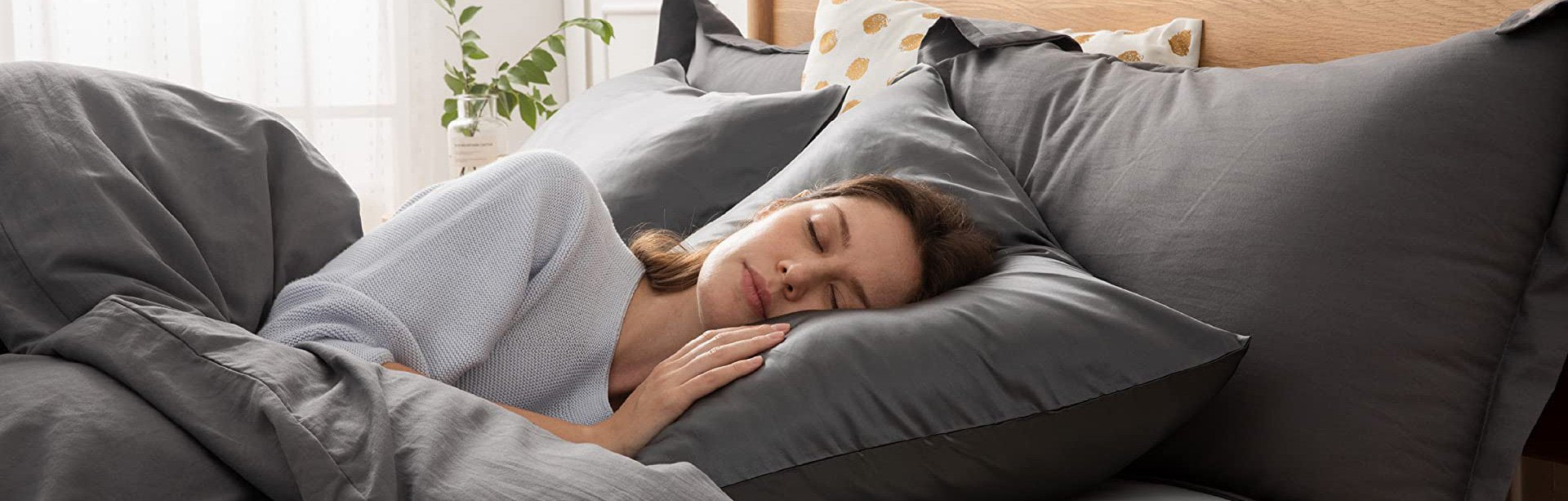
Waking at 2 a.m. in a sweat can make bedtime feel frustrating instead of restorative. That is why cooling sheets for menopause matter so much - not as a luxury, but as a practical way to reduce overheating, limit sleep disruption, and make the bed feel comfortable again.
Hot flashes and night sweats can change what used to work. Sheets that once felt soft and cozy may suddenly trap heat, hold moisture, and leave you tossing covers on and off all night. The right bedding will not stop hormonal shifts, but it can create a sleep environment that feels calmer, drier, and easier to settle into.
Why cooling sheets for menopause can help
Menopause often brings more temperature sensitivity, sudden warmth, and disrupted sleep. When your body fluctuates between feeling hot, clammy, and chilled, your bedding starts doing more work than you might expect.
Cooling sheets help by managing two things at once: heat and moisture. Breathable fabrics allow air to move instead of trapping warmth around the body. Moisture-wicking materials pull sweat away from the skin so you are not left lying on damp fabric. That combination can make a noticeable difference, especially if your sleep is already light or easily interrupted.
There is a simple but important point here: cooling does not mean cold. For most people in menopause, the goal is not an icy bed. It is a bed that feels balanced. You want sheets that stay fresh, dry quickly, and do not cling when your temperature shifts during the night.
What to look for in cooling sheets
Not every sheet labeled cooling will feel truly comfortable. Some are slick but not breathable. Others feel crisp at first, then hold heat after an hour or two. A better approach is to focus on how the fabric behaves through a full night of sleep.
Breathability matters more than a cold touch
Some fabrics feel cool when you first get into bed, but that initial sensation fades quickly. Breathable sheets are usually more helpful over time because they let body heat escape instead of building up under the covers.
This is where weave and fiber both matter. Lightweight, airy fabrics tend to perform better than dense, tightly packed ones. If you sleep warm throughout the night, long-term breathability will usually matter more than a cool-to-the-touch finish.
Moisture-wicking helps with night sweats
If menopause has you waking up damp, moisture management becomes just as important as temperature control. Sheets that absorb sweat and dry quickly can help you feel more comfortable and may prevent that clammy, overheated feeling that makes it hard to fall back asleep.
Bamboo-derived fabrics are often a strong choice here because they are soft, breathable, and known for handling moisture well. For many sleepers, they strike the right balance between comfort and performance.
Softness is not optional
When sleep is already disrupted, scratchy or stiff bedding can make things worse. Cooling sheets for menopause should feel gentle against sensitive skin, especially if you are also dealing with irritation, stress, or restlessness.
Softness can come from the fiber itself, but also from the finish and weave. A smooth, breathable sheet tends to feel more calming than one that is crisp but rough or silky but sticky.
Fit and weight affect temperature too
Loose, bunching sheets can trap warmth and feel uncomfortable. Heavy bedding layered on top of lightweight sheets can also cancel out the cooling effect. It helps to think of your bed as a system.
If your fitted sheet stays in place, your top layer is breathable, and your room temperature is reasonably cool, your sheets have a much better chance of doing their job.
The best fabrics for menopause sleepers
Fabric choice is usually the biggest factor in how your sheets perform. While personal preference matters, a few materials stand out for hot sleepers and anyone dealing with menopause-related night sweats.
Bamboo
Bamboo sheets are often one of the best options for menopause because they are breathable, moisture-wicking, and exceptionally soft. They tend to feel smooth without becoming slippery, and they usually regulate temperature better than traditional cotton blends or synthetic sheets.
They are especially useful if you want something that feels elevated and gentle while still being practical for nightly use. If you are looking for a calmer, cooler sleep experience, this is often the first category worth trying.
Cotton percale
Percale is a cotton weave known for its crisp, airy feel. It can work well if you prefer a lighter sheet that does not feel too silky or draped. Some people love the fresh hotel-like texture, especially in warmer seasons.
The trade-off is that percale may feel less soft than bamboo, at least at first. It can also be less effective at wicking moisture if night sweats are a major concern.
Linen
Linen is highly breathable and can be excellent for airflow. It is often a good option for very hot sleepers or warm climates. Over time, it softens nicely and has a relaxed, natural look.
Still, linen is not for everyone. Some people find the texture too textured or casual for sensitive sleep. If softness is your top priority, bamboo may feel more immediately comforting.
Microfiber and polyester blends
These are usually less ideal for menopause. They can feel soft at first, but many synthetic blends hold heat and do not breathe as well as natural or bamboo-based fibers. If overheating is already disrupting your sleep, these materials often make the problem harder to manage.
How to choose the right cooling sheets for menopause
The best sheet set depends on what is actually waking you up. If your biggest issue is sweating, focus on moisture-wicking fabric. If you mostly feel overheated, prioritize breathability and lightweight construction. If you wake up hot and then chilly, look for balanced temperature regulation instead of anything that feels overly cold.
It also helps to consider your mattress and bedding layers. A cooling sheet can only do so much if your mattress protector is waterproof and heat-trapping, or if your comforter is too heavy for the season. Sometimes the sheet is not the only issue.
For most people, the sweet spot is a breathable fitted sheet, a lightweight top sheet if you like one, and a comforter or blanket that can be adjusted easily in the night. This setup gives you more control without making the bed feel bare.
Small changes that make cooling sheets work better
Even the best sheets perform better with the right sleep setup. Keeping the bedroom slightly cool, using breathable sleepwear, and avoiding overly heavy layers can all support better results.
Washing your sheets regularly also matters more than people think. Clean fibers breathe better and feel fresher against the skin. If night sweats are frequent, having a second set on hand can make your routine easier and your bed more consistently comfortable.
If you share a bed with someone who sleeps colder, separate layers can help. A breathable sheet set paired with individualized blankets often works better than trying to force one temperature for both people.
When premium sheets are worth it
If menopause symptoms are affecting your sleep several nights a week, higher-quality sheets are often a worthwhile upgrade. Better materials tend to last longer, feel better on the skin, and perform more consistently night after night.
This is not about making your bed look luxurious for the sake of it. It is about removing one source of discomfort from a time that can already feel physically and emotionally draining. Well-made sheets can support a more settled bedtime routine, and sometimes that sense of relief matters just as much as the cooling itself.
For shoppers who want breathable, premium bedding designed to support deeper rest, Better Sleep offers cooling sheet options made to feel soft, calming, and practical for everyday use.
A gentler way to think about better sleep
Menopause can make nights feel unpredictable, but your bedding should not add to that stress. The right sheets will not fix every hot flash, yet they can help your bed feel more breathable, more supportive, and far easier to return to after you wake. When comfort becomes more consistent, sleep often feels a little less like a battle and a little more like rest.


Leave a comment