



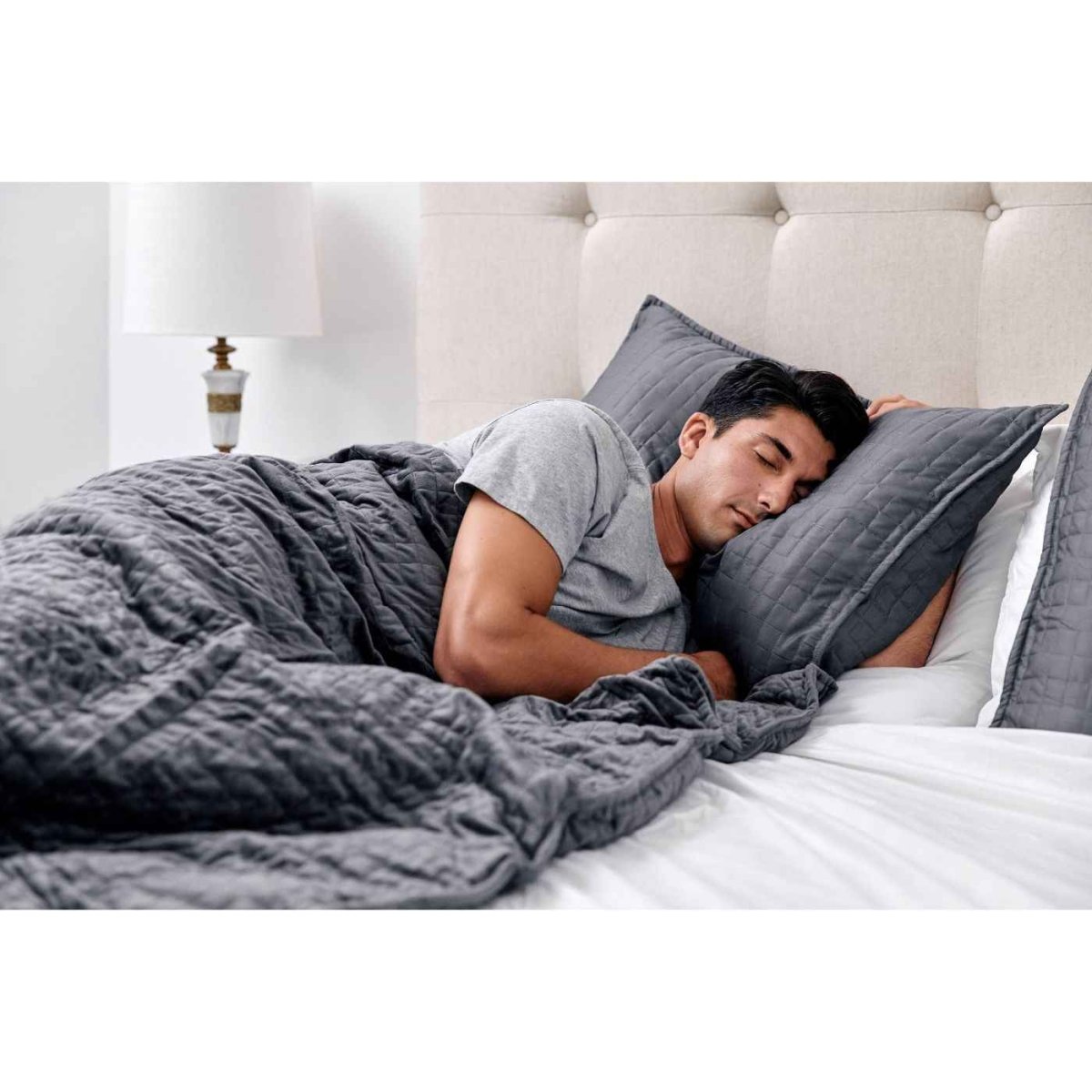
Breathable Bedding for Menopause That Cools
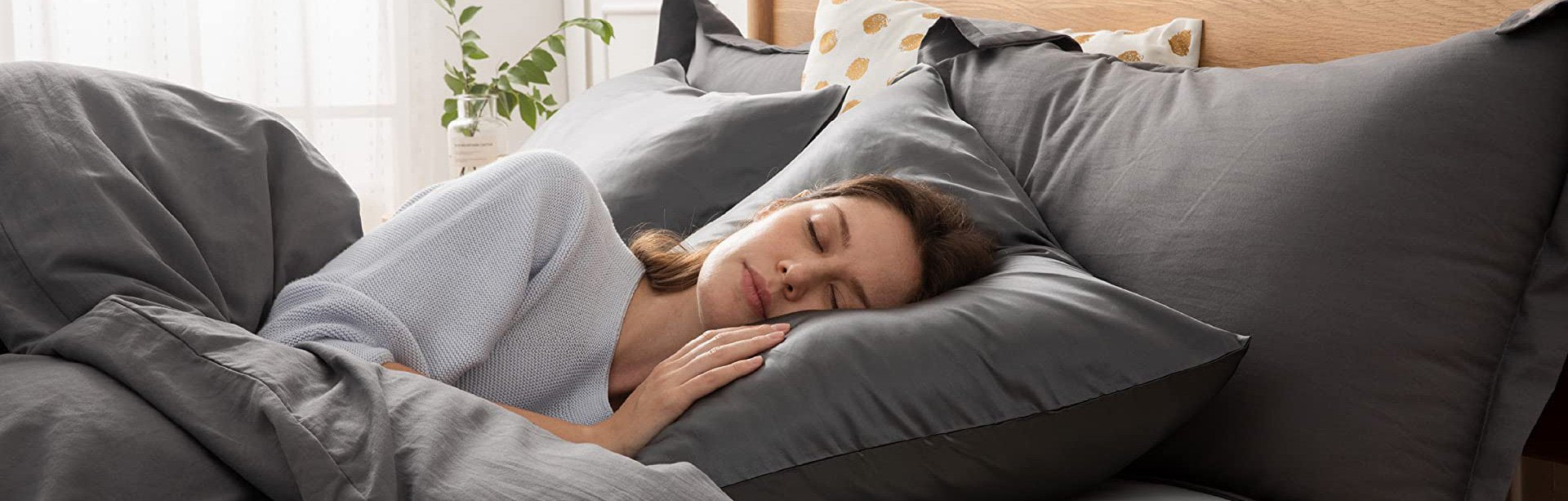
Waking at 3am feeling far too warm is not a small inconvenience. It can leave you tired, irritable and dreading bedtime, particularly when night sweats arrive without warning. Breathable bedding for menopause cannot change hormonal shifts, but it can make your bed feel less stifling, help moisture move away from the skin and make it easier to settle again.
The goal is not to create an icy bedroom or buy a completely new set of bedding every season. It is to build a sleep environment that responds gently to fluctuating temperature, with soft layers you can adjust in moments rather than minutes.
Why menopause can make your bed feel too warm
During perimenopause and menopause, changes in oestrogen can affect the body’s temperature regulation. A slight shift in room temperature, a warm duvet or even a stressful day can be enough to trigger a hot flush or night sweat. Once bedding holds onto warmth and dampness, the body has a harder time cooling down, often leading to repeated waking.
That is why the feel of your bedding matters as much as the thermostat. Dense synthetic fabrics can trap heat close to the body. In contrast, breathable fibres and lighter, flexible layers allow more airflow and reduce that clammy feeling that makes sleep feel impossible.
There is no single perfect sleep temperature. Some people feel cold immediately after a night sweat, while others stay warm all night. The most helpful bedding is adaptable enough to support both.
Breathable bedding for menopause starts with fabric
Fabric is the foundation of a cooler bed. Look beyond thread count alone, which does not reliably tell you how breathable sheets will feel. Fibre type, weave and finish all shape how a sheet handles heat and moisture.
Bamboo for a smooth, cooling feel
Bamboo-derived bedding is a popular choice for warm sleepers because it feels notably soft and smooth against the skin. Quality bamboo fabric can help manage moisture, which is particularly welcome when night sweats interrupt sleep. Its drape also feels lighter than many traditional cotton sheets, creating a calm, less restrictive sleep surface.
Bamboo is not always the coolest choice in every setting. A heavier bamboo weave may still feel warm if paired with a thick duvet or a heat-retaining mattress topper. However, when used as part of a lighter sleep system, it offers a beautifully comfortable balance of softness, breathability and year-round versatility.
Cotton when you prefer a crisp, familiar finish
Cotton remains a dependable option, especially in a percale weave. Percale has a crisp, airy feel and allows heat to escape more easily than dense sateen. It can be an excellent choice if you prefer sheets with structure rather than a silky drape.
The trade-off is that cotton can absorb moisture and may feel damp after a significant night sweat. Keeping a spare fitted sheet nearby can offer practical reassurance on difficult nights.
Linen for maximum airflow
Linen is naturally airy and can feel exceptionally cool in warm weather. Its relaxed texture is not for everyone, particularly if you enjoy a very smooth sleep surface, but it softens with use and performs well in humid conditions. A linen duvet cover paired with softer sheets can be a thoughtful compromise.
Be cautious with polyester-rich bedding marketed as cooling. Some technical fabrics perform well, but many synthetic sheets hold onto body heat and can leave skin feeling sticky. If you are sensitive to warmth, always prioritise how the fabric actually feels against your body.
Build a bed you can adjust at midnight
A menopause-friendly bed is less about one miracle product and more about avoiding trapped heat. Start with breathable sheets, then add layers that are easy to remove without fully remaking the bed.
Choose a lightweight duvet or all-season system rather than relying on one heavy, high-tog tog duvet throughout the year. A duvet cover in a breathable fabric can also make a meaningful difference, as it is the layer closest to your skin. If your duvet is still too warm, a light blanket or flat sheet may provide enough comfort on milder nights.
Your mattress deserves attention too. Memory foam can retain warmth for some sleepers, especially if it is thick or paired with a dense protector. A breathable mattress topper may create a more comfortable surface, but it should not add unnecessary bulk. Look for materials designed to encourage airflow, and avoid waterproof protectors that feel plasticky or crinkle beneath the sheet.
Keep the bed visually simple. A pile of decorative throws may look inviting, but it can make temperature changes harder to manage when you are half asleep. Place an extra light layer at the foot of the bed instead, ready to pull up when the post-flush chill arrives.
Can a weighted blanket work for menopause?
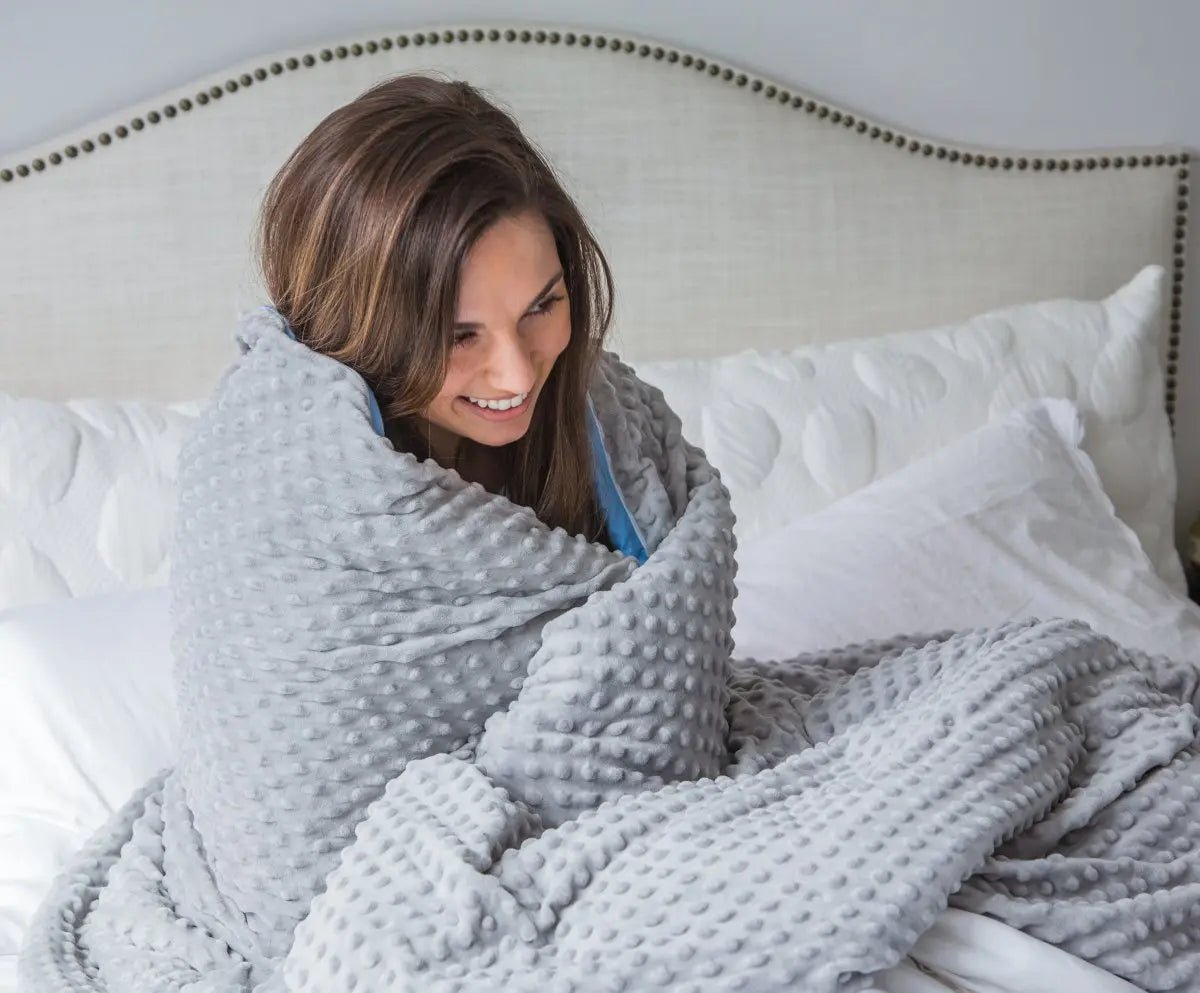
It depends on your temperature sensitivity. Many people find the gentle, evenly distributed pressure of a weighted blanket grounding, particularly when anxious thoughts or restless sleep accompany menopause. That calm, held feeling can support a quieter transition into sleep.
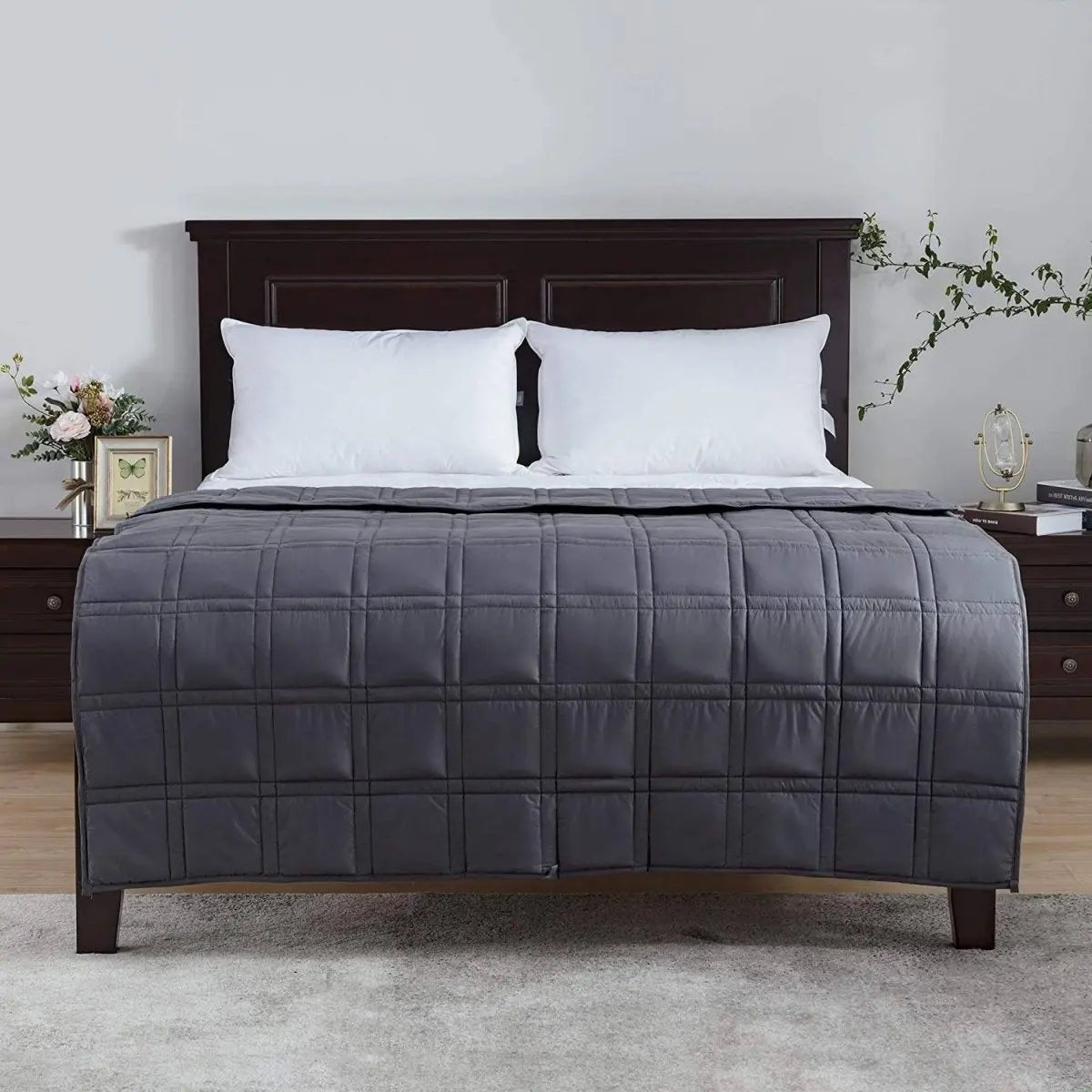
The concern is heat. A traditional weighted blanket may feel too warm for someone experiencing frequent night sweats, particularly in summer or in a centrally heated home. If you value weighted comfort, choose a design made with breathable materials and use it as an intentional layer rather than an all-night commitment. Some people prefer it while winding down, then set it aside before sleep.
Better Sleep’s cooling bamboo therapy sets are designed with this balance in mind: therapeutic comfort paired with breathable fabric. Still, the right choice is personal. If you wake hot most nights, prioritise cooling layers first and introduce weight gradually.
Small bedroom changes that protect your sleep
Bedding works best when the rest of the room supports it. Keep the bedroom comfortably cool and well ventilated where possible. A fan can help circulate air, while lighter sleepwear prevents another layer of trapped warmth. Natural, loose-fitting pyjamas are often more comfortable than close synthetic fabrics.
It also helps to make night sweats easier to recover from. Keep water within reach and place a spare top, towel or sheet nearby if changing bedding in the night brings peace of mind. The aim is not perfection. It is reducing the disruption so one hot flush does not become two hours of wakefulness.
Evening habits matter too. Alcohol, spicy meals and very hot drinks can trigger symptoms for some people, while stress may make temperature changes feel more intense. Notice patterns with gentle curiosity, not pressure. Your sleep needs may vary from week to week.
When to seek extra support
Persistent night sweats, severe sleep disruption or symptoms that affect your daily wellbeing deserve a conversation with a GP or menopause specialist. Breathable bedding is a practical comfort measure, not a replacement for medical care. Individual treatment and lifestyle options can make a real difference when symptoms are frequent or distressing.
Choose comfort that can change with you
The best breathable bedding for menopause should feel soft at bedtime, dry after a warm spell and simple to layer when the temperature drops again. Begin with the pieces closest to your skin: breathable sheets and a lighter duvet cover. Then refine the rest of the bed according to what your body tells you.
A calmer night does not always require a dramatic solution. Sometimes it begins with a smoother sheet, a lighter layer and the reassurance that you can get comfortable again.


Leave a comment