







Canadian Bedding Brands Comparison That Feels Clear
A bed can look beautifully finished and still leave you too warm, restless or searching for comfort at 3am. A useful Canadian bedding brands comparison starts with how bedding feels during an ordinary week: after a demanding day, through changing temperatures, and when you need your bedroom to feel quieter rather than more complicated.
The best choice is rarely the brand with the widest range or the loudest claims. It is the one whose materials, construction and service terms suit the way you sleep. For some people, that means cool, breathable sheets. For others, it is the steady, grounding feeling of a weighted blanket. For many, it is a thoughtful combination of both.
What to compare beyond appearance
Canadian bedding brands often sit across several categories: everyday sheets and duvet covers, luxury fibres such as silk, temperature-regulating layers, mattress toppers and therapeutic comfort products. Comparing like with like is the first step. A linen sheet set and a weighted blanket are not competing solutions, even if both belong in a calm, well-considered bedroom.
Start by identifying the discomfort you want to address. If you wake hot, prioritise airflow and moisture management. If your sleep is interrupted by stress or a busy mind, a gentle pressure layer may be more relevant. If your mattress feels tired but is otherwise supportive, a topper can make more sense than replacing the entire bed.
Price matters, but it tells only part of the story. Look at fabric composition, certification, care requirements, sizing, return conditions and whether the item is designed for all-season use. Bedding that lasts, washes well and continues to feel comfortable can offer better value than a lower-priced alternative that quickly loses softness or shape.
Canadian bedding brands comparison: the key categories
Sheets and duvet covers
Sheets are the layer closest to your skin, so fibre choice has an outsized effect on comfort. Cotton can feel familiar, crisp and easy to care for. Linen is valued for its relaxed texture and natural breathability, though it may feel less smooth to sleepers who prefer a polished finish. Bamboo-derived fabrics are often chosen for their silky hand-feel and cooling potential, particularly by people who run warm.
Rather than relying on thread count alone, consider the weave and the finished feel. A very high thread count is not automatically cooler, softer or more durable. For warmer sleepers, a breathable weave and effective moisture management usually matter more. For a guest room, easy laundering and a versatile neutral colour may take priority.
Duvet covers deserve the same attention. Check whether closures feel secure, whether internal ties help keep a duvet in place, and whether the fabric suits your preferred sleeping temperature. A cover that looks refined but traps heat can undermine the rest of your sleep set-up.
Weighted blankets and sensory comfort
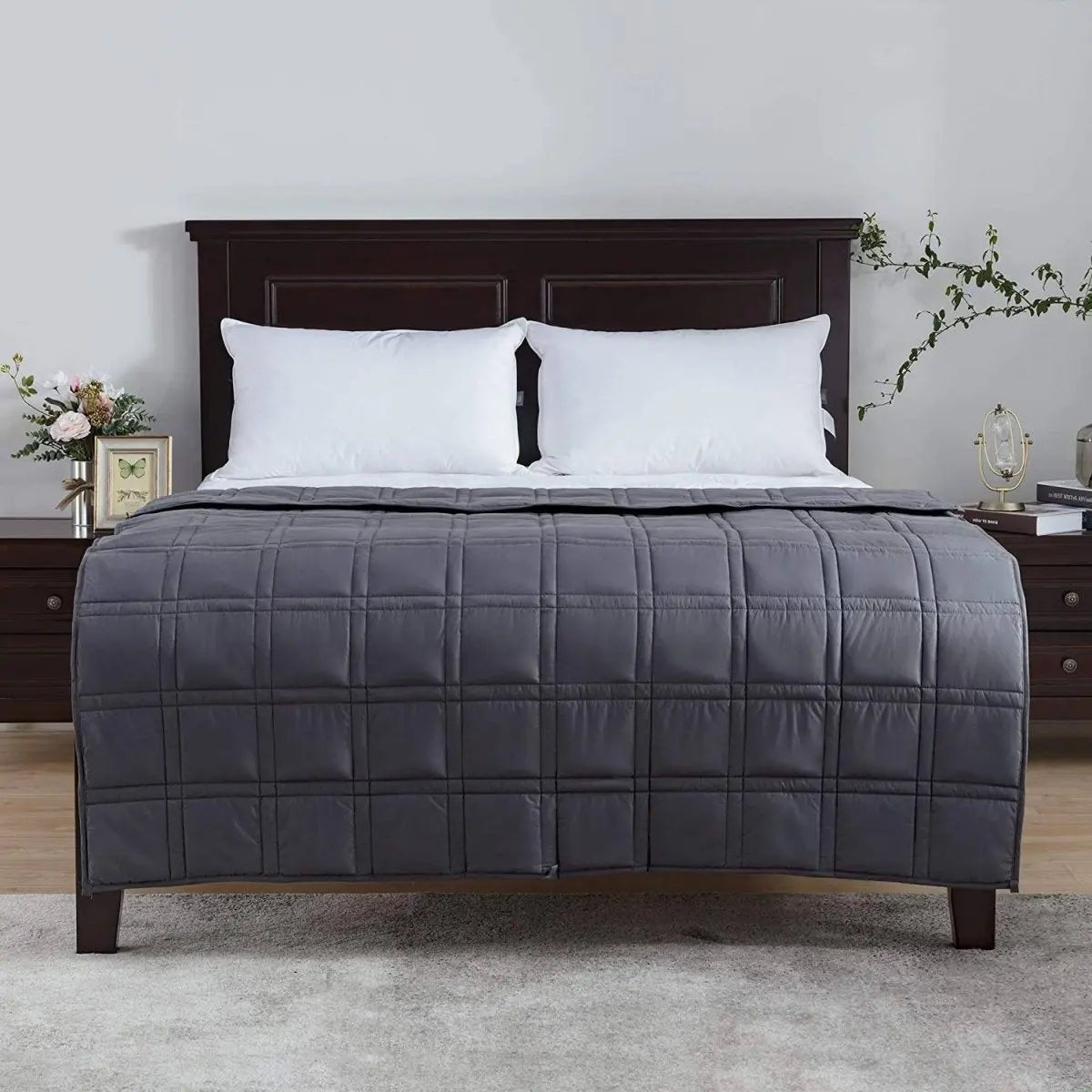
Weighted blankets occupy a different place in the bedding market. They are designed to provide evenly distributed, gentle pressure that can help the body settle into a sense of calm. That makes them especially appealing for adults managing everyday stress, overstimulation or difficulty winding down, as well as for families seeking sensory-focused comfort.
The comparison points here are practical. Weight should be appropriate for the individual user, and the blanket should not feel restrictive. Breathability matters, particularly if you already sleep warm. Glass-bead filling, secure internal stitching and a removable, washable cover can all influence how a blanket performs over time.
A weighted blanket is not a universal solution. It may be unsuitable for people with certain medical, respiratory or mobility concerns, and children should only use one with appropriate adult guidance. If in doubt, seek personalised clinical advice. The aim is comfort that feels reassuring, never burdensome.
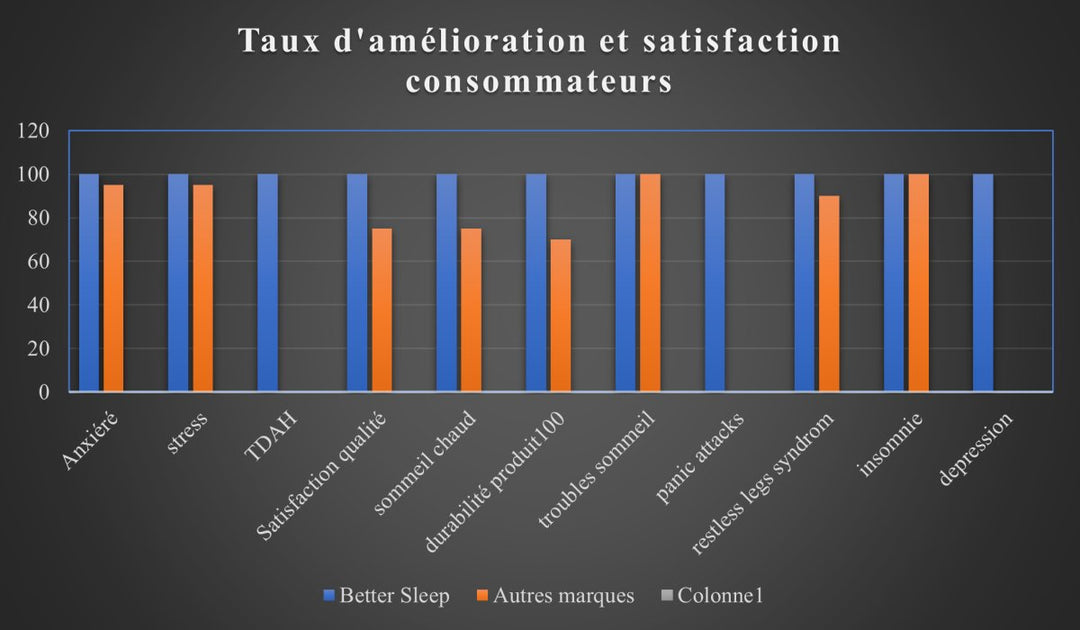
Better Sleep focuses on this therapeutic space with weighted blankets and cooling bamboo therapy sets designed to support calmer nights without sacrificing year-round comfort. For shoppers who want bedding to do more than decorate a room, that distinction can be meaningful.
Blankets, throws and seasonal layers
A traditional blanket, chunky knit or sherpa layer can bring warmth and visual softness, but the right choice depends on where and when it will be used. A heavy sherpa blanket may feel deeply comforting on the sofa or during a cold evening, while it may be too insulating for someone who sleeps warm. Lightweight all-season blankets offer greater flexibility, particularly in homes where bedroom temperatures vary.
Pay attention to the difference between decorative texture and functional construction. A handcrafted piece may be a beautiful finishing layer, but it is not necessarily intended for nightly sleep. Conversely, a purpose-built all-season blanket should be judged on washability, breathability and how easily it layers with a duvet.
Pillowcases, sleep masks and small upgrades
Smaller pieces can meaningfully improve a bedtime routine. Silk pillowcases are often selected for their smooth surface and gentle feel against hair and skin, while cooling pillowcases can help reduce the uncomfortable heat that gathers around the head and neck. A weighted sleep mask can block light while adding a subtle grounding sensation.
These products are best viewed as supportive details, not cures for persistent sleep problems. Still, a darkened room, a comfortable pillow surface and a dependable wind-down cue can help make rest feel more accessible. They also make considered gifts for someone who deserves a little more ease at the end of the day.
Materials, safety and care are part of the comfort
Premium bedding should feel good before it reaches the bed. That includes understanding what it is made from and how it has been produced. OEKO-TEX-certified textiles can offer reassurance that fabrics have been tested for harmful substances. Eco-conscious fibres and durable construction may also matter to shoppers who want fewer, better pieces in their home.
Care instructions should fit real life. Some luxury materials require a gentler wash cycle or air drying, which can be worthwhile if their benefits suit your routine. Others are designed for simpler, frequent laundering. Parents, pet owners and anyone buying bedding for everyday use may reasonably place ease of care near the top of their comparison.
Be cautious of vague phrases such as “cooling” or “natural” without further detail. Ask what creates the cooling effect, whether the cover is removable, and how the item should be cleaned. Clear product information is a sign of a brand that expects its bedding to be used, not simply admired.
Service can change the value of a bedding purchase
You cannot fully judge a sheet, topper or weighted blanket from a product photograph. Texture, warmth and personal preference reveal themselves at home. That is why delivery costs, return policies, exchanges and sleep trials deserve a place in any comparison.
A generous trial is particularly useful for a weighted blanket or mattress topper, where your body may need a little time to adjust. Read the conditions carefully: find out whether the product must be returned in original packaging, whether there are hygiene exclusions, and who covers return postage. Straightforward terms reduce hesitation and make it easier to choose with confidence.
Canadian-made or Canadian-based can also carry practical value for shoppers in Canada, from local customer support to simpler shipping expectations. It should not be treated as a substitute for quality, but it can be a worthwhile consideration when service, delivery timing and accountability matter.
Build your bedding around the feeling you want
There is no single winning brand for every sleeper. A hot sleeper may prefer breathable bamboo bedding and a lighter all-season layer. Someone whose evenings feel mentally noisy may value the gentle pressure of a weighted blanket alongside a cool, soft duvet cover. A gift buyer may favour a washable, beautifully presented comfort piece that feels personal without requiring them to guess someone’s mattress preference.
Give yourself permission to choose one meaningful improvement rather than replacing everything at once. Begin with the layer most likely to affect your comfort every night, then build from there. The right bedding should make your room feel like a place where your body can soften, your thoughts can slow, and rest can arrive more naturally.


Leave a comment