


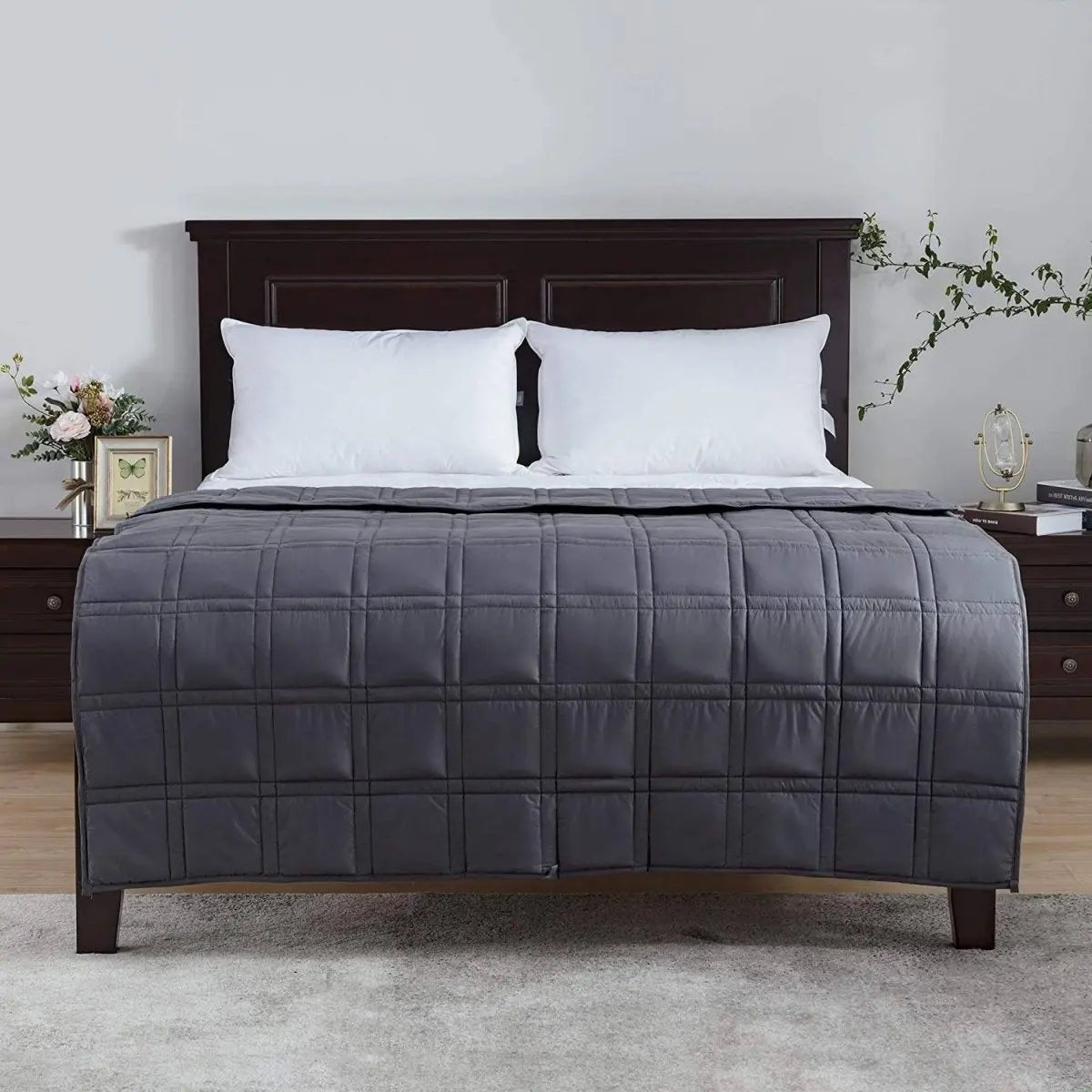





Confort adaptatif for calmer, more restful nights
A bedroom can be perfectly styled and still feel wrong at 2am. Perhaps you wake warm, throw off the duvet, then feel cold twenty minutes later. Perhaps the smallest noise keeps your mind alert. Confort adaptatif is the idea that your sleep environment should respond to these changing needs, rather than ask you to tolerate one fixed level of warmth, pressure or softness all night.
For people carrying a full mental load, comfort is not simply a decorative finishing touch. It is part of the nightly signal that it is safe to slow down. The right layers, materials and sensory details can make the bed feel more settled, helping you prepare for deeper, more restorative rest.
What does confort adaptatif mean?
Confort adaptatif means adaptive comfort: bedding and sleep accessories chosen for how well they adjust to your body, your bedroom and the season. It brings together three things that are often treated separately: temperature regulation, gentle pressure and tactile ease.
A heavy winter throw may feel comforting in January but stifling during a warm spell. Crisp cotton can feel fresh to one sleeper and too cool to another. A weighted blanket can offer a reassuring, grounded feeling, but only when its weight and fabric are suited to the person using it. Adaptive comfort does not promise one universal sleep solution. It creates a more considered system, so you can make small adjustments without rebuilding your entire bed.
This matters because sleep needs are rarely static. Stress levels rise and fall. Hormonal changes can affect temperature sensitivity. A shared bed may hold heat differently from a bed slept in alone. Even the same person may want cool, breathable bedding in summer and a more cocooning feel on darker winter evenings.
Start with the temperature you actually experience
Many people choose bedding based on the weather outside, then wonder why they sleep too warm indoors. Your room temperature, mattress material, duvet filling, pyjamas and whether you share the bed all influence how heat builds through the night.
The aim is not to make your bed cold. It is to avoid trapped heat that turns a peaceful night into repeated waking. Breathable materials help air circulate closer to the body, while moisture-wicking fabrics can feel drier when you run warm. Bamboo bedding is especially valued for its soft, cool-to-the-touch feel and its ability to support more balanced comfort across the seasons.
Layering is often more adaptable than relying on one very thick cover. A lighter duvet paired with an extra blanket lets you change the warmth of your bed in seconds. This is useful for couples with different preferences: one person can add a layer without making the whole bed uncomfortably warm.
The trade-off is that more layers need a little more thought. If your bed is already heat-retentive, adding a dense throw or non-breathable cover may work against the comfort you are trying to create. Begin with breathable sheets and a suitable duvet, then add warmth gradually.
A simple seasonal approach
In warmer months, prioritise airy sheets, a lighter cover and fabrics that do not cling. In colder months, retain that breathable base layer and introduce warmth through an all-season blanket system, a soft duvet cover or a cosy top layer. This gives you comfort without the sudden shift from chilly to overheated.
Gentle weight can support a calmer bedtime routine
For many adults, the most meaningful part of adaptive comfort is sensory. The steady, evenly distributed pressure of a weighted blanket can create a grounded feeling similar to a reassuring embrace. It may be particularly welcome after a demanding workday, during periods of restlessness, or when your thoughts seem louder than the room around you.
Weighted comfort works best when it feels supportive rather than restrictive. A blanket should be appropriately sized for the individual, so its weight rests on the body without hanging heavily over the sides of the bed. It should also be easy to move beneath and simple to remove if you become too warm.
Fabric makes a real difference here. A cooling bamboo therapy set can offer the calming sensation of weight while remaining more breathable for warm sleepers. A plush sherpa finish may be the better choice for someone who craves a softer, more enveloping texture on cold evenings. Neither is inherently better. The right choice depends on whether your biggest sleep barrier is feeling chilly, overheating, anxiety or sensory overstimulation.
Children require additional care. Weighted products are not suitable for every child or every situation, and parents should follow age, weight and supervision guidance carefully. For some families, a lighter sensory comfort piece, a familiar bedtime ritual and soft bedding may be a more appropriate way to support a settled wind-down.
Build your own adaptive comfort system
A restful bed does not need an excess of products. It needs a few elements that work together. Think of it as creating options for the version of you who arrives at bedtime: tired but warm, stressed and restless, chilly after a long day, or simply ready for a quiet night.
Start with the surface closest to your skin. Sheets that feel smooth and breathable can reduce the small irritations that become surprisingly noticeable when you are trying to switch off. Next, consider your pressure layer. This could be a weighted blanket used nightly, or kept folded at the end of the bed for evenings when you need extra grounding. Finally, choose a flexible warmth layer that can be added or removed without fuss.
Your pillow also belongs in this system. A silk pillowcase offers a cool, smooth finish that can feel especially soothing for sensitive skin and hair, while a weighted sleep mask may help reduce light and create a more contained, restful sensation. These details are not essential for everyone, but they can make a meaningful difference when light, texture or sensory distraction is keeping you alert.
Make the bedroom easier to come back to
Adaptive comfort is as much about reducing friction as it is about materials. When your bed is difficult to remake, your blankets slide around, or your night-time essentials are never where you need them, sleep can begin to feel like another task to manage.
Keep your preferred layer within reach. If you regularly wake cold at dawn, fold a breathable throw near the foot of the bed. If you often overheat, choose pyjamas and sheets that allow you to cool down before changing your duvet. If your mind races, reserve a weighted blanket or sleep mask for the first part of your wind-down, alongside low lighting and a screen-free pause.
It is also worth protecting the visual calm of the room. You do not need a minimalist bedroom, but the area around your bed should feel purposeful. Fresh bedding, a soft colour palette and fewer unfinished tasks in view can help the space feel less stimulating. The goal is not perfection. It is a room that quietly tells your body that the day is ending.
When adaptive comfort needs a different approach
Better bedding can support a more restful routine, but it cannot solve every sleep concern. Persistent insomnia, severe anxiety, breathing difficulties during sleep, pain or frequent night sweats deserve a conversation with a qualified healthcare professional. In these cases, comfort remains valuable, but it should sit alongside proper support rather than carry the whole burden.
There are practical considerations, too. If you are prone to overheating, avoid assuming that a heavier blanket will automatically improve sleep. If you feel claustrophobic, start with lighter sensory layers rather than deep pressure. If you share a bed, separate blankets can sometimes be the kindest solution, allowing each person to choose their own warmth and weight.
At Better Sleep, thoughtfully designed bedding is made for these real-life variations: the nights when you need cooling softness, the evenings when gentle weight feels reassuring, and the seasons that refuse to stay predictable. A well-chosen sleep space should not demand that you adapt to it. It should give you the freedom to settle in, adjust gently and rest in the way your body needs tonight.


Leave a comment