



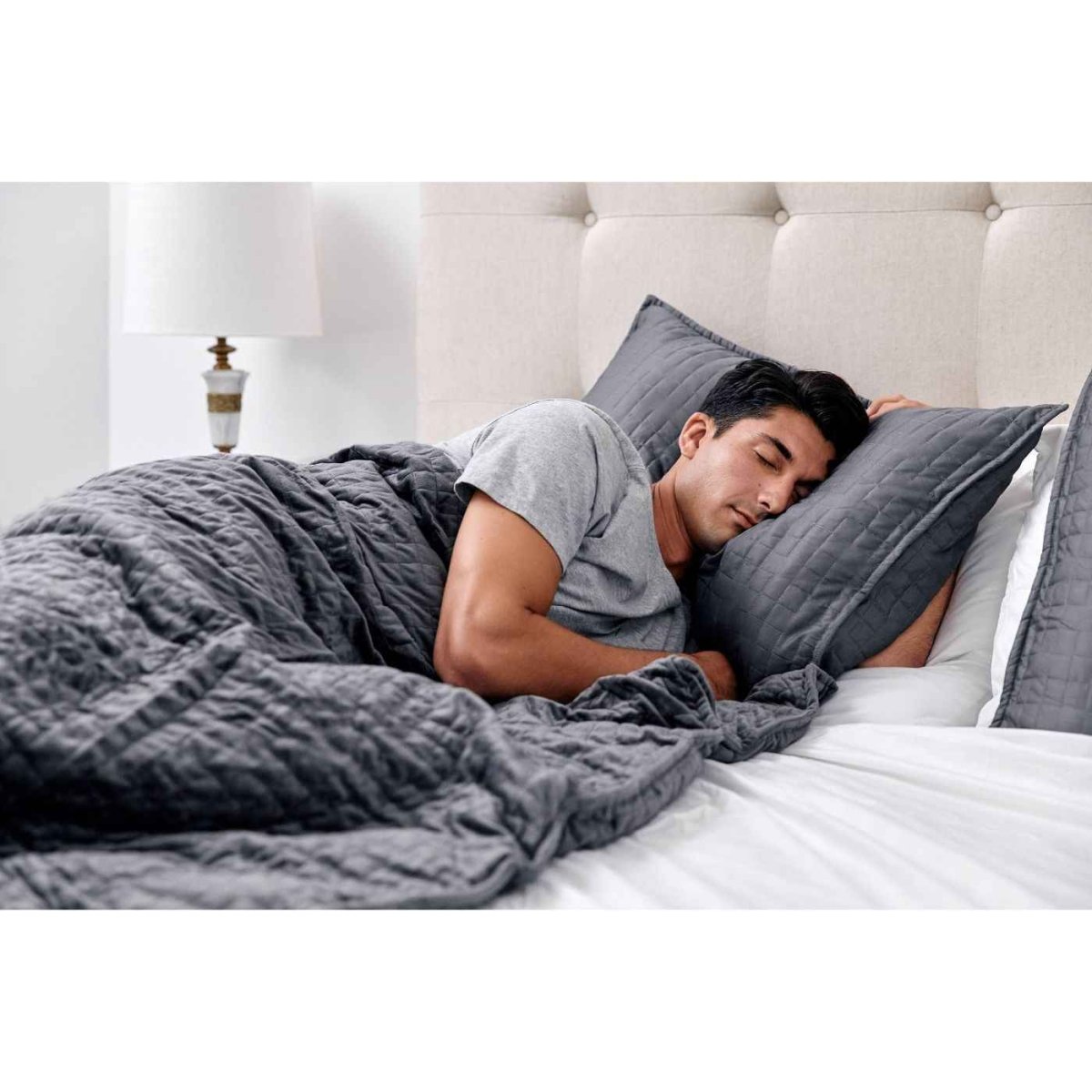
Cooling Mattress Topper Review for Hot Sleepers
A warm mattress can make even the most carefully planned bedtime routine feel unsettled. You may fall asleep comfortably, then wake in the early hours overheated, restless and searching for a cool edge of the bed. This cooling mattress topper review looks at what a topper can realistically change, which materials are worth your attention, and how to choose one that supports a calmer night rather than adding another layer of frustration.
A cooling topper is not a replacement for a cool bedroom, breathable bedding or a supportive mattress. It is, however, a considered way to soften the feel of your sleep surface while reducing the heat and humidity that can build up around the body. For hot sleepers, that combination can make bedtime feel far more restorative.
What a cooling mattress topper actually does
A mattress topper sits on top of your existing mattress and beneath your fitted sheet. Its first job is comfort: it can add gentle cushioning to a firm mattress, smooth a worn surface, or create a more inviting feel without the cost and disruption of replacing the mattress itself.
Its cooling role is more specific. A well-designed topper should encourage airflow, manage moisture and avoid trapping body heat close to the skin. It will not create the feeling of air conditioning, and any product promising that deserves a little scrutiny. The better outcome is subtler but meaningful: less clamminess, fewer heat-related wake-ups and a sleep surface that feels fresher when you change position.
This distinction matters because “cooling” can mean several things. Some toppers feel cool at first touch but hold heat later in the night. Others are less noticeably cool when you first get into bed, yet remain more breathable over several hours. For most people who sleep warm, lasting temperature balance is the more useful measure.
Cooling mattress topper review: what matters most
The most reassuring choice is usually one that balances temperature control with the comfort you actually enjoy. There is little value in a topper that feels wonderfully cool but too firm, too thin or too slippery to sleep on comfortably.
Material comes before marketing
Memory foam is popular because it relieves pressure and can make a tired mattress feel more supportive. Traditional dense foam, however, has a tendency to retain warmth. If you prefer the contouring feel of foam, look for an open-cell construction, ventilation channels or an infused design intended to improve airflow. Even then, it may suit a mildly warm sleeper better than someone who wakes drenched in heat.
Latex tends to be more naturally responsive and breathable than dense memory foam. It does not hug the body in quite the same way, which can allow more air to move around you. It is often a good fit for sleepers who want buoyant support and less sinking, although it can be heavier and may feel firmer than expected.
Fibre-filled toppers offer a softer, cloud-like finish and are often easier to care for. Their cooling performance depends heavily on the fill and cover. A breathable cotton or bamboo-derived cover can feel lighter and better at handling moisture than synthetic fabrics alone. For those who dislike the close contour of foam, this style can be a comfortable, approachable option.
Bamboo fabrics are especially appealing for sleep because they feel smooth, soft and naturally breathable. When used in a topper cover or paired with cooling sheets, they can help create a less stuffy bed environment. They are not a magic answer on their own, but they are a thoughtful material choice for anyone seeking a cooler, gentler feel against the skin.
Thickness changes the experience
A slim topper can add a modest buffer and help with surface temperature without dramatically changing how your mattress supports you. This is often enough if your mattress is in good condition but runs warm or feels slightly too firm.
A thicker topper offers more cushioning, which may be welcome for side sleepers with pressure around the shoulders and hips. The trade-off is that more material can reduce airflow, particularly with dense foam. If you sleep hot and need considerable softness, prioritise breathable construction rather than simply choosing the deepest option available.
The cover and fitted sheet matter too
A cooling topper cannot do all the work if it is covered by a heat-trapping protector and heavy synthetic sheets. Your sleep surface works as a system. A breathable mattress protector, light duvet and moisture-managing sheets give the topper a better chance to perform as intended.
Look for secure corner straps or a fitted skirt if you move frequently at night. A topper that bunches underneath you can disturb sleep and create uneven pressure. It should also match your mattress depth, particularly if you already use a substantial mattress or an adjustable base.
Who is most likely to benefit?
Cooling toppers can be especially useful for people who sleep warm but do not need a new mattress. They can also help during hormonal changes, periods of stress, warm weather, or when sharing a bed with someone whose preferred temperature is different from yours.
They are often a sensible choice for renters, students and anyone furnishing a guest room, as they can improve comfort without committing to a full mattress purchase. A topper may also extend the usable life of a mattress that is still supportive but no longer feels quite as comfortable as it once did.
That said, a topper cannot repair a mattress with deep sagging, damaged springs or poor underlying support. If you wake with persistent back pain, feel yourself rolling into a dip, or notice a visible indentation, the mattress itself may be the problem. Adding a thick layer on top can temporarily disguise the issue, but it rarely solves it.
A simple way to choose the right one
Start with the reason you are shopping. If heat is your main concern and your mattress already feels comfortable, choose a breathable, lighter-profile topper. If your mattress is too firm as well as too warm, seek a medium-depth option with pressure relief and airflow features.
Then consider how you sleep. Side sleepers generally benefit from more cushioning at the shoulders and hips, while front and back sleepers often need a thinner, more stable layer to avoid changing spinal alignment. If you share a bed, also think about motion transfer. Latex and fibre styles often feel more responsive, while foam can absorb movement more effectively.
Finally, be practical about care. A removable, washable cover can be valuable for warm sleepers, particularly if night sweats are part of the picture. Check whether the topper needs regular airing, spot cleaning or a specific washing method before bringing it home. Premium bedding should feel easy to live with, not precious and demanding.
How to get the coolest result from your topper
Give a new topper time to settle and air out before placing bedding on top, especially if it arrives compressed. Once it is on the bed, pair it with breathable layers rather than heavy brushed fabrics or non-breathable protectors.
Keep the room as cool and dark as comfortably possible, and avoid placing thick throws over your legs if you tend to overheat after falling asleep. A lightweight duvet or all-season layering system makes it easier to adapt through the night without fully waking up.
Regular care also protects performance. Air the topper when changing sheets, follow the manufacturer’s cleaning guidance and make sure it is completely dry before remaking the bed. Moisture held in bedding can make a sleep surface feel warmer and less fresh, even when the topper itself is made from breathable materials.
Is a cooling topper worth it?
For many hot sleepers, yes - provided expectations are realistic. The best cooling mattress topper is not the one with the boldest temperature claim. It is the one that makes your mattress feel more comfortable, stays breathable beneath your sheets and helps your body settle without the distraction of trapped heat.
Think of it as a quieter improvement to your sleep environment. When your bed feels softer, drier and less stifling, it becomes easier to let the day go and give rest the space it deserves.


Leave a comment