


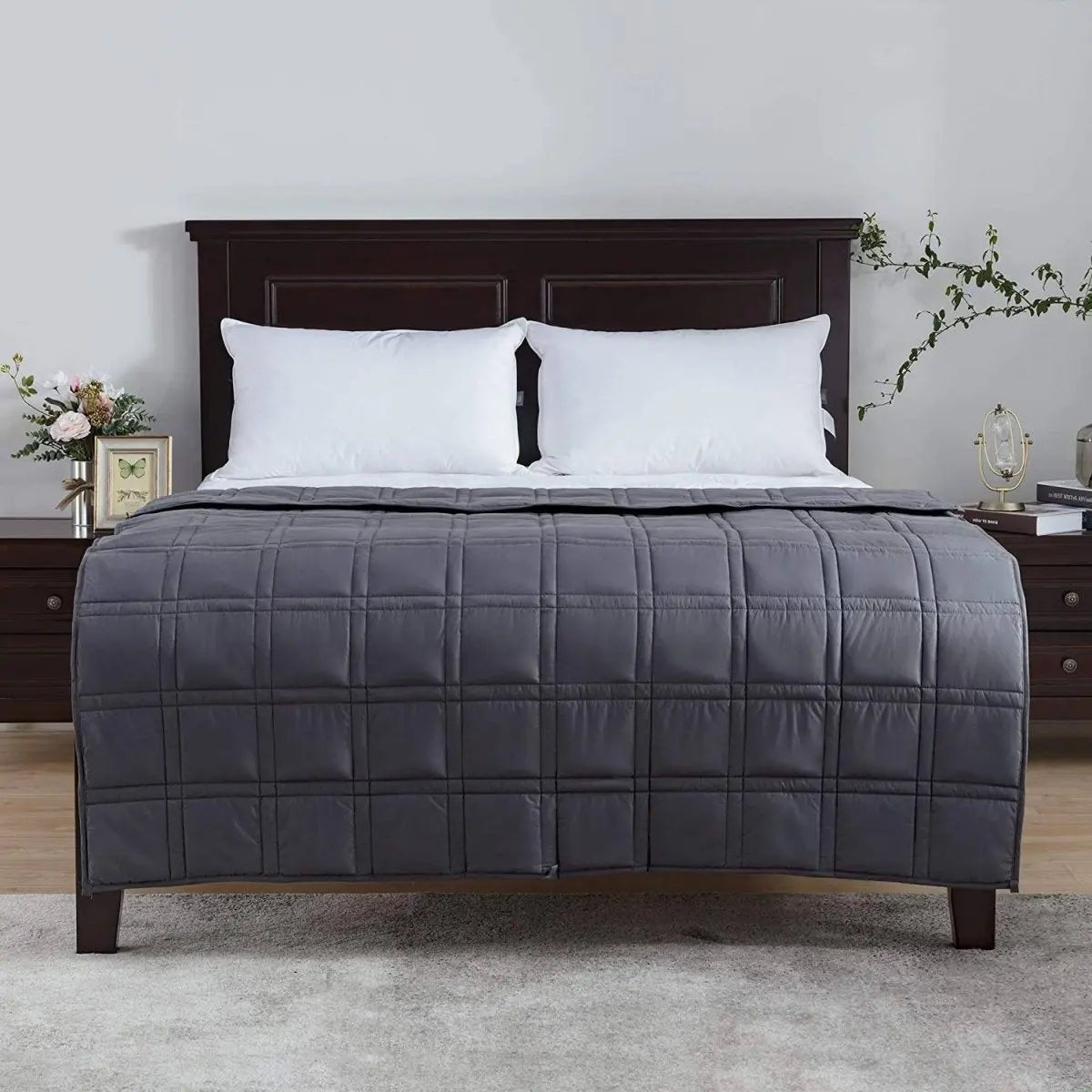





Guide Literie Modulable for Better Sleep
A bed that feels perfect in January can feel far too warm by April. Add a partner with different sleep preferences, a stuffy bedroom, or a stressful week, and one fixed bedding setup rarely meets the moment. This guide literie modulable is designed to help you build a more flexible sleep environment: one that can feel warm, cool, lightly cocooning, or deeply comforting without replacing your entire bedding collection.
Modular bedding is not about piling on more layers. It is about choosing a few thoughtful pieces that work well alone and even better together. The result is a bed that supports calmer nights, easier temperature regulation, and a more restorative wind-down routine.
What modular bedding really means
Modular bedding is a layered sleep system you can adjust according to the season, your body temperature, and the kind of comfort you need that night. Instead of relying on one heavy comforter or a single blanket year-round, you combine adaptable pieces such as sheets, a lightweight blanket, a duvet layer, and a comforting weighted option.
Each layer has a purpose. Breathable sheets manage the surface feel against your skin. A blanket adds warmth without the bulk of a filled duvet. A duvet or all-season system creates insulation when temperatures fall. A weighted blanket can provide gentle, even pressure for people who find that grounding sensation helps them settle before sleep.
The goal is not to create a perfectly styled bed that takes ten minutes to remake every morning. It is to create options. When the room runs warm, you can remove one layer. When your shoulders feel tense after a demanding day, you can add a calming layer without overheating the rest of your body.
Guide to modular bedding: start with your sleep patterns
Before choosing materials or colors, pay attention to what disrupts your rest. A modular setup works best when it responds to a real need rather than a trend.
If you wake up hot, begin with breathable, moisture-managing sheets and a lighter top layer. Bamboo is often a welcome choice for sleepers who prefer a smooth, cool-to-the-touch feel. If you feel cold at bedtime but warm up overnight, use a medium-weight layer that can be folded down easily instead of committing to a thick comforter.
For couples, modular bedding can ease the nightly negotiation over temperature. One shared fitted sheet and duvet cover can keep the bed looking refined, while individual blankets let each person choose their preferred warmth. This approach may feel less traditional, but it can be especially practical when one partner sleeps warm and the other reaches for extra coverage.
Stress and restlessness are another consideration. Some people enjoy the steady pressure of a weighted blanket while reading or settling down. Others prefer a lighter layer around their legs but not across their chest. Comfort is personal, and a modular bed gives you room to honor that without forcing one sensation all night.
Build your bed from the bottom up
A supportive sleep surface comes first. If your mattress feels too firm, a quality mattress topper can add pressure relief and a softer, more inviting feel. It is not a replacement for a worn-out mattress, but it can meaningfully change the comfort of a bed that is otherwise in good condition.
Next, choose sheets that match your temperature needs. Cooling sheets are useful for warm sleepers, summer bedrooms, and anyone who dislikes the clingy feel of synthetic fabrics. In cooler months, the same breathable sheets can still work beautifully under warmer layers. Versatility is what makes them a smart foundation.
Then add a flexible middle layer. This might be a lightweight blanket, a textured knit, or an all-season blanket system. The best option is one you can use on its own during mild weather and pair with a duvet or coverlet when the temperature drops. Look for enough breathability to prevent trapped heat, especially if you tend to wake during the night feeling overheated.
Your top layer should provide the warmth and visual finish you want. A duvet with a removable cover is naturally modular because you can switch the insert or cover by season. If you prefer a less formal bed, a blanket system can offer easier adjustment and less bulk. There is no single right choice: a duvet can feel more enveloping, while layered blankets often make it simpler to fine-tune warmth.
Add calming weight with care
A weighted blanket is one of the most distinct layers in a modular sleep setup. Its gentle pressure can create a grounded, held feeling that many people enjoy during evening routines, relaxation, or sleep. For those carrying a busy mind into bed, that sense of physical comfort can become a useful signal that the day is winding down.
It should not automatically be your warmest layer. A well-designed weighted blanket with breathable materials can be used over a sheet or lightweight blanket, then stored at the foot of the bed when you need less warmth. This makes it easier to keep the calming benefit without committing to extra insulation every night.
Weight, size, and personal comfort matter more than a blanket’s appearance. You should be able to move freely underneath it and remove it easily. If you have a health condition that affects breathing, circulation, mobility, or temperature regulation, speak with a qualified healthcare professional before using one. Weighted blankets are also not appropriate for infants, and children should only use an age-appropriate option with attentive adult guidance.
Choose materials that earn a place year-round
Modular bedding only feels effortless when the materials work together. A warm, dense fabric layered over non-breathable sheets can leave you uncomfortable, even when each piece is appealing on its own. Think in terms of airflow, washability, texture, and how each item will feel after repeated use.
Bamboo-based fabrics are valued for their soft hand feel and breathable performance. Cotton remains a familiar, dependable choice, particularly for duvet covers and everyday sheets. Plush sherpa or chunky knit pieces bring visual warmth and a cozy texture, but they are often best used as a seasonal accent or a relaxation layer rather than your only overnight blanket if you sleep warm.
For sensitive skin and peace of mind, consider textiles made with safety-conscious certifications such as OEKO-TEX. This does not decide comfort on its own, but it is a meaningful detail when bedding sits against your skin night after night.
Create seasonal combinations without overbuying
You do not need a separate bedding collection for every month. Start with a versatile core, then make small adjustments as the weather changes.
In warmer weather, breathable sheets and a lightweight blanket may be enough. Keep a weighted blanket nearby for quiet evenings, rather than assuming it must stay on the bed until morning. During transitional seasons, pair your sheets with an all-season layer and add a duvet only when the room cools down. In winter, use your warmest top layer while keeping the breathable base beneath it so you are less likely to feel stuffy.
This approach is especially helpful in homes where indoor temperatures shift from room to room. A guest room, basement bedroom, or sun-facing space may need a different combination than the primary bedroom. Modular bedding lets you adapt the bed instead of turning up the heat for the whole home.
Keep the system simple enough to use
The best sleep setup is one you will actually adjust. Store off-season layers in a clean, dry place that is easy to reach. Fold a lighter blanket at the foot of the bed so it is available when the temperature dips. Use a duvet cover that is easy to remove and wash, and follow care instructions carefully for weighted blankets, which may require more specific cleaning methods.
A refined bed can still be practical. Choose a calm palette, repeat one or two textures, and let the layers look intentional rather than crowded. Better Sleep designs comforting bedding essentials with this balance in mind: therapeutic-feeling comfort, breathable materials, and an elevated finish that belongs in everyday life.
Your sleep needs will change with the weather, your routine, and the season you are in personally. Give yourself a bed that can change with you. A lighter layer on a warm night or a little more comforting weight after a long day can be a small adjustment with a deeply welcome effect.


Leave a comment