



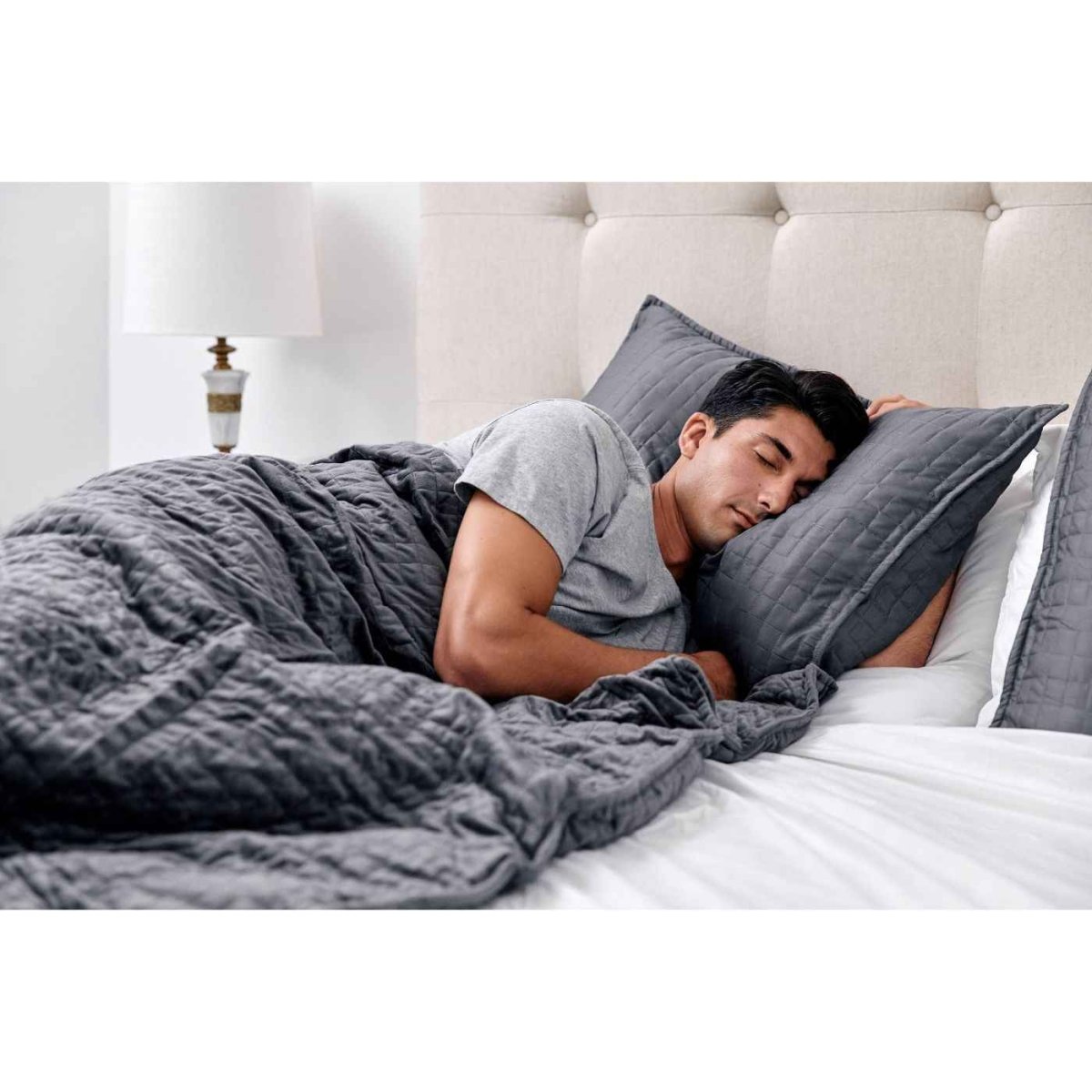
Guide to Breathable Bedding Materials
You can feel the difference between breathable bedding and everything else within a single night. If you wake up warm, damp, tangled in heavy fabric, or constantly kicking off the covers, this guide to breathable bedding materials will help you choose layers that support steadier, calmer sleep.
Breathability is not just about feeling cool. It is about how fabric handles heat, humidity, airflow, and contact with your skin over hours of rest. The right material can help reduce overheating, limit that sticky feeling that disrupts sleep, and create a bed that feels lighter and more restorative across seasons.
What breathable bedding actually does
Breathable bedding allows air to move through the fabric more easily while helping moisture dissipate instead of trapping it against the body. That matters if you sleep hot, deal with night sweats, share a bed with someone who runs warmer or cooler than you do, or simply want your bedding to feel fresher through the night.
Still, breathable does not always mean cold. Some fabrics regulate temperature well enough to feel comfortable year-round. Others feel especially crisp and airy but may not give you the softness or drape you want. The best choice depends on your sleep style, room temperature, and how much texture you enjoy.
A guide to breathable bedding materials by fabric type
Bamboo
Bamboo-derived fabrics are often a strong choice for sleepers who want softness and cooling in the same package. They tend to feel smooth, light, and gentle against sensitive skin, and they usually do a very good job of managing moisture. If your biggest complaint is waking up clammy rather than simply warm, bamboo is often worth a close look.
The feel is part of the appeal. Bamboo bedding usually has a fluid, silky hand that feels refined without becoming slippery. It also works well for people who want a cooler sheet but do not love the dry crispness of some cotton weaves.
There is a trade-off, though. Not all bamboo fabrics are made the same way, and quality varies. Lower-quality options can pill or lose that smooth finish faster than expected. If material integrity matters to you, it helps to look for well-made bedding with clear textile standards and thoughtful construction.
Cotton
Cotton remains one of the most familiar breathable bedding materials, and for good reason. It is versatile, accessible, and available in a wide range of feels depending on the weave and staple length. Good cotton can be airy, soft, and easy to live with.
But cotton is not one single experience. Percale cotton usually feels cooler and crisper, which makes it popular with hot sleepers and anyone who likes that fresh-sheet sensation. Sateen cotton feels smoother and a bit heavier, with a softer drape, but it may sleep warmer than percale. That does not make sateen a poor choice. It simply suits people who want breathability with a slightly cozier finish.
Thread count can be misleading here. A very high thread count may sound luxurious, but if the fabric becomes dense and less airy, it may not feel as breathable as a well-made lower thread count sheet.
Linen
Linen has a relaxed, airy quality that many warm sleepers love. It is made from flax and is known for strong airflow, moisture management, and that casually rumpled texture that feels effortless rather than polished. In hot weather, linen often performs beautifully.
It also has a distinct hand feel. Some people love its texture from the first night. Others need time to warm up to it. Linen softens with use, but it rarely feels as silky or smooth as bamboo or sateen cotton. If tactile comfort is your top priority, texture becomes part of the decision.
Linen is also often more expensive, especially in higher-quality versions. For many sleepers, the airflow and durability justify the investment. For others, a softer bamboo set or crisp cotton percale may feel more immediately comfortable.
Silk
Silk is usually discussed for hair and skin benefits, but it also offers natural temperature regulation. It can feel cool to the touch, lightweight, and refined. For pillowcases especially, silk can be an excellent addition to a breathable bedding setup.
As full bedding, silk is more specialized. It requires more careful maintenance, and some sleepers prefer the more grounded feel of cotton, bamboo, or linen for everyday use. Still, if you want a premium layer that feels smooth and light, silk has a place.
Tencel and other eucalyptus-based fabrics
Tencel and similar lyocell fabrics are often chosen for their soft feel and moisture-wicking performance. They are typically smooth, breathable, and comfortable for people who tend to overheat but still want their bedding to feel polished and soft.
Like bamboo, these fabrics can be excellent for hot sleepers, but quality matters. A well-made set can feel elevated and breathable. A lower-end version may not hold up as well over time.
Synthetic fabrics
Polyester and microfiber bedding can feel soft at first touch, and they are often affordable, but they are usually less breathable than natural or plant-derived alternatives. These materials tend to trap more heat and humidity, which can be frustrating if you already sleep warm or feel overstimulated by heavy bedding.
That said, blends are not always a bad thing. A small amount of synthetic fiber may improve durability or reduce wrinkling. The question is whether the blend still breathes well enough for your needs.
How to choose breathable bedding for your sleep style
If you sleep hot almost every night, start with sheets. They sit closest to your skin and make the biggest difference in how heat and moisture are managed. Bamboo, linen, cotton percale, and Tencel are usually the strongest starting points.
If your temperature shifts during the night, layering matters more than any single fabric. A breathable sheet paired with a heavy, non-breathable blanket can still leave you overheated. In that case, look at your whole sleep system - sheets, duvet cover, insert, blanket, and even mattress topper.
If you are sensitive to texture, be honest about what feels calming to you. Some people sleep better with the crispness of percale. Others relax more easily with the smoother, quieter feel of bamboo or silk. The most breathable fabric in theory is not the best one for you if you dislike how it feels.
If you live in a climate with cold winters and warm summers, year-round adaptability becomes important. This is where breathable materials really earn their place. They do not just help cool you down in summer. They help your bed feel more balanced, less stuffy, and easier to regulate in every season.
Beyond sheets: the rest of the bed matters
Breathable bedding is not only about sheet sets. Duvet covers, blanket fills, mattress toppers, and pillowcases all shape how your bed retains or releases heat.
A breathable duvet cover can improve the performance of your insert. A cooling pillowcase can make a noticeable difference if your face and neck run warm. A mattress topper with poor airflow can trap heat underneath you, even if your sheets are excellent.
This is also where many people get stuck. They upgrade one layer and expect the whole bed to change. Usually, the better approach is to identify the hottest point in your sleep setup and start there.
What to look for before you buy
Fabric type matters, but so does construction. A breathable material can still feel wrong if the weave is too dense, the finish is overly processed, or the quality is inconsistent. Certifications can also add reassurance, especially if you are looking for bedding that feels safe, soft, and thoughtfully made.
For many shoppers, the easiest path is to focus on three questions. Does it manage moisture well? Does it feel comfortable against your skin? Will it still perform after repeated washing? If the answer to one of those is no, keep looking.
Premium bedding should not just feel good for a few nights. It should support calmer, more comfortable sleep over time. That is why breathable, well-crafted materials often deliver better value than trend-driven fabrics that only sound impressive on the label.
The best breathable bedding material is the one you will keep using
There is no single best fabric for every sleeper. Bamboo is often ideal for softness and moisture control. Linen excels at airflow. Cotton percale feels crisp and classic. Silk adds a smooth, cooling touch. Tencel offers softness with strong temperature regulation.
What matters most is how your bed feels at 2 a.m., when your body is trying to settle into deeper rest instead of adjusting to trapped heat. Choose materials that help your nervous system relax, your skin stay comfortable, and your sleep environment feel light rather than heavy.
A breathable bed does not need to feel clinical or minimal. It can feel soft, elevated, and deeply comforting. When your materials work with your body instead of against it, rest comes more easily, and that change tends to show up night after night.


Leave a comment