





Guide to Sensory Sleep Products for Calmer Nights
The moment you climb into bed should feel like a release, not another adjustment. If your mind is still busy, your body feels restless, or small sensations such as heat, light, and scratchy fabric keep pulling you awake, the right sensory support can make bedtime feel more settled. This guide to sensory sleep products explains how gentle pressure, temperature control, softness, and reduced stimulation can help create a sleep space that supports calm.
Sensory sleep products are not a substitute for medical care or a guaranteed fix for insomnia. They are practical comfort tools designed to make your environment feel safer, quieter, and more predictable. For many people, that physical sense of ease becomes a meaningful part of a more consistent wind-down routine.
What Makes a Sleep Product Sensory?
Sensory comfort is about how a product feels against and around your body. It may offer evenly distributed weight, a smooth surface, cooling airflow, soft texture, or light-blocking coverage. Each feature responds to a different source of bedtime discomfort.
For someone who feels overstimulated after a demanding day, gentle pressure from a weighted blanket may feel grounding. For a hot sleeper, breathable bamboo sheets or a cooling blanket can reduce the distraction of trapped heat. For someone sensitive to light, a softly weighted sleep mask can create a more contained, restful setting.
The goal is not to add more to your bed for the sake of it. It is to identify the sensations that make it harder to settle, then choose one or two products that address them well.
A Guide to Sensory Sleep Products by Need
For stress, restlessness, and a busy mind: weighted blankets
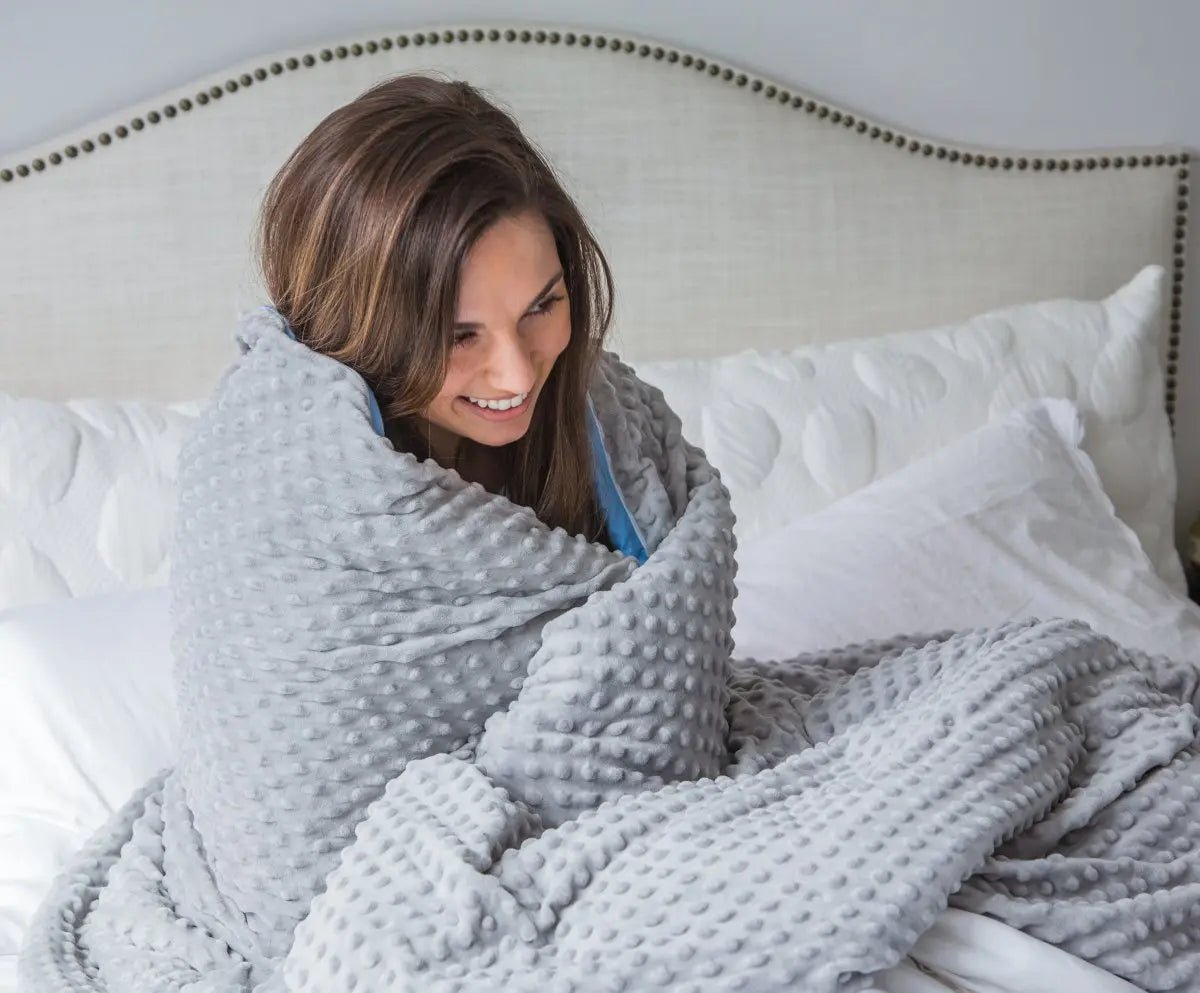
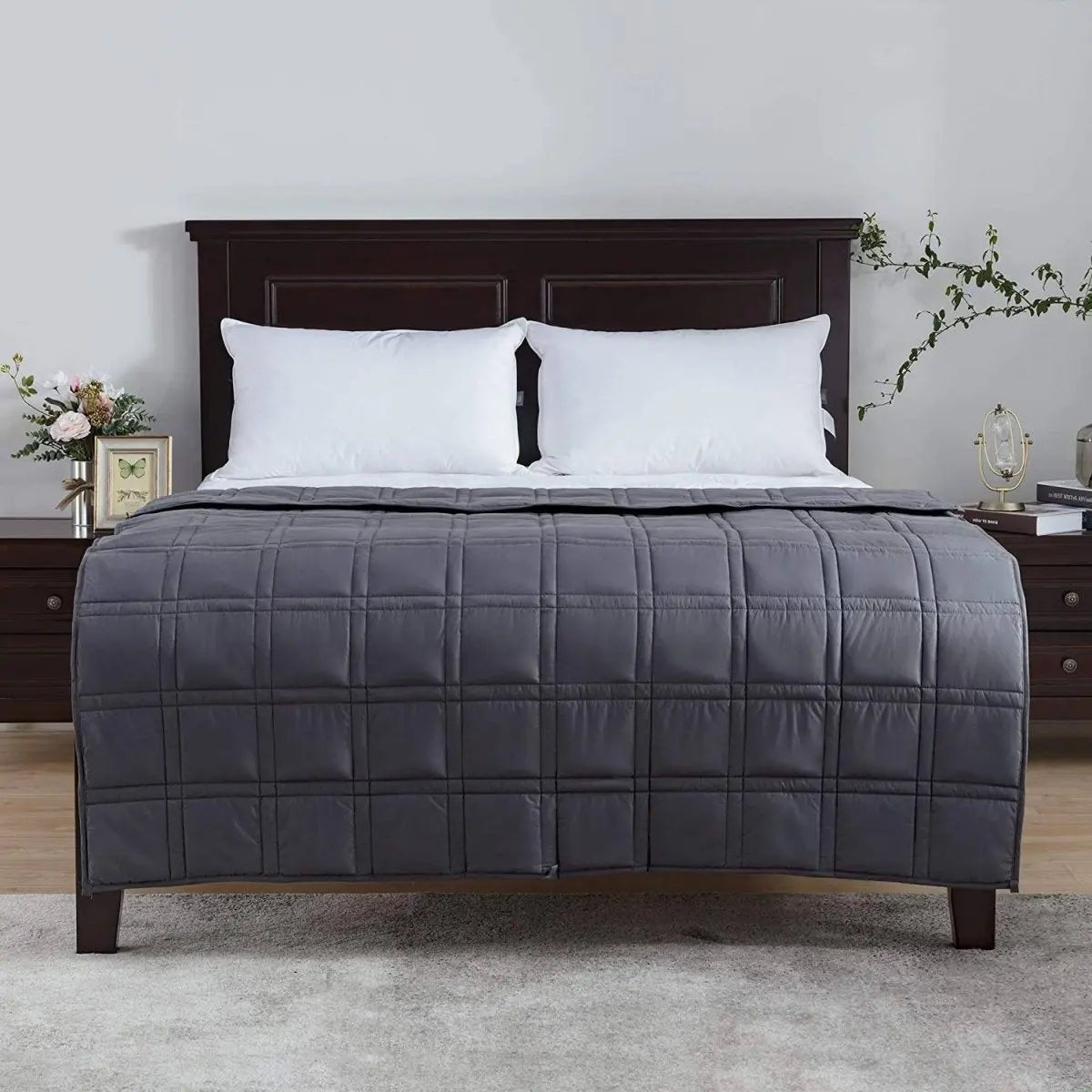
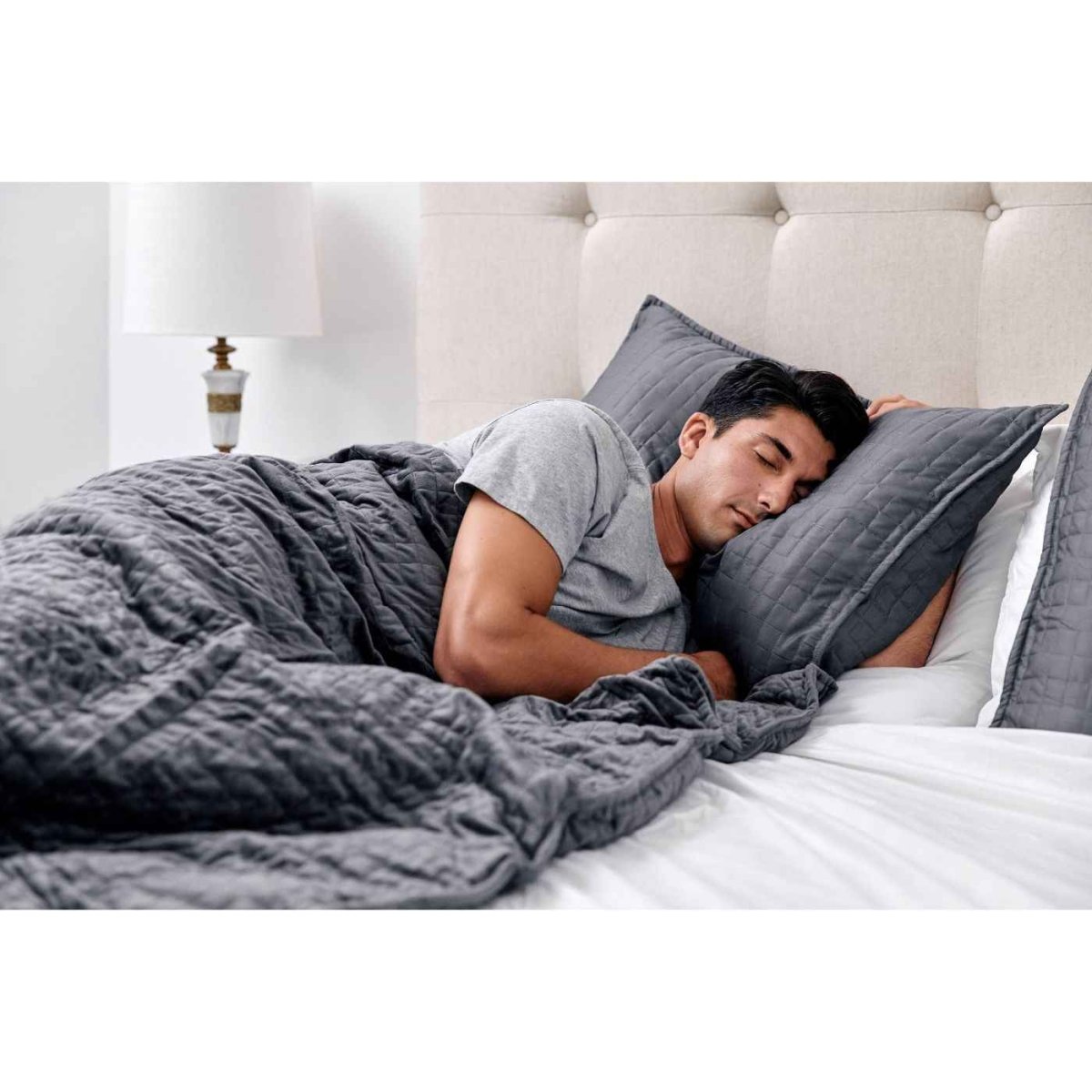
Weighted blankets use deep, even pressure across the body. Many adults describe the feeling as similar to a long, reassuring hug - steady enough to feel comforting, without requiring effort or attention. This gentle pressure can be especially appealing at the end of a high-stimulation day, when you want your body to receive a clear signal that it is time to rest.
Weight is personal. A blanket that feels supportive to one person may feel restrictive to another, so comfort should always lead the decision. Look for a weight that allows you to move freely and adjust your position with ease. The blanket should rest on you, not pin you down.
A removable cover or an all-season design can add versatility, particularly if you want the grounding feel of a weighted blanket without overheating. Cooling bamboo therapy sets are a thoughtful choice for people who want pressure-based comfort but tend to sleep warm.
Weighted products require extra care for children and anyone with mobility, breathing, circulation, or temperature-regulation concerns. A child should be able to remove the blanket independently, and caregivers should follow age, size, and product-specific guidance. When in doubt, speak with a qualified healthcare professional before introducing a weighted product.
For night sweats and temperature sensitivity: cooling layers
Overheating can turn a comfortable bed into a cycle of tossing, uncovered limbs, and interrupted sleep. Cooling sensory products focus on breathability and moisture management, helping your sleep surface feel less heavy and humid.
Bamboo bedding is valued for its silky-soft hand feel and breathable structure. It can be an excellent option if traditional fabrics feel rough or hold too much warmth. Cooling sheets, lightweight duvet covers, and temperature-conscious blanket systems let you build a bed that feels comfortable across changing seasons rather than overly warm in one and too thin in another.
There is a trade-off to consider. Some people prefer the cocooning feel of plush sherpa or chunky knit layers, even though they may be too warm for summer use. Rather than choosing between comfort and temperature, consider using your coziest texture as a reading or lounge layer, then switching to breathable bedding for sleep.
For sensitivity to fabric texture: soft, low-friction bedding
Texture is easy to overlook until it becomes the reason you cannot get comfortable. Seams, stiff weaves, pilling, and rough finishes can feel much more noticeable at night, especially when you are already tired or emotionally depleted.
Start with the layers that touch your skin most often: sheets, pillowcases, and duvet covers. Smooth, high-quality fabrics create less friction and can make turning over feel easier. Silk pillowcases offer a cool, refined feel for people who dislike coarse cotton or want to minimize hair and skin friction. Bamboo fabrics offer another soft, breathable option with a relaxed, welcoming finish.
If you are sensitive to texture, wash new bedding before using it and pay attention to care instructions. The wrong detergent, excess fabric softener, or high-heat drying can change the feel of a fabric over time. A simple care routine helps preserve the softness you chose it for.
For light sensitivity and bedtime tension: weighted sleep masks
Even a small amount of hallway light or early morning sun can interrupt a carefully prepared sleep environment. A sleep mask creates a darker visual field, but a weighted sleep mask adds a light, gentle pressure around the eye area for an extra feeling of calm.
The fit matters more than the weight. Choose a mask that sits comfortably without pressing hard on the eyes, slipping during the night, or trapping too much heat. It can be particularly useful for travel, shared bedrooms, shift work, or homes where light control is not always possible.
A weighted sleep mask is often best used as part of the transition into sleep. Pair it with a few quiet minutes, low lighting, and a screen-free pause. If you wake up uncomfortable, simply remove it. Sensory products should always make your routine feel easier, never more restrictive.
For a more supported sleep surface: mattress toppers and pillows
Sometimes restlessness is less about your blanket and more about the surface underneath you. A mattress topper can soften a bed that feels too firm or refresh a mattress that has lost some of its comfort. This extra cushioning may reduce the urge to constantly reposition during the night.
Pillow comfort is equally personal. Consider your preferred sleep position, whether you tend to wake with neck tension, and how much warmth you hold around your head and shoulders. Smooth pillowcases and a supportive pillow can work together to make your bed feel more inviting without overcomplicating it.
How to Build a Sensory-Friendly Bed Without Overdoing It
A calm bed is intentional, not crowded. Begin with the discomfort that affects your sleep most often. If heat is the issue, start with breathable sheets. If you crave pressure and find it reassuring, consider a weighted blanket. If light keeps waking you, a sleep mask may offer the simplest improvement.
Then give the new product time. Use it consistently for several nights before deciding whether it belongs in your routine. Your body may need a brief adjustment period, especially with weighted products or a major change in fabric feel.
It also helps to keep your sensory cues consistent. Reserve your softest bedding, favorite blanket, or sleep mask for winding down rather than using them throughout a busy workday. Over time, these familiar signals can help make the transition from activity to rest feel more natural.
Choosing Quality That Feels Good Night After Night
Premium sensory sleep products should feel considered in both material and construction. Look for breathable fabrics, secure stitching, even weight distribution where applicable, and textiles that have been tested for harmful substances, such as OEKO-TEX-certified options. These details matter because sleep products are used close to the skin, often for hours at a time.
Consider practical features, too. A washable cover, an all-season design, or a blanket system that adapts to different temperatures can make a higher-quality piece more useful throughout the year. Thoughtful construction is what turns a comfort purchase into an everyday ritual.
Better Sleep creates sensory-focused bedding and weighted comfort pieces with this balance in mind: therapeutic ease, refined materials, and designs made for real nightly use. The best choice is the one that feels reassuring from the first touch and still fits your sleep needs after the season changes.
Tonight, notice what your body asks for when the lights go down: less heat, less light, a softer surface, or a little more grounding pressure. Start there, keep the change simple, and let your bed become a place that gently asks less of you.


Leave a comment