




How Bamboo Bedding Feels Softer Over Time
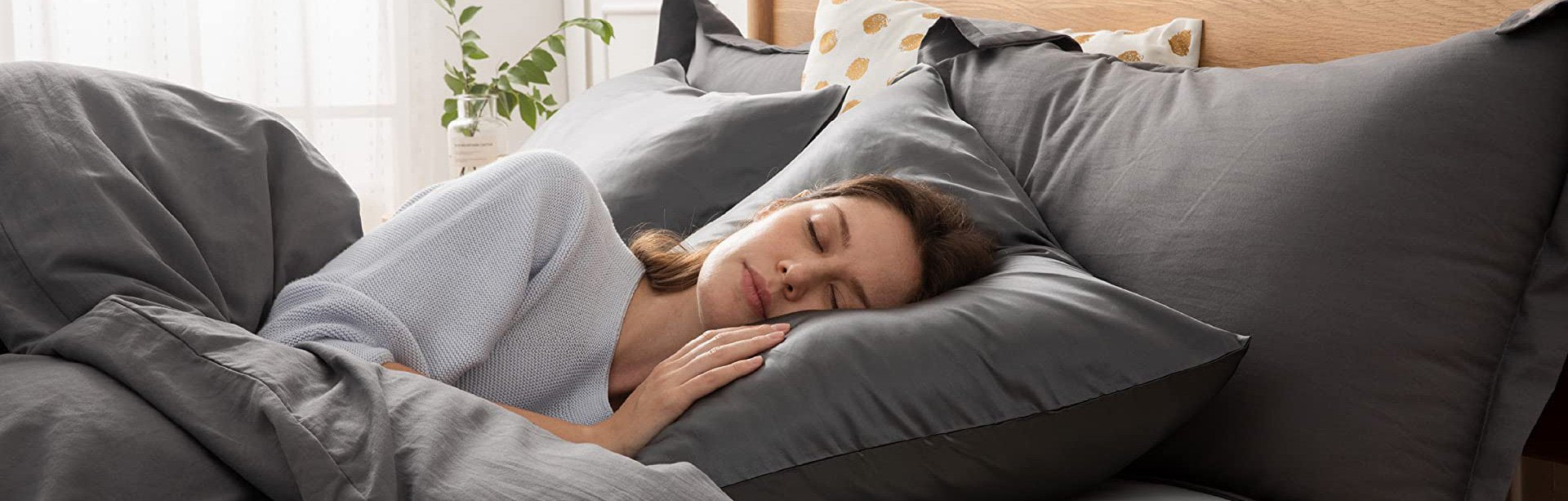
The first night in bamboo sheets can feel noticeably different: cooler against warm skin, smoother over tired shoulders, and less likely to cling when you shift positions. Understanding how bamboo bedding feels softer begins with the fibers themselves, but the lasting comfort also comes down to fabric construction and the way you wash it.
For people who run warm, feel overstimulated by rough textures, or simply want their bed to feel more restorative at the end of a long day, that difference can be meaningful. Bamboo bedding is designed to offer a gentle, refined feel without the heavy, stiff break-in period often associated with crisp cotton sheets.
Why bamboo bedding starts out so smooth
Most bamboo bedding is made from bamboo-derived viscose, rayon, or lyocell. The bamboo is processed into regenerated cellulose fibers, then spun into yarn and woven into fabric. While the manufacturing method matters, the familiar soft feeling is largely tied to the finished fiber's smooth surface.
Compared with shorter or more irregular fibers, bamboo-derived fibers can be spun into fine, even yarns. That can create a fabric with fewer raised edges against the skin. Instead of the dry, papery feel some sheets have when new, quality bamboo bedding often feels fluid and soft from the first use.
The weave adds to that sensation. Many bamboo sheets use a sateen weave, which places more thread surface across the top of the fabric. The result is a soft, lightly lustrous finish that drapes easily around the body. It is comfort you notice when you first slide into bed, especially if your skin is sensitive or you prefer bedding that feels relaxed rather than crisp.
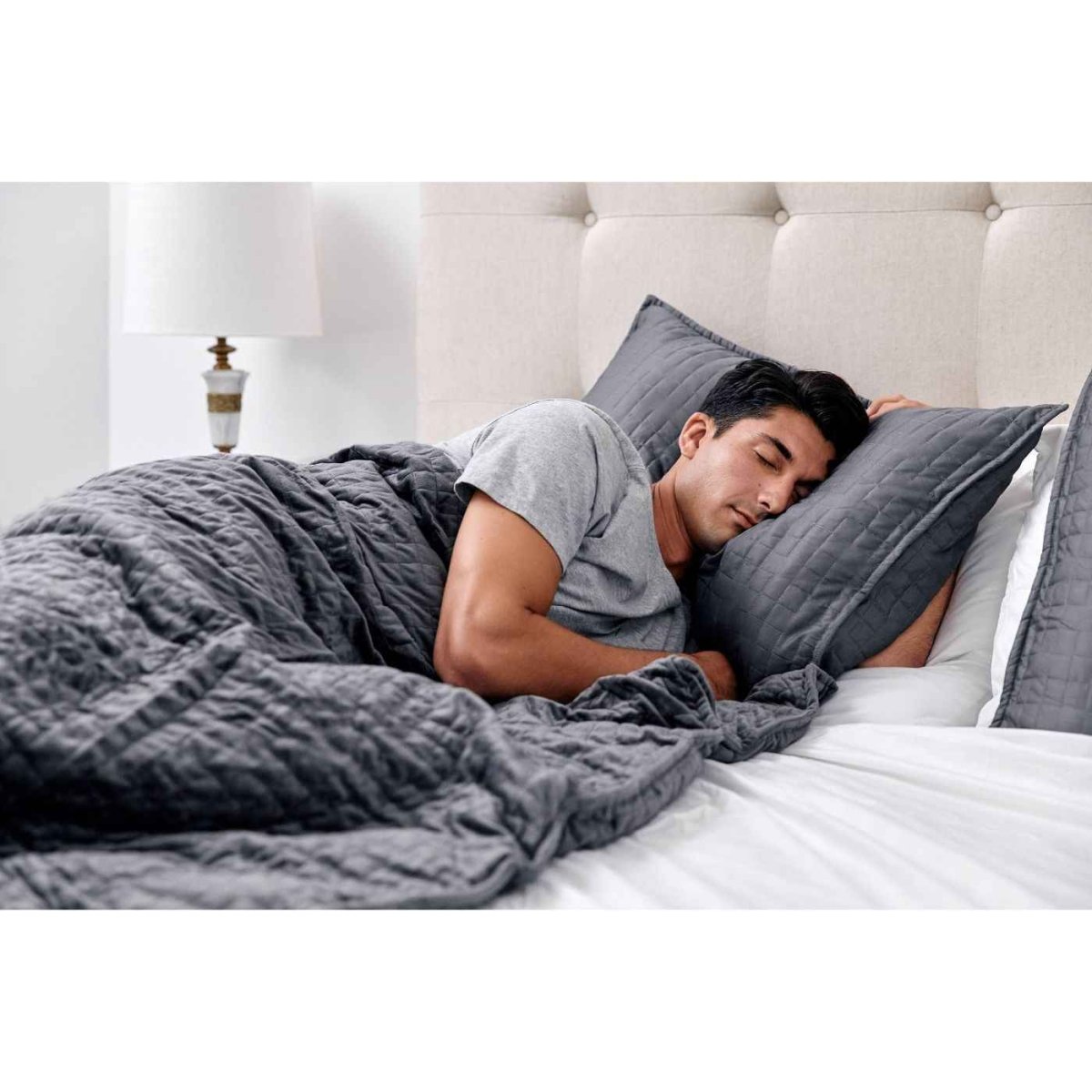
That smoothness is not just about luxury. Less friction can make the bed feel calmer when you are trying to settle in. For sleepers who toss and turn, or for anyone building a more soothing bedtime routine, small sensory details can help the whole room feel more considered.
How bamboo bedding feels softer with use
A well-made bamboo sheet set usually does not need a long break-in period. Still, it can become even more supple after several gentle washes. This is not because the fibers are wearing out. With proper care, washing helps relax the fabric, remove any residual finishing agents, and allow the weave to settle into its natural drape.
Think of a favorite soft T-shirt. It does not become comfortable because it is being treated harshly. It becomes more familiar and flexible because the fabric is cared for consistently. Bamboo bedding responds in a similar way. Over time, it can feel less structured, more fluid, and more inviting against the skin.
The change is often subtle rather than dramatic. If your sheets feel rough or stiff after the first wash, the cause may be detergent buildup, hard water minerals, high dryer heat, or a lower-quality blend rather than the bamboo fabric itself. Premium bedding should feel smooth, but it should also hold that comfort through regular use.
Softness is not the same as slipperiness
Bamboo bedding is often described as silky, but it does not need to feel slick to feel soft. A quality bamboo fabric should have a gentle glide and a soft hand, while still feeling substantial enough to stay comfortably in place on the mattress.
This balance matters. Some sleepers love the polished drape of sateen bamboo, while others prefer a more matte, lightly textured finish. The best choice depends on what helps you feel settled. If you want the smoothest possible sensation, look for bamboo bedding with a sateen weave. If you prefer a more classic sheet feel, a bamboo-cotton blend may feel more familiar, though it may not have the same cool, flowing drape.
The cooling effect can make softness more noticeable
Temperature and texture are closely connected. When sheets trap heat or feel damp against the body, even a soft fabric can become distracting. Bamboo bedding is valued for its breathable, moisture-managing feel, which can help it stay more comfortable through warm nights and changing seasons.
This does not mean bamboo sheets will make every sleeper cold. Their cooling reputation is better understood as temperature balance. The fabric can feel airy and less insulating than many heavier cotton or synthetic options, helping people who tend to overheat feel less trapped beneath the covers.
For warmer sleepers, this temperature regulation can make the softness feel more consistent throughout the night. You are less likely to wake up wanting to kick the sheets away because the fabric has become hot, clingy, or uncomfortable. Pairing bamboo sheets with a breathable duvet insert or an all-season blanket system can create a bed that adapts more gently to your needs.
What can make bamboo bedding feel less soft?
Even beautifully made sheets need thoughtful care. Bamboo-derived fabrics are fine and smooth, which is part of their appeal, but it also means they benefit from a lower-friction laundry routine. High heat and harsh chemicals can affect the finish over time.
Wash bamboo bedding in cold water on a gentle cycle, ideally with similar soft fabrics. Use a mild liquid detergent and skip bleach, which can weaken fibers and alter the feel of the fabric. Fabric softener is usually unnecessary. It can leave behind a coating that reduces breathability and makes sheets feel less clean, even if they initially seem softer.
Dry on low heat or air dry when possible. Excessive dryer heat may cause the fibers to tighten or become less supple. Remove sheets promptly to limit wrinkles, then fold or place them back on the bed. If they need smoothing, a low iron setting is generally kinder than aggressive heat.
Hard water can also affect the feel of any bedding. If your sheets seem increasingly stiff despite gentle washing, mineral buildup may be the issue. A rinse cycle with a small amount of white vinegar can help remove residue, though it should not replace regular detergent or become necessary with every wash.
Choosing bamboo bedding that stays comfortable
Not every product labeled “bamboo” will feel the same. Fabric quality, fiber content, weave, and finishing practices all shape the final experience. Look beyond thread count alone. With bamboo, an extremely high thread count is not automatically a sign of a better sheet. In some cases, it can mean the fabric is woven too densely to feel as breathable as expected.
Instead, pay attention to the listed material composition. One hundred percent bamboo-derived viscose or rayon can provide the signature smooth, drapey feel many sleepers are looking for. Blends may offer added durability or a different texture, but they can also change the cooling and softness profile.
Certifications can offer extra reassurance, particularly if you are choosing bedding for sensitive skin, children, or a wellness-focused bedroom. OEKO-TEX-certified textiles are tested for harmful substances, supporting a sleep space that feels as considered as it does comfortable.
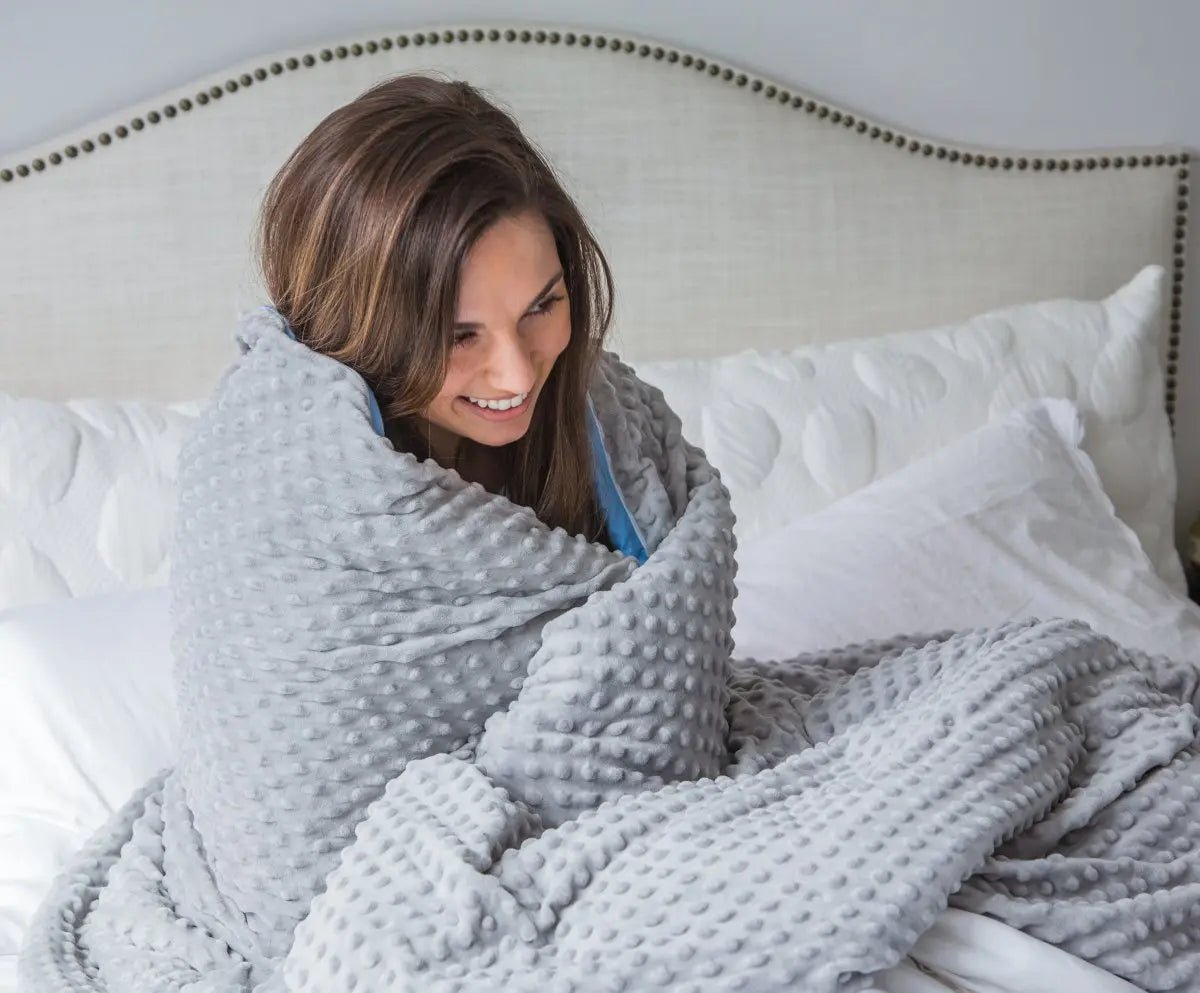
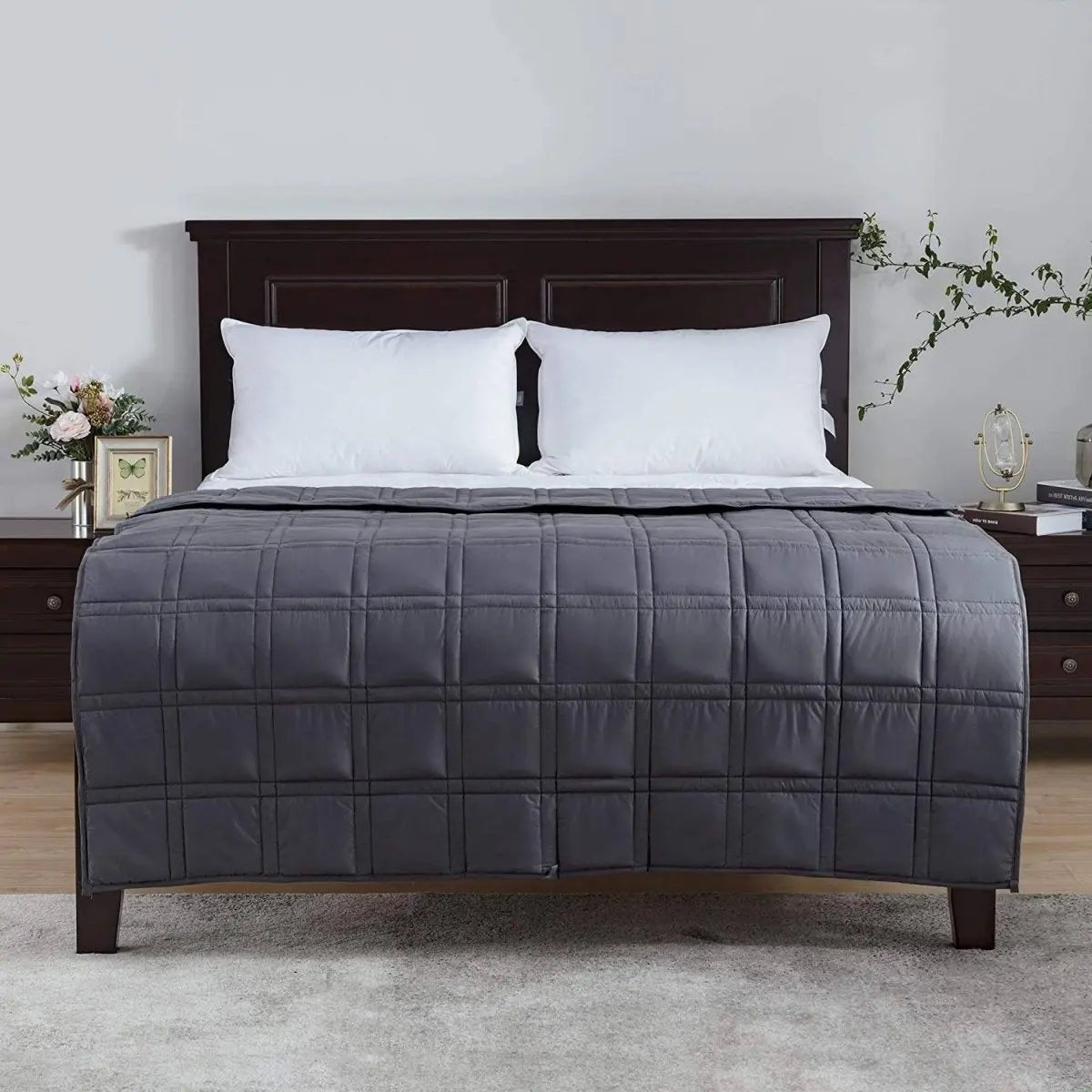
Also consider the full bed, not just the fitted sheet. A soft bamboo duvet cover, cooling sheets, and a supportive mattress topper can work together to make the bed feel more welcoming. If you enjoy the grounding comfort of a weighted blanket, breathable bamboo layers can help balance that gentle pressure with a cooler sleep surface.
A softer bed can support a calmer routine
Bamboo bedding will not solve stress or insomnia on its own. Sleep is personal, and factors like room temperature, daily routines, light exposure, and anxiety all play a role. But tactile comfort is a practical place to start. When your sheets feel cool, smooth, and easy to settle into, bedtime can become one less source of friction.
Give your bedding a few gentle washes, care for it with low heat and mild detergent, and notice how it feels as it becomes part of your nightly rhythm. The goal is not perfection. It is a bed that feels quietly comfortable, night after night, and gives you a softer place to come back to.


Leave a comment