



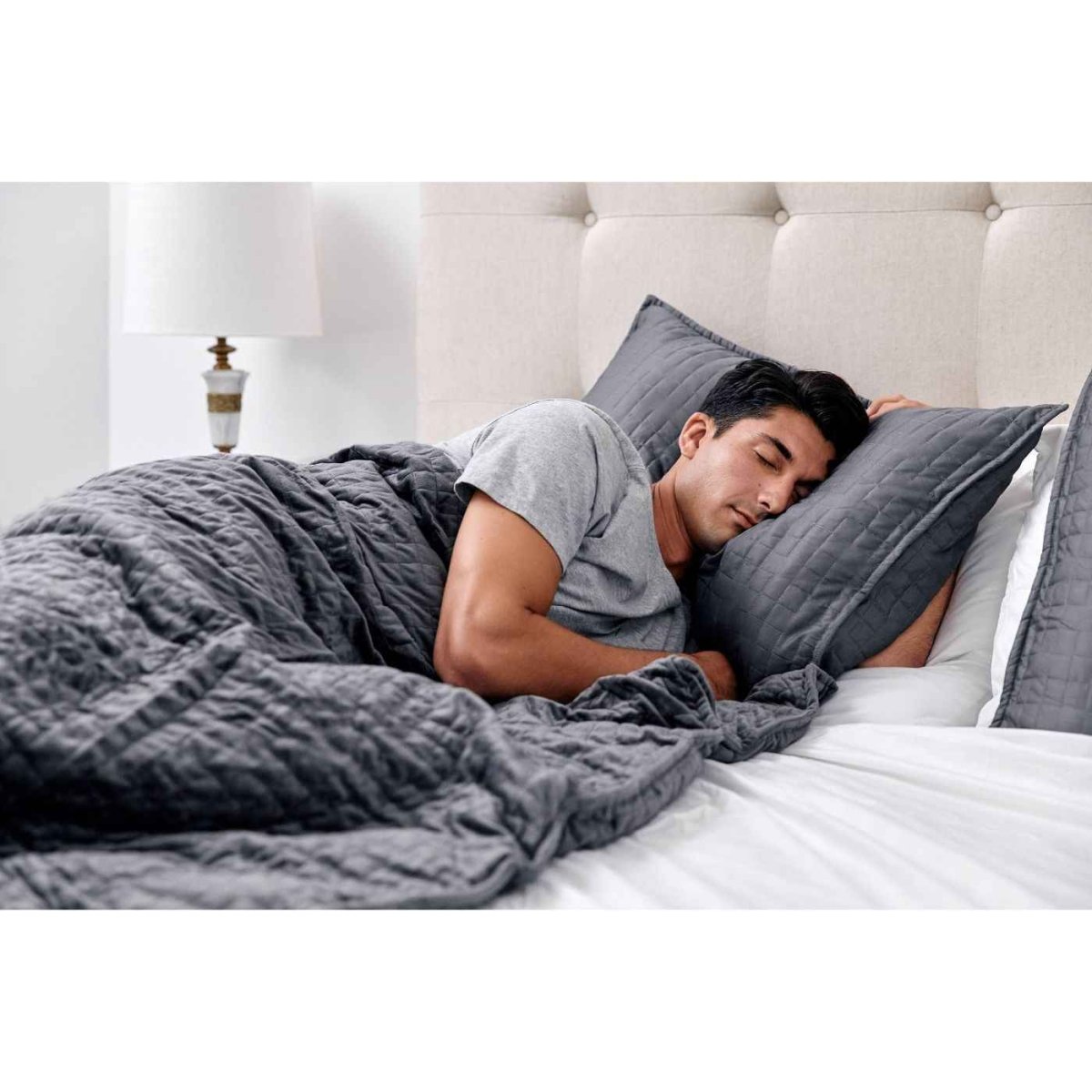
How to Cool Down While Sleeping Better
A room that feels fine at 9 p.m. can feel unbearable at 2 a.m. That is usually when the tossing starts - one leg out of the covers, pillow flipped to the cool side, sheets kicked off, then pulled back on. If you are searching for how to cool down while sleeping, the answer is rarely just one product or one trick. Better sleep usually comes from a few small changes that work together.
Overheating at night is common, even for people who do not think of themselves as “hot sleepers.” Stress, hormone shifts, heavy bedding, trapped body heat, and stale bedroom air can all raise your sleep temperature just enough to disrupt deep rest. The good news is that cooling your sleep environment does not need to feel complicated. A calmer, cooler night often starts with what touches your body most closely - your sheets, pillowcase, mattress surface, and the air around your bed.
Why overheating interrupts sleep
Your body naturally lowers its core temperature as part of the sleep process. That slight drop helps signal that it is time to rest. When your environment works against that shift, falling asleep can take longer and staying asleep can feel harder.
This is why overheating tends to show up as frequent wakeups rather than one obvious problem. You may not fully wake each time, but your sleep becomes lighter and less restorative. Many people describe it as feeling tired despite spending enough hours in bed.
The trade-off is that sleeping too cold can also be disruptive. The goal is not an icy bedroom. It is a steady, breathable sleep setup that helps your body regulate temperature without effort.
How to cool down while sleeping starts with your bedding
Bedding has an outsized effect on nighttime temperature because it sits directly against your skin for hours. If your sheets trap moisture or your comforter holds too much heat, the rest of your room setup matters less.
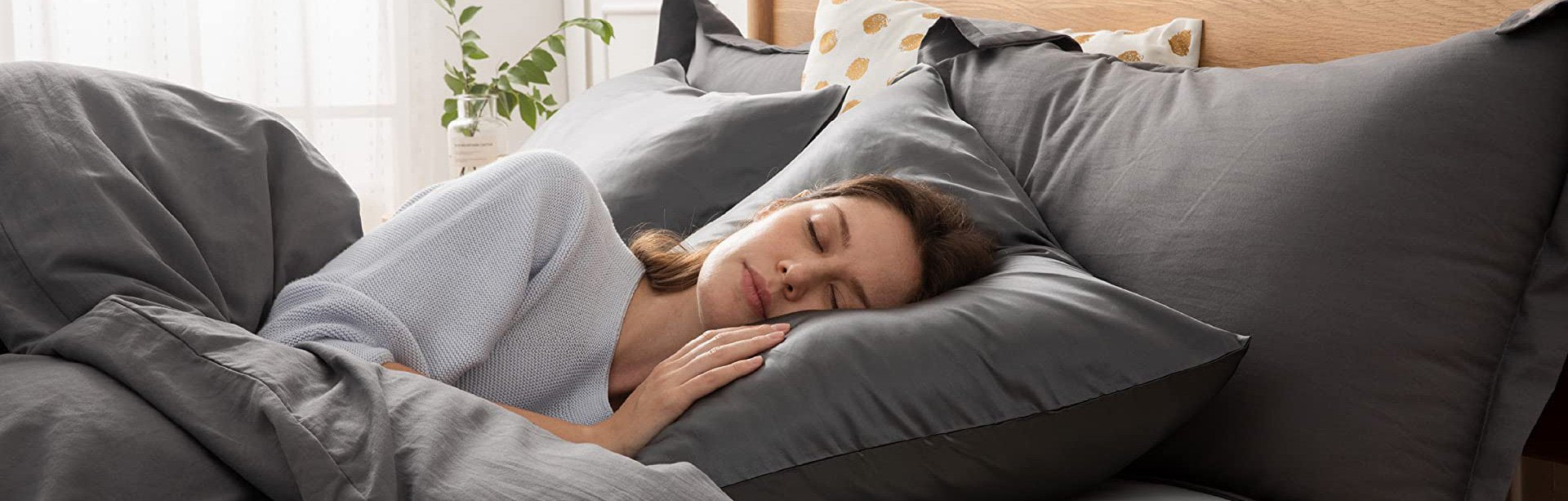
Start with breathable sheets. Bamboo, cotton percale, and other moisture-wicking fabrics tend to feel cooler and lighter than dense synthetic blends. They do two things well: they allow airflow, and they help manage sweat so you do not wake up feeling damp. If you tend to overheat and still want your bed to feel soft and comforting, this is often the best place to upgrade first.
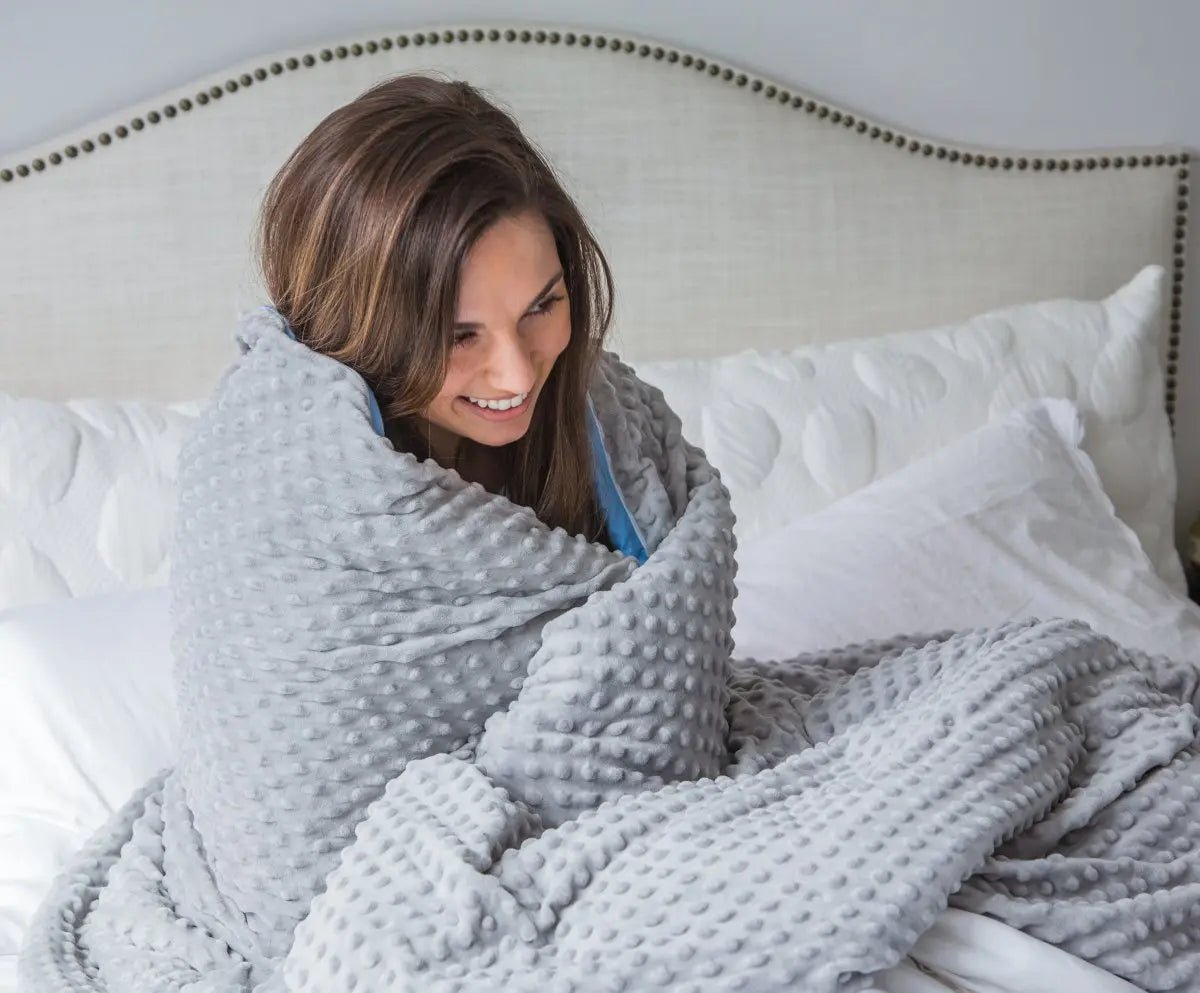
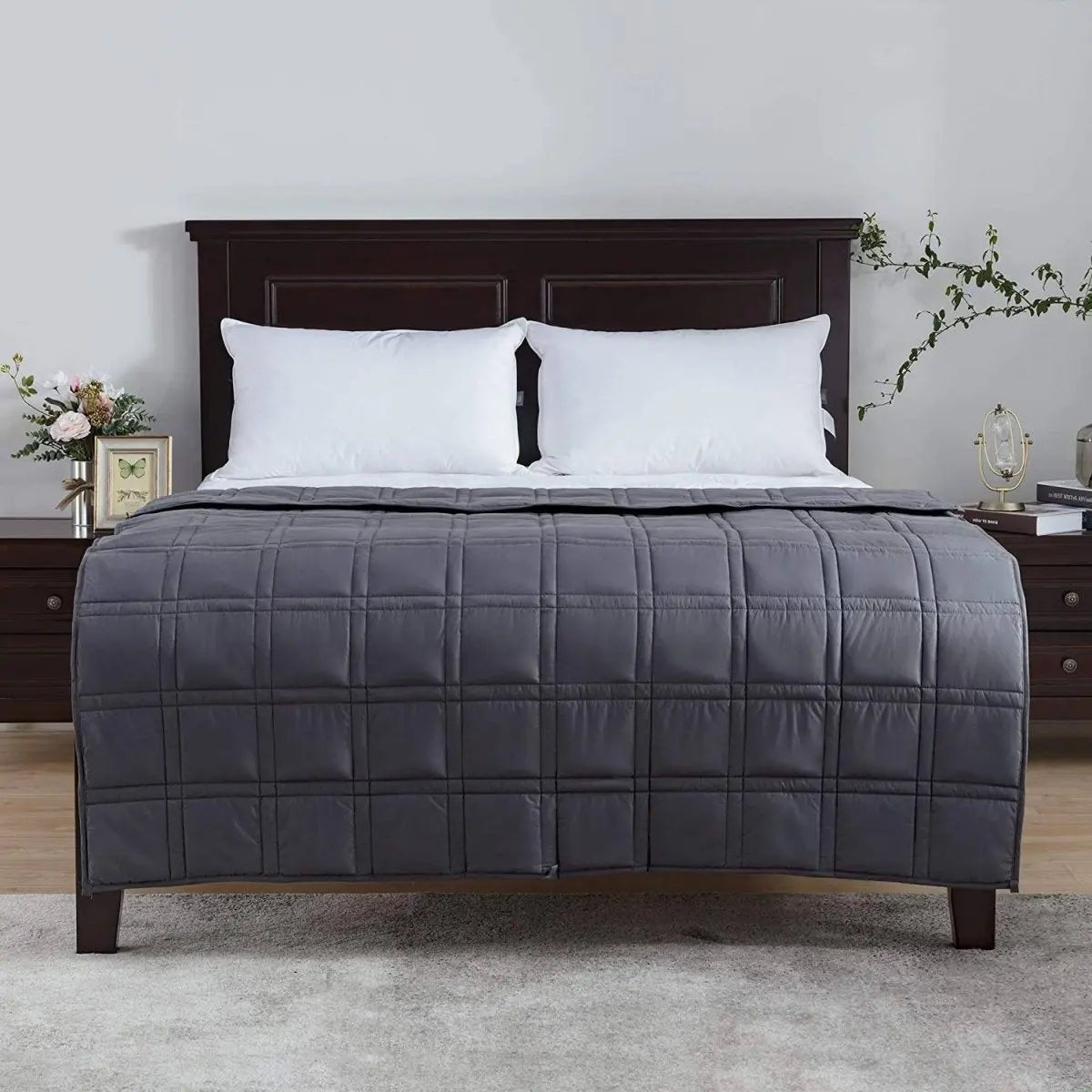
Your top layer matters just as much. A heavy comforter may feel cozy at bedtime but become stifling overnight. Many sleepers do better with a lighter all-season layer that gives warmth without excess insulation. If you like the grounded feeling of added weight, balance matters. Look for sleep layers designed with breathability in mind rather than simply adding bulk.
The surface underneath you also holds heat. Some mattresses retain warmth more than others, especially if they contour closely around the body. If replacing a mattress is not realistic, a cooling mattress topper can make a noticeable difference by improving airflow and reducing heat buildup where pressure is highest.
Your bedroom environment matters more than you think
Even excellent bedding can only do so much in a warm, stagnant room. If your bedroom holds heat, your body has to work harder to cool itself through the night.
Set the room slightly cool before bed, not after you have already overheated. A fan can help, but airflow is the real benefit, not just the feeling of cold air. Moving air prevents heat from lingering around your body and bedding. If outdoor temperatures allow it, opening a window for a short time before sleep can help refresh the room.
Humidity also changes how warm you feel. A room with high humidity can make normal temperatures feel heavier and more uncomfortable because sweat does not evaporate as easily. If your bedroom feels sticky rather than simply warm, reducing moisture in the air may help as much as lowering the temperature.
Light and electronics contribute too. Lamps, televisions, laptops, and even chargers generate heat. In smaller bedrooms, that extra warmth can add up. Keeping the room dim and limiting electronics near the bed supports both cooler sleep and a calmer bedtime routine.
What to wear if you sleep hot
Sleepwear can either trap heat or help release it. Tight, synthetic fabrics are often the problem. They hold warmth close to the body and can make minor sweating feel much worse.
Loose, lightweight sleepwear made from breathable materials usually works best. Some people sleep coolest in minimal clothing, while others prefer a light layer that wicks moisture and prevents skin from sticking to sheets. It depends on your comfort level, your bedding, and the season.
If you wake up hot around your chest, neck, or behind the knees, your sleepwear may be contributing more than you realize. These are areas where heat tends to collect. A softer, more breathable fabric can reduce that trapped feeling without making you cold.
Evening habits that help your body cool down
If your body is still running hot at bedtime, your room can only compensate so much. What you do in the hour or two before sleep affects how easily your temperature drops.
A very hot shower right before bed can backfire for some people. Warm water can be relaxing, but if it leaves you flushed and steaming, it may delay that natural cooling process. In that case, try a lukewarm shower earlier in the evening. The goal is to feel settled, not overheated.
Late meals, alcohol, and intense evening workouts can also raise body temperature. That does not mean you need a perfect routine. It means patterns matter. If you consistently feel hot at night, look at timing. A workout finished earlier, a lighter dinner, or less alcohol close to bed can all make sleep feel noticeably cooler.
Stress plays a role too. When your nervous system stays activated, your body often feels warmer, tenser, and less ready for rest. Gentle wind-down habits like dimming lights, stretching lightly, or using a weighted sleep mask can support a more grounded transition into sleep.
When cooling products are worth it
Not every hot sleeper needs a full bedroom overhaul. Often, one or two targeted upgrades solve most of the problem.
Cooling sheets are usually worth it if your current sheets feel clammy, heavy, or warm to the touch. A cooling pillowcase can help if you wake up sweating around your head and neck. A mattress topper makes more sense when the heat seems to come from underneath you, especially if your mattress holds warmth.
If you prefer the comfort of a blanket year-round, choose one designed for breathability rather than layering several heavier options. This is where premium materials matter. A well-made cooling or all-season sleep layer tends to regulate better through the night, rather than feeling chilly at first and stuffy by morning.
For many people, the best results come from combining a breathable fitted sheet, a temperature-conscious top layer, and a cooler pillow surface. That combination tends to feel more natural than chasing cold air alone.
When hot sleep may be about more than your room
Sometimes the answer to how to cool down while sleeping is partly environmental and partly physical. Hormonal changes, medications, anxiety, illness, and sleep disorders can all affect temperature regulation.
If night sweats are sudden, severe, or new for you, it is worth paying attention. The same is true if you regularly wake drenched, feel unwell, or notice other symptoms along with overheating. Better bedding can improve comfort, but it should not replace medical guidance when something feels off.
There are also seasonal realities. Summer sleep often requires a different setup than winter sleep, even in a climate-controlled home. Swapping heavier layers for breathable ones during warmer months is not indulgent. It is practical sleep care.
A cooler bed should still feel comforting
Many hot sleepers worry that fixing the temperature means giving up the sense of comfort they need to fall asleep. That is not necessarily true. The best sleep setup feels both breathable and secure.
That is why material quality matters so much. Soft, moisture-wicking fabrics can still feel elevated. Lightweight bedding can still feel cocooning. And for people who love the calming effect of gentle pressure, there are thoughtfully made options that support relaxation without turning the bed into a heat trap.
At Better Sleep, this balance is central to good sleep design. The most effective solutions are not just cooler. They are calmer, more breathable, and easier to live with night after night.
If your nights have felt too warm lately, start simple. Change the layer closest to your skin, lighten the bedding above you, and give your room a little more airflow. Small shifts can make bedtime feel easier again - and sometimes that is all it takes to let sleep come naturally.


Leave a comment