


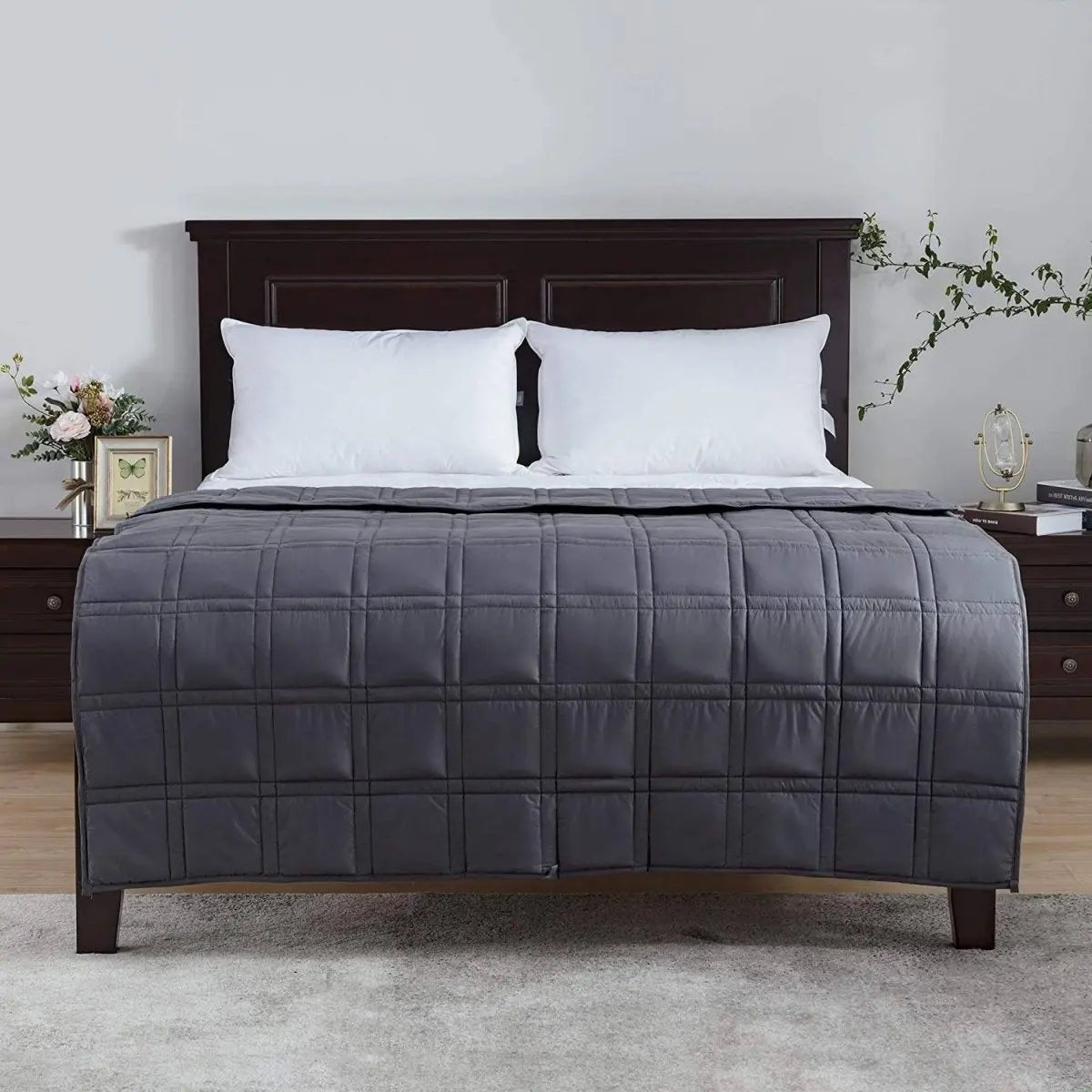





How to Layer Bedding for Winter Without Overheating
A cold bedroom can make sleep feel strangely alert: shoulders tense, feet searching for warmth, and every small draught suddenly noticeable. Learning how to layer bedding for winter is less about piling on heavy covers and more about creating a bed that holds warmth gently, releases excess heat, and feels calming from the moment you lie down.
The most restful winter bed is adjustable. Your body temperature changes through the night, especially if you share a bed, experience night sweats, or tend to wake warm after falling asleep chilly. A considered mix of breathable sheets, insulating middle layers, and a comfortable top layer gives you options without turning bedtime into a battle with the duvet.
Start with a warm, breathable foundation
Good winter layering starts underneath you. If your mattress feels cold, firm, or slightly unwelcoming, extra blankets on top will only solve part of the problem. A quality mattress topper adds a little insulation between your body and the mattress while creating a softer surface that can help your muscles settle.
Choose fitted sheets in a fabric that feels comfortable against your skin rather than automatically choosing the thickest option. Brushed cotton can feel cosy in a cold room, while bamboo sheets are a thoughtful choice for people who run warm or find themselves waking up clammy. Bamboo is naturally breathable and moisture-wicking, so it can offer a smoother temperature balance even when the weather outside is sharp.
The goal is a foundation that feels warm when you first get into bed but does not trap every bit of heat you produce overnight. For many sleepers, this is the difference between sleeping through and waking to throw off the covers at 2am.
How to layer bedding for winter, from lightest to warmest
Build your bed in layers that each have a clear job. That makes it easy to adjust the warmth without remaking the whole bed.
1. Keep the sheet layer soft and temperature-aware
Your fitted sheet and pillowcases are the layers closest to your skin. They should feel reassuring, never scratchy or overly synthetic. If you are sensitive to heat, choose breathable bamboo or cotton rather than a dense, non-breathable fabric. A cool, smooth pillowcase can be particularly helpful for preventing that overheated feeling around the face and neck.
2. Add a light blanket for flexible warmth
A lightweight blanket between your sheet and duvet is the quiet workhorse of a winter bed. It holds a pocket of warm air close to the body without adding the bulk of a second duvet. This is ideal for homes where the heating lowers overnight or for couples who prefer different temperatures.
A breathable all-season blanket works well here because it can stay on the bed beyond winter. On milder nights, you may use it alone. When temperatures drop, it becomes your adjustable middle layer.
3. Use the duvet as your main insulating layer
Your duvet should provide most of the bed’s warmth, but it does not need to do everything. A medium- to high-warmth duvet can suit a genuinely cold bedroom, while a lighter duvet combined with a blanket may be more comfortable for naturally warm sleepers.
Duvet covers matter more than they are often given credit for. A breathable cover helps moisture move away from the body and keeps the bedding from feeling stifling. If you tend to sleep hot but dislike the shock of a cold bed, this combination of lighter duvet and insulating blanket is often more balanced than one very heavy duvet.
4. Finish with comfort, not weight for weight’s sake
A sherpa throw, chunky knit, or plush blanket can make the bed look inviting and offer extra warmth while reading or winding down. Keep this top layer easy to fold back. It is best used as a flexible finishing piece, not something you must stay beneath all night.
This approach also lets you warm your bed before sleep, then remove a layer if you know you are likely to heat up later. Small adjustments are more useful than one oversized, overly warm cover.
Choose materials based on how you sleep
There is no single best winter bedding combination because body temperature, room temperature, and personal comfort are all different. Start with how you usually wake up.
If you wake cold, focus on insulation. A mattress topper, brushed cotton sheets, a breathable blanket, and a warmer duvet can create a noticeably cosier sleep environment. Keep a throw folded at the foot of the bed for your feet, which often feel the cold first.
If you wake hot or sweaty, focus on airflow and removable warmth. Bamboo sheets, a lighter duvet, and an all-season blanket are usually a better place to start than flannel and multiple thick layers. You still need warmth, but you need it in a form you can easily push aside.
If you share a bed, separate layers are especially helpful. One partner can pull up the middle blanket while the other sleeps beneath the duvet alone. In some cases, two individual duvets are worth considering. It may not look as traditional, but it can reduce the nightly tug-of-war over the covers.
Where a weighted blanket fits in winter bedding
For some adults, a weighted blanket adds a welcome sense of grounding at bedtime. The gentle, evenly distributed pressure can support a calmer wind-down routine, particularly when stress or a busy mind makes it difficult to settle.
In winter, use a weighted blanket thoughtfully rather than simply adding it on top of every other layer. It can retain warmth, so many people prefer it over a sheet or light blanket, with a breathable duvet available nearby if needed. Others enjoy it while reading or relaxing before sleep, then switch to their regular duvet for the night.
If you use one, choose a weight that feels comfortable and allows you to move freely. Weighted blankets are not suitable for infants, and anyone with a health condition affecting breathing, circulation, mobility, or temperature regulation should seek personalised clinical advice first. Comfort should always feel easy, never restrictive.
Make the bed warmer before you get in
A well-layered bed works best when the wider room supports it. You do not need to turn the heating up high. In fact, many people sleep more comfortably in a cool room with warm, breathable bedding. The aim is to avoid an icy bed while keeping the air fresh enough for uninterrupted rest.
A few simple habits can help: close curtains before dusk to reduce heat loss, keep the bed away from a persistent draught where possible, and air the room briefly during the day rather than leaving a window open all evening. If you use a hot water bottle, place it near the foot of the bed before getting in and remove it once you are settled. Check it carefully for wear and follow its safety guidance.
Avoid relying on an electric blanket beneath a weighted blanket unless both manufacturers explicitly say the combination is suitable. Heat, pressure, and bedding materials should always be used according to their care and safety instructions.
Refresh your layers, rather than adding more
When winter bedding stops feeling comfortable, the answer is not always another cover. A duvet that has flattened, a topper that no longer offers support, or sheets that hold onto moisture can make a bed feel colder and less restorative.
Wash sheets regularly, air duvets and blankets when practical, and rotate seasonal pieces so they remain fresh. If your bedding has become tangled, heavy, or too warm, simplify it for a few nights. Start with a breathable sheet, one blanket, and your duvet, then add only what you genuinely miss.
Better Sleep’s approach to seasonal comfort is simple: choose materials that feel good against your skin, layer them so warmth is easy to control, and make your bed a place where your body can finally soften. A winter bed should not feel like an effort to escape from. It should be the calmest part of the day.


Leave a comment