



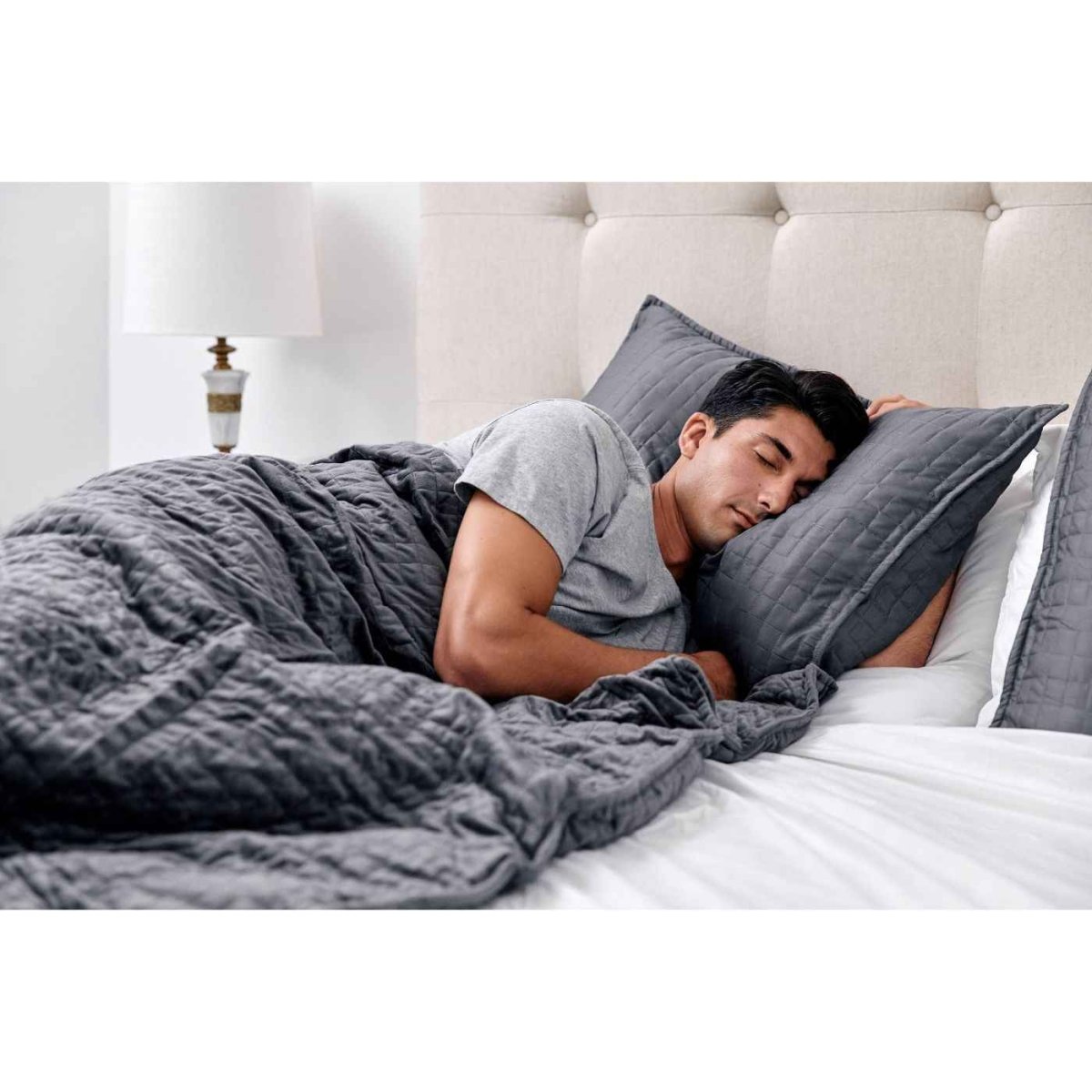
Masque lesté ou soie - which mask suits you?
A bright room, a partner reading late, an early summer sunrise - small interruptions can make switching off feel harder than it should. When choosing between a masque lesté ou soie, the best option is not simply the most luxurious-looking one. It is the mask that answers what is keeping you awake: light, mental restlessness, temperature, or a mixture of all three.
A silk mask brings soft darkness with an exceptionally smooth feel against the skin. A weighted sleep mask adds a gentle, even pressure across the eye area, creating a more grounding bedtime ritual. Both can earn a place in a considered sleep routine, but they offer distinctly different kinds of comfort.
Masque lesté ou soie: understand the difference
The decision comes down to whether you want sensory calm or a lighter, cooler barrier from light.
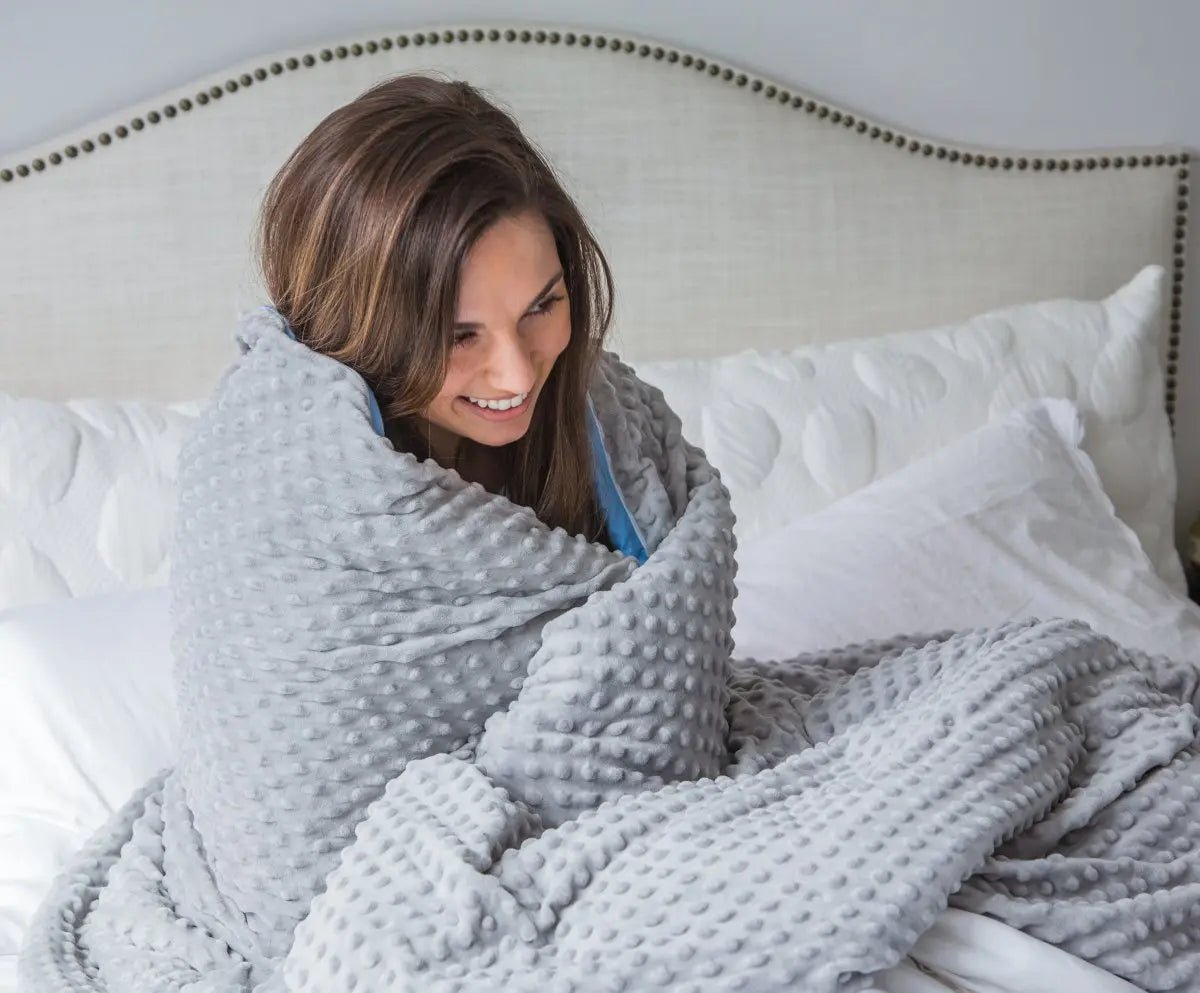
A weighted sleep mask is designed to rest softly over the eyes. Its added weight creates a cocooning sensation that many people find reassuring after a demanding day. Similar in principle to the comforting feeling of a weighted blanket, it can encourage you to pause, settle your breathing and leave the day outside the bedroom. For people whose thoughts tend to race once the lights go out, that small element of pressure can make a meaningful difference to how relaxed the bedtime routine feels.
A silk sleep mask is all about effortless softness. Natural silk has a smooth surface that minimises friction against delicate facial skin and lashes. It feels light, airy and elegant, making it especially appealing if you dislike the sensation of anything substantial over your eyes. It is also easy to pack for weekends away, flights or nights spent in a hotel where the curtains do not quite block the light.
Neither is automatically better. The right choice depends on the kind of comfort you reach for when you need to rest.
Choose a weighted mask when you need to feel grounded
The appeal of a weighted mask is not merely darkness. It is the quiet signal it gives your body: this is a moment to rest. A gentle, balanced weight can be particularly comforting when you feel overstimulated by screens, noise or a long list of tomorrow's tasks.
This style may suit you if you often lie down tired but still feel mentally alert. It can also be a thoughtful addition to a wind-down routine that includes low lighting, a calming tea or a few unhurried minutes away from your phone. The mask does not replace good sleep habits, but it can make the transition to rest feel more intentional.
Fit matters more than many people realise. Look for a mask that sits evenly rather than pressing into the bridge of the nose or pulling at the elastic. The weight should feel soothing, never restrictive. A breathable, soft-touch cover is equally important, particularly if you sleep warm or plan to wear it for more than a short rest.
A weighted mask can be useful beyond bedtime, too. Some people enjoy it during a quiet lie-down, a meditation break or while listening to an audiobook. The purpose is simple: create a pocket of calm when your senses need less input.
A few occasions to be more careful
More weight is not always more comforting. If you have a recent eye procedure, an eye condition, persistent headaches, facial pain or any concern about pressure around the eyes, check with a qualified healthcare professional before using a weighted mask. The same applies if the mask causes discomfort, numbness or a feeling of strain.
For everyday use, listen to your own response. A well-chosen weighted mask should feel like a soft exhale, not something you need to tolerate.
Choose silk when cool, weightless comfort matters most
Silk is often chosen for its refined feel, and for good reason. The fibres create a smooth surface that glides across the skin rather than catching against it. For side sleepers and anyone who values a gentler experience around the eye area, this can be a welcome detail.
Silk masks are also a strong choice for warm sleepers. While no sleep mask can control the temperature of an entire room, a lightweight silk design is less likely to feel heavy or overly insulating. If you tend to throw off bedding during the night, or simply prefer barely-there layers, silk may be the more comfortable option.
Light blocking varies considerably between styles. A very thin silk mask may feel beautiful but allow light around the nose or sides. If complete darkness is your priority, choose a well-shaped design with enough structure to sit close to the face without squeezing. Small details such as an adjustable strap and a contoured fit can make a bigger difference than the material alone.
Silk does need considered care. Gentle washing, cool water and careful drying help protect its finish. That little bit of maintenance is worthwhile for many people, but it may not suit everyone. If you want a mask that can cope easily with frequent washing after travel or nightly use, check the care instructions before deciding.
The best choice for your sleep pattern
If you want help narrowing it down, begin with the problem you notice most often at bedtime.
Choose a weighted sleep mask if your bedroom is already dark enough, but you struggle to let go of tension. The light pressure may help create the grounding sensation you have been missing. It is particularly suited to a deliberate evening routine, when you want your sleep environment to feel calmer and more contained.
Choose silk if unwanted light is the main issue and you prefer a cool, featherlight finish. It is a polished, practical option for travel, shared bedrooms and early mornings when the sun arrives before you are ready to wake.
If both benefits appeal, you do not necessarily have to choose one forever. A silk mask can be ideal for warmer nights, travel and mornings when you want to fall back asleep. A weighted mask may become the one you reach for after stressful days, when your mind needs a clearer cue that it is safe to settle. Sleep needs change with the seasons, routines and the demands of everyday life.
What to look for before you buy
Material and weight matter, but comfort is built from several details working together. Prioritise a mask that blocks light effectively without digging into the cheeks or leaving a gap around the nose. An adjustable strap helps you find a secure fit without flattening hair or causing tension behind the ears.
For weighted designs, look for evenly distributed filling and a breathable outer fabric. A mask with poorly balanced weight can shift as you turn, making it distracting rather than calming. For silk designs, seek a quality fabric and neat construction, especially around the edges and strap, where wear tends to show first.
It is also worth thinking about hygiene. Your sleep mask sits close to your face night after night, often alongside skincare products and natural oils. Choose one with clear care guidance, and wash it as recommended to keep it feeling fresh and comfortable.
Make your mask part of a calmer night
The most effective sleep accessories are the ones you actually enjoy using. Keep your mask within reach, lower the lights a little earlier and give yourself a few quiet minutes before trying to sleep. This consistency teaches your mind that rest is approaching.
For a more sensory, comforting ritual, pair a weighted mask with bedding that feels breathable and reassuring. For a lighter, cooler experience, a silk mask alongside fresh sheets can make the bed feel like a place you want to return to. Better Sleep designs its sleep essentials around this simple idea: thoughtful comfort can make everyday rest feel more restorative.
Choose the mask that makes you feel most at ease the moment it touches your skin. That feeling of comfort is often the gentlest and most reliable place to begin.
Leave a comment