



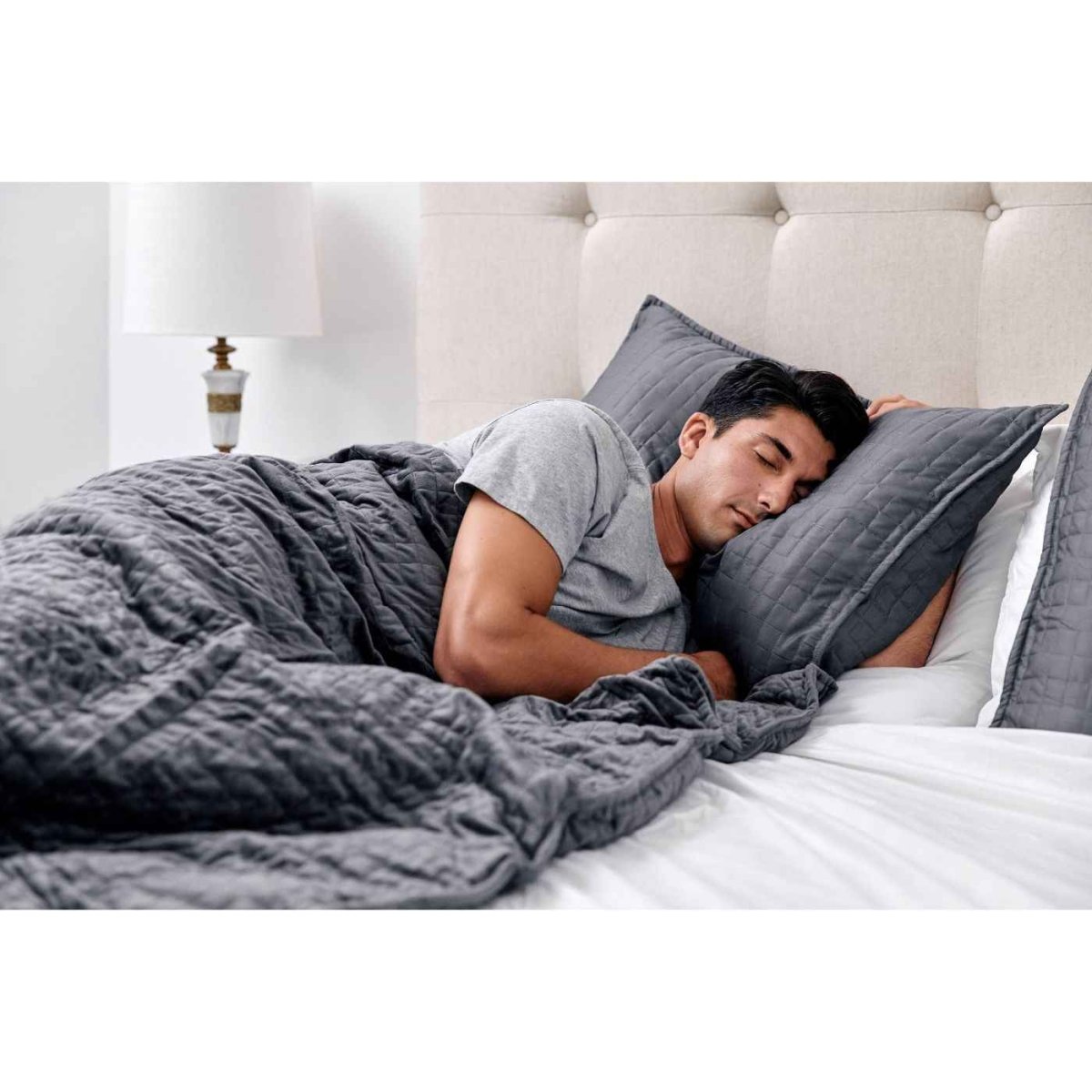
Les meilleurs textiles certifiés sans toxines
Your bedding stays close to your skin for hours at a time, often when your body is trying to slow down and recover. That is why searching for the meilleurs textiles certifiés sans toxines is about more than a beautifully made bed. It is about choosing materials that feel reassuringly soft, breathe well, and come with clearer evidence of how they have been made.
For anyone managing restless nights, temperature changes, sensitive skin or a full mental load, the smallest details can shape the feeling of bedtime. A thoughtfully chosen duvet cover, sheet or blanket cannot solve every sleep challenge. It can, however, remove one more source of discomfort and help make your sleep space feel calmer, cleaner and more considered.
What “certified without toxins” should really mean
No textile can honestly promise a completely chemistry-free journey. Fibres are grown, cleaned, dyed, woven, washed and finished before becoming the bedding in your home. The more useful question is whether the finished material has been independently tested or certified against recognised limits for substances that could be harmful to human health.
This distinction matters. Terms such as “natural”, “eco-friendly” and “non-toxic” can be helpful starting points, but they are not certifications on their own. A fabric may be made from a natural fibre and still be treated with dyes, finishes or processing agents you would prefer to avoid. Equally, a man-made fibre can be carefully tested and well suited to sensitive sleepers.
Look for a certification that identifies both the standard and, ideally, the product or licence number. This gives you something more meaningful than a broad marketing claim. For bedding, the strongest choices balance verified material safety with the practical qualities that affect your rest: softness, breathability, washability and durability.
The certifications worth knowing for safer bedding
OEKO-TEX Standard 100
OEKO-TEX Standard 100 is one of the most recognisable textile safety certifications. It tests finished textiles and their components, which may include fabric, thread, buttons and trims, for a broad range of regulated and non-regulated substances that could be harmful.
For bedding that sits against bare skin, this is particularly reassuring. The standard uses product classes, with more stringent requirements for items intended for babies and young children. It does not mean the textile is organic, nor does it assess every environmental impact of production. What it does offer is a clear, relevant check on the finished product you are bringing into your bedroom.
GOTS for organic textile integrity
The Global Organic Textile Standard, often called GOTS, is most relevant when organic fibres are a priority. It sets requirements for organic fibre content, processing, dyes and social criteria across the supply chain. For cotton bedding, GOTS can offer stronger confidence that the organic claim extends beyond the raw fibre.
There is a trade-off to understand. GOTS bedding may cost more, and the colour palette can sometimes be more restrained because of dye requirements. For many households, that is a worthwhile choice. For others, OEKO-TEX-certified bedding in a fabric they will use and love every night may be the more practical fit.
MADE SAFE and other product-level standards
Some standards assess products using a wider lens, considering human health and environmental factors alongside ingredients. These labels can be valuable, especially when you want to understand the full product story. Their availability in bedding varies, so do not assume every premium item will carry the same certification.
The best approach is not to chase every badge. Choose the certification that answers your main concern, then assess whether the fabric itself suits your sleeping needs.
Which certified fabrics work best at night?
The best material is not simply the one with the most appealing label. It is the one that supports your personal comfort, your home’s temperature and the way you care for your bedding.
Bamboo-derived fabrics for cooler comfort
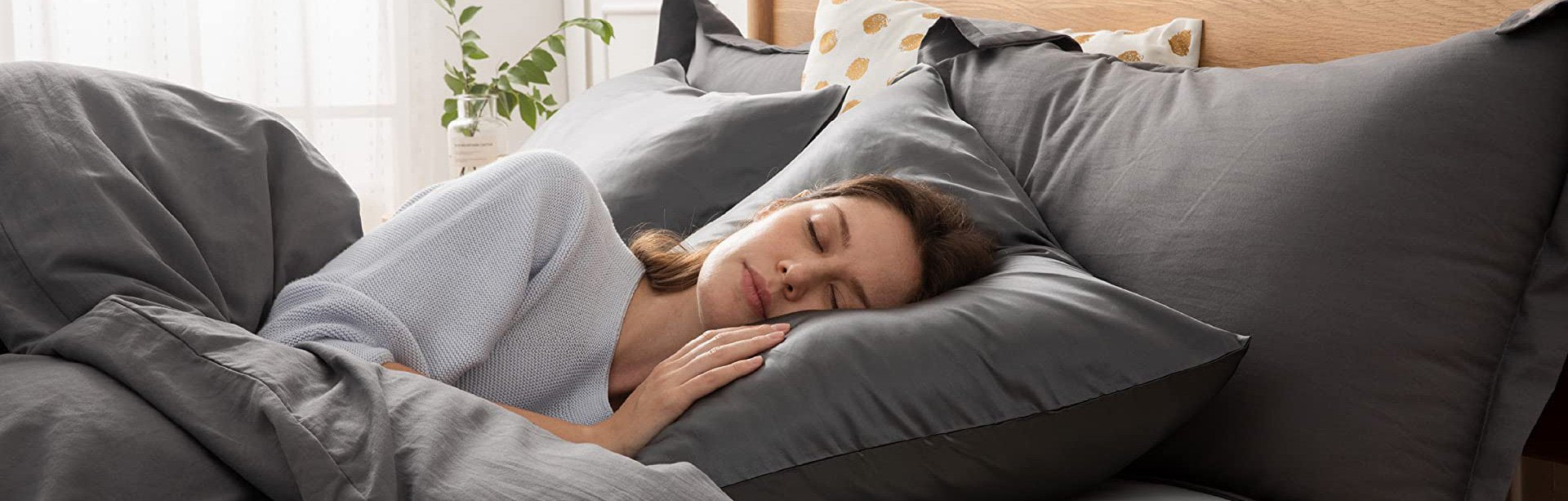
Bamboo-derived fabrics are loved for their smooth hand feel and moisture-managing qualities. They can feel cool and light against the skin, making them a thoughtful option for warm sleepers, summer nights and people who wake feeling overheated.
However, “bamboo” alone does not tell the whole story. Many bamboo textiles are transformed into viscose or rayon through a manufacturing process. Look for transparent material descriptions and credible finished-product certification rather than relying on the fibre name alone. A certified bamboo-derived sheet set can bring the cooling, silky comfort many sleepers want, without asking you to take vague claims on trust.
Cotton for familiar, breathable softness
Cotton remains a dependable choice because it is breathable, familiar and easy to care for. Organic cotton with GOTS certification is especially appealing if you want traceability from fibre onward. OEKO-TEX-certified cotton is also a strong option when your focus is testing of the finished textile.
The weave changes the feel. Percale is crisp and airy, while sateen is smoother and slightly warmer. Neither is universally better. If you run warm, percale may feel fresher; if you prefer a soft, cocooning bed, sateen can feel more inviting.
Linen for naturally relaxed temperature control
Linen has a textured, lived-in finish and excellent airflow. It is often a favourite for sleepers who dislike clingy fabrics or want bedding that adapts across the seasons. It softens with use, although it may feel less immediately smooth than cotton or bamboo-derived fabrics.
Choose certified linen if you value breathability and are comfortable with a more relaxed look. It creases easily, which is part of its character rather than a flaw. If a polished, wrinkle-free bed matters more to you, another fabric may better suit your routine.
Silk for pillowcase-level luxury
A certified silk pillowcase can be a beautiful addition for those who enjoy a cool, low-friction surface around the face and hair. Silk requires more careful laundering and is rarely the simplest option for every layer of the bed. It works best as a considered comfort piece rather than a replacement for hard-working everyday sheets.
How to shop without getting lost in labels
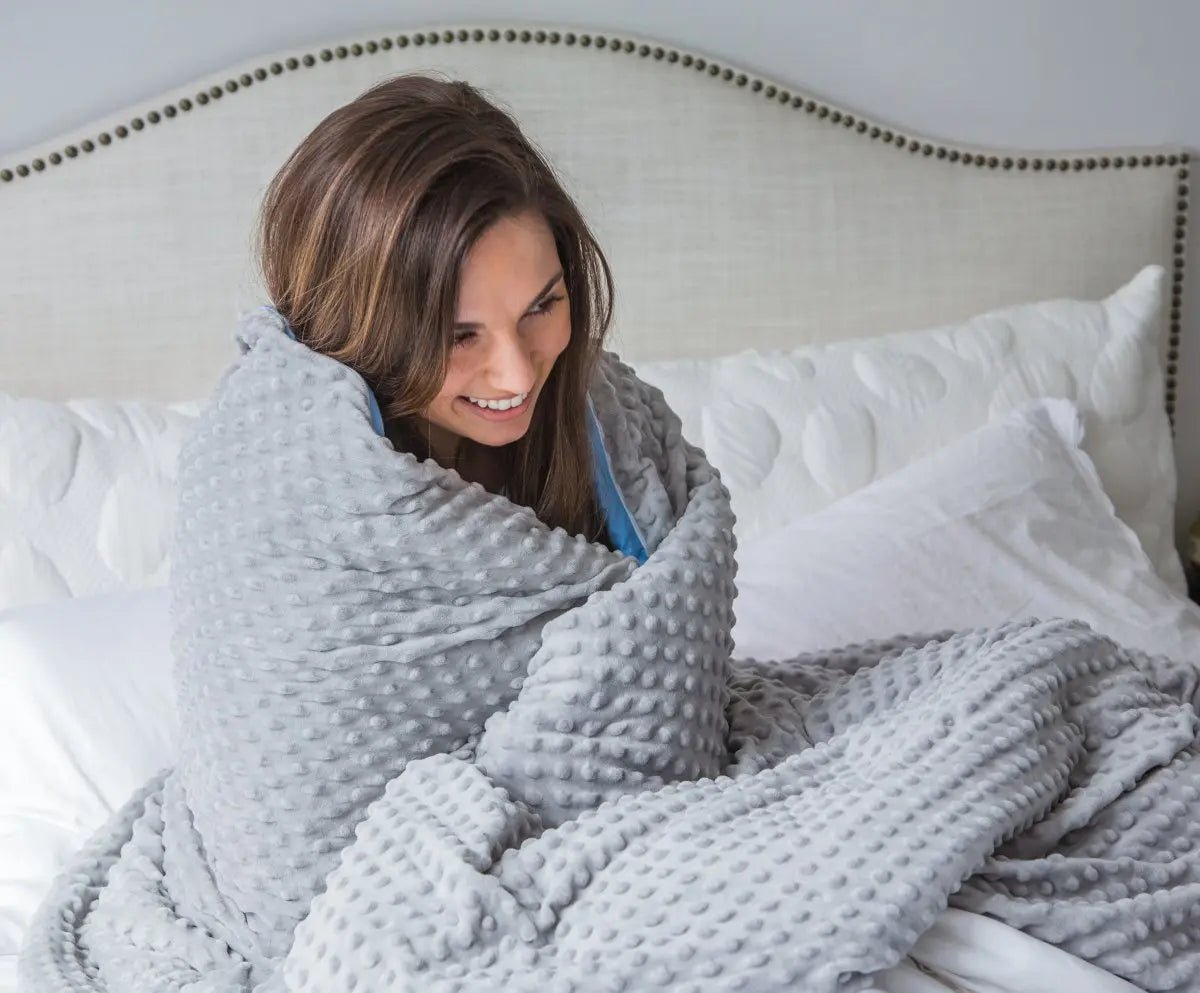
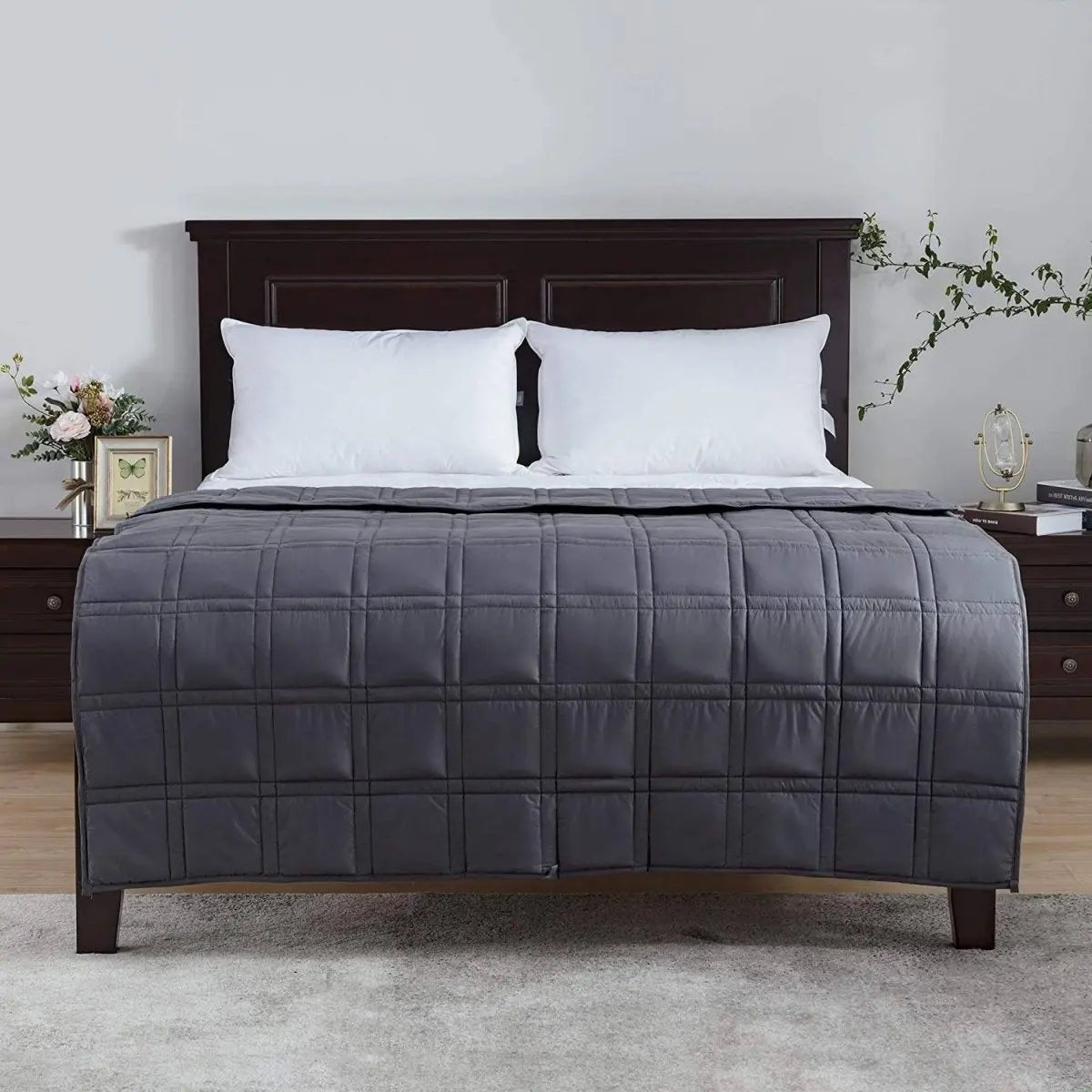
Start with the item that touches you most. For many people, that means sheets and pillowcases first, followed by the duvet cover or the cover around a weighted blanket. If you use a weighted blanket to settle into sleep, a breathable, certified cover can make a genuine difference to how comfortable the weight feels through the night.
Then read beyond the front-of-pack promise. Check whether the certification applies to the exact product, not just a separate fabric range or the brand’s general approach. Look for precise wording such as “OEKO-TEX Standard 100 certified” rather than broad references to safer materials. If the label is not explained clearly, it is reasonable to ask.
Care instructions deserve the same attention. A fabric that needs specialist laundering may be perfect for a guest room or occasional comfort layer, but less realistic for family life. Bedding that can be washed regularly and still feels soft is often the better long-term investment. Avoid adding heavy fragrance boosters or strongly scented fabric treatments if sensitivity is a concern, as the way you wash bedding matters too.
A calm, practical route to a more considered bed
You do not need to replace every textile in your home at once. Begin with the layer that affects your sleep most, whether that is a cooling sheet set, a pillowcase or a removable blanket cover. Prioritise recognised certification, a fabric that matches your temperature needs and care that fits real life.
At Better Sleep, OEKO-TEX-certified textiles and breathable bamboo options are chosen with this balance in mind: elevated comfort, everyday practicality and reassurance where it matters most. The goal is not a perfect bedroom. It is a sleep space that feels quietly supportive when you need to switch off.
A considered textile choice will not make every night identical, especially during stressful weeks or changing seasons. But when your bed feels gentle against the skin, comfortable at the right temperature and made with clearer standards in mind, settling down can become one less thing to think about.


Leave a comment