


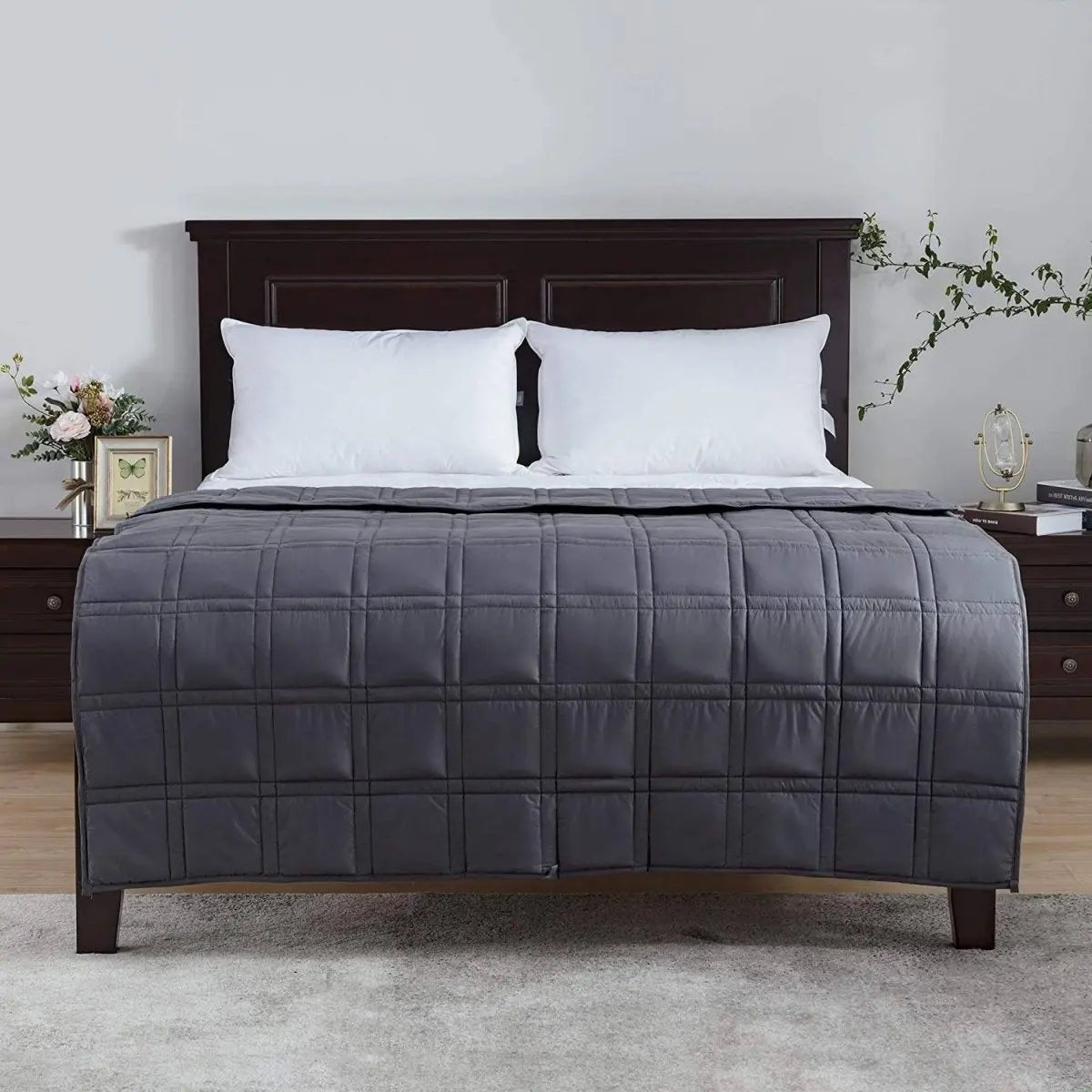





Préparer son lit pour l'été, sans nuits étouffantes
At 3am, an over-warm bed can turn a peaceful night into a cycle of tossing, uncovered feet and interrupted sleep. If you have been searching for « préparer lit pour été », the answer is not simply to remove every layer. A well-made summer bed should feel light, dry and reassuring, with enough comfort to help your body settle when the temperature drops before morning.
Summer sleep is personal. Some people wake at the first hint of warmth; others still want the gentle pressure and cocooning feel that helps quiet a busy mind. The goal is to build a bed that releases heat easily while preserving the calm, familiar ritual that tells your nervous system it is time to rest.
Préparer son lit pour l'été with lighter layers
The most effective change is usually the simplest: reduce bulk without leaving the bed feeling bare. Heavy winter duvets and dense synthetic blankets can trap warmth close to the body, particularly when the room does not cool down overnight. Swap them for one breathable top layer that you can fold back or remove easily.
A lightweight duvet or all-season blanket system offers more flexibility than relying on a single, very warm option. On humid evenings, a light cover may be enough. When the temperature dips after rain or an open-window breeze, you have a soft extra layer within reach rather than waking fully to find one.
Avoid making the bed too sparsely just because the forecast looks warm. Feeling exposed can be distracting, especially for people who find comfort in a little weight or gentle pressure. A lighter layer still creates that welcome boundary between the day and sleep. It is about balance, not minimalism.
Start with breathable sheets, not the duvet
Sheets sit directly against your skin, so their feel matters more than many sleepers realise. Choose materials that allow air to circulate and help manage moisture rather than holding it against the body. Bamboo bedding is especially valued for its soft, smooth finish and naturally breathable feel, making it a considered choice for warm sleepers and sensitive skin alike.
The weave matters too. Crisp, airy sheets tend to feel cooler than dense, brushed fabrics designed for winter. If your current sheets feel clammy by morning, laundering them more frequently during hot spells can help. Body oils, skincare residue and humidity can all reduce that fresh, dry sensation over time.
Keep the colours and styling quiet if that helps your bedroom feel more restful. Pale tones can make a room feel visually lighter, but comfort is not only about appearance. The best summer bedding is the set you genuinely want to climb into after a demanding day.
Give the mattress a chance to breathe
Heat does not only come from above. Mattresses can retain warmth, particularly when they are paired with a thick protector or topper. You do not need to remove every protective layer, but it is worth checking whether yours is designed for breathability.
A breathable mattress topper can add comfort without the dense, sink-in feeling that some foam layers create in warm weather. If you use a mattress protector, choose one that feels light and does not have a plasticky finish. Then, once a week, pull back the duvet for an hour or two after getting up. Letting moisture disperse helps the bed feel fresher when evening arrives.
Keep comfort when you sleep hot
Temperature sensitivity should not mean giving up the sensory comforts that support your sleep. If a weighted blanket is part of your evening routine, the material and construction are especially important in summer. A cooling, breathable weighted blanket may provide the calming, grounded feel you enjoy without adding the heavy insulation of a thick fleece or sherpa layer.
That said, it depends on the night. During a heatwave, even a cooling weighted blanket may feel like too much for some people. Use it while reading or winding down, then move to a lighter cover when you are ready to sleep. Others may find that a smaller weighted layer over the legs offers enough reassurance without covering the whole body.
There is no need to force one solution through the entire season. Your sleep setup can change with the weather, your stress levels and the temperature of the room. This flexibility is a form of care, not a fussy routine.
Build a cooler wind-down ritual
A thoughtfully made bed works best alongside a gentle pre-sleep routine. Start by airing the bedroom in the cooler part of the evening, then close blinds or curtains before the sun warms the room the following morning. A fan can improve airflow, although a strong draught directly on your face may be uncomfortable for some sleepers.
A lukewarm shower can help you feel clean and settled without the stimulating shock of very cold water. Choose loose, breathable sleepwear, or reduce layers if that is more comfortable. Keep a glass of water by the bed, especially during warmer nights, but avoid drinking so much that it disrupts your sleep later.
If your mind tends to stay switched on, make the bed a low-stimulation space. Dim lighting, a cool pillowcase and the familiar weight of a sleep mask can make a surprisingly meaningful difference. These small cues create a calmer transition, particularly when hot weather has already made the day feel relentless.
Do not overlook the pillow
A warm pillow can make it hard to drift off, even when the rest of the bed feels right. Choose a breathable pillowcase and turn the pillow during the night if you prefer a cooler surface. Silk pillowcases can feel smooth and gentle against skin and hair, while lightweight bamboo options offer a soft, fresh feel for warm sleepers.
Your pillow filling also affects heat retention. If your head and neck often feel warm, a lofty, densely packed pillow may be contributing. The right choice should support your sleeping position first, then help you stay comfortable enough to remain asleep. Cooling comfort is valuable, but it should not come at the expense of proper neck support.
A simple summer-bed reset
When warmer weather arrives, take ten minutes to refresh the sleep space. Wash your sheets, switch to your lightest breathable layer, and place any extra blanket folded at the end of the bed rather than underneath the duvet. Check that your nightwear and pillowcase feel comfortable against the skin. Finally, clear away anything that makes the room feel visually busy or overheated.
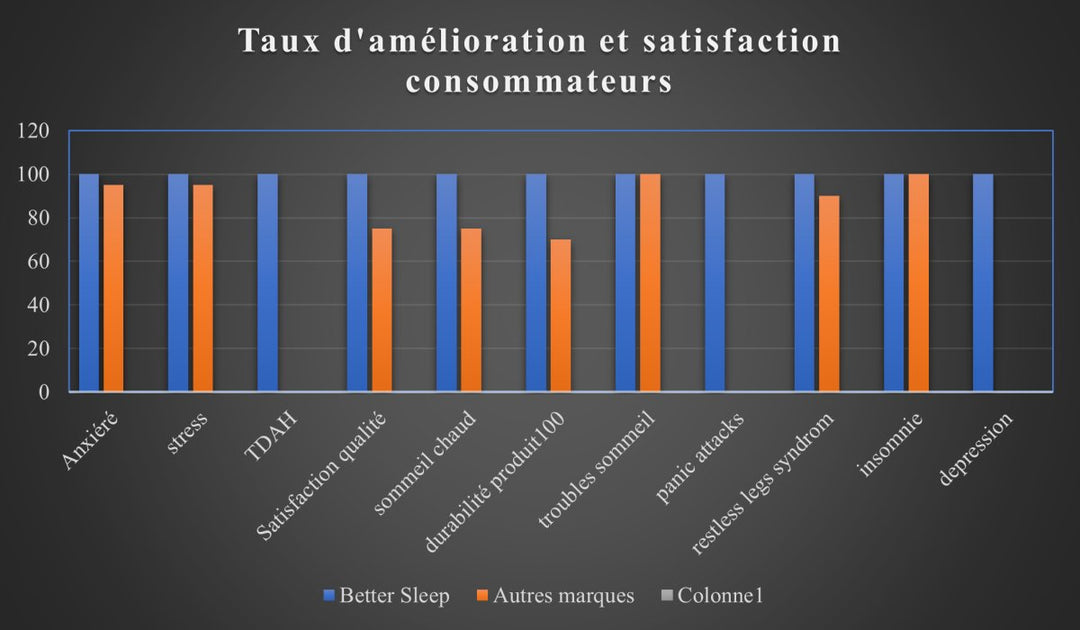
This small reset can make bedtime feel intentional again. Better Sleep bedding is designed around that same principle: comfort should support calmer nights without asking you to compromise on softness, quality or year-round adaptability.
Your summer bed does not need to look perfectly styled to help you rest well. It simply needs to feel cool enough, soft enough and familiar enough that, when the night is warm and your day has been full, sleep has somewhere calm to begin.


Leave a comment