





Quel textile pour peau sensible et des nuits calmes
A pillowcase that feels fine at bedtime can become distracting by 3am: warmth builds, a rough seam catches, or skin that was already reactive starts to feel tight and itchy. If you are asking quel textile pour peau sensible, the most helpful answer is not one miracle fibre. It is a considered combination of soft construction, breathability, low-residue care and the right feel for your own skin.
For sensitive skin, bedding should create less friction, hold less heat and feel reliably comfortable night after night. That is especially valuable when stress, eczema-prone skin, allergies or temperature sensitivity already make rest feel harder than it should.
Quel textile pour peau sensible at bedtime?
Natural fibres are often a reassuring place to begin, but “natural” alone does not guarantee a gentle sleep surface. The weave, finishing process, dyes and detergent residues all affect how fabric feels against the body. A smooth, breathable fabric in a simple finish will usually feel more comfortable than a heavily treated one, whatever the fibre label says.
The best choice also depends on where your sensitivity shows up. Facial skin may benefit most from a smooth pillowcase. If you wake warm or sweaty, moisture management matters more across your sheets and duvet cover. If your skin reacts to pressure or texture, the weight and finish of every layer can make a noticeable difference.
Bamboo: cooling softness for warm sleepers
Bamboo-derived fabrics are valued for their exceptionally smooth hand feel and breathable, moisture-managing qualities. For people who become warm during the night, this can mean less clamminess and fewer uncomfortable wake-ups. The fabric drapes softly rather than feeling stiff, which makes it particularly inviting for sheets, duvet covers and sleepwear.
Its appeal is practical as well as sensory. When a sleep surface stays more comfortable through changes in temperature, it is easier to settle back down without constantly rearranging the bedding. Look for thoughtfully made bamboo bedding with clear material information and trusted textile certification, rather than relying on softness claims alone.
Bamboo is not the only answer, however. Some people prefer a crisper feel, while others find that a particular bamboo weave is too silky for their preference. Comfort is personal, and a fabric you enjoy using consistently is more useful than one that simply sounds ideal.
Cotton: dependable, breathable and easy to live with
Good-quality cotton remains a trusted choice for sensitive skin. It is breathable, familiar and straightforward to wash, making it a sensible option for busy households and anyone who needs to change bedding frequently. Percale cotton has a cooler, cleaner feel, while sateen is smoother and slightly warmer.
For reactive skin, choose cotton with minimal chemical finishing where possible. Avoid assuming a very high thread count is automatically better: densely woven sheets can feel luxurious, but they may trap more warmth. A lighter, breathable weave is often the calmer option for someone prone to overheating or night sweats.
Silk: a smooth choice for the face and hair
Silk pillowcases are prized for their low-friction surface. They can feel especially gentle when facial skin is dry, easily marked or irritated by rougher fabrics, and they may also reduce the tugging that can leave hair feeling tangled by morning. The sensation is refined, cool and soft without being overly heavy.
Silk does require more mindful care than cotton or bamboo. Use a suitable gentle wash programme or hand wash as directed, and avoid harsh detergents or high heat. For many people, silk works beautifully as one considered layer in the bed rather than as an entire bedding set.
Materials that may need more care
Synthetic fabrics such as polyester and acrylic can be durable and affordable, but they may retain heat and moisture more readily than breathable natural or regenerated fibres. For some sensitive sleepers, that extra warmth can make itching and discomfort feel more pronounced. This does not mean every synthetic blend is unsuitable, particularly in a blanket designed for specific performance, but it is worth paying attention to how your skin responds.
Wool can regulate temperature remarkably well, yet its texture can be too stimulating for very reactive skin when worn directly against the body. If you love wool’s warmth, use it as an outer layer over a soft cotton or bamboo cover. The same principle applies to textured throws, chunky knits and sherpa: enjoy their comforting weight and appearance, but keep a smooth barrier between them and sensitive skin.
Fragrance is another common source of unnecessary irritation. Scented fabric sprays, strongly perfumed detergent and heavily fragranced softeners can linger in fibres long after washing. A beautiful-smelling bed is not always a calmer bed.
The details that matter as much as the fibre
A sensitive-skin sleep setup is built through small, meaningful choices. Smooth stitching and a well-finished seam reduce rubbing. Light, breathable layers make it easier to adjust your temperature rather than sleeping in trapped heat. Fabrics carrying OEKO-TEX certification offer added reassurance that they have been tested for a range of harmful substances.
Colour can matter too, although not because pale bedding is inherently gentler. Dark or richly coloured textiles may use more dye, so if your skin is highly reactive, start with simpler, lightly finished options and see how you feel. Wash any new bedding before its first use to remove packaging dust and residual finishing agents.
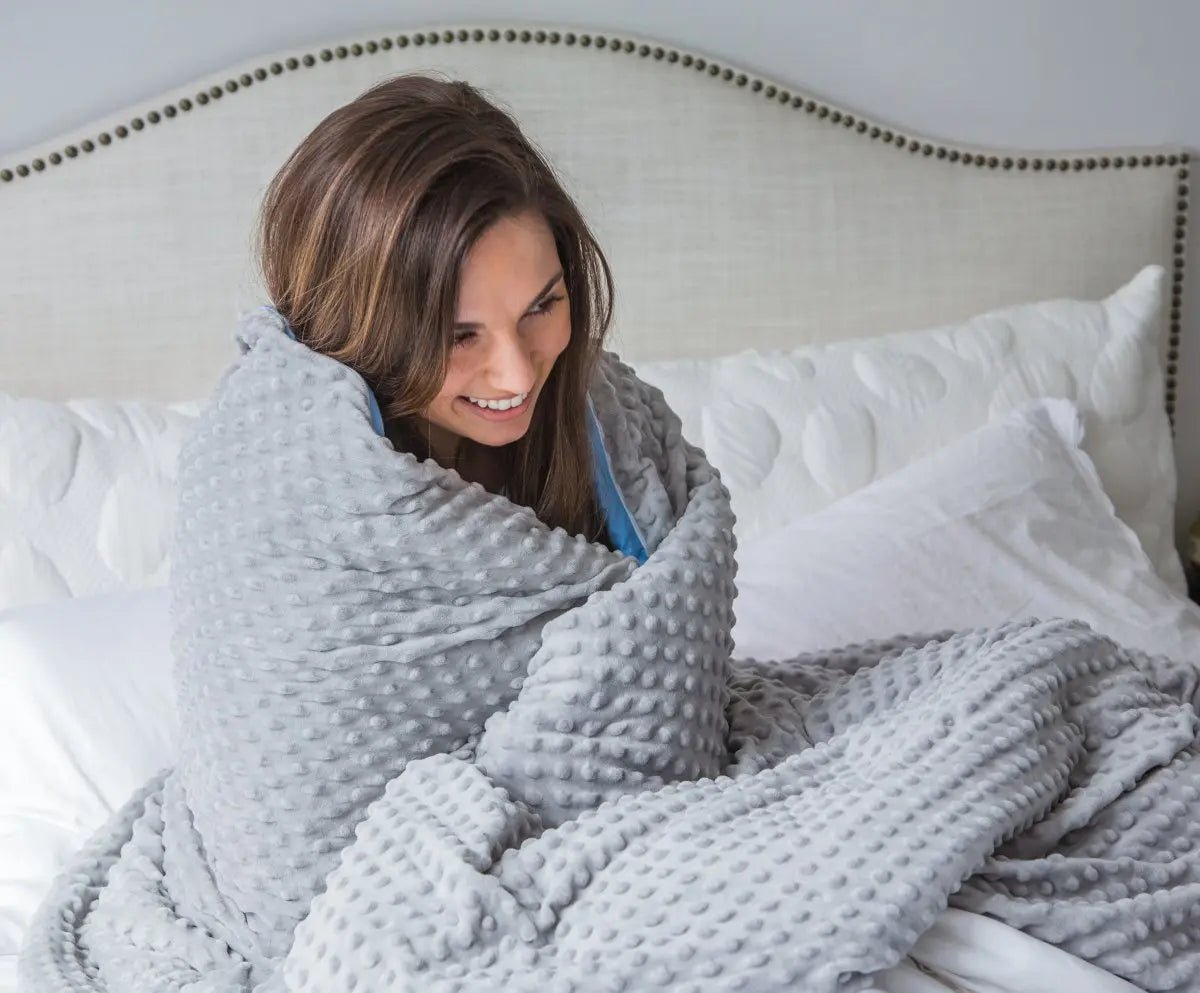
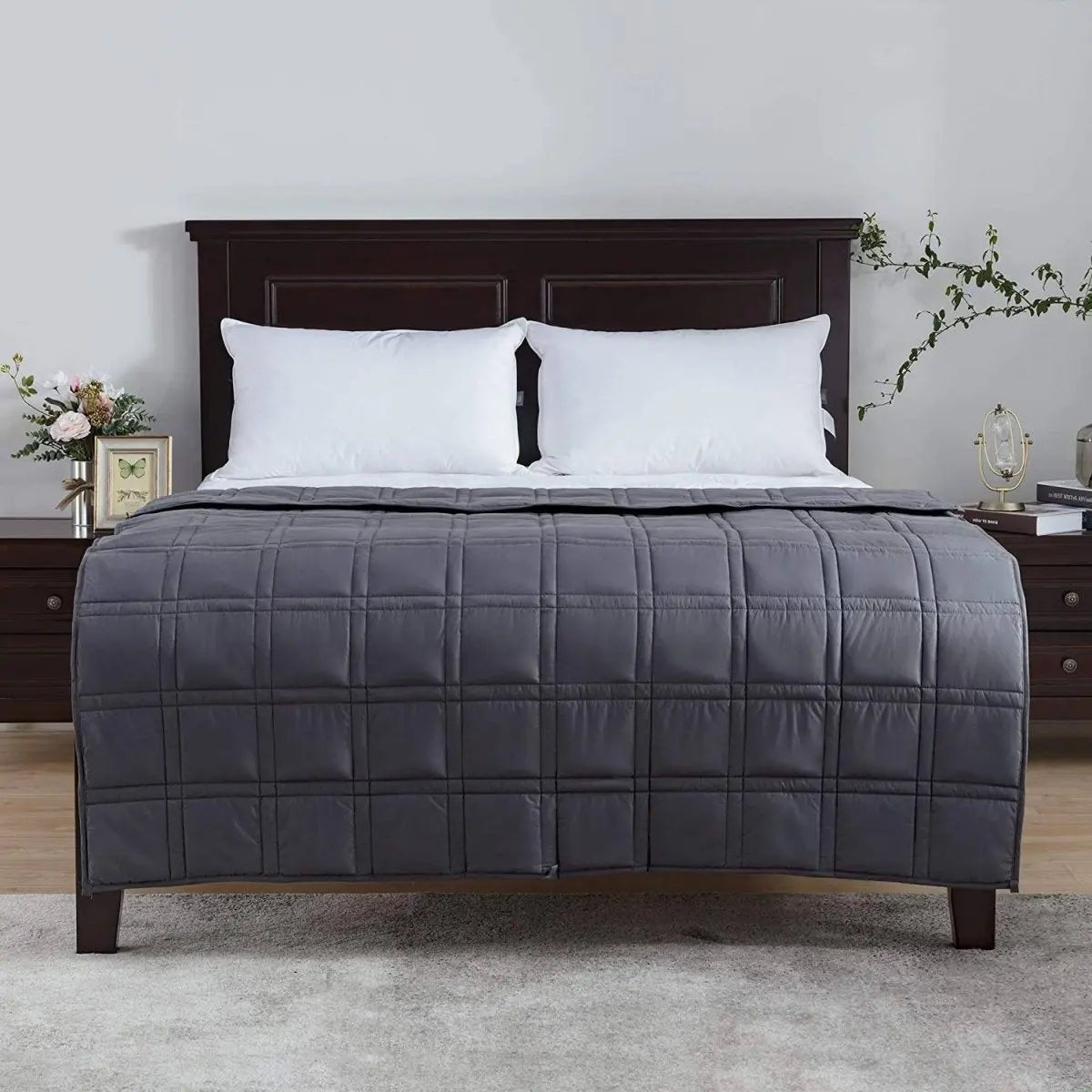
If you use a weighted blanket for grounding comfort, the cover deserves just as much attention as the blanket itself. A breathable bamboo or cotton cover can help balance the cosy, calming pressure of the weight with a fresher feel on the skin. Better Sleep designs its bedding and comfort pieces around this balance: therapeutic comfort should still feel easy to live with through every season.
A gentler washing routine for sensitive skin
The right textile can still irritate if it carries detergent residue. Choose a fragrance-free detergent, use the recommended amount rather than adding extra, and select an additional rinse if your machine offers one. Too much detergent does not make bedding cleaner; it can leave behind a film that feels uncomfortable against the skin.
Wash sheets and pillowcases regularly, especially during warmer months, after illness or when skin is flaring. Body oils, sweat and skincare products accumulate in fabric, even when the bedding looks clean. Most households find a weekly wash works well, while pillowcases may need changing more often if facial sensitivity is a concern.
Dry bedding fully before remaking the bed. Damp fibres can feel unpleasant and may develop an odour that encourages people to use more fragrance products. If tumble drying, keep heat moderate when the care label advises it. High heat can weaken delicate fibres and reduce the soft finish you chose them for.
How to choose without overthinking it
Begin with the layer that touches the most sensitive area. For facial irritation, try a smooth silk pillowcase or a soft bamboo alternative. For heat-related discomfort, focus on breathable sheets and a duvet cover that helps moisture move away from the body. For full-body sensitivity, choose soft, simply finished cotton or bamboo and minimise textured layers against bare skin.
Give each change time. Introduce one new fabric or laundry product at a time so you can tell what is helping. If persistent itchiness, rashes or broken skin are affecting sleep, seek advice from a qualified healthcare professional. Bedding can support comfort, but it should not replace medical care.
Your bed does not need to be complicated to feel restorative. A smooth pillowcase, breathable sheets and a low-fragrance wash routine can turn the final hours of the day into a quieter, kinder space for your skin - and for your sleep.


Leave a comment