







Reduce Night-time Light for Better Sleep
A bright hallway light at 2am, a phone screen checked “just for a second”, the glow from a charger beside the bed - small sources of light can make a tired mind feel unexpectedly alert. If “réduire lumière nocturne” is the phrase that brought you here, the aim is not to create a perfectly black room at all costs. It is to make your evenings and overnight wake-ups gentler on your body, so sleep has fewer reasons to drift away.
Light is one of the clearest signals your brain receives. It helps set your internal body clock, shaping when you feel awake and when you begin to feel ready for rest. A few thoughtful changes can make your bedroom feel less stimulating and more restorative, without turning your home into a blackout cave.
Why night-time light can disturb rest
As evening falls, your body naturally begins preparing for sleep. Dimmer surroundings support the release of melatonin, a hormone involved in sleep timing. Bright light, particularly cool white or blue-rich light from screens and LEDs, can tell the brain that daytime is still in progress.
This does not mean one glance at your phone will ruin the night. Sleep is shaped by your whole routine, including stress, temperature, caffeine, comfort and consistency. But frequent or bright exposure can make it harder to feel sleepy, delay bedtime, or make a middle-of-the-night wake-up feel more wakeful than it needs to be.
For parents, shift workers and anyone sharing a home, complete darkness may not be realistic. The more useful question is simple: can the light you need be warmer, dimmer and more contained?
Reduce night-time light before bed
The hour before sleep is a valuable transition. Rather than expecting yourself to switch off instantly, let the room gradually signal that the day is easing to a close.
Start with the largest light source. Overhead lighting is practical for getting dressed or tidying up, but it can feel stark late at night. Once your evening routine begins, use a shaded bedside lamp or a low lamp in the corner of the room. Choose a warm white bulb where possible, and avoid placing a bright lamp where it shines directly into your eyes.
Screens deserve a realistic approach. Many people use their phone for an alarm, a podcast or a quick message before bed. You do not have to abandon it completely. Lower the brightness, switch on the night setting, and keep scrolling out of bed if you can. The emotional stimulation of emails, news and social feeds is often as disruptive as the light itself.
If reading helps you unwind, a paper book under a warm, low lamp is a calm alternative. An e-reader can also work well when its screen is dimmed and set to a warmer tone. The best routine is the one you can repeat on an ordinary Wednesday, not only on a perfectly organised evening.
Let your bedroom lighting do less
A sleep-friendly bedroom does not need complicated technology. It needs fewer sharp contrasts and fewer bright points of light. Cover or turn away glowing clocks, chargers and standby indicators if they catch your eye from bed. Close the door if light spills in from a bathroom or landing.
Blackout curtains or blinds can be especially helpful if streetlights, neighbours’ security lights or early summer mornings brighten your room. They are not essential for everyone, but they can make a noticeable difference for light-sensitive sleepers. If you rent or do not want to change window coverings, a well-fitted sleep mask is a simple, flexible option.
Make overnight wake-ups less stimulating
Most people wake briefly during the night. The goal is not to monitor every waking moment, but to avoid turning a normal pause in sleep into a fully alert episode.
Keep a small, low-level light available for necessary trips to the bathroom or checking on a child. A motion-sensor night light with a warm amber glow is usually kinder than switching on the main bathroom light. Position it low to the floor, where it illuminates the path rather than the whole room.
Try not to check the time. Watching the minutes pass can add pressure quickly, especially when you have an early start. Turn the clock away, leave your phone face down and give yourself a few quiet minutes to settle. Slow breathing, a comfortable temperature and bedding that feels calming against the skin can all help your body return to rest.
If sleep does not return after a while, move to a dimly lit room and do something quiet until you feel drowsy again. Keep the lighting soft. Bright kitchen lights and phone scrolling can send the opposite message just when you are trying to calm your nights.
Choose comfort that supports a darker, calmer space
Reducing light works best when the rest of the bedroom supports the same intention. Your bed should feel like a place to exhale, not another source of discomfort or overheating.
Start with temperature. A room that is too warm can increase restlessness, particularly when thick bedding traps heat. Breathable sheets, cooling materials and layers you can adjust help create a steadier sleep environment across changing seasons. If you share a bed and have different temperature needs, separate layers can be more practical than trying to find one setting that suits everyone.
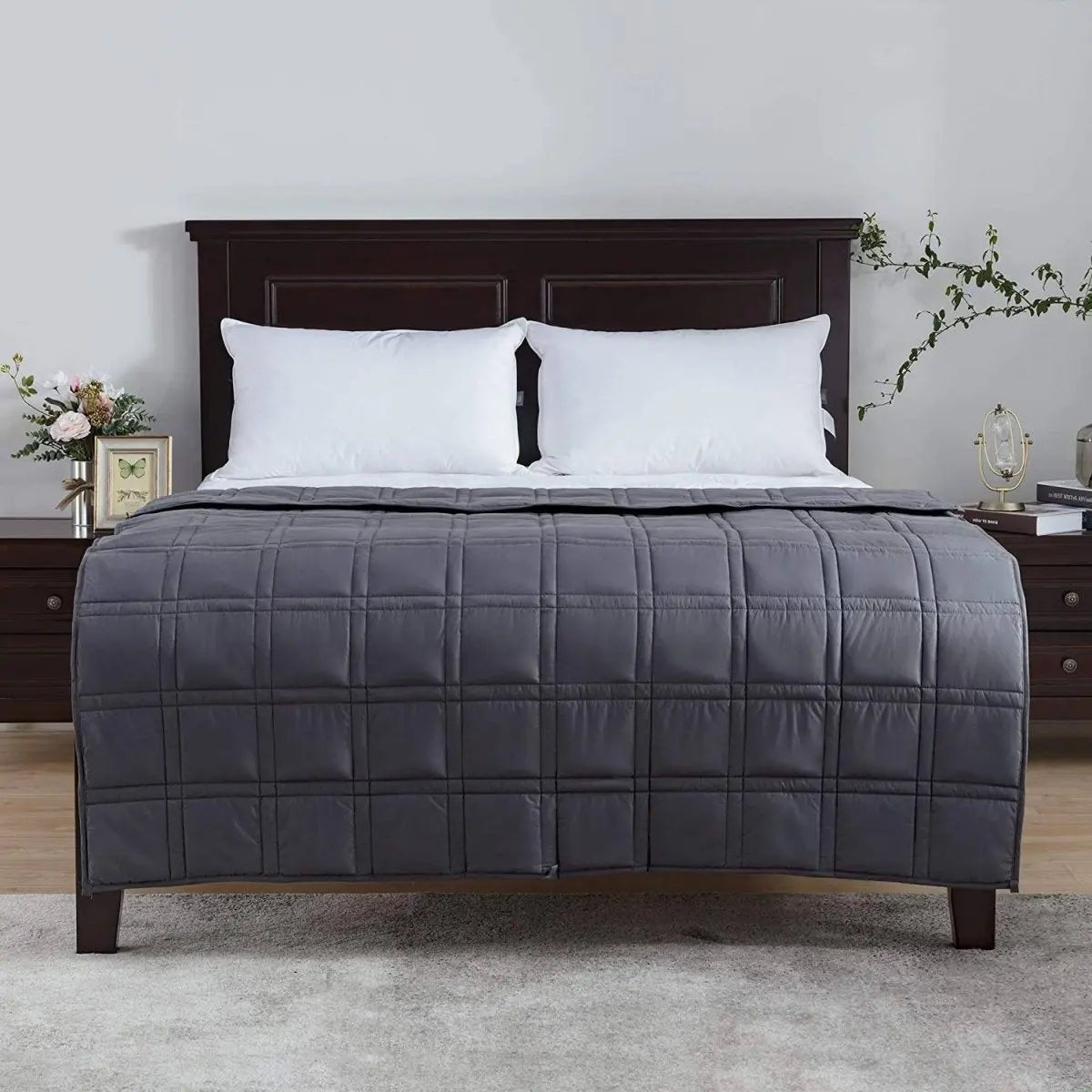
For some people, gentle pressure also makes the transition to sleep feel easier. A weighted blanket or weighted sleep mask can provide a grounding sensation that complements a dimmer environment, particularly on nights when stress makes the mind feel busy. The right weight should feel reassuring rather than restrictive, and it is not suitable for every person or every child. Comfort and safe use always come first.
Better Sleep designs calming sleep essentials around this simple idea: a more restful night is built through sensory comfort, not a single perfect product or habit. Light, texture, temperature and routine each have a role to play.
A practical evening reset for busy nights
When life is full, complicated sleep rules can become another thing to get right. Keep your reset small enough to use consistently. Around an hour before bed, soften the main lights and prepare what you need for the morning. In the final 20 minutes, keep screens dim, choose a quiet activity and make the bedroom feel ready before you climb in.
If you wake during the night, use only the light you genuinely need. A warm path light is enough to move safely; a bright ceiling light is rarely necessary. Over time, these repeated cues help protect the boundary between day and rest.
When darker is not always better
Total darkness is not automatically the answer. Some people feel anxious in a pitch-black room, need a light for safe movement, or share sleep space with a child who needs reassurance. In these cases, choose a very dim, warm-coloured light and place it away from the bed.
It is also worth looking beyond the bedroom if sleep remains difficult. Persistent insomnia, loud snoring, pauses in breathing, low mood or anxiety that regularly affects rest may need support from a healthcare professional. Bedroom changes can be helpful, but they are not a substitute for proper care when symptoms are ongoing.
Tonight, choose one light to soften, one screen habit to change, or one small source of comfort to prepare. A calmer sleep environment is not about getting every detail right. It is about giving your body a clearer, kinder cue that it is safe to rest.


Leave a comment