





Silk Pillowcase vs Cotton: Which Is Better?
Your pillowcase is the one layer of bedding that stays in close contact with your face and hair for hours each night. That is why the silk pillowcase vs cotton question is about more than appearance. The right fabric can make bedtime feel cooler, smoother, and more considered, while the wrong one can leave you waking up warm, tangled, or with sleep creases across your skin.
Both materials have a place in a restful bedroom. Cotton is familiar, durable, and easy to care for. Silk feels exceptionally smooth and refined, with benefits that can be especially welcome for dry skin, textured hair, and anyone who wants their bed to feel like a calmer end to a demanding day. The best choice depends on what your sleep routine needs most.
Silk Pillowcase vs Cotton: The Difference You Feel
The clearest difference is friction. Cotton has a more textured surface, even when it is soft and high quality. As you turn during sleep, that texture creates more resistance against your skin and hair. Most people will not find this uncomfortable, but it can contribute to morning tangles, flattened curls, and visible pillow marks.
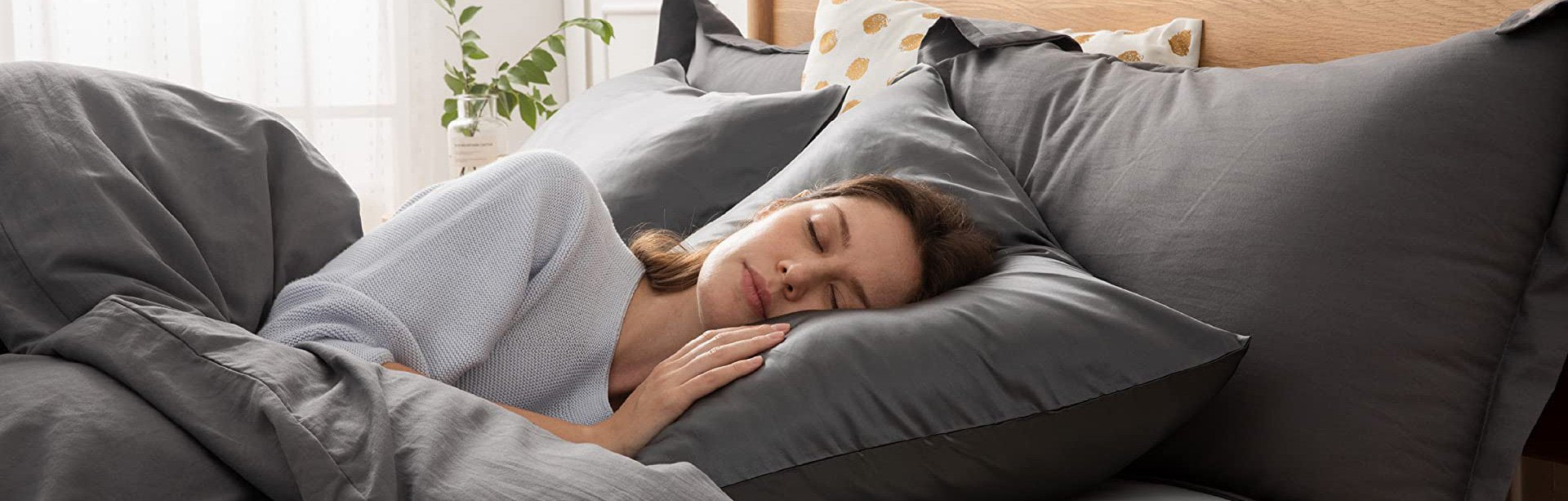
Silk has long, smooth fibers that allow skin and hair to glide more easily across the surface. A silk pillowcase will not stop you from moving through the night, nor can it replace a thoughtful skin or hair care routine. But reducing that nightly friction may help hair look less tousled and may feel gentler on delicate skin.
The sensation is different, too. Cotton feels cozy, crisp, or breathable depending on its weave. Silk feels cool on first contact, soft against the face, and lightly draped rather than bulky. For people who find sensory comfort in a polished, low-friction sleep surface, that difference can be meaningful.
Hair and Skin Benefits: What Is Realistic?
Silk is often chosen for beauty benefits, and there is a practical reason behind the appeal. Its smooth finish can help limit snagging and friction, particularly for people with curly, coily, fine, color-treated, or easily tangled hair. Less friction may mean fewer knots and less disruption to a styled blowout or curl pattern by morning.
For skin, silk’s surface is less likely to grip the face as you shift positions. This can be helpful if you wake with temporary creases or simply prefer a gentler feel around the eyes and cheeks. Silk also tends to absorb less of the oils and products placed on your skin than many cotton pillowcases, though no pillowcase can preserve every step of your evening routine.
That said, silk is not automatically better for every skin concern. If you are prone to breakouts, consistent laundering matters more than the fabric alone. A fresh pillowcase, a clean face, and products that suit your skin will always do more than a luxury material by itself. Think of silk as a supportive detail in your routine, not a miracle solution.
Cotton can still be a comfortable choice for hair and skin, especially when you use a smooth, high-thread-count sateen or a soft, well-worn cotton case. It is also an easy option for households that need to wash bedding frequently without extra care.
Temperature Control and Overnight Comfort
Hot sleepers often assume silk will feel warmer because it looks luxurious. In practice, silk can feel pleasantly cool and has natural temperature-regulating qualities. It is lightweight and does not trap heat in the same way as a heavy synthetic fabric. For sleepers who go from cool to warm through the night, silk can offer a balanced, breathable feel.
Cotton is also a strong choice for temperature comfort. Crisp percale cotton is airy and familiar, while cotton’s absorbency can be useful if you sweat overnight. The trade-off is that absorbent cotton can hold onto moisture, which may leave the fabric feeling damp during a particularly warm night.
Your sheets, duvet, mattress topper, and bedroom temperature matter here as much as your pillowcase. If you are a hot sleeper, a silk pillowcase can be a thoughtful addition to a cooling bedding setup, but it will not offset an overly warm comforter or a room that never has the chance to cool down.
Care, Durability, and Everyday Practicality
Cotton wins on convenience. Most cotton pillowcases can be machine washed and dried regularly, and they become softer with use. They are a practical choice for children, guest rooms, busy family households, and anyone who prefers straightforward laundry.
Silk asks for more attention. To protect its smooth finish and natural fibers, wash it on a delicate cycle in cold water with a gentle detergent, ideally inside a mesh laundry bag. Avoid bleach, fabric softeners, and high heat. Air drying is the safest option, although some silk care labels allow a low-heat setting.
A well-made silk pillowcase can last beautifully when treated with care, but it is more susceptible to damage from rough washing, harsh products, and friction from zippers or jewelry. If you want the benefits of silk without making laundry feel complicated, keeping two pillowcases in rotation is a simple solution. One stays on the bed while the other is ready for washing.
When comparing silk options, look beyond a glossy finish. Real silk is commonly measured in momme, which refers to fabric weight. A 19 to 25 momme silk pillowcase is generally a comfortable range for everyday use, offering a balance of softness and durability. Details such as a concealed zipper and careful stitching also help the case stay secure and polished over time.
Cost: Is Silk Worth the Investment?
Cotton pillowcases are available at nearly every price point, and quality cotton can provide years of dependable comfort. If you are outfitting several beds or regularly replacing family bedding, cotton offers clear value and easy maintenance.
Silk costs more because it is a premium natural fiber and requires more careful production. The higher price can feel worthwhile when your pillowcase is part of a personal wind-down ritual, especially if you value its gentle feel for hair and skin. It can also be a meaningful gift: practical enough to use every night, yet elevated enough to make ordinary rest feel more intentional.
The most helpful question is not whether silk is universally superior. Ask whether it solves a problem you notice. If your hair is constantly tangled, your face feels marked by your pillow in the morning, or you want a cooler, smoother surface, silk may earn its place. If easy wash-and-wear care, a crisp feel, and budget flexibility matter most, cotton remains an excellent choice.
Which Pillowcase Is Right for You?
Choose silk if you want a low-friction surface, have hair that benefits from gentler contact, or prefer a cool, refined feel against your skin. It is particularly well suited to a restorative bedtime routine where small sensory details help your body settle.
Choose cotton if you want effortless care, frequent hot-water washing, or the familiar comfort of breathable natural bedding. It is also the more practical choice for guest rooms and everyday family use.
You do not have to make the decision permanent. Many people keep cotton pillowcases for regular rotation and bring out silk when they want extra care for their hair, skin, or sleep ritual. A bedroom that supports rest should adapt to your real life, not ask you to follow a rigid rule.
Tonight, notice what you feel when your head meets the pillow: warmth, texture, pressure, or ease. That small moment is a useful guide. The bedding that helps you feel more settled is often the bedding that supports your most restorative sleep.


Leave a comment