






Stress Relief Bedding That Supports Better Sleep
Some nights, the problem is not your bedtime. It is the way your body refuses to settle. Your shoulders stay tight, your thoughts keep moving, and even when you are tired, sleep feels just out of reach. That is where stress relief bedding can make a meaningful difference. The right layers do more than look inviting - they help create a sleep environment that feels calmer, lighter, and easier to return to night after night.
What stress relief bedding actually does
Stress shows up physically. It can raise body temperature, increase restlessness, and keep your nervous system on alert when it should be slowing down. Bedding cannot solve the source of stress, but it can support the conditions your body needs to relax.
That support usually comes from three things: gentle pressure, temperature balance, and tactile comfort. Weighted blankets are often the clearest example. They apply steady, evenly distributed pressure that many adults find grounding, especially at the end of a busy day. Cooling sheets and breathable duvet covers help reduce overheating, which matters more than many people realize when stress is already making sleep feel fragile. Softer, smoother materials also play a role. When bedding feels calm against the skin, it removes one more source of irritation from the bedtime routine.
The result is not dramatic in a gimmicky way. It is quieter than that. Your body feels less activated. Falling asleep may take less effort. Waking up during the night may feel less frequent or less disruptive.
The best stress relief bedding starts with comfort that feels regulating
Not all comfortable bedding is genuinely calming. Some products feel plush at first but trap heat, shift around, or create sensory discomfort over time. For stress relief, comfort needs to feel regulating rather than overwhelming.
That usually means choosing bedding that has a clear function. A weighted blanket should feel secure, not restrictive. Cooling fabrics should feel breathable, not slick or artificial. A mattress topper should soften pressure points without making the bed feel unstable. Silk or similarly smooth pillowcases can reduce friction and create a cleaner, cooler sleep surface around the face, which many sensitive sleepers appreciate.
This is where material quality matters. Natural-feeling, breathable textiles often perform better for people who already sleep warm or wake easily. Bamboo-based bedding, for example, is popular for a reason. It tends to feel soft, airy, and temperature-aware, which can be especially helpful if stress and overheating tend to show up together.
How to choose stress relief bedding for your sleep style
The best setup depends on what stress looks like in your body.
If you feel wired and restless, start with grounding pressure. A weighted blanket may help create a sense of security and stillness, particularly during the transition from wakefulness to sleep. For many people, this becomes part of the ritual itself - a physical cue that the day is done.
If you feel hot, irritated, or prone to waking in the middle of the night, temperature control matters more. Cooling sheets, breathable blankets, and moisture-managing layers can help your bed feel calmer instead of stuffy. Stress often makes people more sensitive to small discomforts, so reducing heat can have an outsized effect.
If your body holds tension in the neck, shoulders, hips, or lower back, look at the layers underneath you too. A supportive mattress topper can reduce pressure and help your body settle more fully into the bed. Sometimes what feels like anxiety at night is partly physical discomfort that keeps the body from letting go.
If you are sensitive to texture, simplify. Choose fewer, better layers with soft finishes and a clean hand-feel. Bedding that scratches, bunches, or feels heavy in the wrong way can keep your nervous system more alert than you realize.
Weighted blankets and stress relief bedding
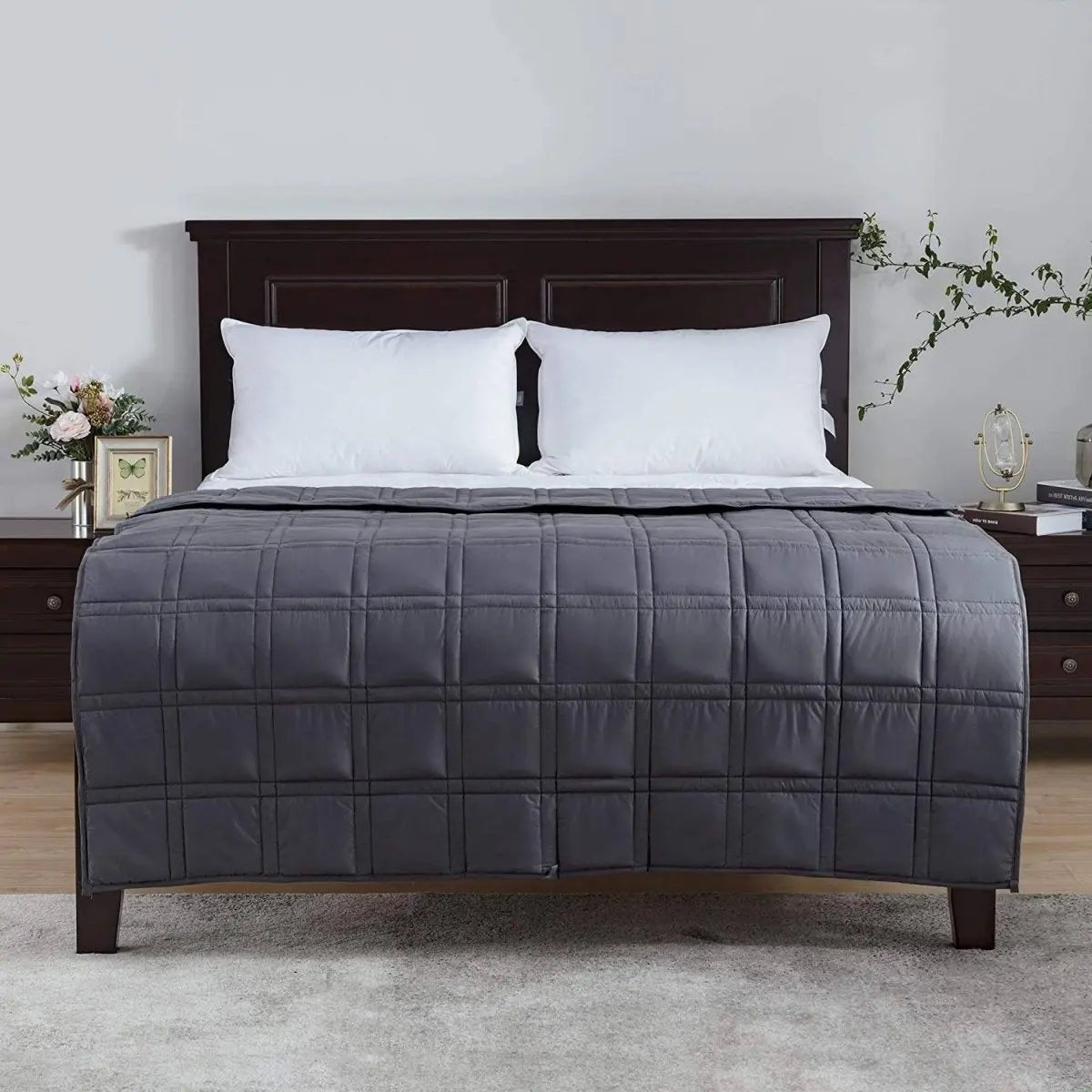
Weighted blankets have become one of the most recognized forms of stress relief bedding because they address a common nighttime problem directly: difficulty settling down. The evenly distributed weight can feel soothing and secure, which is why many people reach for one during periods of stress, overstimulation, or inconsistent sleep.
That said, they are not one-size-fits-all. Some sleepers love the cocooning effect. Others prefer a lighter touch, especially if they are warm sleepers or dislike feeling confined. The fabric, construction, and fill distribution matter just as much as the weight itself. A well-designed weighted blanket should feel balanced and breathable, not bulky.
For households with varied needs, this is where layered bedding can work well. A weighted blanket can be paired with cooling sheets or a breathable duvet cover to keep the bed feeling calm without becoming too warm. That balance matters. Pressure can be comforting, but trapped heat often works against it.
Cooling fabrics matter more than most people think
When stress is high, the body does not always regulate smoothly. You may fall asleep feeling fine and wake up overheated at 2 a.m., or notice that warmth makes you feel more restless and aware. This is one reason cooling elements are so valuable in stress relief bedding.
Breathable materials help prevent the bed from becoming another source of stimulation. Sheets that release heat well, duvet covers that allow airflow, and lighter all-season blanket systems can support a more even sleep temperature across the night.
This is not about making the bed feel cold. It is about keeping it neutral and breathable so your body can do less work. For adults juggling work stress, parenting, travel, or inconsistent schedules, that kind of quiet support often matters more than dramatic features.
A calming bed is built in layers
The most effective stress relief bedding usually works as a system rather than a single hero product. Each layer contributes something different.
Your base layers influence breathability and skin feel. Your comfort layers shape warmth and softness. Your therapeutic layers, such as a weighted blanket or sleep mask, add the grounding effect that helps many people unwind. When those layers are chosen well, the whole bed starts to feel more intentional.
This does not mean you need to replace everything at once. In many cases, one strategic change has the biggest impact. If your current bed already feels supportive, switching to cooling sheets may be enough. If your main issue is racing thoughts at bedtime, a weighted blanket may offer more noticeable relief. If the bed feels visually calm but physically unsupportive, start with the topper or pillow setup.
What to avoid when shopping for stress relief bedding
It is easy to get pulled toward bedding that promises instant transformation. A calmer night is rarely about one exaggerated claim. It is usually about removing the small disruptions that keep adding up.
Be careful with fabrics that feel overly synthetic or trap heat. Watch for bedding that looks luxurious but performs poorly across seasons. And do not assume that heavier automatically means more calming. Too much weight, too much warmth, or too many layers can leave some sleepers feeling more agitated instead of less.
It also helps to be honest about your preferences. If you like a crisp bed, ultra-plush may not relax you. If you sleep with a partner, your ideal temperature and weight setup may differ from theirs. Stress relief is personal, so the best bedding is the one that supports your actual habits rather than an idealized version of them.
When stress relief bedding is worth the investment
If your nights feel inconsistent, your mind stays active after the lights go out, or your bed never quite feels comfortable enough, upgrading your bedding can be a practical form of self-support. The value is not only in better sleep. It is also in creating a space that helps you shift out of the pace of the day.
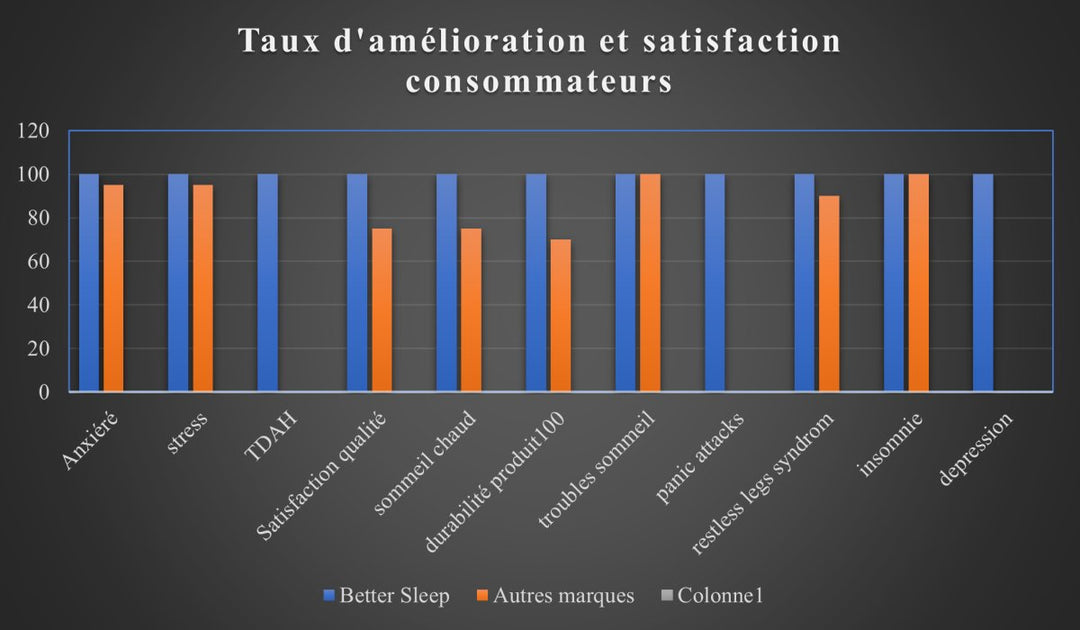
Premium bedding tends to justify itself through better materials, better breathability, and a more dependable feel over time. That is especially true for products designed with therapeutic purpose, not just appearance. Better Sleep, trusted by thousands of Canadians, has built its collection around that idea - bedding and weighted comfort pieces designed to support deeper rest with breathable, grounded ease.
For many people, the goal is not perfection. It is relief. A bed that feels cooler, softer, and more regulating can help you get there with less effort. Start with the discomfort you notice most, choose bedding that solves for that specific issue, and let your sleep space do what it should have been doing all along - helping your body exhale.


Leave a comment