




Taie soie bambou for calmer, cooler nights
The pillowcase is the first fabric your face and hair meet each night. That makes a taie soie bambou more than a finishing touch for the bed: it is a small comfort choice that can change how cool, settled and cared for you feel at bedtime.
The phrase is often used to describe two very different materials. Silk is a natural protein fibre with a smooth, lustrous finish. Bamboo pillowcases are typically made from bamboo-derived viscose or lyocell, creating a soft, breathable fabric with a more familiar drape. Both can feel beautifully refined, but they support sleep in different ways.
What does taie soie bambou really mean?
A taie soie bambou may be presented as a silk-and-bamboo pillowcase, but it is worth reading the material label closely. Pure silk and bamboo-derived fabrics are not the same, and one is not automatically better than the other.
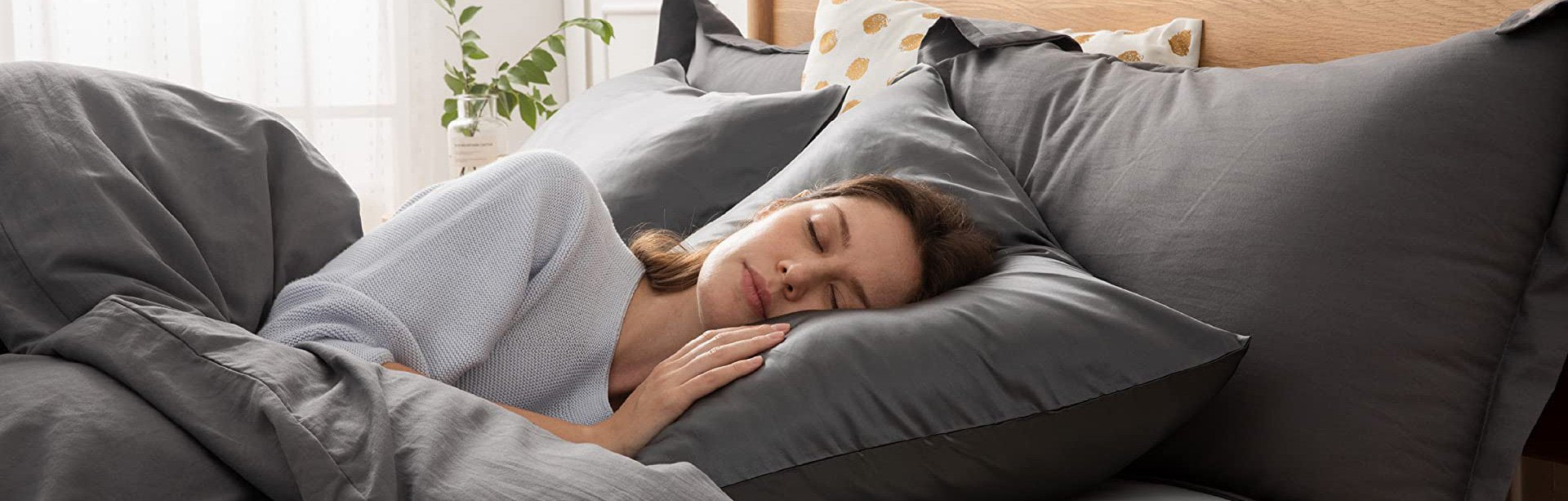
Silk is known for its exceptionally smooth surface. For people who wake with tangled hair, facial creases or skin that feels easily irritated by rough fabrics, that low-friction feel can be a meaningful upgrade. It feels cool on contact and brings a quietly luxurious finish to the sleep space.
Bamboo-derived fabric tends to appeal to warm sleepers and anyone who loves a soft, relaxed bedding feel. It is often more absorbent and breathable than conventional cotton, helping moisture move away from the skin. The exact experience depends on the weave, weight and quality of the fabric, but a well-made bamboo pillowcase can feel fresh and gentle through the night.
The right choice comes down to what you want most from your pillowcase: a smooth, polished surface for hair and skin, or airy softness that helps you feel less overheated.
Silk pillowcases: smooth comfort for hair and skin
Silk has earned its place in premium bedding for a simple reason: it glides. Unlike coarser fibres that can create drag as you move in your sleep, silk offers a more fluid surface. This may help reduce the friction that contributes to bedhead, tangling and temporary sleep lines.
That does not mean a silk pillowcase is a skincare treatment or a cure for breakouts. Your skin still benefits most from a consistent routine, a clean pillowcase and enough restorative sleep. Yet for people with delicate, dry or easily marked skin, a softer fabric can make the nightly routine feel more considered.
Silk also naturally adjusts well to changing temperatures. It can feel pleasantly cool when you first lie down without becoming stark or clammy. If your bedroom is comfortable but you still want your bedding to feel elevated, silk is a strong choice.
There is a trade-off. Pure silk needs gentler care, and it usually costs more than bamboo. It is best for the sleeper who values its distinctive finish and is happy to treat it as a long-lasting bedding essential rather than an everyday throw-in-the-wash item.
When silk makes the most sense
Choose silk if smoothness is your priority. It suits those with textured, curly or long hair, people who prefer a cool, sleek feel against the face, and anyone creating a more polished sleep ritual. It can also make a thoughtful gift because it feels personal, useful and quietly indulgent.
Bamboo pillowcases: breathable softness without the fuss
Bamboo-derived pillowcases have a different kind of appeal. Their texture is often buttery-soft rather than glossy, with a fluid drape that makes the bed look relaxed and inviting. For a sleeper who finds traditional cotton crisp or restrictive, bamboo can feel immediately more soothing.
Temperature is where bamboo bedding often stands out. Its breathable construction can help you feel more comfortable if you run warm, share a bed with a warmer sleeper or experience occasional night sweats. Rather than trapping warmth close to the skin, it is designed to feel lighter and more ventilated.
Bamboo is not identical across every product. Most bamboo bedding is made from bamboo viscose, which requires processing to turn plant pulp into a soft textile. Lyocell options are made through a different process and are often chosen by shoppers who place particular weight on material sourcing. Looking beyond the word “bamboo” to check the fibre content and certification gives you a clearer sense of what you are bringing into your home.
When bamboo is the better fit
Choose bamboo if you want cooling comfort, an easy-care fabric and softness that works across every season. It is especially well suited to sleepers whose rest is interrupted by warmth or who prefer bedding with a naturally relaxed, lived-in feel.
Taie soie bambou: which is cooler?
Both materials can feel cool, but they manage temperature differently. Silk tends to feel cool at first touch and can help create a balanced, comfortable microclimate around the head. Bamboo usually feels more breathable and moisture-managing, which may be more noticeable for someone who genuinely sleeps hot.
Your pillow also matters. A heat-retaining memory foam pillow, a thick duvet or a bedroom that is too warm can outweigh the benefits of any pillowcase. If overheating is a regular issue, pair a bamboo pillowcase with breathable sheets and a lighter, seasonally appropriate layer. The goal is not to chase a single miracle fabric. It is to create a bed that helps your body settle without needing to regulate temperature all night.
For those who sleep cool but want a smooth finish, silk may feel more comfortable. For those who wake warm or restless, bamboo is often the more practical first choice.
Care that keeps your pillowcase feeling beautiful
A premium pillowcase should feel reassuringly simple to live with. Bamboo usually tolerates regular gentle machine washing well. Use cool water, a mild detergent and a low tumble-dry setting where the care label allows it. Avoid fabric softener, which can coat fibres and reduce the breathable feel you chose bamboo for.
Silk calls for a little more attention. Wash it on a delicate cycle or by hand in cool water using detergent formulated for silk or delicates. Keep it away from bleach, high heat and rough fabrics such as towels or garments with zips. Air-drying away from direct sunlight helps preserve its finish.
Whichever material you choose, wash pillowcases regularly. Oils, skincare products and hair products naturally transfer overnight, and a fresh pillowcase is one of the simplest ways to make the whole bed feel calmer and more inviting.
Is a silk or bamboo pillowcase worth it?
If sleep is where you reset after busy days, small sensory upgrades can have a genuine place. A pillowcase will not replace a consistent bedtime, stress support or a room that is dark enough for rest. But it can remove a little friction from the ritual of getting into bed.
Think about the moment you most want to improve. If it is the feeling of heat building around your head, choose bamboo. If it is waking with hair that feels knotted or skin that looks creased, choose silk. If you want the most versatile option for a household with different preferences, bamboo often offers the easier balance of softness, breathability and care.
At Better Sleep, we see bedding as part of the environment that signals safety and rest to the body. The best choice is the one you will look forward to resting against, night after night.
Build a more settled sleep space
Your pillowcase works best as part of a considered sleep system. Keep the room gently cool, choose layers you can adjust easily and reserve the final part of the evening for quieter cues: lower lighting, a few pages of a book or simply a few unhurried breaths beneath a comforting blanket.
A taie soie bambou is a modest change, but comfort is often built this way - one soft, breathable layer at a time. Choose the texture that helps you exhale when your head meets the pillow, and let that feeling become part of your nightly return to rest.


Leave a comment