



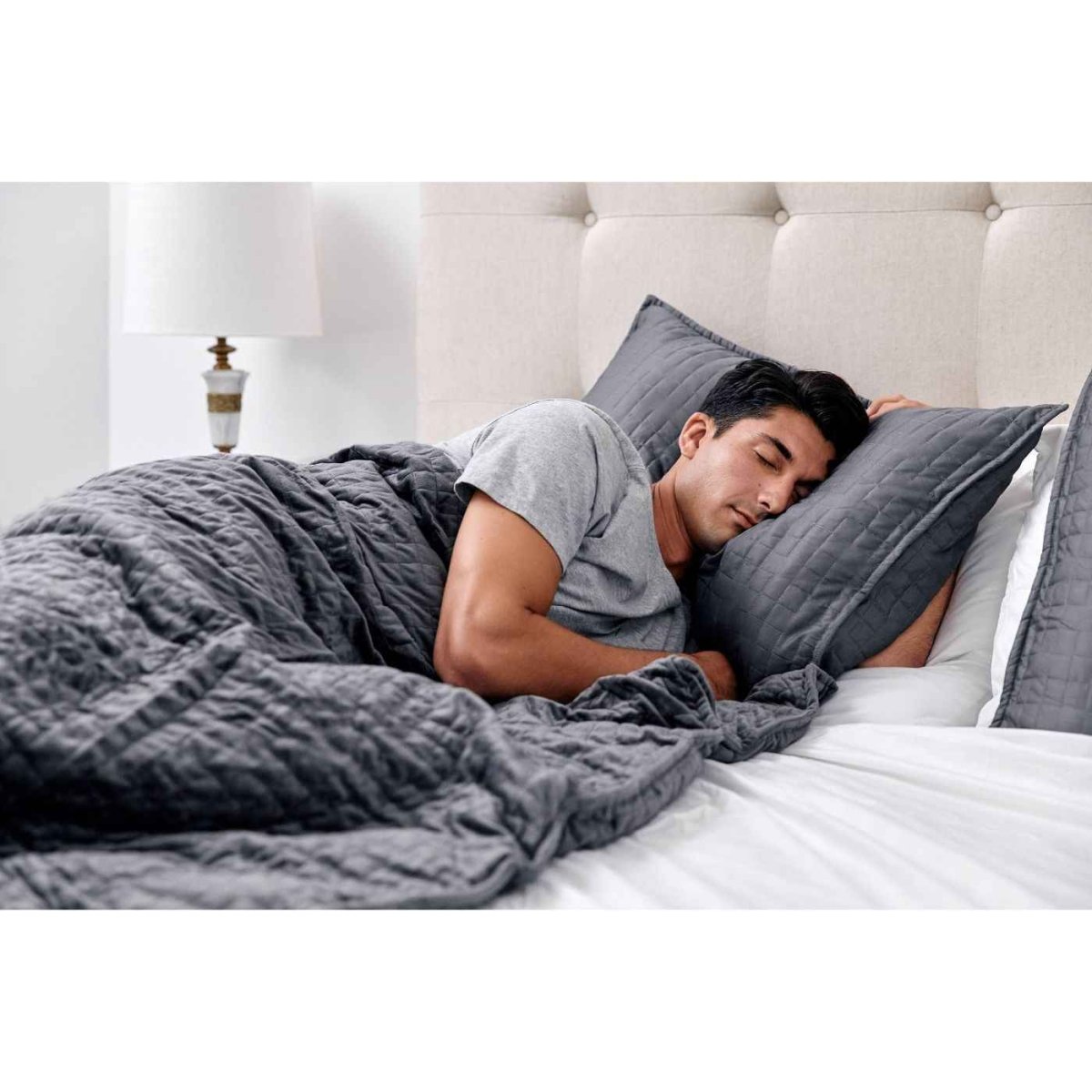
Textiles OEKO-TEX disponibles au Canada expliqués
The fabric closest to your skin should feel reassuring in every sense. When searching for textiles OEKO-TEX disponibles au Canada, you are not simply choosing a softer duvet cover or a cooler set of sheets. You are looking for materials made with greater care, particularly if sleep is already affected by stress, sensitivity, overheating or a busy mind.
OEKO-TEX certification offers a useful layer of confidence. It helps you make a more considered bedding choice without turning your bedroom into a chemistry lesson.
What OEKO-TEX means for your bedding
Most shoppers mean STANDARD 100 by OEKO-TEX when they see the familiar label on sheets, pillowcases, blankets or sleep accessories. This certification indicates that a textile has been tested for a wide range of substances that could be harmful to human health. Testing can cover the finished fabric as well as components such as threads, buttons, zips and printed details.
That distinction matters. A product may be beautifully made and still offer little clarity about the materials, dyes or treatments used along the way. OEKO-TEX gives you a recognised benchmark to look for when you want your bedding to feel as thoughtfully chosen as the rest of your sleep routine.
It does not mean a fabric is automatically organic, plastic-free or made without environmental impact. Those are separate questions. Nor does it guarantee that a blanket will resolve insomnia or anxiety. What it can do is remove one unnecessary source of uncertainty from the space where you rest.
Why certified textiles can feel like a better choice
Your bedding is in close contact with your body for hours at a time. For people with sensitive skin, children, or anyone who simply prefers a lower-fuss approach to wellness, material integrity is a meaningful part of everyday comfort.
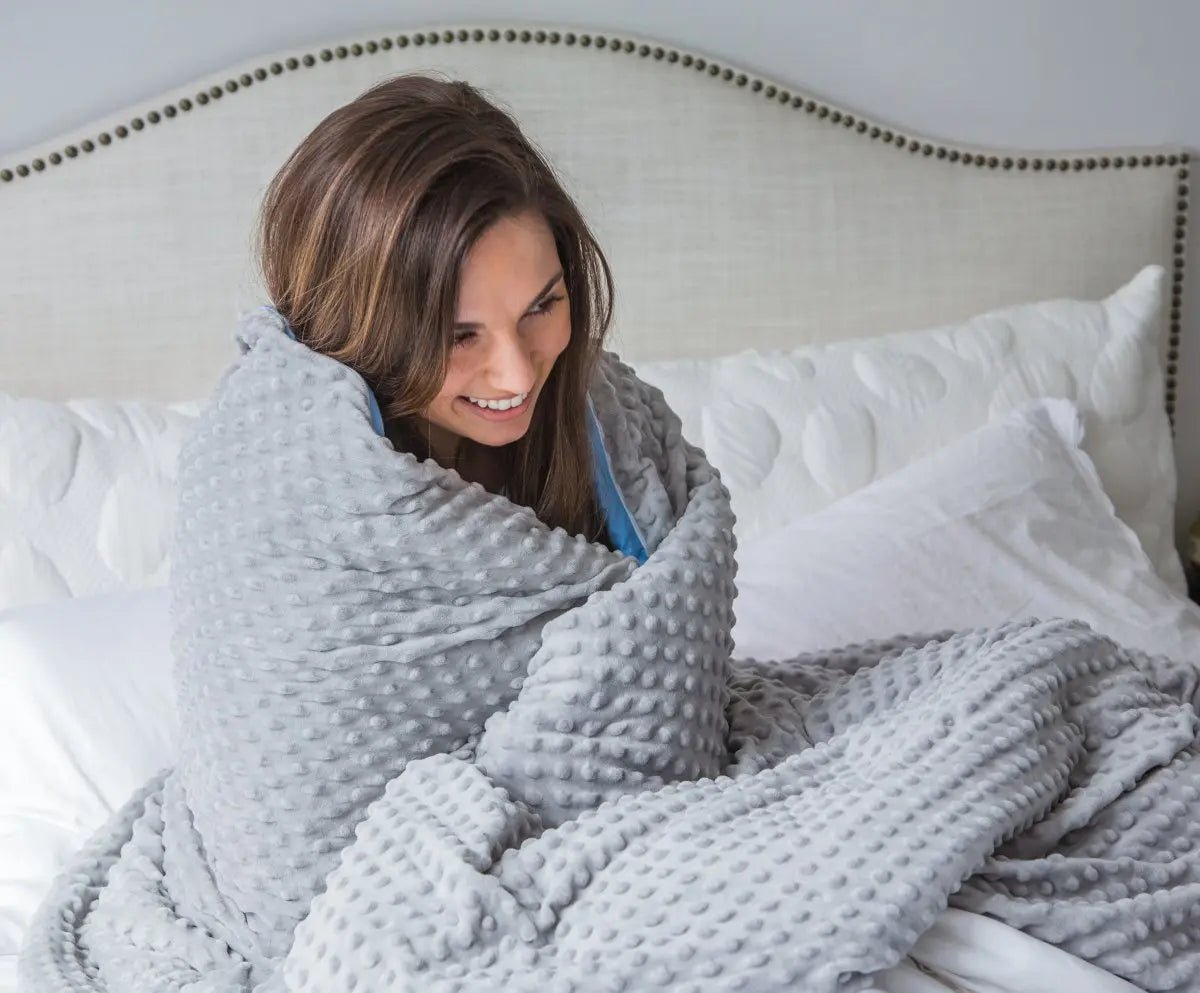
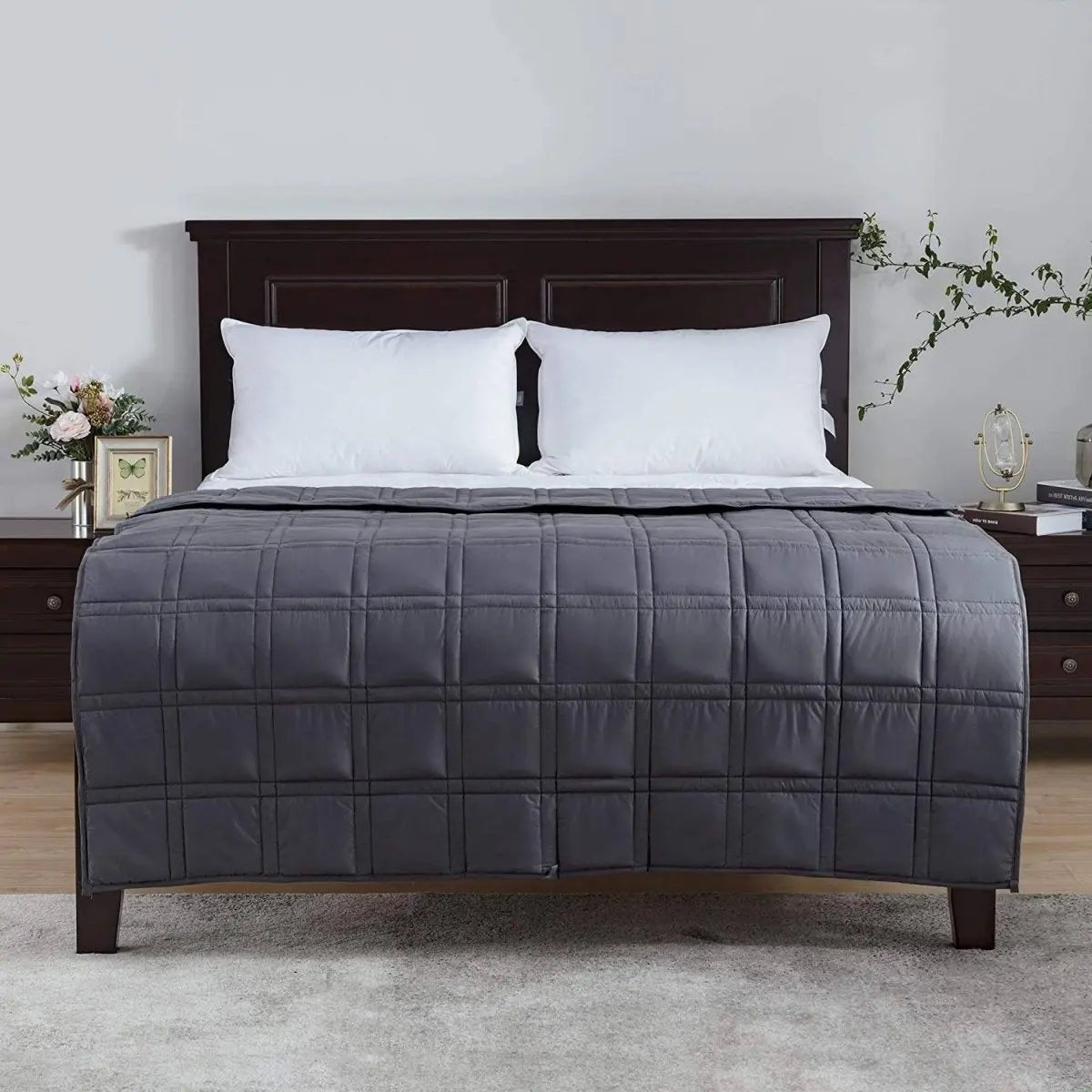
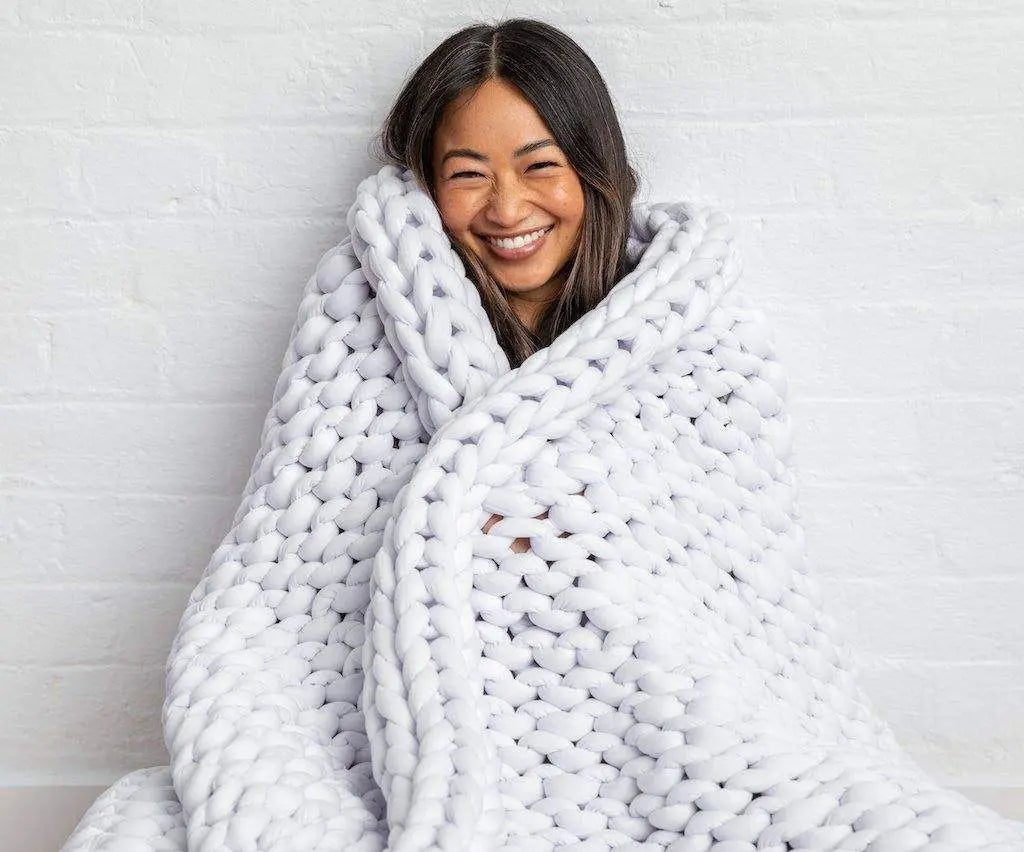
Certified fabrics are especially worth considering for the layers you use most often: fitted sheets, duvet covers, pillowcases, sleep masks and the covers surrounding a weighted blanket. A weighted blanket is designed to offer gentle, grounding pressure. Pairing that calming sensation with a soft, carefully tested outer layer creates a more comforting bedtime experience.
There is also a practical benefit. When the label has been clearly communicated, you can compare products on more than colour, price and thread count. You can choose based on what supports your own needs - breathable bamboo for warm sleepers, a smooth cotton finish for familiar comfort, or a removable certified cover that makes a weighted blanket easier to care for.
For warm sleepers and sensitive routines
If you wake feeling too warm, OEKO-TEX certification alone will not make a sheet cooling. Breathability depends on fibre type, weave and the overall bedding system. Bamboo-derived fabrics can feel particularly smooth and light, while cotton offers dependable airflow and easy care. The right choice depends on your room temperature, duvet weight and personal preference.
For sensitive routines, avoid assuming that one certification answers every question. Check the product description for fibre content, washing guidance and whether the certification applies to the full finished item. Clear information is part of a confident purchase.
How to recognise genuine OEKO-TEX certification
A credible OEKO-TEX claim should be specific, not vague. Look for wording such as “STANDARD 100 by OEKO-TEX” and, where available, a certification or label number. The label should make clear what has been certified, whether that is the fabric, the finished cover or another component.
Be cautious with phrases such as “OEKO-TEX quality” when no certification detail is provided. They may describe an intention rather than a verified standard. A trusted retailer should be able to explain the material and certification information in straightforward language.
When comparing textiles OEKO-TEX disponibles au Canada, it is also sensible to check whether the product you are buying matches the claim. A certified duvet cover does not necessarily mean the duvet insert is certified, and a certified blanket cover is not the same as certification for every internal filling material. This is not a reason to dismiss the product. It is simply a reason to read the details with care.
The certification terms worth knowing
OEKO-TEX includes more than one label, and they serve different purposes. STANDARD 100 is the one most relevant when you want reassurance about the textile touching your skin. MADE IN GREEN adds traceability and considers production in environmentally friendly facilities and socially responsible workplaces.
Neither label needs to become a test you have to pass before buying bedding. Think of them as useful signals. STANDARD 100 can be a strong starting point for a pillowcase, sheets or a weighted blanket cover. MADE IN GREEN may appeal if supply-chain transparency is equally high on your list.
The most balanced approach is to consider certification alongside comfort, durability and care. The softest fabric is not always the most practical for a household with children or pets. A delicate finish may require more attentive laundering, while a machine-washable cover can make a calming sleep tool far easier to use consistently.
Choosing OEKO-TEX bedding for real life
Begin with the item that will make the clearest difference to your nightly routine. If your pillow feels warm or irritating, start with pillowcases. If your bed rarely feels fresh and inviting, sheets or a duvet cover can reset the experience. If stress tends to follow you into bed, a weighted blanket with a certified, breathable cover may help create a steadier wind-down ritual.
Consider the season as well. In colder Canadian winters, a layered bed lets you retain warmth without relying on one heavy, heat-trapping fabric. During warmer months, breathable sheets and a removable weighted blanket cover can help you maintain that familiar feeling of calm while adapting to the temperature.
Better Sleep selects OEKO-TEX-certified textiles and breathable materials with this everyday reality in mind. The aim is not to make your bedroom feel clinical or complicated. It is to make the final hour of the day feel quieter, softer and easier to return to.
A few questions to ask before you choose
Ask whether the certification applies to the exact item you are purchasing, then consider how it will perform in your home. Does it suit your temperature needs? Can it be washed as often as your routine requires? Will the texture feel calming rather than distracting? And if it is for a child, is the product age-appropriate and used according to its care and safety guidance?
These questions bring the decision back to what matters: bedding that supports comfort night after night, not just on the day it arrives.
Care helps preserve the comfort you chose
A certified textile still benefits from thoughtful care. Follow the label instructions, wash bedding before first use if that feels right for your routine, and avoid using more detergent than necessary. Excess product can leave fabrics feeling less soft and may be uncomfortable for sensitive skin.
For weighted blankets, check whether the inner blanket and the cover have different care requirements. A removable cover often makes regular washing simpler, while the weighted insert may need gentler treatment. Keeping the fabric fresh, dry and well cared for protects the cosy, settled feeling that makes bedtime more inviting.
A calmer night rarely comes from one decision alone. It is built through small, supportive choices: lowering the lights, putting the phone aside, choosing a breathable layer and surrounding yourself with textiles that feel good against the skin. OEKO-TEX certification cannot promise perfect sleep, but it can help make your bed a more considered place to rest.


Leave a comment