



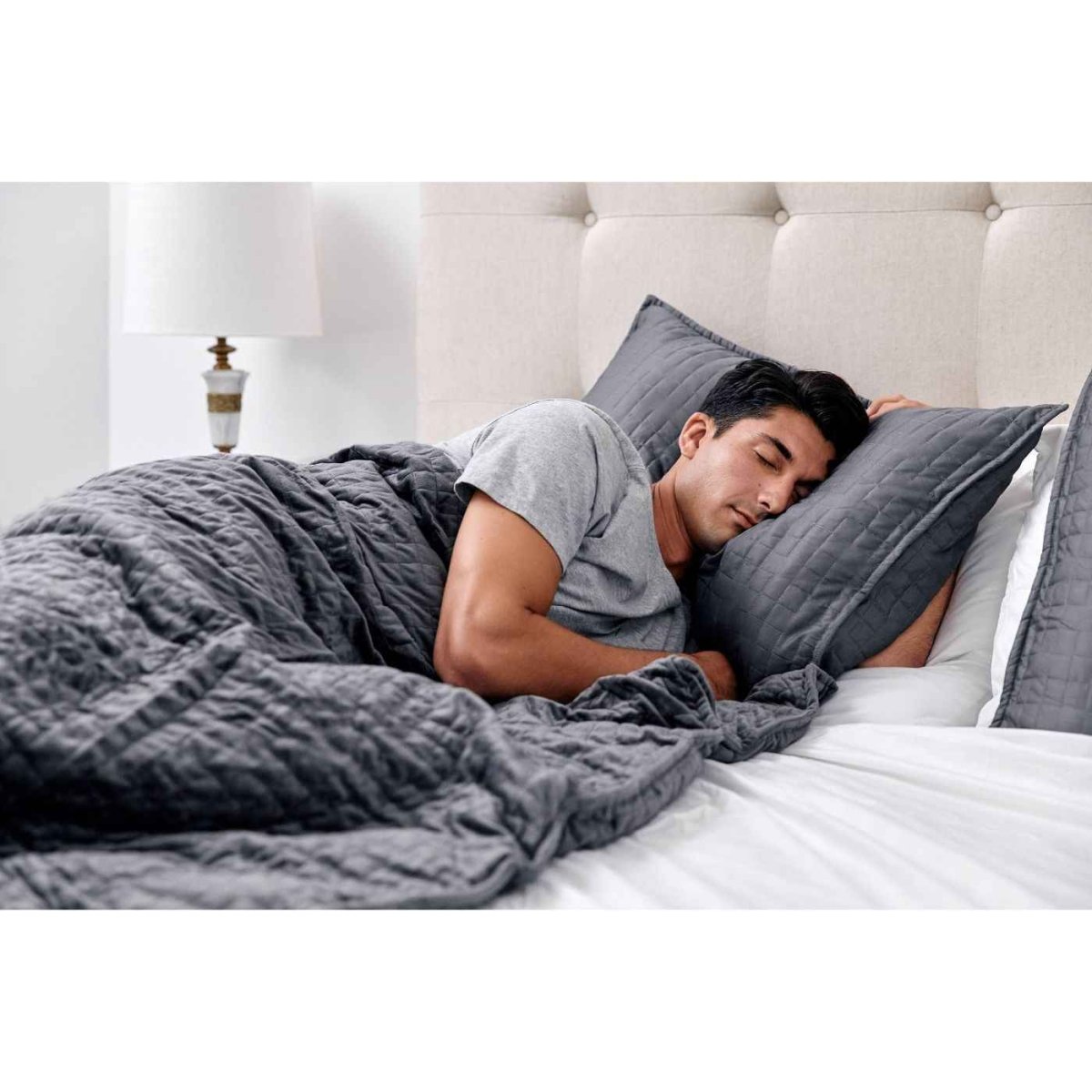
Weighted Blanket Buying Guide That Makes Sense
If you have ever added a weighted blanket to your cart, then paused at the last second, you are not alone. The right choice can feel deeply calming. The wrong one can feel too hot, too heavy, or simply unused at the foot of the bed. This weighted blanket buying guide is designed to make the decision clearer, so you can choose a blanket that supports deeper rest and feels good night after night.
What a weighted blanket should actually do
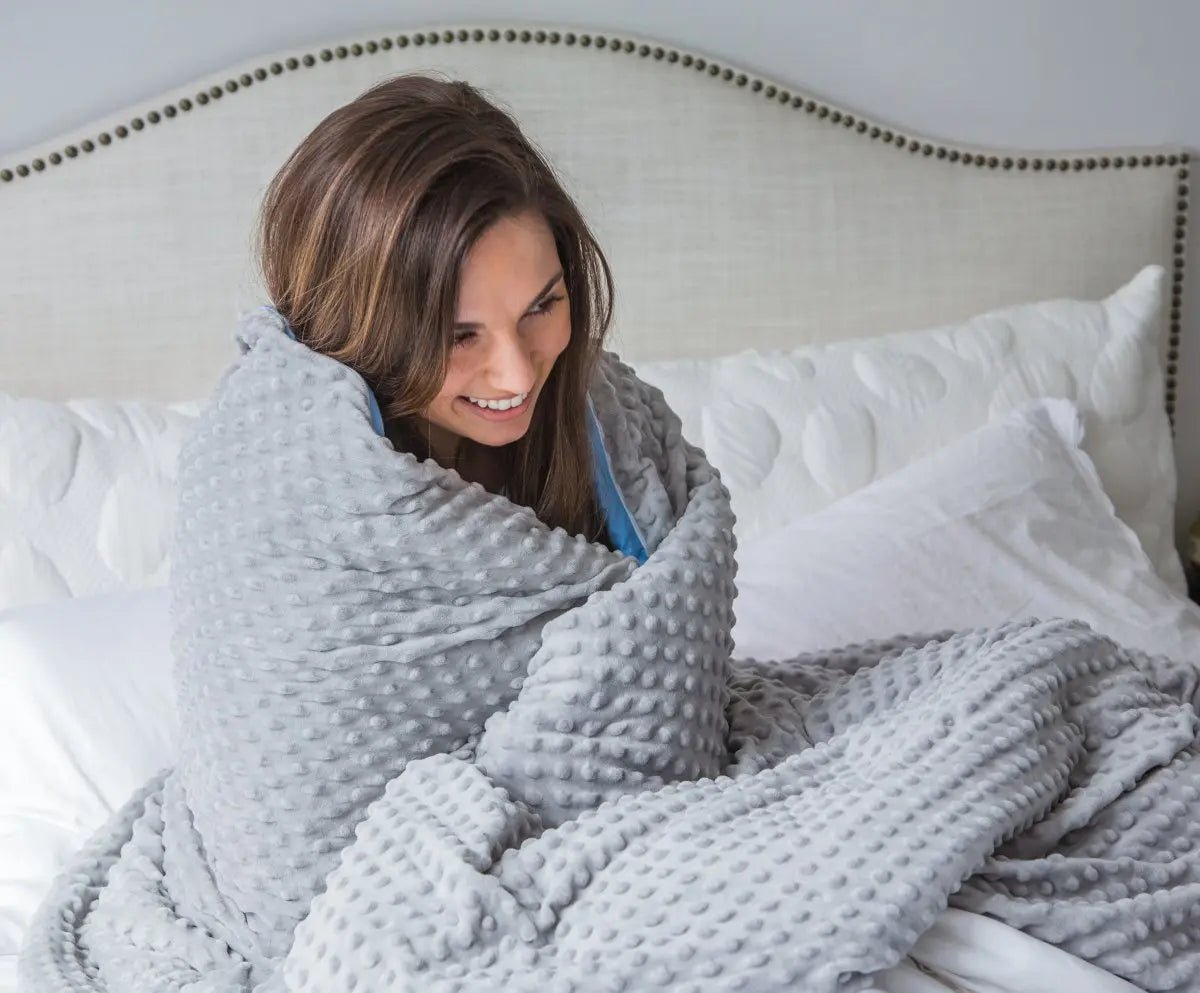
A weighted blanket is not just a heavier throw. It is designed to apply gentle, even pressure across the body, which many people find soothing when stress, restlessness, or overstimulation make it harder to settle. For some, that means falling asleep more easily. For others, it means waking less often or feeling more grounded during quiet time.
That said, the experience is personal. Some people love the cocooning effect right away. Others need a few nights to adjust. If you tend to sleep hot, move constantly, or dislike restrictive bedding, the material and construction matter just as much as the weight itself.
Weighted blanket buying guide: start with the right weight
The first decision is usually the most important one. A weighted blanket should feel calming, not overpowering. Many adults do well with a blanket that is roughly 8 to 12 percent of their body weight, but that range is a starting point, not a rule.
If you are between sizes, think about how you sleep. If you want a lighter, easier-to-adjust feel, go lower. If you already like dense comforters or enjoy a more grounded sensation, you may prefer the higher end of the range. People who are new to weighted blankets often do best with a moderate weight rather than the heaviest option available.
It also helps to think about use. A blanket for sleep can feel different from one used while reading on the couch or winding down after work. A heavier blanket may feel wonderful for stillness, but less practical if you shift positions frequently.
Size matters more than most people expect
A common mistake is choosing a weighted blanket the same way you would choose regular bedding. With weighted blankets, bigger is not always better.
Ideally, the blanket should cover your body without hanging too far over the sides of the bed. When too much fabric drapes over the edge, the blanket can pull and feel heavier than intended. That can affect comfort and make the pressure feel uneven.
For solo sleepers, a weighted blanket sized to the individual often works better than one sized to the mattress. For couples, sharing can be tricky unless both people like the same weight and sleep temperature. In many cases, two individual weighted blankets create a more comfortable setup than one large shared blanket.
The best fill and stitching for even comfort
Not all weighted blankets feel the same inside. The fill and stitching shape how the pressure is distributed and how the blanket moves with your body.
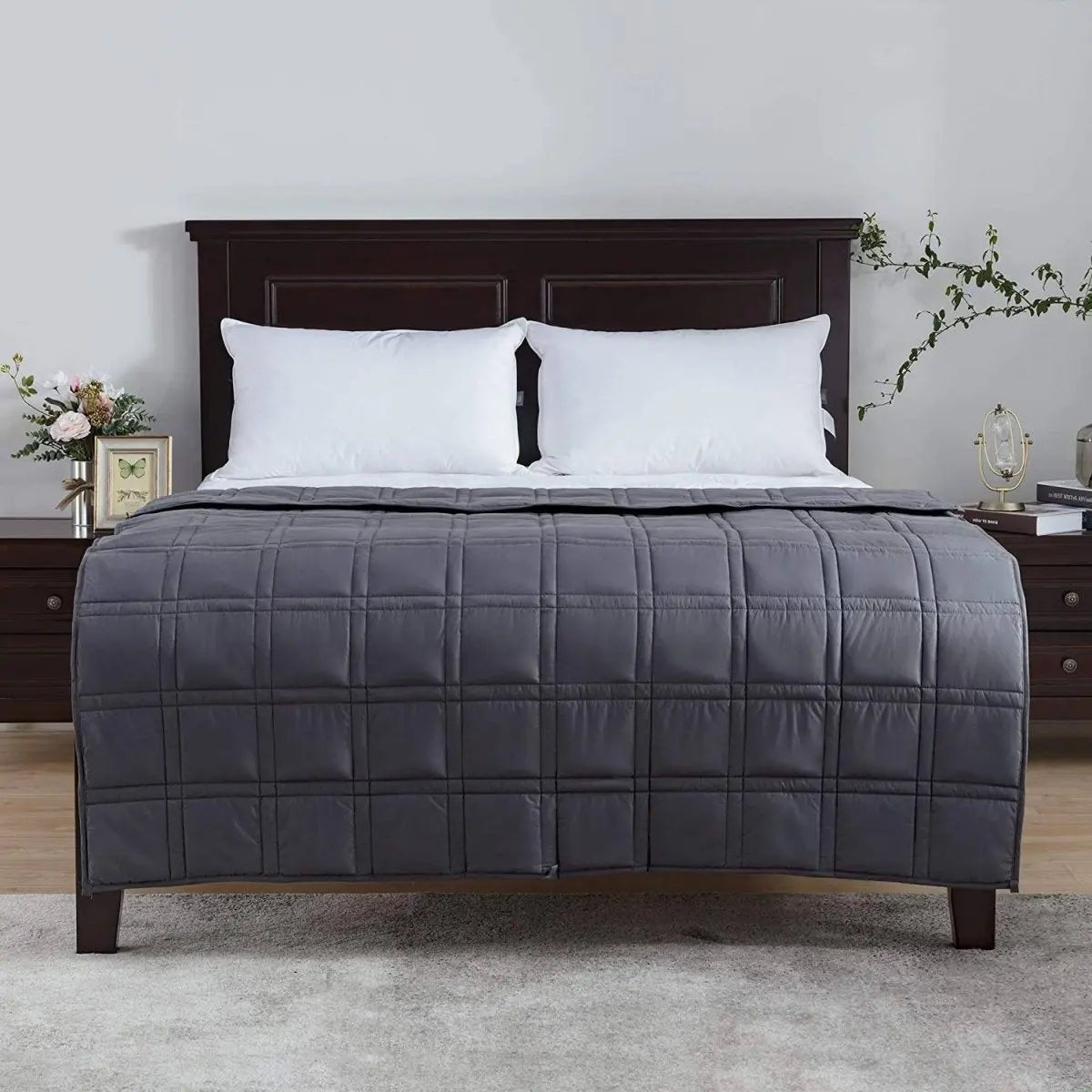
Look for a design with small, evenly stitched pockets that help keep the fill in place. This reduces bunching and prevents the blanket from feeling sparse in one area and dense in another. Glass beads tend to create a smoother, quieter feel than bulkier fills, and many sleepers prefer them for a more refined drape.
Construction also affects longevity. A well-made blanket should keep its shape and weight distribution over time, even with regular use. If the stitching looks minimal or the squares are too large, you may notice shifting sooner than you would like.
Fabric can make or break the experience
For many people, fabric is the difference between a blanket they use every night and one they push aside after an hour. If you sleep warm or experience night sweats, breathability should be high on your list.
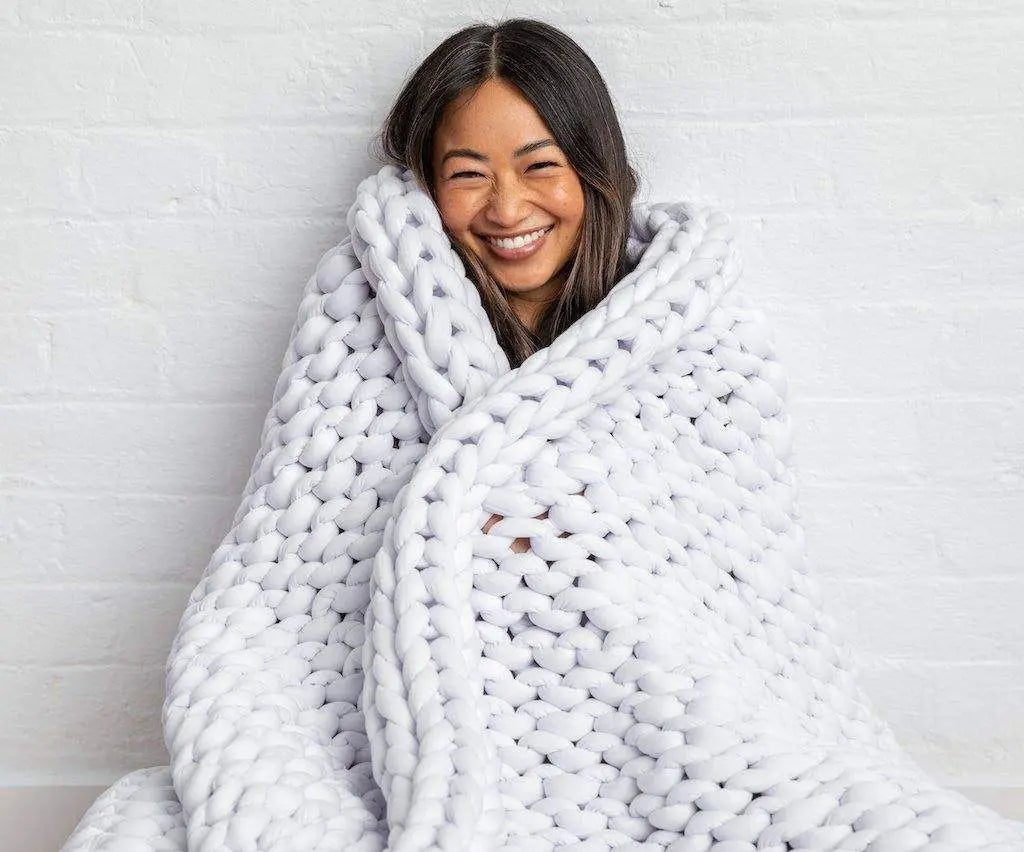
Cooling bamboo blends are a strong choice for hot sleepers because they feel smooth, breathable, and lighter against the skin. Cotton can also work well if you prefer a crisp, familiar texture. Plush options like sherpa are often loved in colder months or by people who want a cozier, more enveloping feel.
There is no best fabric for everyone. It depends on your sleep temperature, your climate, and how you want the blanket to feel at bedtime. If your goal is year-round use, breathable materials usually offer the most flexibility.
Weighted blanket buying guide for hot sleepers
If you already kick off blankets during the night, pay attention here. A weighted blanket can still work for hot sleepers, but only if the materials and layering are right.
Start with a breathable outer fabric and avoid overly insulating textures unless you only plan to use the blanket seasonally. Consider what is underneath as well. A weighted blanket paired with flannel sheets, a foam topper that traps heat, and a heavy comforter may feel too warm no matter how breathable the blanket itself is.
This is where all-season systems can make sense. They give you more control over warmth, rather than asking one blanket to do everything in every season. For many people, the most comfortable setup is a weighted blanket that delivers calm without adding unnecessary heat.
Choosing for anxiety, sensory needs, or restless sleep
People often shop for weighted blankets because something about bedtime feels unsettled. That could be racing thoughts, physical restlessness, sensory overload, or a general inability to relax once the lights go out.
In those cases, gentleness matters. The blanket should create a sense of security, not intensity. Even pressure, soft-touch fabric, and a weight that feels reassuring rather than restrictive are usually the right direction.
If you are especially sensitive to texture, avoid choosing based on weight alone. A fabric that feels scratchy, clingy, or too warm can cancel out the calming benefit. The best weighted blanket for anxiety is often the one that disappears into your routine because it feels naturally comforting from the first few nights.
What to know before buying one for a child
A weighted blanket for a child should never be chosen like a smaller version of an adult product. Weight, size, and intended use need more care. The blanket should be appropriately sized for the child, not oversized for the bed, and the weight should feel manageable and safe.
Parents are often looking for support with bedtime routines, sensory comfort, or calmer transitions at the end of the day. In those situations, softer pressure and breathable materials are often a better fit than anything too dense or overly warm.
If you are buying for a child, it is worth checking the brand guidance closely and making sure the blanket is suited to the child’s age, size, and needs. A thoughtful fit matters more than choosing the heaviest or plushest option.
Ease of care is part of long-term comfort
A weighted blanket can feel wonderful, but if it is difficult to care for, it may become less practical over time. Before buying, check whether the blanket is machine washable, spot clean only, or designed to be used with a removable cover.
A removable cover adds convenience, especially if you use the blanket nightly or want to keep your sleep environment feeling fresh with less effort. It also gives you more flexibility with texture and warmth. You may want a cooling cover in summer and something cozier in winter.
This is one of those details people often overlook until after the purchase. Daily comfort includes maintenance, not just feel.
Premium details worth paying for
Not every upgrade is meaningful, but some are. High-quality stitching, breathable fabrics, non-toxic certifications, and thoughtful construction are worth attention because they affect both comfort and trust.
If you are investing in a weighted blanket for your well-being, it makes sense to look for materials that feel safe against the skin and hold up over time. OEKO-TEX-certified textiles, for example, offer added reassurance for people who care about material integrity as much as softness.
A longer trial period can also be valuable. Weighted blankets are personal, and a few minutes of testing with your hands does not tell you how one will feel after a full week of sleep. Brands that allow time to adjust tend to make the decision feel easier and more confident.
When a weighted blanket is worth it
A weighted blanket is worth it when the fit is thoughtful. That means the right weight for your body, the right fabric for your temperature, and the right construction for consistent comfort. It also means being honest about your preferences. If you want a cool, light sleep setup, choose accordingly. If you want grounding pressure on winter nights, that is a different purchase.
At Better Sleep, this is why product matching matters. The goal is not simply to choose a blanket. It is to find the one that supports calmer nights in a way that feels natural in your home and sustainable in your routine.
The best choice is rarely the heaviest or the trendiest. It is the one you reach for every evening because your body has learned to trust it.


Leave a comment