




Weighted Blanket vs Comforter: Which Helps More?
You can feel the difference within a few minutes. A comforter gives you warmth and softness. A weighted blanket gives you something else entirely - a gentle, grounding pressure that many people describe as instantly calming. When comparing a weighted blanket vs comforter, the better choice usually comes down to what your body needs at night: insulation, relaxation, or a bit of both.
For some sleepers, that distinction changes everything. If you tend to toss, feel overstimulated at bedtime, or struggle to settle your nervous system after a long day, the blanket on your bed is doing more than finishing the look of your bedroom. It is shaping how supported, regulated, and comfortable you feel as you fall asleep.
Weighted blanket vs comforter: the core difference
A comforter is designed primarily for warmth. It sits lightly over the body and traps heat, creating that familiar cozy feeling most people associate with a made bed. Depending on the fill and shell, a comforter can feel lofty, airy, plush, or insulating, but its main job is temperature comfort.
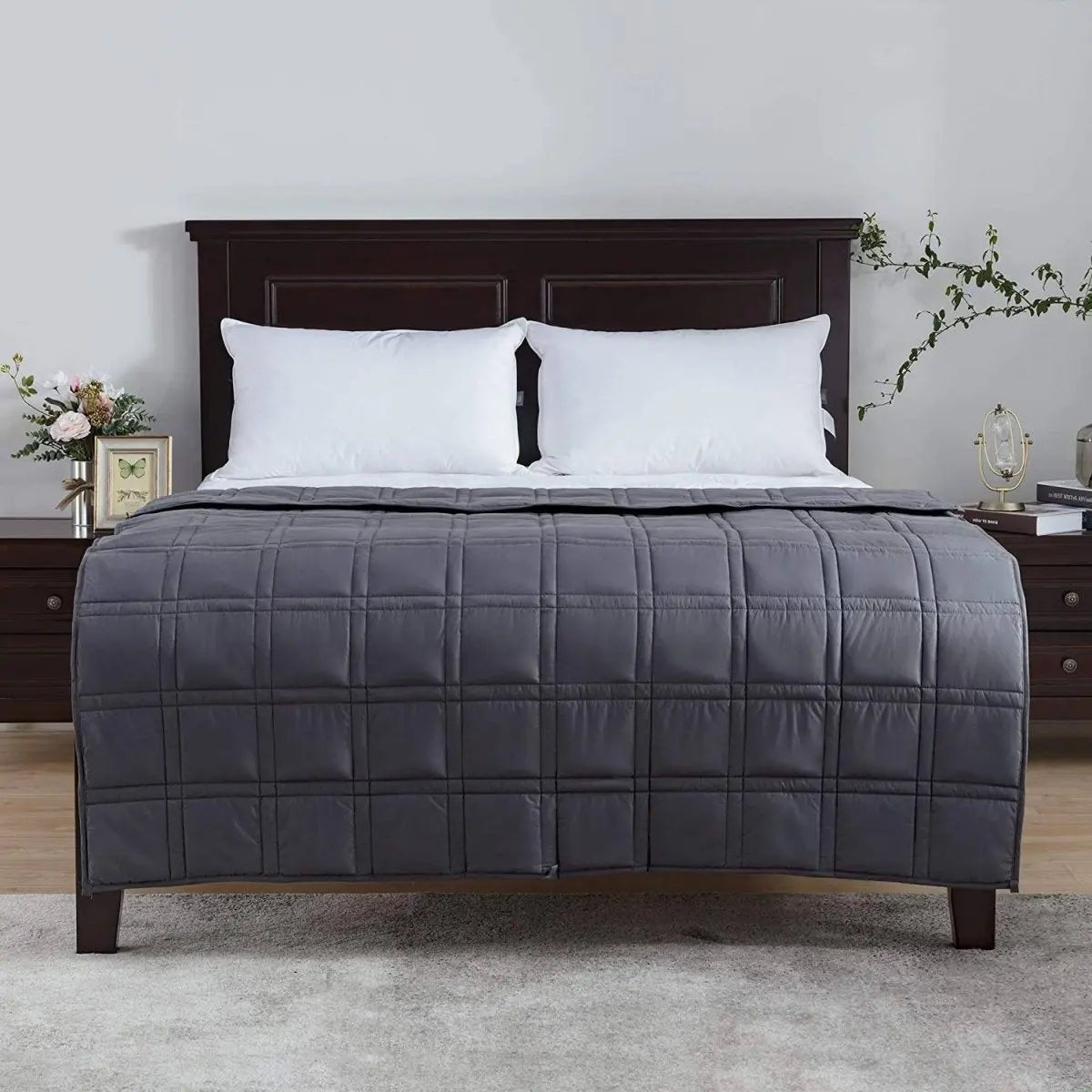
A weighted blanket is designed for pressure. Rather than puffiness, it provides evenly distributed weight across the body. That steady pressure is often associated with a calmer, more secure feeling, especially for people dealing with stress, anxiety, restlessness, or sensory overload. Warmth can still be part of the experience, but it is not the primary function.
That is why these two products are not true substitutes in every case. One supports thermal comfort. The other supports sensory comfort. Some sleepers need one more than the other, and some sleep best when both are used intentionally.
How a comforter feels in real life
A comforter is the familiar choice because it is simple and versatile. You spread it over the bed, layer it with sheets if needed, and adjust for the season. It works well for people who want softness without heaviness and for anyone who prefers freedom of movement throughout the night.
If you sleep hot, though, not every comforter will feel good. Thicker fills can trap heat quickly, especially if your room already runs warm or you share a bed with someone who radiates heat. If you tend to wake up sweaty, the problem may not be your mattress or pajamas - it could be the loft and insulation of your top layer.
Comforters also do very little to create that held, settled feeling some people crave at bedtime. They can feel cozy, but cozy is not always the same as calming. If your mind feels busy even when your body is tired, warmth alone may not be enough.
How a weighted blanket feels in real life
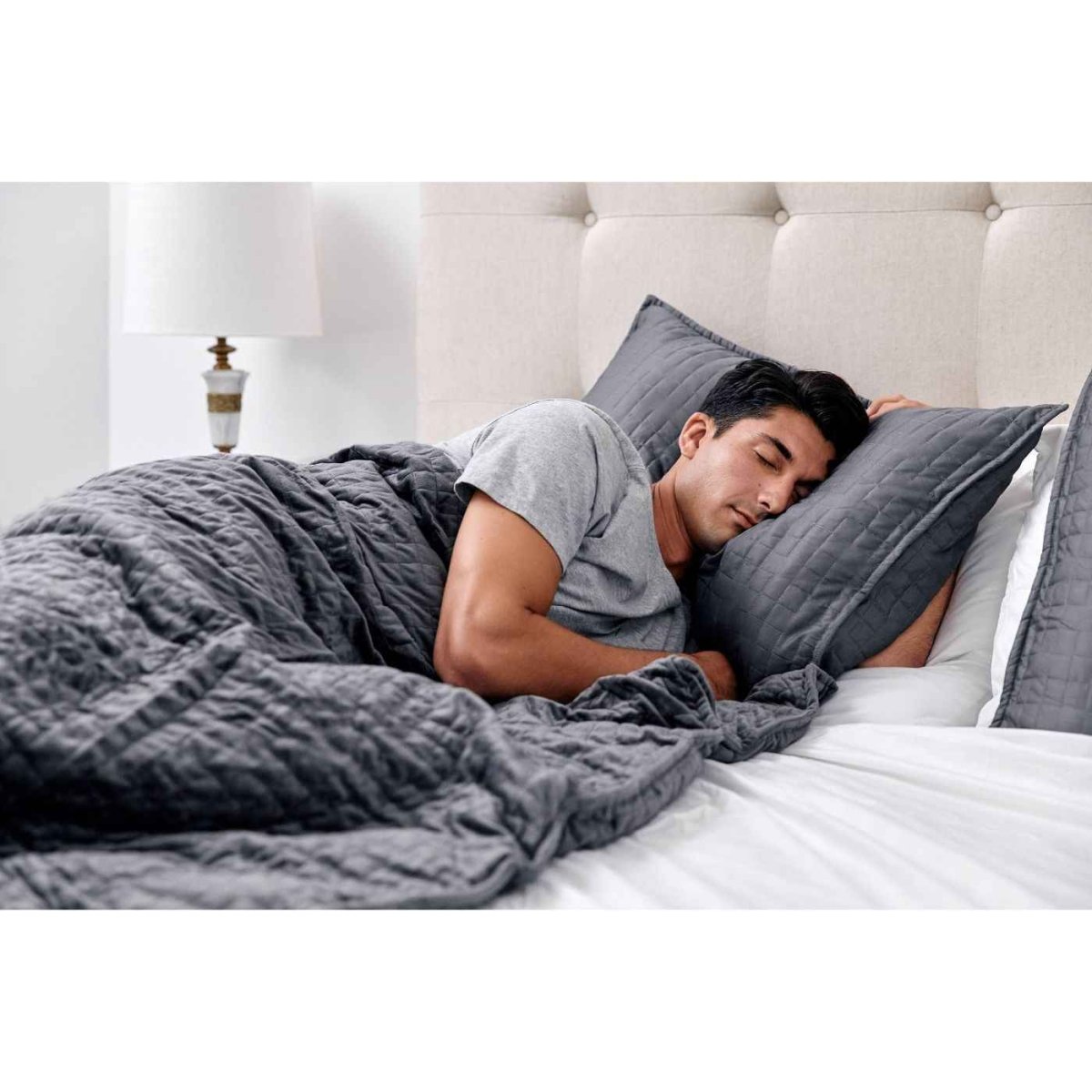
A weighted blanket usually feels more intentional from the start. Instead of floating over the body, it rests on you. That pressure can feel deeply soothing, especially if your days are mentally demanding or your sleep is often light and restless.
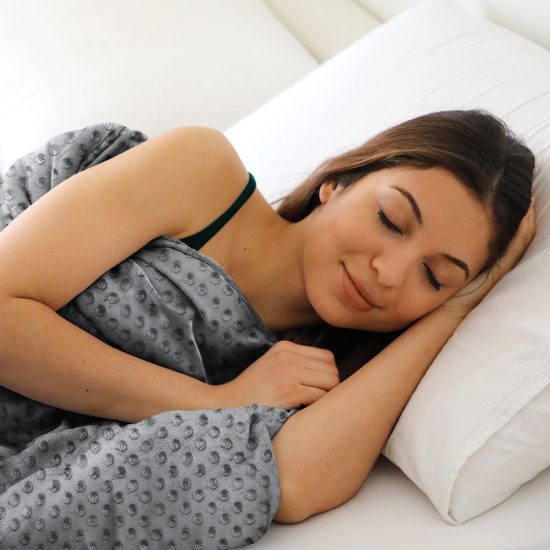
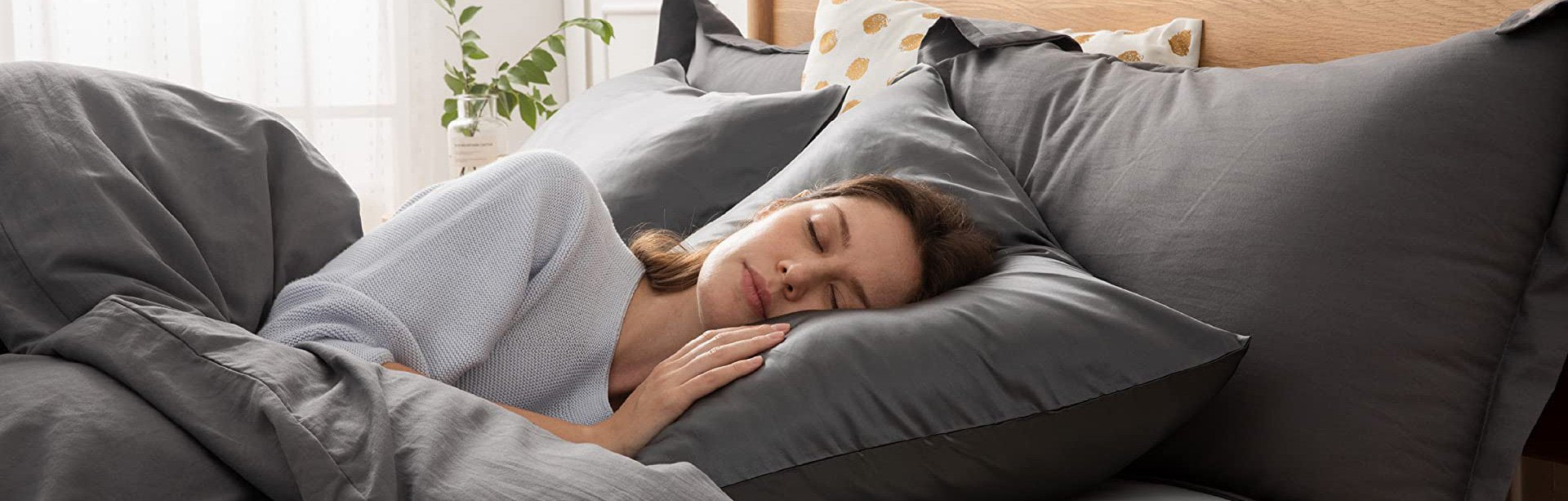
Many people reach for a weighted blanket because they want help slowing down at night. The sensation can support a more relaxed transition into sleep, making it easier to settle into stillness instead of shifting constantly under the covers. For some, it becomes part of a wind-down routine in the same way dim lights or a cup of tea might.
That said, weighted blankets are not one-size-fits-all. Some people love the cocooned feeling immediately. Others need a few nights to adjust. And if the blanket is too heavy, too warm, or made with less breathable materials, it can feel restrictive rather than restorative.
This is where material quality matters. A weighted blanket made with breathable, thoughtfully selected fabrics tends to feel more balanced across seasons and more comfortable for longer periods of use.
Weighted blanket vs comforter for warmth
If your top priority is staying warm through cold nights, a comforter usually wins on pure insulation. Its loft traps body heat more effectively, and that is exactly what many cold sleepers want.
But warmth is only helpful when it stays comfortable. If your body temperature fluctuates overnight, a thick comforter can become too much. You start the night cozy and wake up kicking layers away. In those cases, a weighted blanket made with cooler, breathable fabric can actually feel more usable, even if it is not as warm in the traditional sense.
The better question is not which one is warmer. It is which one keeps you comfortable long enough to stay asleep. For some people, that means a comforter in winter and a lighter weighted blanket year-round. For others, it means combining a weighted blanket with breathable bedding underneath rather than relying on one heavy insulating layer.
Which is better for anxiety and restlessness?
This is where the gap becomes clearer. A comforter can feel comforting, but a weighted blanket is specifically associated with that calm, grounded sensation many people seek when stress shows up at bedtime.
If your sleep struggles are tied to racing thoughts, physical tension, or a sense that your body never fully settles, a weighted blanket is often the more supportive option. The evenly distributed pressure can help create a feeling of security that a regular comforter simply is not designed to provide.
That does not mean it replaces healthy sleep habits or addresses every cause of poor sleep. But for many adults, especially those carrying mental load from work, parenting, or overstimulation, it can make bedtime feel less jagged and more steady.
If your issue is not stress but simple cold sensitivity, the added pressure may be less important than the insulating effect of a comforter. This is one of those it depends decisions that is worth being honest about.
What works best for hot sleepers?
Hot sleepers often assume weighted blankets are automatically too warm. Sometimes that is true, but not always. The real issue is construction.
A weighted blanket made with breathable fabrics like bamboo or other cooling materials can feel surprisingly comfortable, especially compared with a bulky comforter that traps heat. On the other hand, a weighted blanket with poor airflow can feel heavy in all the wrong ways.
Comforters have the same problem. A lightweight comforter can be a good fit for someone who wants minimal warmth and coverage. A dense one can turn the bed into a heat trap.
If you sleep hot and still want that calming weight, look for breathability first and weight second. Pressure should feel soothing, not suffocating.
Can you use both together?
Yes, and for many people, that is the sweet spot. A weighted blanket and a comforter serve different purposes, so layering them can create a more complete sleep setup.
Some people sleep with a weighted blanket over their body and use a comforter folded at the foot of the bed for colder hours. Others keep the weighted blanket for winding down in the evening, then switch to a comforter for overnight sleep. There is no rule that says you have to choose one forever.
This is especially helpful if your needs change with the season. A calming layer in spring and summer may be enough on its own, while winter calls for additional warmth. Better Sleep designs many of its sleep essentials around that kind of practical, year-round comfort rather than a one-season fix.
Who should choose a comforter?
A comforter is usually the better choice if you mainly want warmth, visual bed styling, and lightweight coverage. It suits sleepers who move frequently, dislike feeling restricted, or simply want a straightforward bedding layer that works without much adjustment.
It can also be a better fit for guest rooms or shared beds where sleep preferences vary widely. A comforter is familiar. Most people know what to expect from it.
Who should choose a weighted blanket?
A weighted blanket is usually the better choice if you want your bedding to do more than keep you warm. It is especially appealing for adults who want support for calmer nights, less restlessness, and a more grounded bedtime routine.
It also makes sense if your ideal sleep environment feels quiet, cocooning, and low stimulation. For gift buyers, it can be a more thoughtful choice than standard bedding because the benefit feels personal and immediate.
The key is choosing the right weight and fabric. Too heavy or too hot can work against the experience you are trying to create.
So which one should you actually buy?
If your bed feels cold, start with a comforter. If your body feels wired, start with a weighted blanket. If both are true, think in layers rather than categories.
The weighted blanket vs comforter question is not really about which product is better overall. It is about what kind of comfort helps you sleep better, naturally. Warmth is one kind of comfort. Calm is another. When you know which one you are missing, the choice becomes much easier.
The best bedding should make bedtime feel like relief, not guesswork. Choose the layer that helps your body exhale.


Leave a comment