




What Weight Blanket Should I Get?
You do not need a complicated formula to answer the question, what weight blanket should i get. What you need is a blanket that feels gently grounding, not restrictive - one that helps your body settle without making sleep feel heavy or overheated. The right choice usually comes down to your body weight, sleep style, and how much pressure feels calming to you.
Weighted blankets are designed to apply deep, even pressure across the body. For many adults, that pressure can support a greater sense of calm at bedtime, especially during periods of stress, restlessness, or overstimulation. But more weight is not always better. A blanket that is too light may not give you the cocooned feeling you want, while one that is too heavy can feel uncomfortable and harder to move under.
What weight blanket should I get based on body weight?
A common starting point is about 10 percent of your body weight, with a little flexibility on either side. If you weigh 150 pounds, for example, a 15-pound blanket is often a strong place to begin. If you are between standard blanket weights, your personal preference matters. Some people prefer a slightly lighter feel for easier movement, while others sleep better with a bit more pressure.
That guideline works well because weighted blankets are meant to feel comforting, not pinning. Think of the sensation as a steady hand rather than a heavy layer. If you are sensitive to pressure, tend to change positions often, or are trying a weighted blanket for the first time, choosing the lighter option is often the better experience.
If you like quick reference points, this is where many adults land:
- 100 to 130 pounds - around 10 to 12 pounds
- 130 to 170 pounds - around 12 to 15 pounds
- 170 to 210 pounds - around 15 to 20 pounds
- 210 pounds and up - around 20 pounds or more
When to go lighter and when to go heavier
There are a few cases where the standard recommendation needs adjusting. If you sleep warm, a slightly lighter blanket can feel more breathable and easier to tolerate throughout the night. If you live with chronic stress or you love a more cocooning feel on the couch before bed, you may prefer the upper end of your range.
Movement also matters. Side sleepers and combination sleepers often prefer a blanket they can shift without effort. If you tend to stay in one position and enjoy that tucked-in feeling, a heavier option may suit you well.
Your bed setup can influence the decision too. A weighted blanket is not the same as a comforter. It is usually designed for your body, not to drape over the full edges of the mattress. If you expect it to cover the entire bed and both sleepers, the weight can add up quickly and feel less practical. For most couples, individual weighted blankets are the more comfortable choice.
What weight blanket should I get for anxiety or restless sleep?
If your main goal is to feel calmer at night, the best weighted blanket is usually the one you will actually want to use consistently. That often means choosing a weight that feels reassuring within the first few minutes, not intense after twenty. For anxiety, sensory overload, or a racing mind at bedtime, moderate pressure tends to work better than maximum pressure.
This is where fabric and breathability become just as important as weight. A 15-pound blanket in a cooling, breathable material can feel far more relaxing than a 15-pound blanket that traps heat. If you often wake up warm, the wrong fabric can cancel out the comfort benefits of the weight itself.
People who are new to weighted blankets sometimes assume the heaviest option will create the strongest calming effect. In practice, that can backfire. If you notice yourself pushing the blanket off during the night, or avoiding it because it feels like too much effort, it is probably too heavy for your needs.
Size matters more than most people expect
One of the easiest ways to get the wrong feel is choosing the wrong size. A weighted blanket should generally match the person using it, not the size of the mattress. If it is too large, the weight spreads out and may feel less effective. If it hangs over the sides of the bed, it can also pull downward and feel heavier than intended.
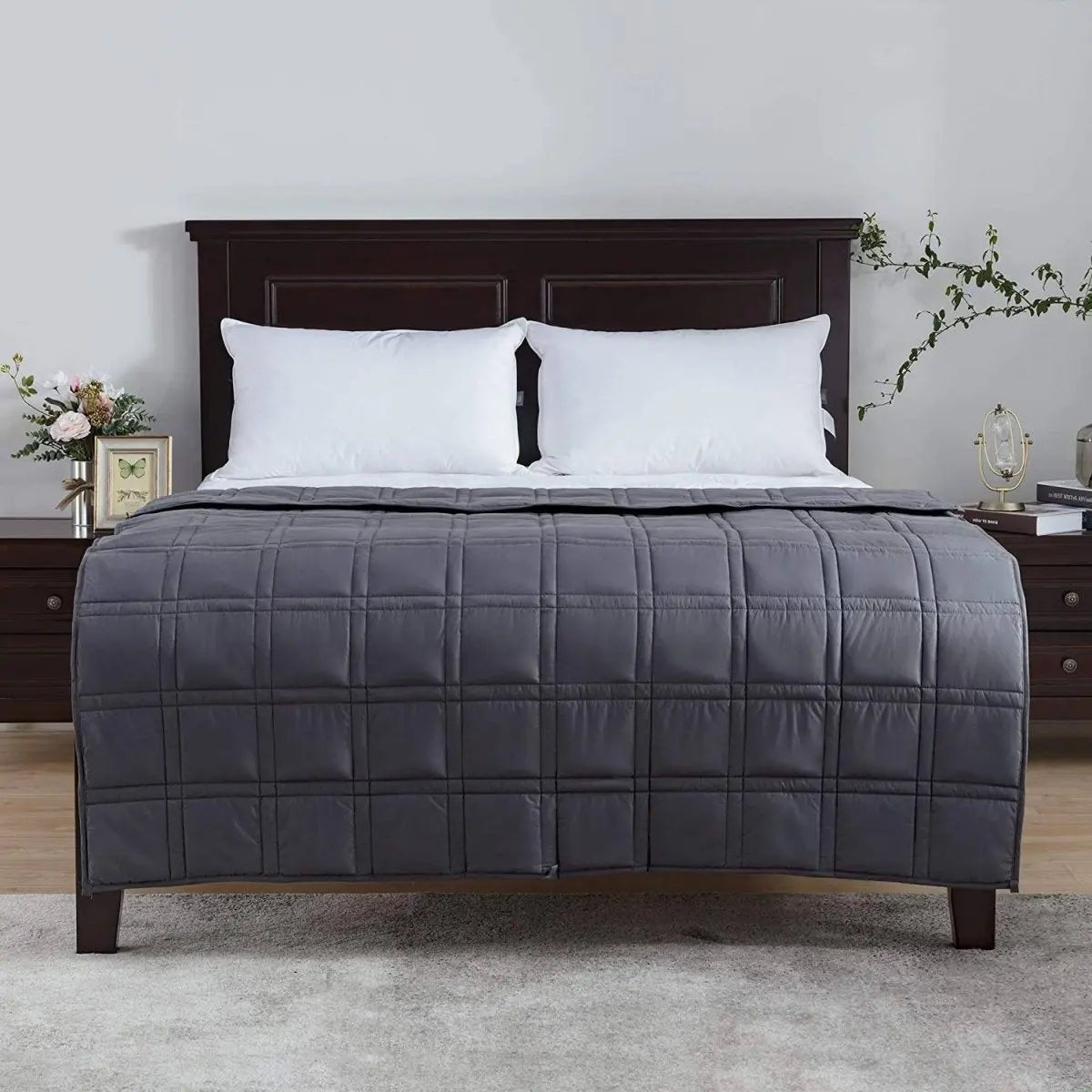
For one person, a throw-size or twin-size weighted blanket is often ideal, even on a larger bed. That keeps the pressure centered on the body where it can do its job best. If you share a bed, this approach also prevents the blanket from shifting every time your partner moves.
A lot of shoppers focus first on pounds and overlook dimensions. In reality, the right size and the right weight work together. A well-sized blanket with moderate weight usually feels more supportive than an oversized blanket with extra fill.
Fabric can change the whole experience
If you are deciding what weight blanket should i get, pause for a moment and think about temperature. Many people stop using weighted blankets not because the pressure is wrong, but because the fabric feels too warm for year-round sleep.
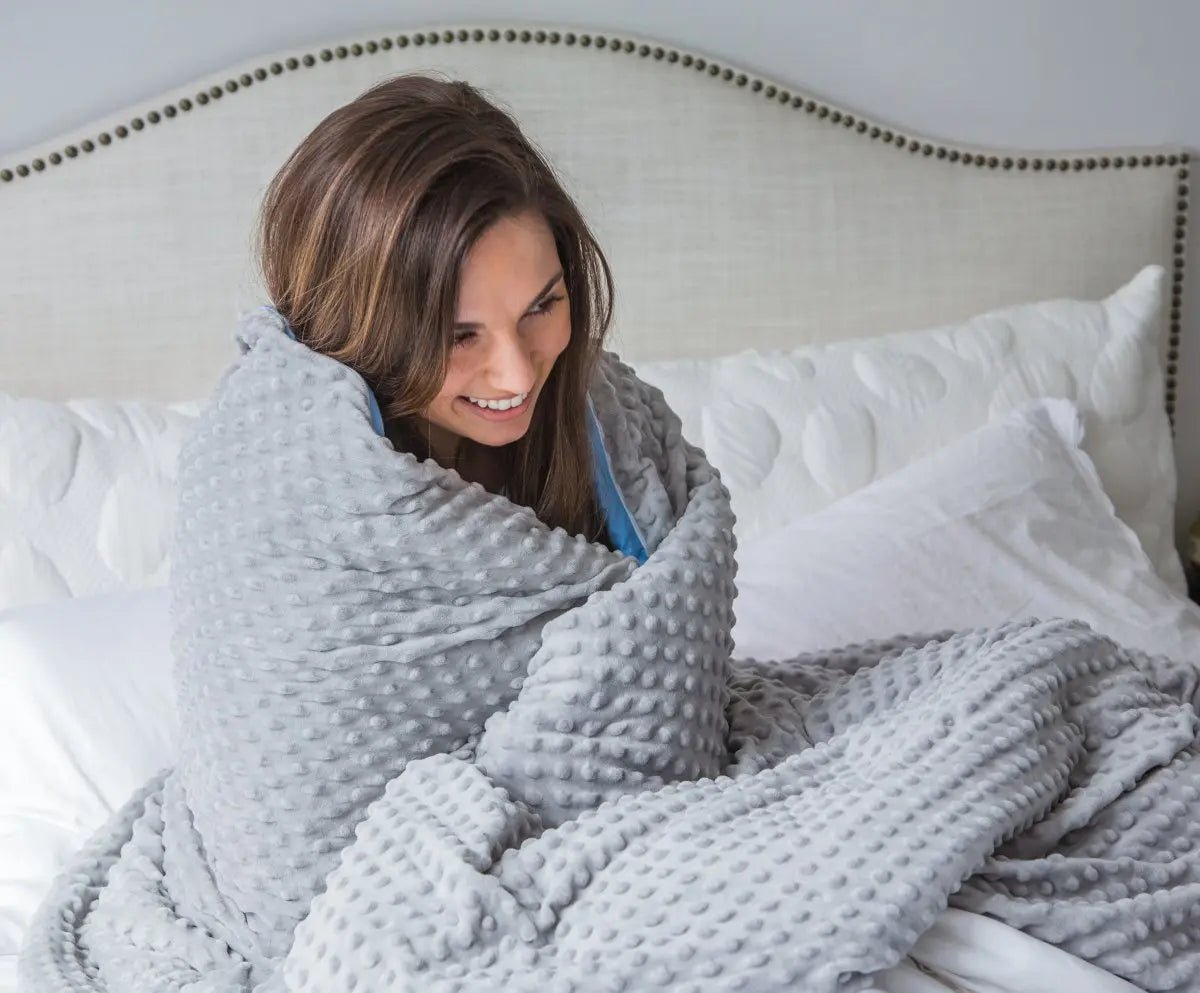
Cooling bamboo, breathable cotton, and moisture-managing fabrics tend to work well for hot sleepers or anyone who wants a lighter, fresher feel. Plush or sherpa textures can feel incredibly comforting, especially in colder months, but they are often better for seasonal use or evening relaxation rather than summer sleep.
This is one of those trade-offs worth thinking through before you buy. If your priority is cozy comfort while reading or winding down on the sofa, a warmer finish may be exactly right. If your goal is deeper sleep every night, breathability often wins.
Weighted blankets for kids need a different approach
For children, fit and safety matter even more. A child’s weighted blanket should never be chosen by guessing or sizing up for them to grow into. It needs to match their current size and needs, and children should always be able to remove it easily on their own.
Parents are often looking for support with bedtime transitions, sensory regulation, or calmer evening routines. In those cases, lighter options designed specifically for children are the right place to start. The blanket should feel soothing and manageable, never overwhelming. If there is any uncertainty, it is wise to check with your child’s healthcare provider before introducing a weighted blanket.
Signs you found the right weight
The right weighted blanket usually feels noticeably calming within a short time. Your shoulders may drop. Your breathing may slow. You may feel less fidgety in bed or more settled during your nighttime routine.
Just as useful are the signs that something is off. If the blanket makes you feel trapped, too warm, sore when turning, or reluctant to use it, the fit is probably wrong. A weighted blanket should support rest, not create another sleep problem to solve.
This is why a trial period can matter so much. The first few minutes tell you part of the story, but a few nights of real use tell you the rest. Sleep products are personal, and confidence often comes from being able to test what actually feels good in your own space.
A simple way to choose without overthinking it
Start with your body weight, then adjust for sleep style and temperature. If you are between two options, choose lighter if you are new to weighted blankets, sleep warm, or move often. Choose slightly heavier if you know you like more pressure and want a stronger cocooning feel.
Then make sure the size is meant for one person, not the full bed, and pick a fabric that fits how you sleep most nights. A well-made weighted blanket should feel therapeutic, breathable, and easy to live with - not like a compromise between comfort and function.
At Better Sleep, this is exactly how we think about product design: calming weight, thoughtful materials, and comfort that feels refined enough to use every day. Because the best weighted blanket is not simply the heaviest or the most popular. It is the one that helps your body exhale the moment you pull it up.


Leave a comment