




Adult Sensory Blankets for Calmer Nights
The moment your body feels tired but your mind is still racing, comfort needs to do more than look inviting. Adult sensory blankets are designed for those evenings: when work thoughts linger, the house feels too loud, or settling into sleep takes longer than it should. Through soothing weight, calming texture, or gentle temperature regulation, they can make a bedroom or quiet corner feel more grounded.
For many adults, sensory comfort is not about adding another item to the bed. It is about creating a reliable cue that the day is ending. The right blanket can support that transition with a steady, reassuring feel that helps you slow down, breathe more deeply, and rest with greater ease.
What makes a blanket sensory?
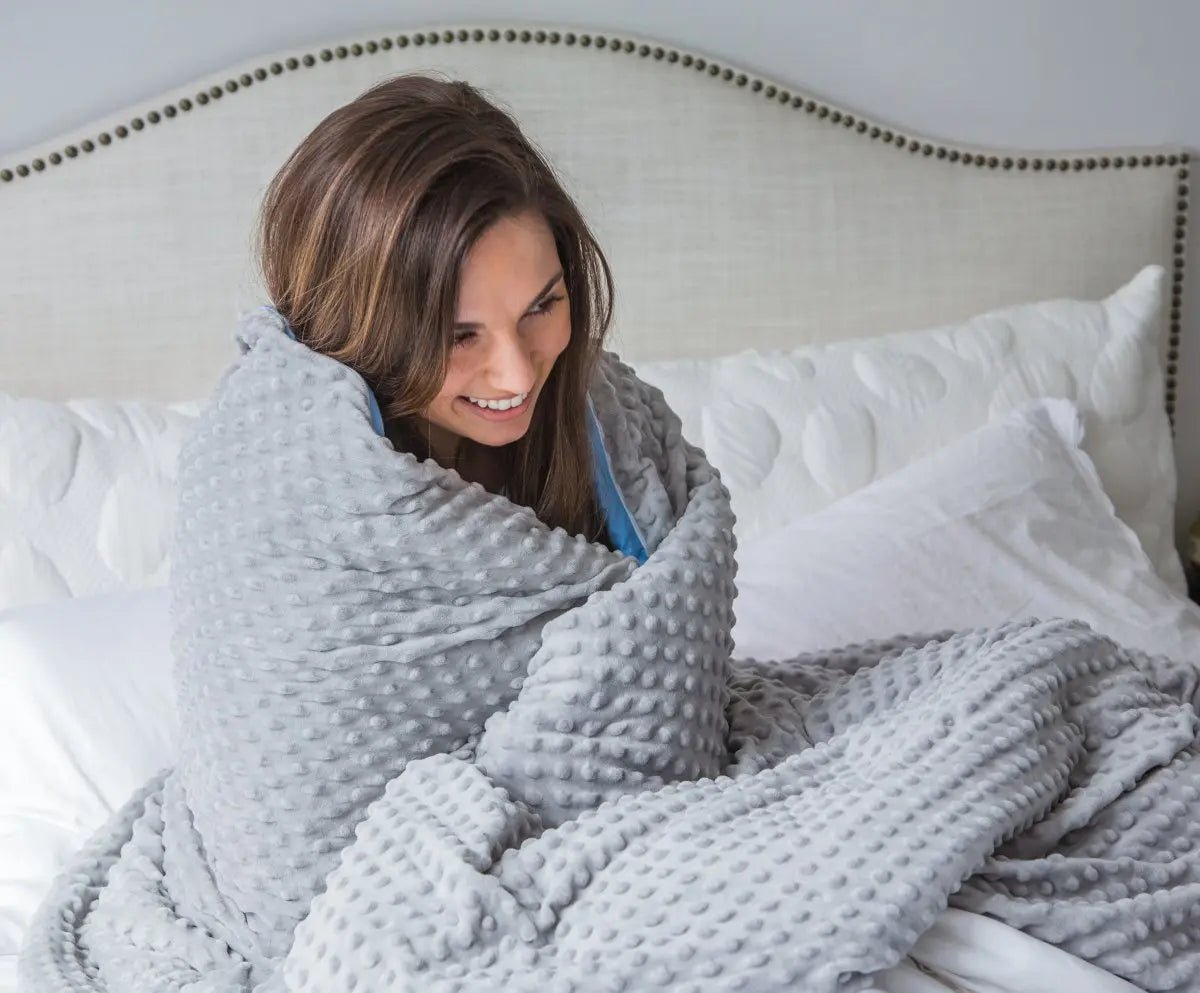
A sensory blanket is made to engage the senses in a calming, intentional way. While a standard throw may simply add warmth, a sensory design focuses on how a blanket feels on the body and against the skin. That might mean evenly distributed weight, a soft and tactile surface, breathable bamboo fabric, plush sherpa, or a chunky knit texture that feels comforting in your hands.
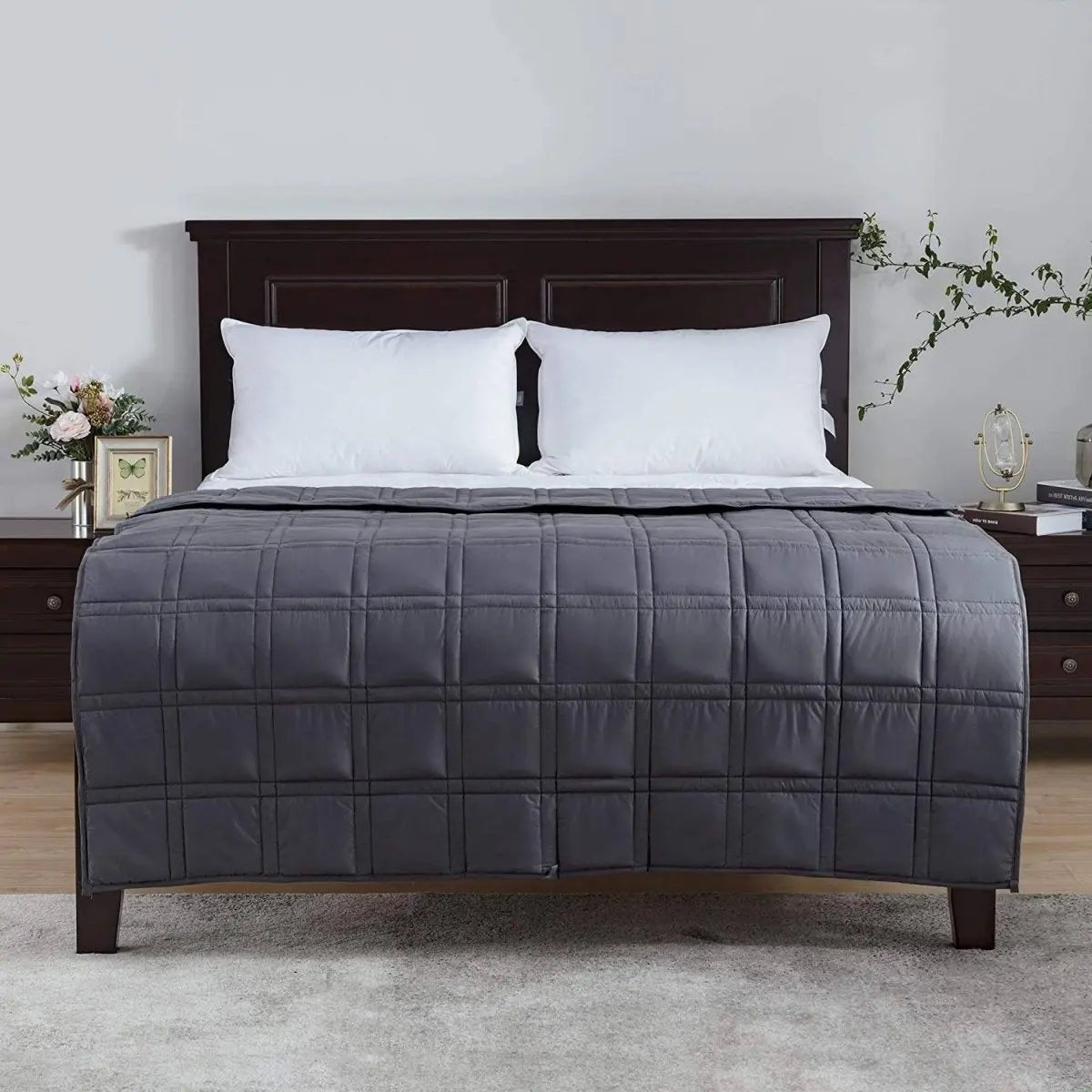
Weighted blankets are often the most familiar type of sensory blanket for adults. Their gentle pressure is commonly called deep touch pressure. Many people describe the experience as similar to a steady hug: present enough to feel reassuring, without being restrictive. This pressure may help support a sense of calm during periods of stress, anxiety, restlessness, or sensory overload.
Not every sensory need calls for weight, though. Some people find a smooth, cool fabric more settling than a heavier layer. Others want texture they can touch while reading or unwinding on the couch. The most useful choice is the one your body reaches for consistently.
Why adults turn to sensory comfort
Busy routines can leave the nervous system switched on long after the day is done. Professionals may carry a full inbox into bed. Parents may finally have quiet, yet struggle to stop mentally planning tomorrow. For others, light, noise, temperature shifts, or the feeling of loose bedding can make it harder to settle.
Sensory comfort offers a simple, physical counterpoint to that mental noise. A weighted blanket can feel grounding during a bedtime routine or while relaxing after a demanding day. A cooling, breathable blanket may be more appropriate for someone who sleeps warm but still wants a cocooned feeling. A tactile throw can bring a small moment of comfort to the sofa, home office, or favorite reading chair.
The benefit is often in the ritual. When you use the same calming layer as you dim the lights, put your phone away, or begin a book, your brain starts to associate that sensation with rest. It is a quiet form of consistency, and consistency matters when sleep feels unpredictable.
Choosing adult sensory blankets that suit your routine
The best sensory blanket is personal. Before choosing one, consider when you will use it, how warm you tend to sleep, and which sensations genuinely feel calming to you. A blanket that is beautiful but too hot, too heavy, or too delicate for everyday use is less likely to become part of your routine.
Start with the feeling you want
If you want to feel held and settled at bedtime, a weighted blanket may be the natural place to start. For most adults, a blanket around 7% to 12% of body weight is a common guideline, but comfort matters more than hitting an exact number. It should feel pleasantly grounding, not difficult to move beneath.
If you want sensory comfort without added pressure, focus on fabric and finish. Smooth bamboo can feel cool, soft, and gentle against sensitive skin. Sherpa offers a warm, plush texture for chilly evenings. Chunky knit designs bring visual warmth and a hand-crafted, tactile feel that works especially well as a living-room layer.
A single option does not need to serve every season. Many households prefer a breathable blanket for sleep and a cozier textured throw for colder nights or quiet time on the couch.
Consider warmth as carefully as weight
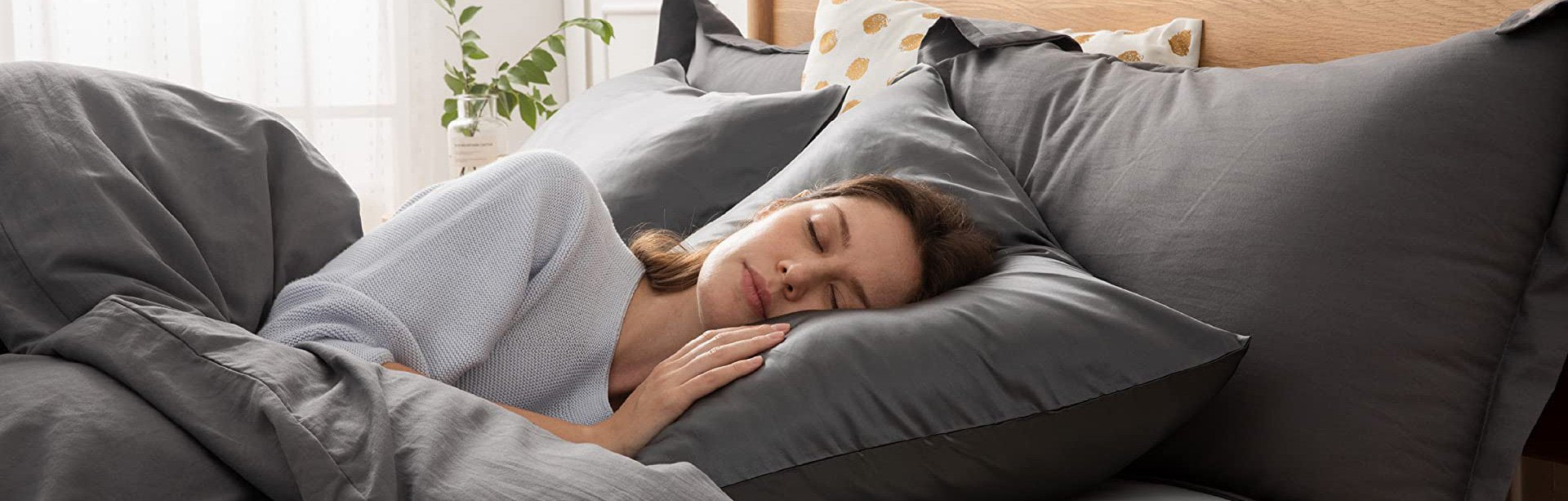
Overheating can quickly undo the calming effect of a blanket. If you wake warm, live with a partner who prefers a cooler room, or experience night sweats, seek breathable materials and construction that allow more airflow. Bamboo-based fabrics are often valued for their cool, smooth feel, while a thoughtfully designed all-season system can make it easier to adjust your layers as temperatures change.
Heavier does not automatically mean warmer, and lighter does not automatically mean cooler. Fill, outer fabric, and how closely the blanket sits against your body all influence temperature. If you are unsure, prioritize breathability over maximum loft. You can always add a layer, but it is harder to sleep comfortably beneath a blanket that traps too much heat.
Think beyond the bed
Sensory blankets are useful wherever you need a little more calm. A smaller weighted option can make an evening movie, morning coffee, or stressful work break feel more restorative. A soft throw at the end of the bed can offer comfort before sleep without replacing your entire bedding setup.
This also makes sensory blankets a thoughtful gift. Rather than choosing something purely decorative, you are giving a daily-use comfort piece that can support moments of rest, connection, and reset.
How to use a sensory blanket for better rest
There is no need to make your evening routine complicated. Start by using your blanket for 20 to 30 minutes while you do something naturally calming, such as reading, listening to quiet music, or sitting with a cup of tea. This gives you time to notice whether the weight, texture, and warmth feel supportive.
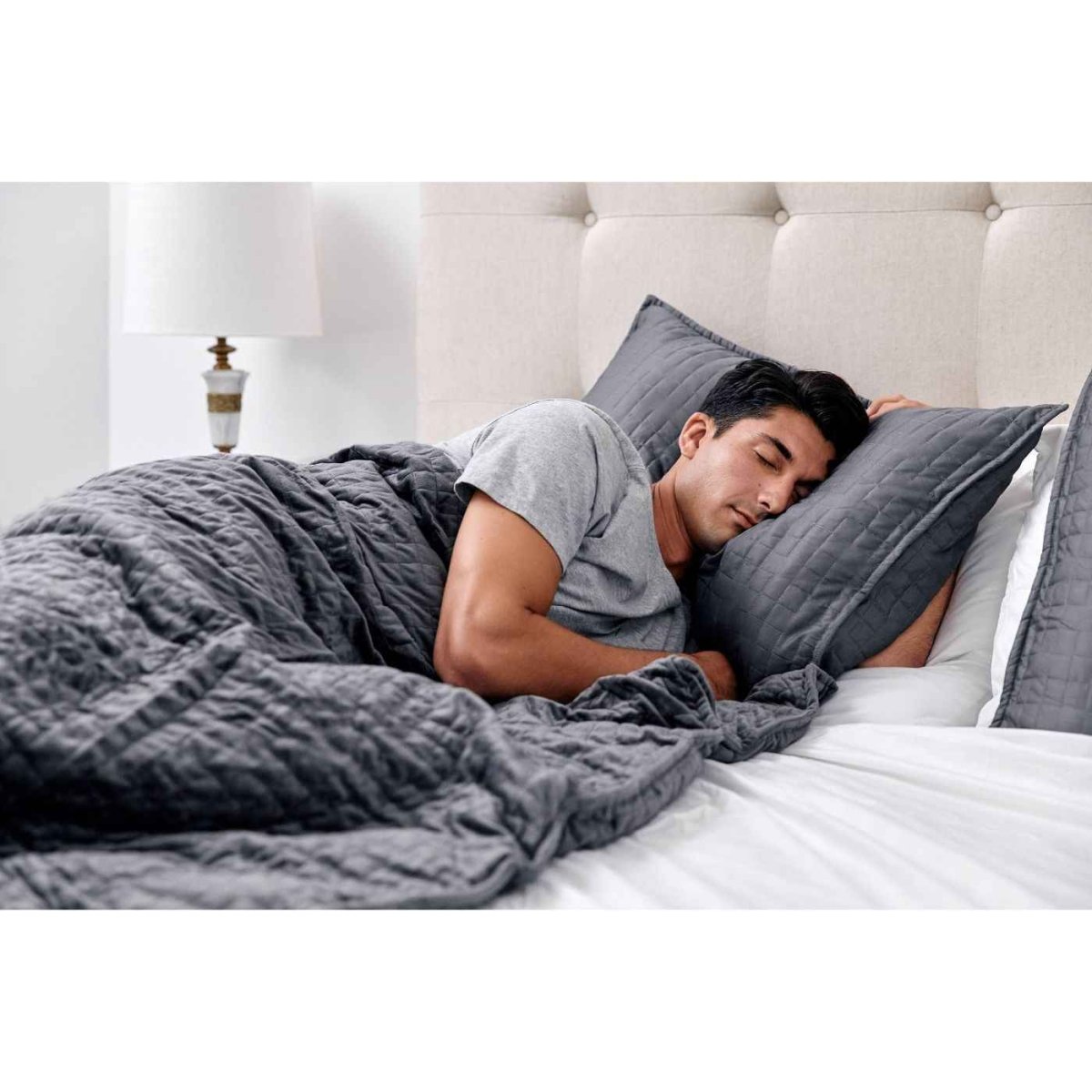
For bedtime, place a weighted blanket over your body rather than wrapping it tightly around yourself. You should be able to shift positions and remove it easily. Some sleepers prefer using it across the legs and torso, while others enjoy full-body coverage. Let comfort guide you.
It can also help to pair the blanket with a few low-effort sleep cues: softer lighting, a cooler room, and a consistent wind-down time. The blanket is not a replacement for medical care or treatment for persistent insomnia or anxiety, but it can be a meaningful part of a more supportive sleep environment.
A few safety considerations
Weighted sensory blankets are intended for people who can independently move the blanket on and off their body. They may not be appropriate for individuals with certain respiratory, circulation, mobility, or medical concerns without guidance from a qualified healthcare professional.
Avoid choosing a weight that feels confining. If you feel uncomfortable, overheated, short of breath, or unable to reposition easily, remove the blanket and select a lighter option. The goal is reassurance, never restraint.
Care also matters. Check the product instructions before washing, especially with weighted styles. A removable, washable cover can make regular use more practical, while durable, certified materials offer added peace of mind when a blanket becomes part of your nightly routine.
Comfort that fits real life
The strongest sensory setup is not necessarily the most elaborate one. It is the one that works on an ordinary Tuesday night, after a long commute, during a stressful week, or when you simply need a softer landing at the end of the day.
Better Sleep designs comfort with that reality in mind, pairing therapeutic-minded features with elevated materials that belong in a well-considered home. Whether your preference is calming weight, cool bamboo softness, or a warmer textured layer, choose the sensation that helps your body recognize one simple message: you can let go for the night.


Leave a comment