



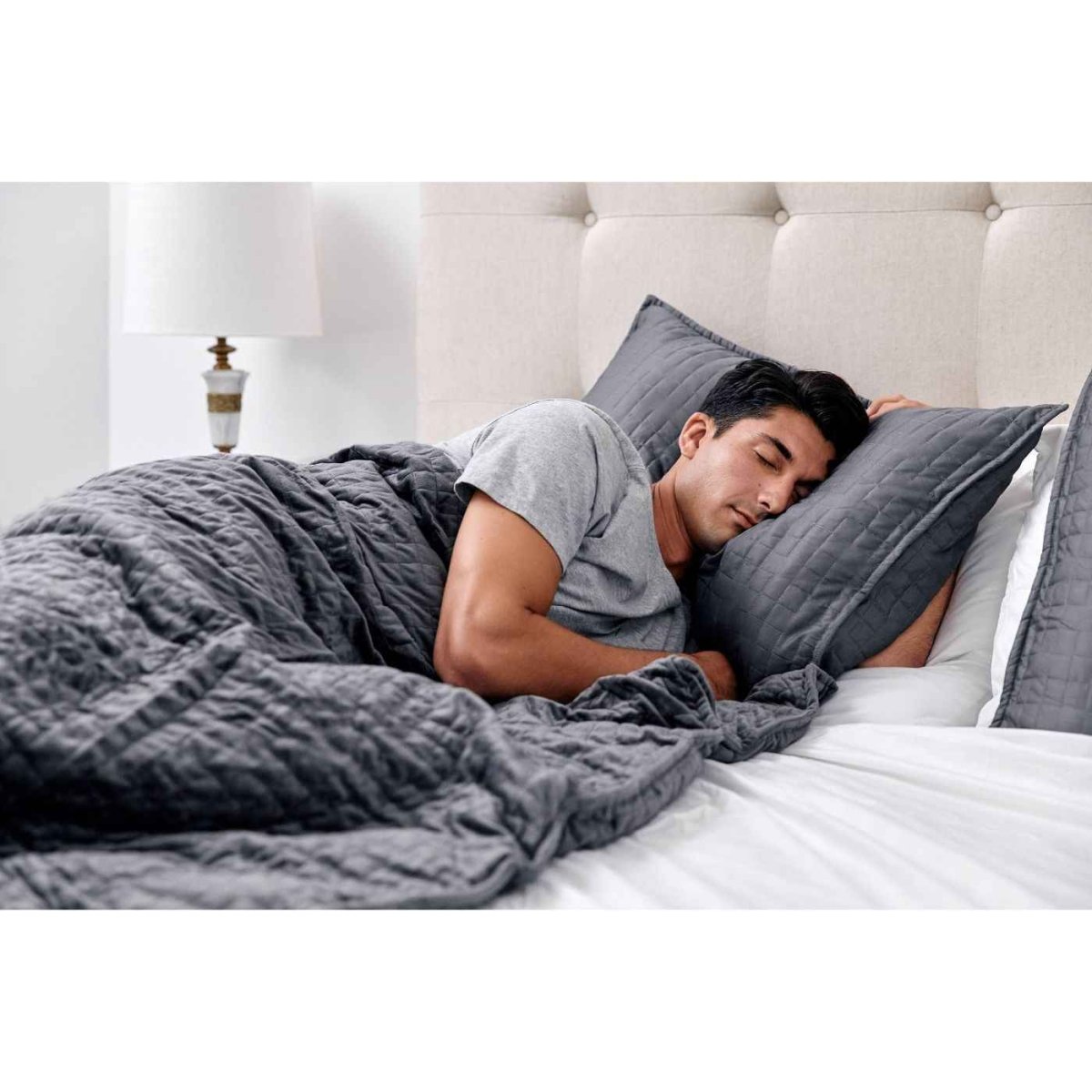
How to Sleep Cooler Naturally at Night
If you regularly wake up warm, restless, and pushing the covers away at 2 a.m., your sleep environment is likely working against you. Learning how to sleep cooler naturally often starts with small, practical shifts - not extreme fixes. The goal is simple: help your body release heat more easily so you can settle into deeper, less interrupted rest.
A cooler night does more than feel comfortable. Your body temperature naturally drops as you prepare for sleep, and when your room, bedding, or evening routine traps too much heat, that process can stall. You may fall asleep later, wake more often, or feel strangely tired in the morning even after enough hours in bed.
Why overheating disrupts sleep
Sleep is tied closely to temperature regulation. As part of your circadian rhythm, your core body temperature begins to lower in the evening. That drop acts like a signal that it is time to rest. If your surroundings are too warm, your body has to work harder to cool itself, and that extra effort can keep you in lighter sleep.
This is why overheating tends to feel so frustrating. It is not always dramatic. Sometimes it looks like frequent tossing, waking without a clear reason, or feeling damp and uncomfortable around the neck, chest, or legs. For some people, warm sleep is seasonal. For others, it is linked to stress, hormones, dense bedding, or a mattress that retains heat.
The good news is that you do not need to chill your bedroom into an icebox to sleep better. More often, comfort comes from creating steady airflow, choosing breathable layers, and avoiding habits that raise body temperature too close to bedtime.
How to sleep cooler naturally with your bedroom setup
Your bedroom does not have to be perfect. It just needs to support heat release instead of holding warmth around your body.
Start with airflow. A fan can make a real difference, even when the room temperature itself does not change much. Moving air helps sweat evaporate and reduces that trapped, stuffy feeling around your skin. If you can create cross-ventilation by opening windows safely, that may help too, especially on cooler evenings.
Light and heat control matter more than many people realize. If your room collects heat during the day, keep blinds or curtains closed in the afternoon. Bedrooms that face direct sun often stay warmer well into the night, and by bedtime the room may already be working against you.
Then look at your bed itself. Heat often builds from underneath and around you, not just from the air. If your mattress or topper tends to sleep warm, the issue may be material density and limited breathability. Natural, moisture-managing fabrics and more breathable bedding layers can help reduce that cocooned, overheated feeling.
Choose bedding that lets heat escape
Heavy bedding is not always the problem. The real issue is whether your layers breathe.
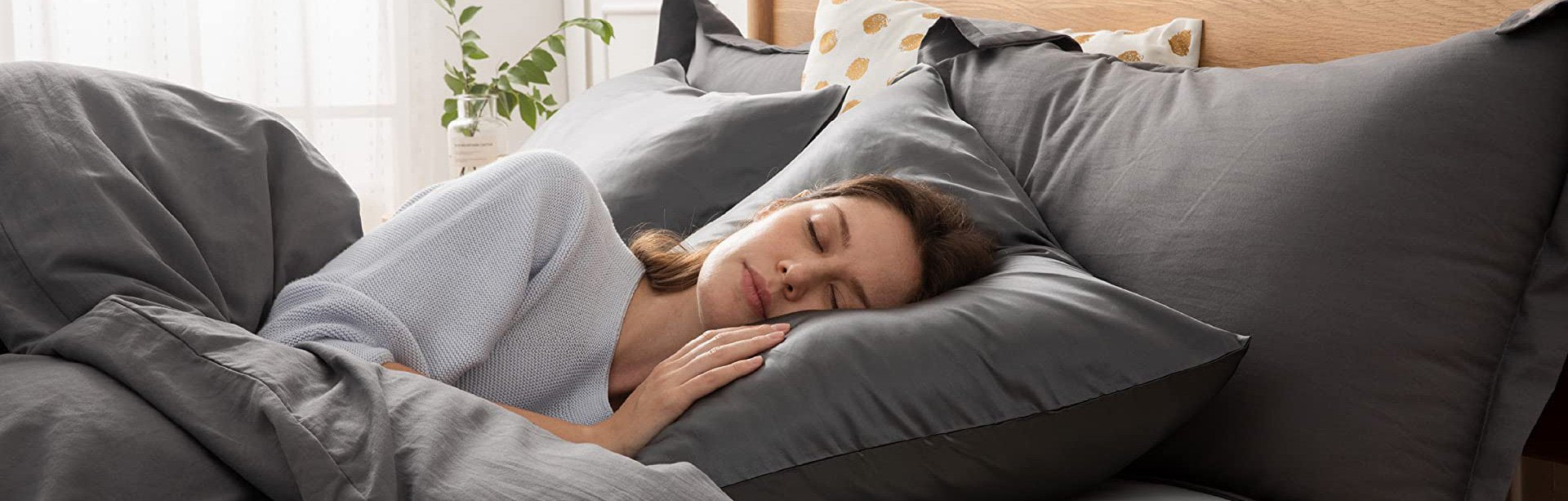
Some fabrics trap warmth and humidity close to the body, which can leave you waking up clammy even if the room seems cool enough. Breathable materials such as bamboo, cotton, and silk tend to feel lighter and allow better airflow. They also help manage moisture, which is especially useful if you run warm overnight.
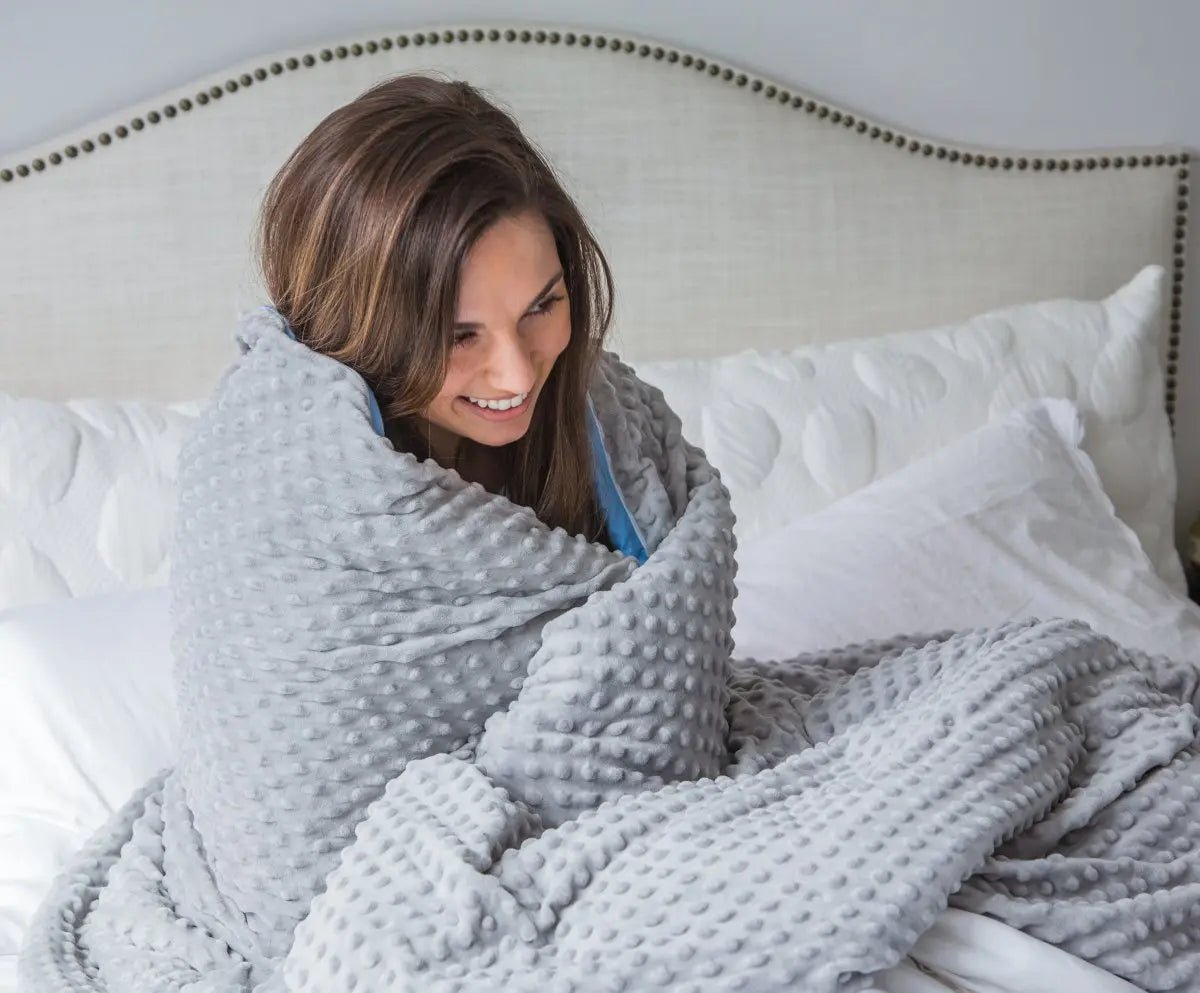
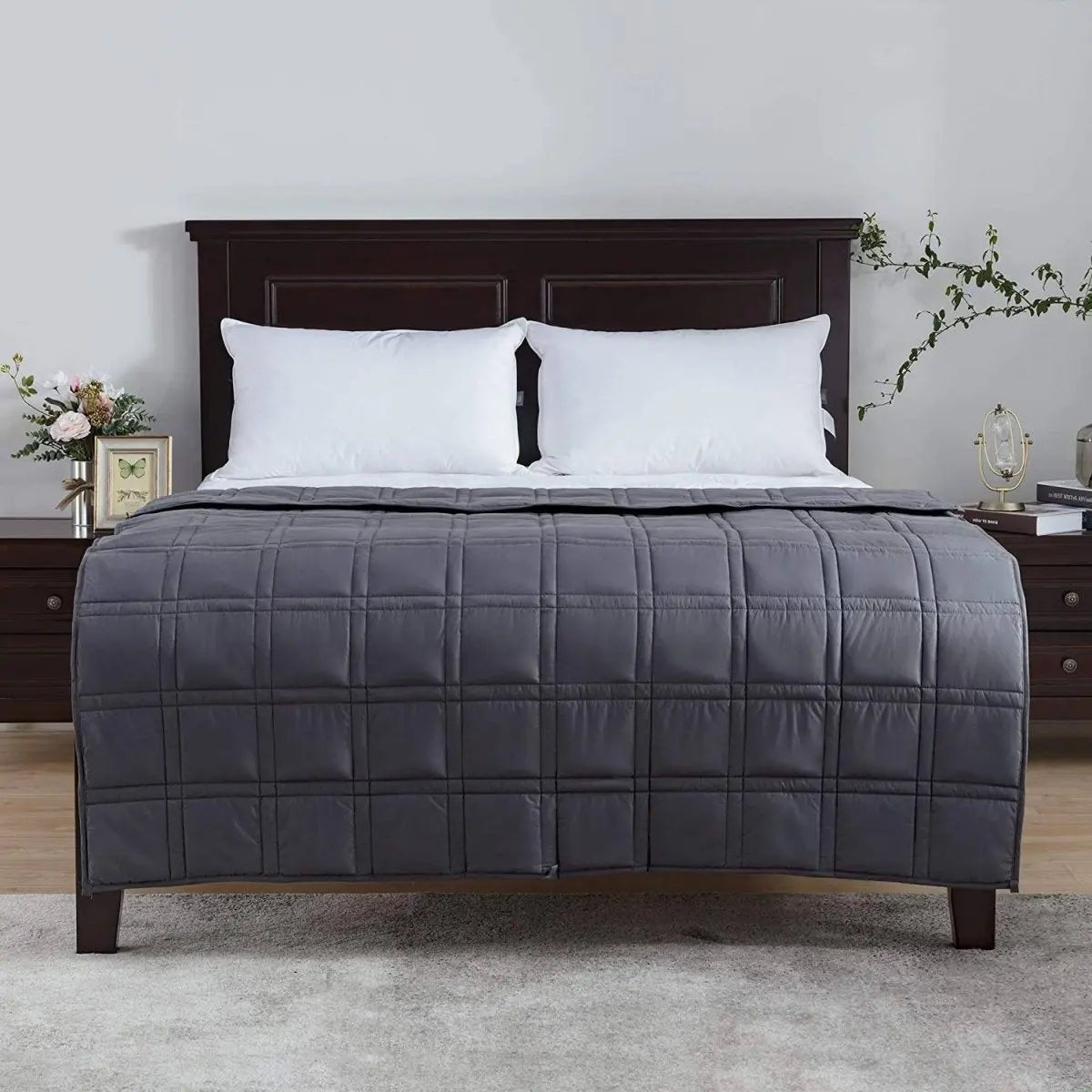
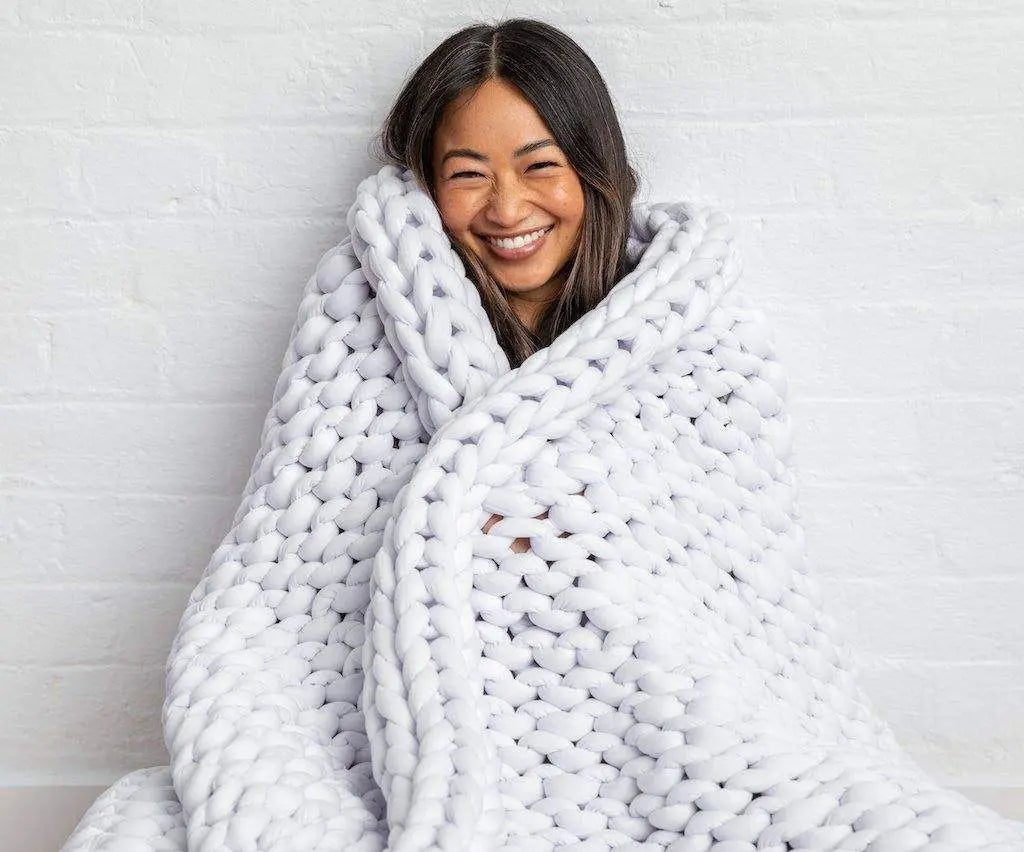
This is where layering becomes helpful. Instead of sleeping under one dense blanket, choose lighter layers you can adjust easily. A breathable sheet, a lighter blanket, and a duvet you can fold back gives you more control than a single bulky cover. If you like the comfort of weight, it helps to look for weighted options specifically designed with cooling, more breathable fabrics rather than plush materials meant for winter warmth.
Your pillow can also hold surprising amounts of heat. If you wake up hot around your head or neck, switching to a cooler pillowcase fabric can make a noticeable difference. Small contact points matter because they affect how quickly your body feels relief.
What to wear if you sleep hot
What you wear to bed should help your body cool down, not insulate it.
Tight, synthetic sleepwear often holds heat and moisture against the skin. Loose, breathable fabrics usually feel better, especially if they wick moisture instead of trapping it. If you are comfortable sleeping in minimal layers, that can help too, but comfort still matters. If feeling too exposed makes you restless, a light bamboo or cotton sleep layer may work better than less clothing.
Socks can go either way. If your feet usually feel hot, skip them. If your feet are cool but the rest of you runs warm, lightweight socks may actually support overall comfort. Temperature regulation is not one-size-fits-all, which is why paying attention to your own patterns matters more than following a rigid rule.
Evening habits that help you sleep cooler naturally
Your body does not just react to the room. It responds to what you do in the hours before bed.
A warm shower taken 60 to 90 minutes before sleep can help, which sounds backward until you understand why. When you step out, your body begins to cool itself, and that process may support the natural temperature drop that helps you feel sleepy. The timing matters. Showering immediately before bed may leave you feeling too warm, especially in a humid bathroom.
Late meals can also raise body temperature. Digesting a heavy dinner, spicy food, or alcohol close to bedtime may leave you noticeably warmer overnight. If you are trying to sleep cooler naturally, aim for lighter evening meals and leave enough time for digestion before you lie down.
Exercise is similar. Regular movement supports better sleep overall, but an intense workout too close to bed can keep body temperature elevated longer than you want. If evenings are your only option, try to finish earlier and give yourself a proper cool-down window.
Stress deserves a mention here too. When your nervous system is activated, you may feel physically hotter, tenser, and less settled in bed. Gentle stretching, lower lighting, and a quieter wind-down routine can help your whole system shift into a calmer state.
Food and hydration choices that make a difference
You do not need a complicated sleep diet, but a few choices can help.
Hydration supports temperature regulation, especially in warmer months or dry indoor environments. That said, drinking large amounts of water right before bed can lead to more bathroom trips. It is usually better to hydrate steadily through the day, then taper slightly at night.
Caffeine can make heat and restlessness feel worse, particularly if you are sensitive to it. Even an afternoon coffee can linger for some people. If your sleep feels both hot and light, reducing late-day caffeine may help more than expected.
Some people find cooling foods like cucumber, yogurt, or fruit feel better in the evening than rich or heavily salted meals. This is less about chasing a miracle food and more about avoiding the kind of dinner that leaves you overheated and uncomfortable in bed.
When hot sleep is not just about the room
Sometimes your sleep setup is fine, but your body is the source of the heat. Hormonal changes, medications, stress, illness, and certain health conditions can all affect temperature regulation.
If night sweats are frequent, intense, or new for you, it is worth paying attention. The same goes for overheating paired with other symptoms like heart palpitations, unexplained weight changes, or unusual fatigue. Natural sleep strategies can improve comfort, but they are not a substitute for medical care when something deeper may be going on.
There is also the reality of shared sleep. If you sleep beside someone who runs much warmer, your side of the bed may not be the whole story. Separate blankets, lighter layers, or bedding with better breathability can make a big difference without forcing one person to freeze for the other to sleep well.
Build a cooler sleep routine you can keep
The most effective approach is usually the simplest one you will actually maintain. Lower the room temperature if you can. Add airflow. Switch to breathable bedding. Wear lighter sleep clothes. Avoid heat-building habits too close to bedtime.
You do not need to change everything at once. Start with the factor that feels most obvious. If your sheets feel sticky, begin there. If your room feels stale, improve airflow first. If your evenings are rushed and overstimulating, focus on a calmer wind-down. A more comfortable night often comes from one or two thoughtful adjustments, repeated consistently.
At Better Sleep, we believe comfort should feel restorative, not complicated. If your nights tend to run warm, choose materials and routines that help your body do what it is already trying to do - cool down, settle in, and rest more deeply.
A cooler night is not about chasing perfection. It is about making sleep feel easier, softer, and a little more natural for your body.


Leave a comment