



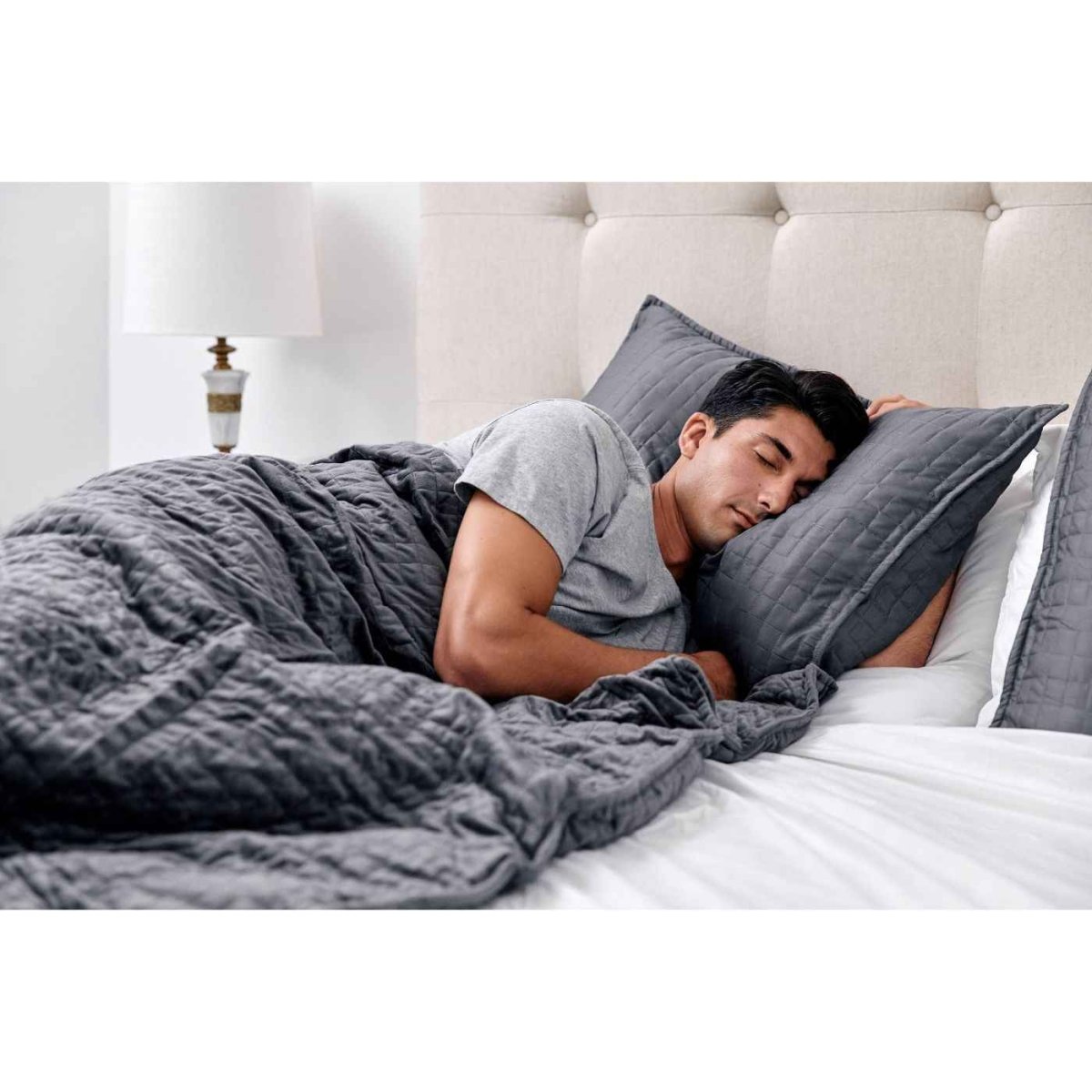
Bamboo Bedding Buyer Guide for Better Sleep
A sheet set can feel cool for five minutes in a showroom and still leave you tangled, overheated, or disappointed a week later. That is why a thoughtful bamboo bedding buyer guide matters. If you are choosing bedding to support deeper rest, less overheating, and a calmer bedtime routine, the details behind the label matter just as much as the first touch.
Bamboo bedding has earned a loyal following for good reason. It is often softer than traditional cotton, smoother against sensitive skin, and especially appealing for hot sleepers. But not every bamboo sheet, duvet cover, or pillowcase delivers the same experience. Some feel airy and fluid. Others feel heavier, more structured, or less breathable than expected because the fabric blend, weave, and finish are doing most of the work.
What bamboo bedding actually is
Most bamboo bedding is not made from raw bamboo fibers woven directly into fabric. In practice, bamboo is usually processed into rayon, viscose, or lyocell, then spun into yarn. That distinction matters because two products labeled as bamboo can feel very different depending on how the material was made.
For most shoppers, the goal is not chemistry. It is comfort. You want to know whether the bedding will feel cool, drape softly, wash well, and hold up over time. A bamboo-based fabric can absolutely deliver that, but the best results tend to come from brands that are clear about the fabric composition and quality standards rather than relying on bamboo as a buzzword.
Bamboo bedding buyer guide: what to check first
Before you compare thread counts or color options, start with the fabric label. If a product says 100% bamboo, look more closely. Many bedding products are actually made from bamboo-derived viscose or rayon, and trustworthy brands will say so plainly. That transparency is a strong sign of quality.
Next, check whether the bedding is pure bamboo-derived fabric or a blend. A blend is not automatically worse. In some cases, bamboo mixed with cotton can create a more familiar crispness and improve durability. But if your priority is a smooth, cool-to-the-touch feel, a higher percentage of bamboo-derived fiber usually gives you more of that signature softness.
Finally, look at certifications and finish. OEKO-TEX certification is especially helpful if you are sensitive to harsh chemicals, sleep with children, or simply want more confidence in what touches your skin for hours each night. Premium bedding should feel reassuring in every sense, not just soft.
The feel comes down to weave, not just fiber
This is where many buyers get tripped up. They choose bamboo expecting one specific feel, then discover the bedding is silkier, crisper, or warmer than expected. The weave plays a major role.
Sateen weave tends to be smooth, fluid, and slightly lustrous. It often feels more luxurious right away and is a strong choice if you love bedding that drapes gently and feels cool against the skin. For many people, this is the bamboo experience they are hoping for.
Percale-style bamboo bedding is less common, but when available, it usually feels lighter and more matte with a cleaner, airier finish. It may appeal to sleepers who do not want their sheets to feel slippery.
If you tend to overheat, focus less on marketing terms like ultra cooling and more on the combination of fiber, weave, and weight. Lightweight bamboo sateen often works beautifully for warm sleepers, but a heavier fabric can reduce that cooling effect, even if it is still technically bamboo.
Should you choose 100% bamboo or a blend?
It depends on what matters most to you.
If softness, drape, and a cool hand-feel are your top priorities, 100% bamboo-derived fabric is often the better fit. It tends to feel smoother and more fluid, which many people find soothing at the end of a long day.
If durability, easier care, and a lower price point matter more, a blend can be a smart choice. Bamboo-cotton blends often feel a little more structured and may wrinkle less or wear differently over time. The trade-off is that they may not deliver the same silky softness that draws people to bamboo in the first place.
For gift buyers, this distinction matters too. If you are choosing bedding for someone who loves elevated comfort and spa-like softness, a higher bamboo content usually feels more special. If you are buying for a guest room or a household with frequent washing, a blend may be more practical.
Ignore thread count hype
With bamboo bedding, thread count is rarely the most useful measure of quality. Brands sometimes use it as a shortcut for luxury, but it can be misleading. A very high thread count does not always mean a softer or more breathable sheet.
Instead, pay attention to overall fabric weight, construction, and the reputation of the brand. A well-made bamboo sheet set with a moderate thread count can feel better and last longer than an over-marketed set with inflated numbers. The right question is not how high the count is. It is how the bedding feels after repeated use and washing.
Fit and function matter more than people expect
The softest sheet in the world is not relaxing if it pops off the mattress corners every night. Before you buy, check pocket depth carefully, especially if you use a mattress topper. Many modern mattresses are deeper than standard sizing assumes, and bamboo sheets can have a slippery drape that makes poor fit more noticeable.
The same goes for duvet covers and pillowcases. Look for practical details like secure closures, well-finished seams, and envelope pillowcase construction if you prefer a neater look. These details may seem minor on product pages, but they affect how calm and put-together your bed feels in daily life.
For anyone building a sleep space that feels restorative rather than decorative, function should lead. Good bedding should disappear into the experience of rest.
Who bamboo bedding is best for
Bamboo bedding tends to be especially appealing if you sleep warm, deal with night sweats, or feel easily overstimulated by rough or heavy fabrics. The smoother texture can feel gentler on skin and hair, and the breathability is often a welcome shift from denser bedding.
It can also be a strong choice for couples with different sleep temperatures. Bamboo bedding will not solve every climate mismatch, but it often creates a more balanced baseline than traditional bedding that traps heat.
That said, if you love the crisp hotel-sheet feel of classic cotton percale, bamboo may feel too fluid for your taste. And if you prefer bedding with a matte, structured finish, the silkier hand-feel may not be the right match. Comfort is personal. The best bedding is the one that helps you settle faster and wake less often.
Care is part of the buying decision
Bamboo bedding usually needs gentler care than basic cotton sheets. That is not a flaw, but it is something to know before you buy. Many sets perform best with cold water, mild detergent, and low-heat drying. High heat can wear down fibers faster and affect softness.
If you want bedding that can handle aggressive washing cycles every week without much thought, you may prefer a more durable blend. If you are happy to care for your bedding with a little more intention, bamboo often rewards that effort with a softer, longer-lasting feel.
This is where premium brands stand apart. Clear care instructions, quality stitching, and well-finished fabric usually make ownership easier. The bedding should feel like a comfort, not a chore.
How to shop with confidence
A good bamboo bedding buyer guide should leave you with more clarity, not more noise. Start with your sleep needs. If you run hot, want softness without heaviness, and value a cleaner, more calming bed feel, bamboo is worth serious consideration.
Then narrow your options by asking a few simple questions. What is the exact fiber content? What weave does it use? Is it certified for material safety? Will it fit your mattress properly? And does the brand speak clearly about feel, care, and performance rather than hiding behind generic luxury language?
If those answers are easy to find, you are usually looking in the right place. Brands that design bedding around well-being tend to explain their materials with more care because they understand that better sleep is not one-size-fits-all.
For shoppers who want bedding to do more than look nice, bamboo can be a meaningful upgrade. It offers a kind of comfort that feels quiet rather than showy - cooler nights, softer texture, and a bed that invites you to exhale. Choose it with intention, and you are not just buying sheets. You are shaping the hours meant to restore you.


Leave a comment