


Best Bedding for Anxiety Relief at Home
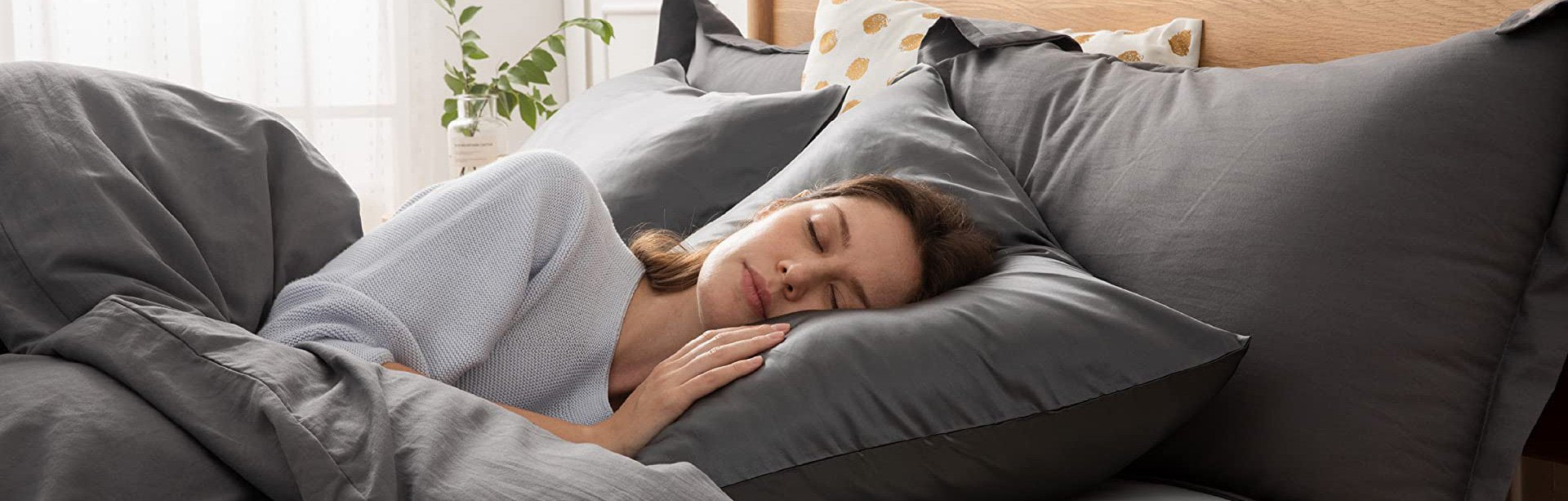
Some nights, the problem is not just falling asleep. It is the feeling that your body never fully powers down. If you are searching for the best bedding for anxiety relief, the goal is not a prettier bed. It is a sleep setup that feels grounding, breathable, and genuinely calming when your mind is running ahead of you.
The right bedding can help create that shift. It will not treat anxiety on its own, but it can support the conditions your nervous system responds to best - steady pressure, soft texture, temperature balance, and a sense of physical security. For many people, those details make the difference between restless sleep and a bed that feels like relief.
What actually makes bedding calming?
Anxiety-friendly bedding works because it reduces small stressors that keep the body alert. Overheating, scratchy fabric, tangled layers, and bedding that feels too light or too heavy can all keep sleep feeling unsettled. When those distractions are removed, your body has less to react to.
That is why the most effective bedding choices usually focus on comfort you can feel right away. A weighted layer may help you feel more held. Cooling sheets can reduce the agitation that comes from getting too warm. A smoother pillowcase can make the whole bed feel quieter and less overstimulating.
There is also an emotional side to it. Bedding becomes part of your bedtime cue. When the texture, weight, and temperature feel consistent night after night, your brain starts to associate the bed with safety instead of wakefulness.
Best bedding for anxiety relief: what to prioritize
If you are building a calmer bed, start with function rather than trend. The best bedding for anxiety relief usually includes a few specific qualities working together.
Gentle weight
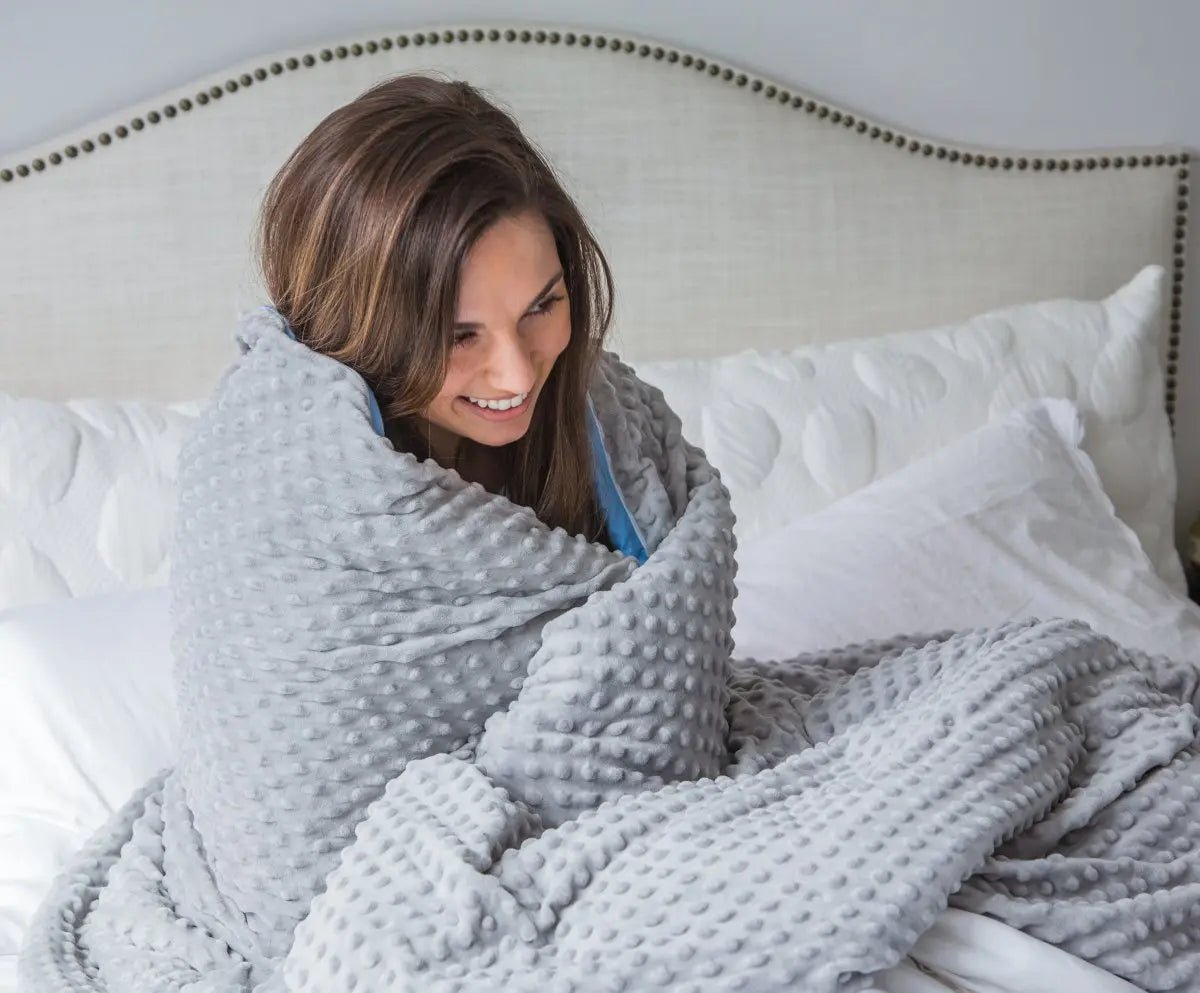
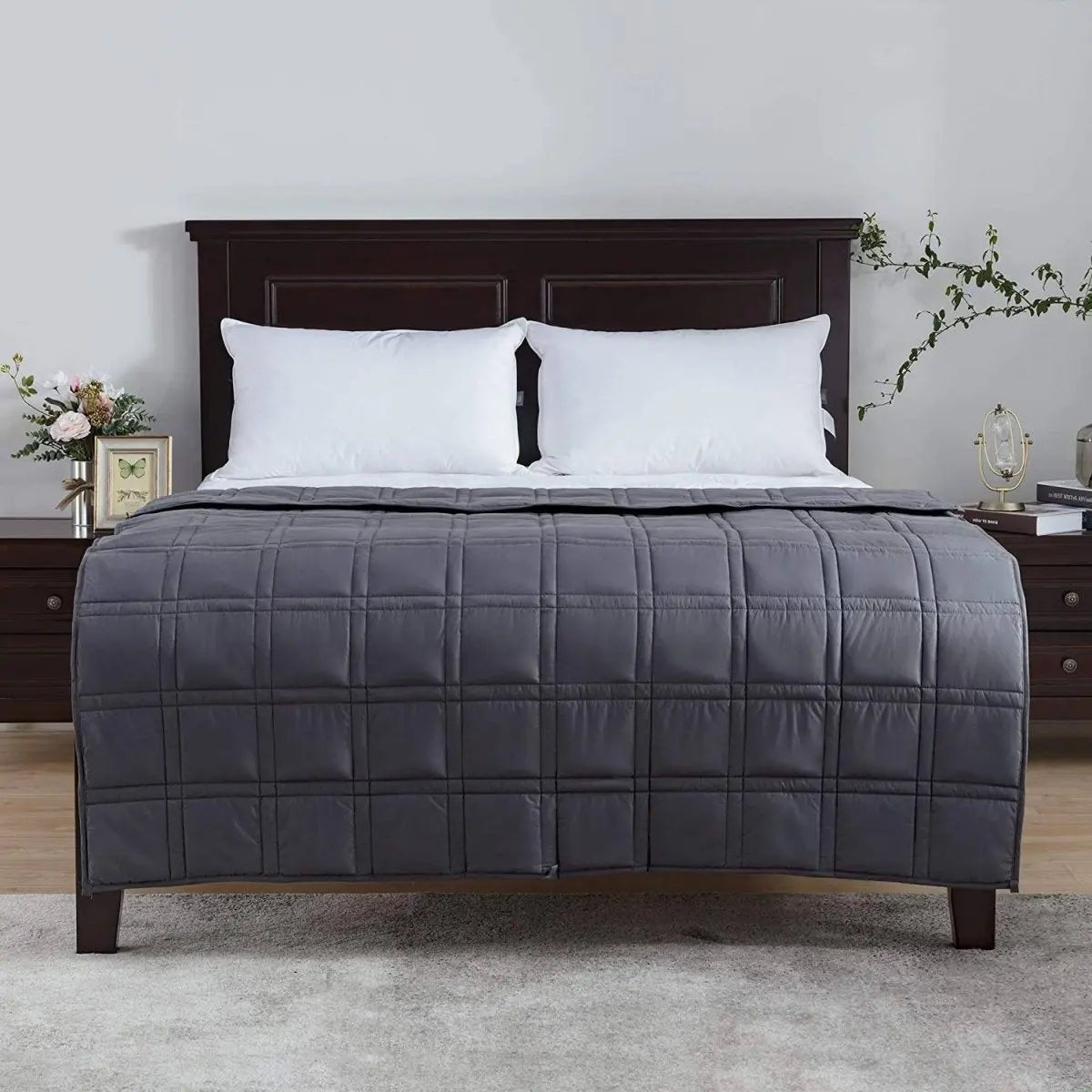
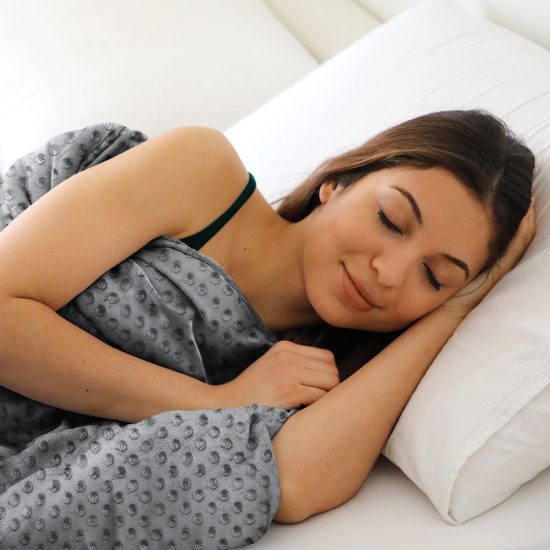
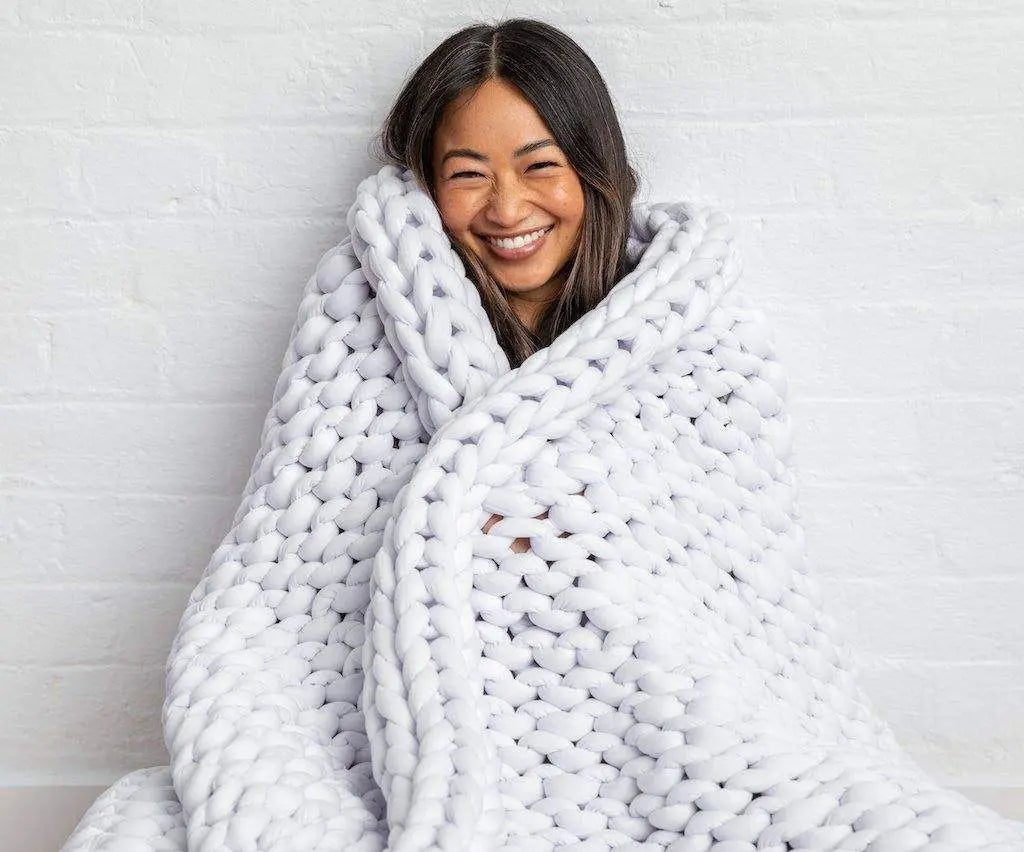
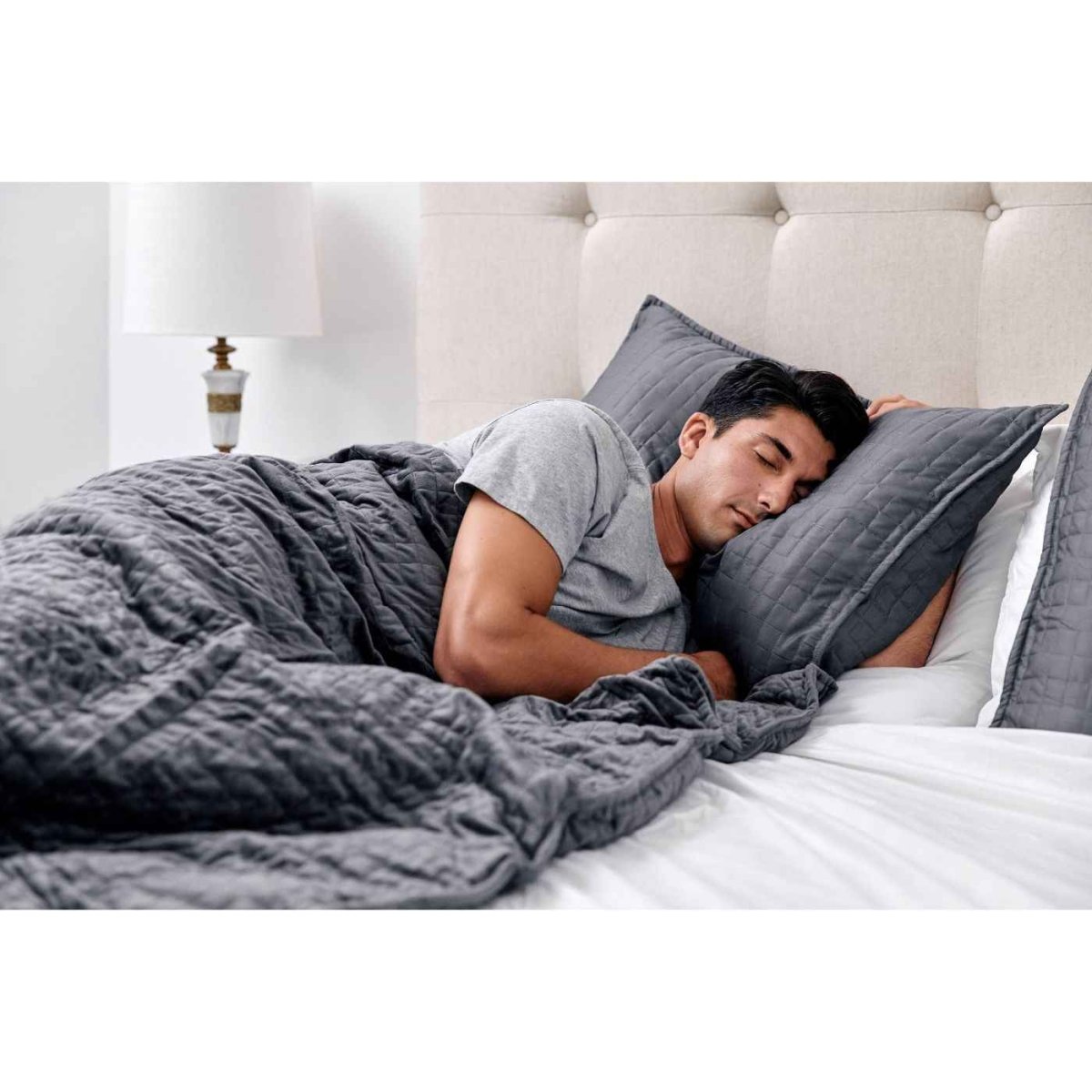
For many adults, a weighted blanket is the most noticeable upgrade. Even pressure across the body can feel settling, especially if anxiety shows up physically as restlessness, tension, or a racing chest. The sensation is often described as grounding rather than heavy when the weight is chosen well.
The trade-off is temperature and preference. Some sleepers love the secure feel of a weighted blanket all year, while others only want it in cooler months or in breathable fabrics. If you tend to sleep hot, look for options made with airy materials or pair your weighted layer with cooling sheets underneath.
Breathable, temperature-balancing fabrics
Heat can make anxiety feel sharper. A bed that traps warmth may leave you tossing, waking, or feeling uncomfortable before you fully relax. Bamboo-derived fabrics, lightweight cotton, and moisture-wicking materials tend to work well because they feel soft without becoming stuffy.
This matters more than many people expect. When your body stays at a comfortable temperature, it is easier to settle into deeper sleep. If you often wake up sweaty or feel trapped under heavy bedding, cooling performance should move to the top of your list.
Soft texture with minimal irritation
An anxious nervous system often notices everything. Rough seams, stiff fabric, or overly crisp bedding can feel distracting when you are trying to wind down. Softer, smoother materials tend to be more forgiving, especially for sensitive sleepers.
This is where pillowcases and top layers can have an outsized effect. Silk or silky-smooth bedding can create a quieter sensory experience, while plush throws or soft duvet covers can add comfort without feeling chaotic.
Simplicity over excess
A bed does not need five decorative layers to feel luxurious. In fact, too many pieces can make sleep feel fussy. For anxiety relief, a more thoughtful approach often works better: one grounding layer, one breathable sheet set, and a pillow setup that feels supportive but uncluttered.
That kind of simplicity is calming in itself. It reduces decision fatigue at bedtime and keeps the bed easy to reset each morning.
The bedding pieces worth investing in first
If you do not want to replace everything at once, start with the items that have the biggest effect on comfort and regulation.
Weighted blankets
A weighted blanket is often the first place to begin because its benefit is immediate and easy to notice. Many people use one for winding down before sleep, while others keep it on through the night. The key is choosing a weight that feels secure, not restrictive.
If you are unsure, lighter can be better than heavier. Too much weight can feel uncomfortable, especially for new users or hot sleepers. Breathable construction matters just as much as the fill.
Cooling sheets
If nighttime anxiety comes with overheating, cooling sheets may do more for your sleep than a thicker comforter ever could. Look for sheet sets that feel dry, light, and smooth against the skin. Bamboo-based fabrics are especially popular because they combine softness with strong airflow.
Cooling sheets pair well with weighted bedding because they help offset warmth. That balance can make a calming sleep setup feel more usable every night, not just in winter.
Mattress toppers
A mattress that feels too firm, uneven, or pressure-heavy can keep the body slightly braced all night. A quality mattress topper can soften that experience without the cost of replacing the whole bed. For anxious sleepers, that extra cushioning can help reduce tension in the shoulders, hips, and lower back.
This is especially useful if your stress shows up physically. When the body is less busy reacting to pressure points, it has a better chance of relaxing.
Silk or smooth pillowcases
This may sound like a small detail, but it can change the feel of your bed more than expected. A smooth pillowcase feels cooler, gentler, and less stimulating. It also supports hair and skin, which is a nice secondary benefit for people who want comfort that feels elevated, not clinical.
Sleep masks and sensory comfort pieces
For some people, anxiety increases with light, motion, or too much sensory input. A softly weighted sleep mask or a calming comfort piece can help create a more enclosed, restful environment. These additions are especially helpful if you struggle to shut out a bright room or a busy mind.
How to choose the best bedding for anxiety relief for your sleep style
The right setup depends on what your nights actually feel like.
If your anxiety feels physical, with tension, fidgeting, or a need to feel held, start with a weighted blanket and a supportive topper. If your anxiety shows up as overheating or frequent waking, build around cooling sheets and breathable layers first.
If texture bothers you, prioritize softness above all else. A bed that looks beautiful but feels scratchy will not help you relax. If you are highly sensitive to clutter, keep your bedding system simple and consistent.
There is also a seasonal piece to consider. Some people want one all-season bed, while others sleep better with a lighter summer setup and a cozier winter version. Neither is wrong. What matters is creating a bed your body trusts.
What to avoid if you want a calmer bed
Not every premium bedding product is helpful for anxiety relief. Some are more decorative than functional, and that distinction matters.
Be careful with fabrics that feel stiff at first touch, comforters that trap heat, or bedding that requires too much arranging to stay comfortable. Avoid assuming that heavier always means more calming. Weight only works when it feels breathable and proportionate.
It also helps to be realistic. Bedding can support better rest, but it is not a cure-all. If anxiety is significantly affecting your sleep, the best results usually come from pairing a calming sleep environment with supportive habits and, when needed, professional care.
A more supportive bedtime setup
The strongest bedding setup is one that feels easy to return to each night. That might mean a breathable weighted blanket, cooling bamboo sheets, a smooth pillowcase, and one plush top layer that signals it is time to rest. Thoughtful materials matter, but so does consistency.
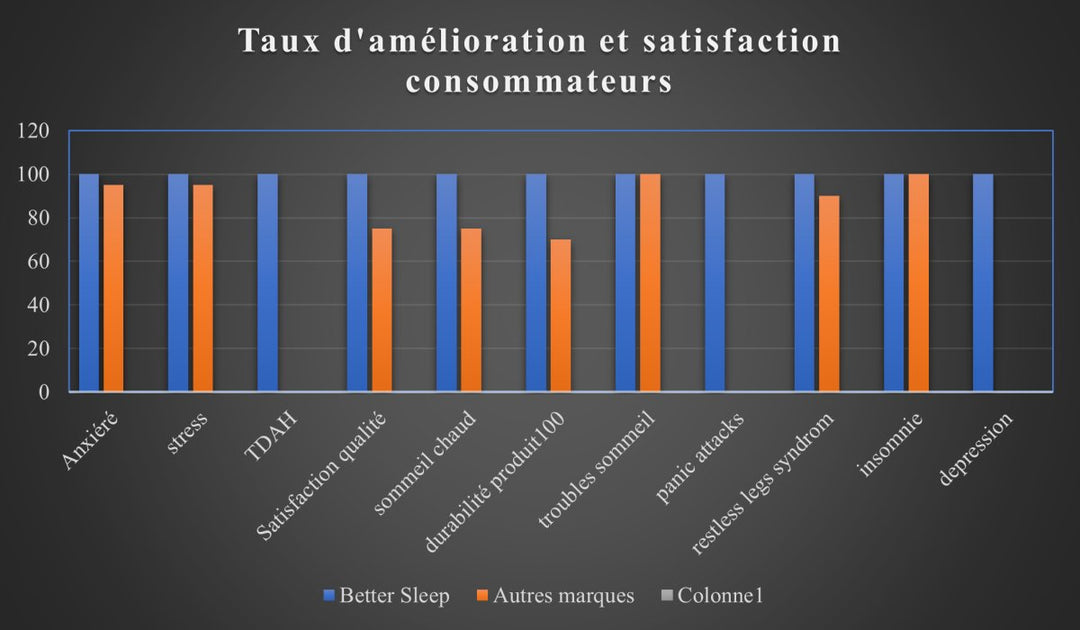
At Better Sleep, that philosophy shapes every product choice - refined comfort, therapist-informed benefits, and materials designed to support calmer nights without unnecessary complexity. The best bedding for anxiety relief should feel reassuring the moment you get into bed, and reliable enough that your body starts to exhale before your mind catches up.
If your current bed feels like one more thing to manage, start small. One grounding layer, one cooler fabric, one less irritation. Sometimes a calmer night begins with a bed that finally feels on your side.


Leave a comment