



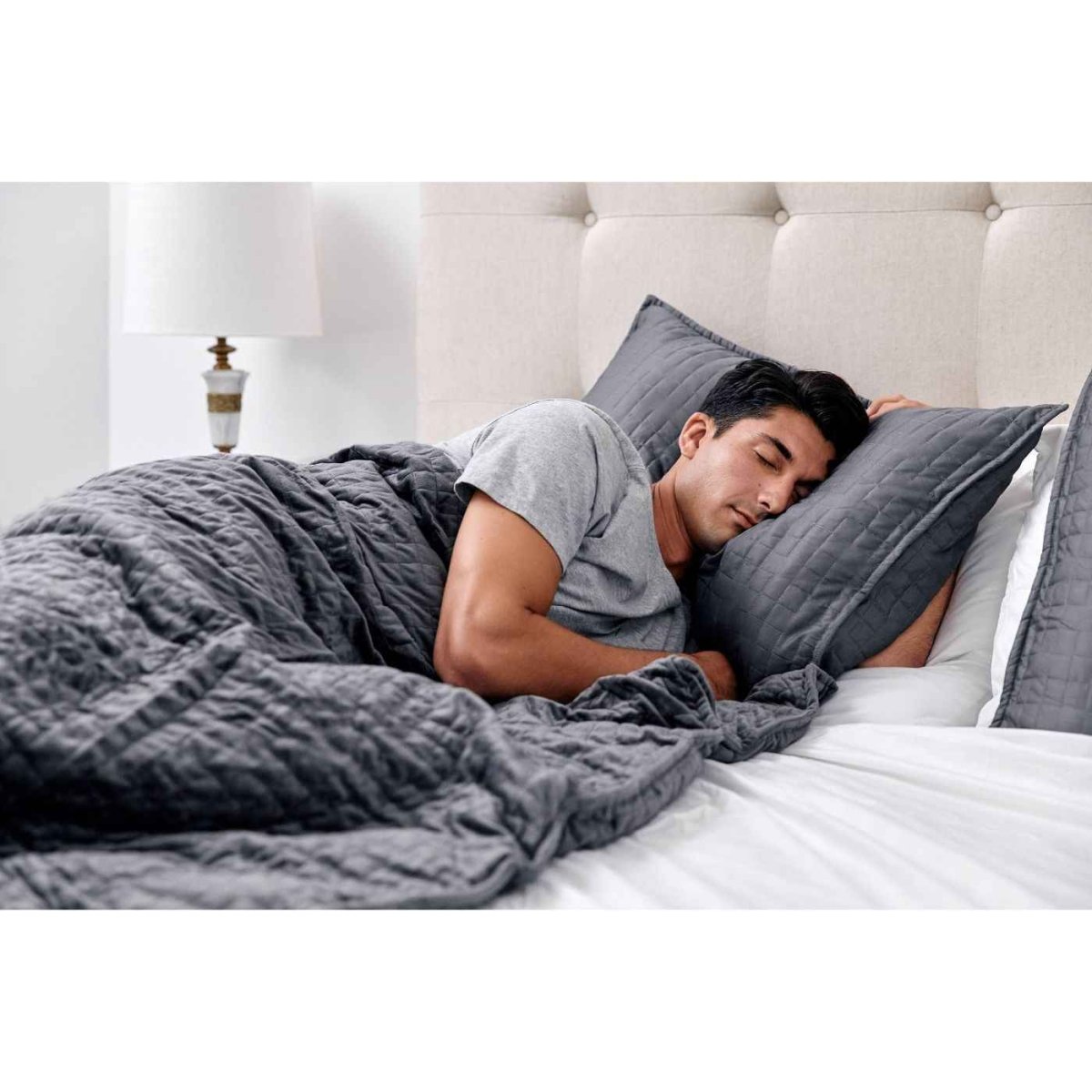
7 Best Blankets for Restless Sleepers
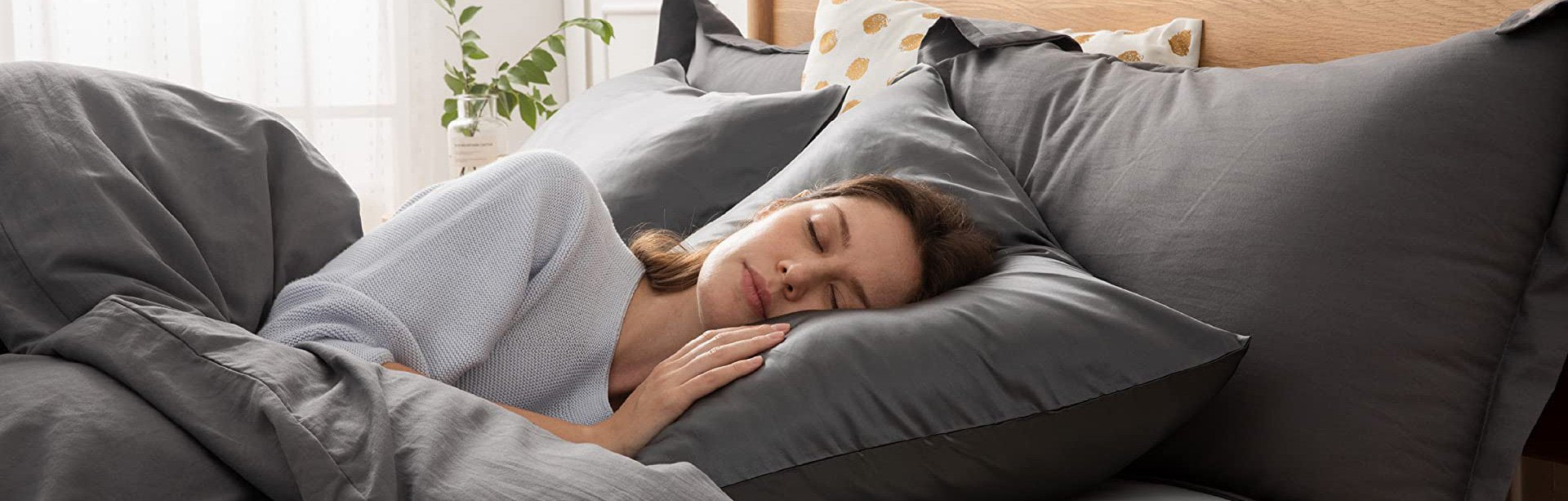
If your nights involve kicking off the covers, waking up tangled, or shifting from too hot to too cold, the best blankets for restless sleepers do more than add warmth. They help create a steadier, calmer sleep environment - one that feels supportive without feeling heavy, stifling, or restrictive.
Restless sleep usually comes down to a few common issues. Some people feel physically unsettled and change positions all night. Others are light sleepers who wake with every temperature change or small discomfort. And for many, the problem is sensory - a blanket that bunches, traps heat, or feels rough can keep the body on alert when it should be winding down.
That is why the right blanket is less about trend and more about fit. Weight, breathability, texture, and season all matter. A blanket that feels deeply calming for one person may feel overwhelming for someone else.
What makes the best blankets for restless sleepers different?
The best blankets for restless sleepers tend to solve one or two very specific problems. They either help quiet the nervous system, regulate temperature more effectively, or reduce the little physical annoyances that interrupt sleep.
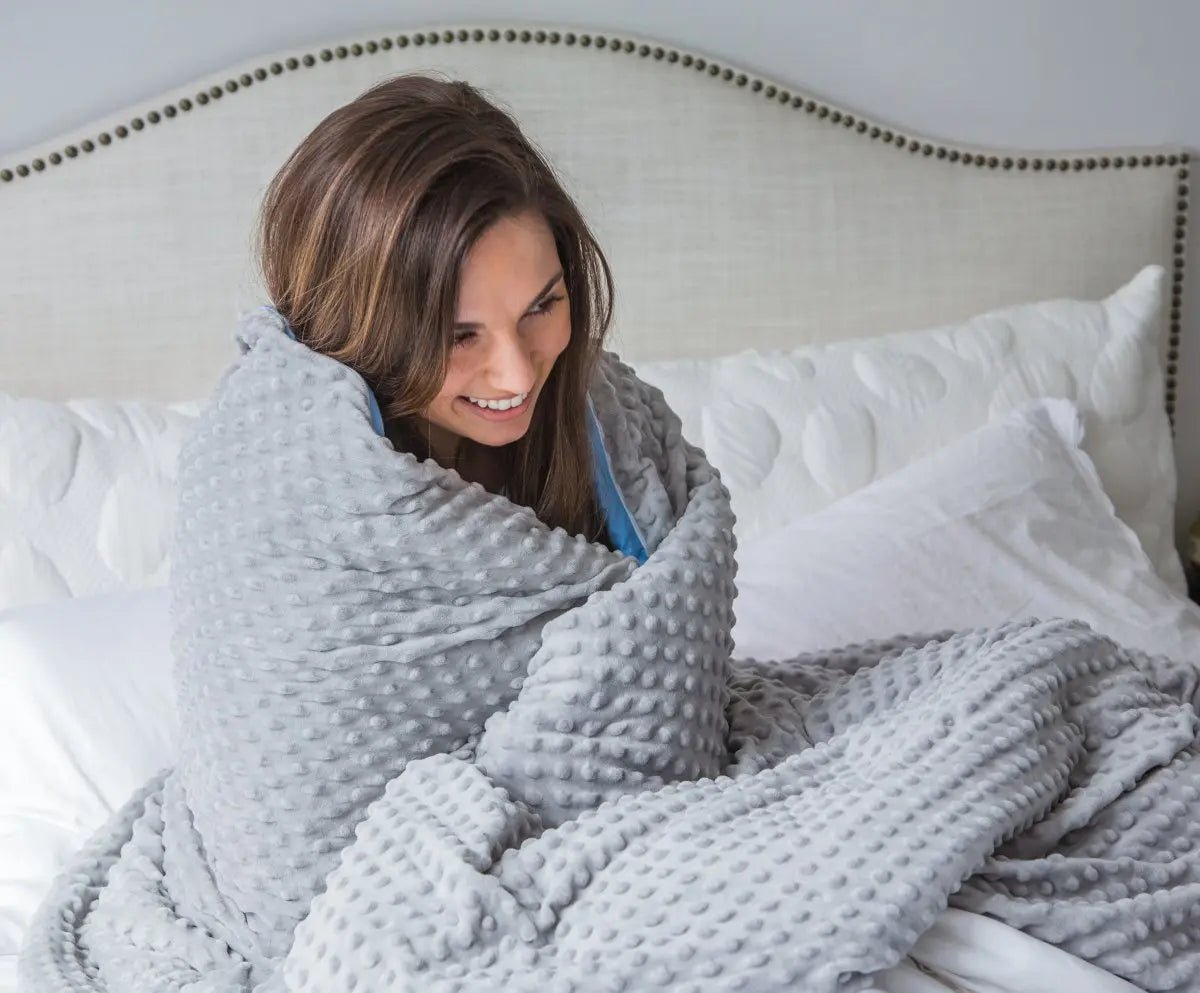
Weighted blankets are often the first place people look, and for good reason. Gentle, even pressure can feel grounding, especially if stress or overstimulation keeps your body from fully relaxing at night. Many adults describe the sensation as settling rather than restrictive. That said, weight matters. Too light and the effect may be minimal. Too heavy and it can feel difficult to move under, which is not ideal for someone who already shifts positions often.
Cooling blankets solve a different problem. If you wake up warm, sweaty, or irritated by heat buildup, breathable materials can make a bigger difference than extra softness alone. Bamboo and other moisture-wicking fabrics are especially helpful for people whose restlessness spikes with temperature changes.
Then there are all-season blankets, which sit in the middle. These are often the most practical choice for people who do not want a highly specialized feel but still need more comfort and better temperature balance than a basic throw or comforter can provide.
7 blanket types worth considering
1. Weighted blankets for stress-driven restlessness
If your body feels tired but your mind will not settle, a weighted blanket is often the strongest option. The gentle pressure can help promote a sense of calm and reduce that wired, unsettled feeling that keeps sleep light and fragmented.
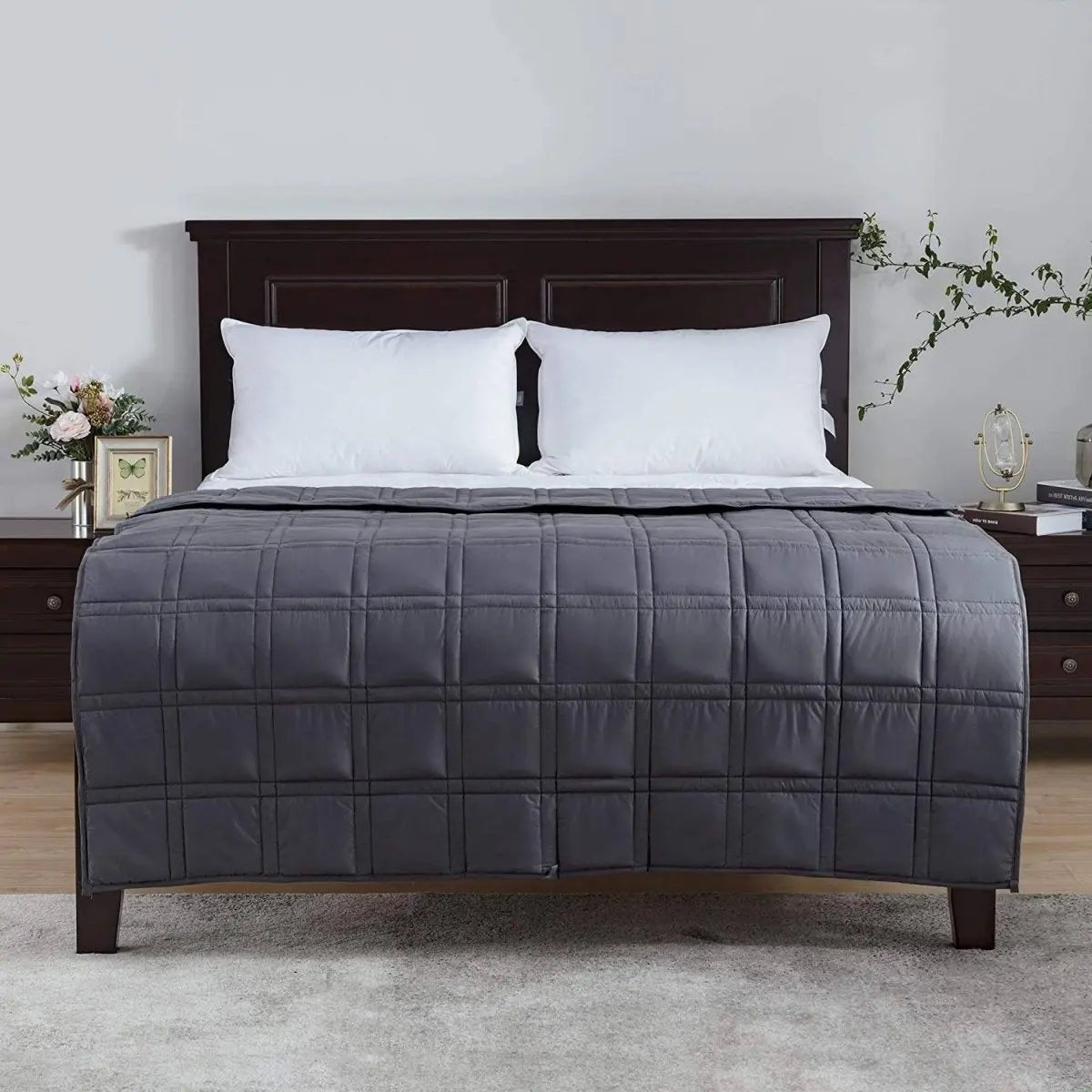
This style works especially well for adults dealing with evening anxiety, mental overload, or sensory sensitivity. Look for one that distributes weight evenly and uses breathable fabric, since a dense blanket can become too warm if the outer material does not allow airflow.
A good rule is to choose a blanket that feels comforting, not confining. Many sleepers do well with a moderate weight rather than the heaviest option available.
2. Cooling bamboo blankets for hot sleepers
Some restless sleepers are not actually restless by nature - they are simply overheating. If you wake up throwing the blanket off and pulling it back on an hour later, cooling materials may help more than added weight.
Bamboo blankets are a strong choice because they feel soft against the skin while allowing heat and moisture to move away from the body. The result is a sleep surface that feels drier, lighter, and easier to settle into. For anyone who shares a bed with a warmer partner, this can also reduce the constant tug-of-war over layers.
3. All-season blankets for changing temperatures
Bedrooms are rarely the same all year. Heating, air conditioning, seasonal shifts, and personal body temperature all change the way a blanket feels from month to month. All-season blankets are designed for that in-between space.
They are ideal for sleepers who want dependable comfort without swapping bedding constantly. The best versions feel substantial enough to soothe but breathable enough to avoid overheating. If your sleep is disrupted by sudden temperature swings rather than ongoing heat, this category is often the most balanced fit.
4. Lightweight knit blankets for constant movers
Some restless sleepers simply move a lot. They turn from side to side, pull one knee up, stretch out, and readjust without fully waking. For this group, a blanket that drapes easily can be more comfortable than one with a lot of structure.
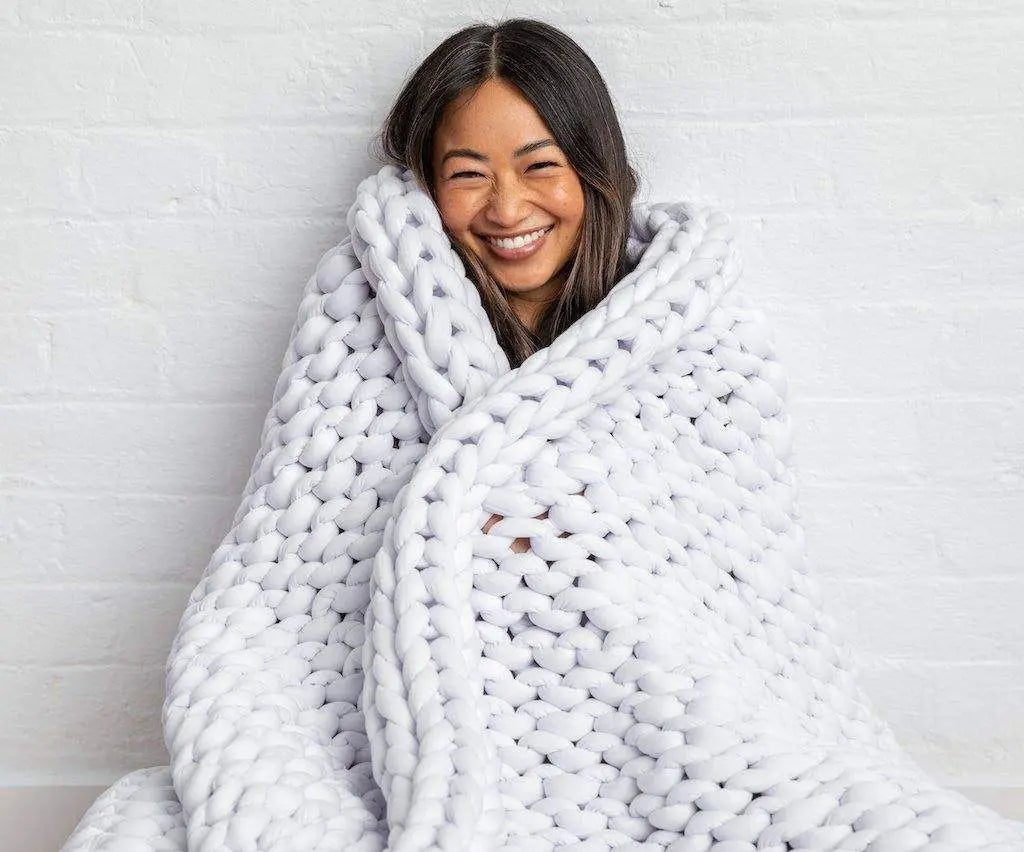
Lightweight knit blankets tend to move with the body rather than resist it. They offer a softer, less restrictive feel and are a good choice for people who dislike the compact sensation of a weighted blanket but still want comfort that feels cozy and controlled.
5. Plush sherpa-style blankets for comfort seekers
Texture matters more than many people realize. If you relax through touch, a plush sherpa blanket can make bedtime feel noticeably more calming. The softness creates a cocoon-like effect that many people find reassuring after a stressful day.
The trade-off is warmth. Sherpa-style blankets are usually better for colder months, cooler rooms, or sleepers who do not run hot. If overheating is part of your restlessness, this may be better as a seasonal layer than a year-round solution.
6. Layer-friendly therapy blankets for flexibility
Not everyone wants one blanket to do everything. Therapy-style blankets that pair well with other bedding can be a smart choice if your needs change through the week or season.
This gives you more control. On a warm night, you can use the therapeutic layer on its own. On a colder night, you can combine it with sheets or a duvet without making the bed feel bulky. For couples with different sleep preferences, that flexibility can be especially useful.
7. Sensory comfort blankets for adults and kids
For some sleepers, especially those who feel overstimulated at bedtime, the best option is one designed with sensory comfort in mind. These blankets prioritize soothing touch, gentle pressure, and predictable feel.
They can be helpful for children with bedtime anxiety, but adults benefit too. If your sleep gets disrupted by textures, rough seams, or a general sense of discomfort, sensory-focused designs often feel more calming than standard bedding.
How to choose the best blankets for restless sleepers
Start with the reason you wake up. If your body feels tense or your thoughts are racing, a weighted blanket may offer the most relief. If you wake up hot, choose breathable cooling materials first. If you are not sure, an all-season option is usually the safest place to begin.
Next, think about how you sleep physically. If you move a lot, a blanket with some flexibility and drape will usually feel better than one that pins you down. If you crave security and stillness, more structure and gentle weight may help.
Texture is worth paying attention to as well. Softness is not just a luxury detail. For many restless sleepers, scratchy, stiff, or overly slick fabrics create low-level irritation that adds up across the night.
Finally, consider your room, not just your body. A cool bedroom changes what counts as comfortable. So does sleeping with a partner, using a mattress topper, or layering multiple pieces of bedding.
A few trade-offs to keep in mind
There is no single blanket that works for every restless sleeper. Weighted blankets are calming, but not everyone enjoys the pressure. Cooling blankets are breathable, but they may not give the same cocooned feeling as thicker options. Plush blankets feel comforting, but they can run warm.
That is why the best choice usually comes from identifying your main sleep obstacle rather than shopping for the most popular blanket type. The right blanket should make your body feel less alert, less bothered, and less likely to wake over minor discomforts.
For many households, it also makes sense to own more than one option. A cooling blanket for summer and a more grounding blanket for winter is not excessive if it helps you sleep more consistently. Restless sleep often changes with stress, weather, and routine.
A thoughtfully chosen blanket can make bedtime feel less like a battle and more like a cue to exhale. If your nights have been broken up by tossing, overheating, or that unsettled feeling that never quite lets go, start with the blanket that matches your kind of restlessness. The change can be surprisingly quiet - and that is often exactly what better sleep needs.

Leave a comment