



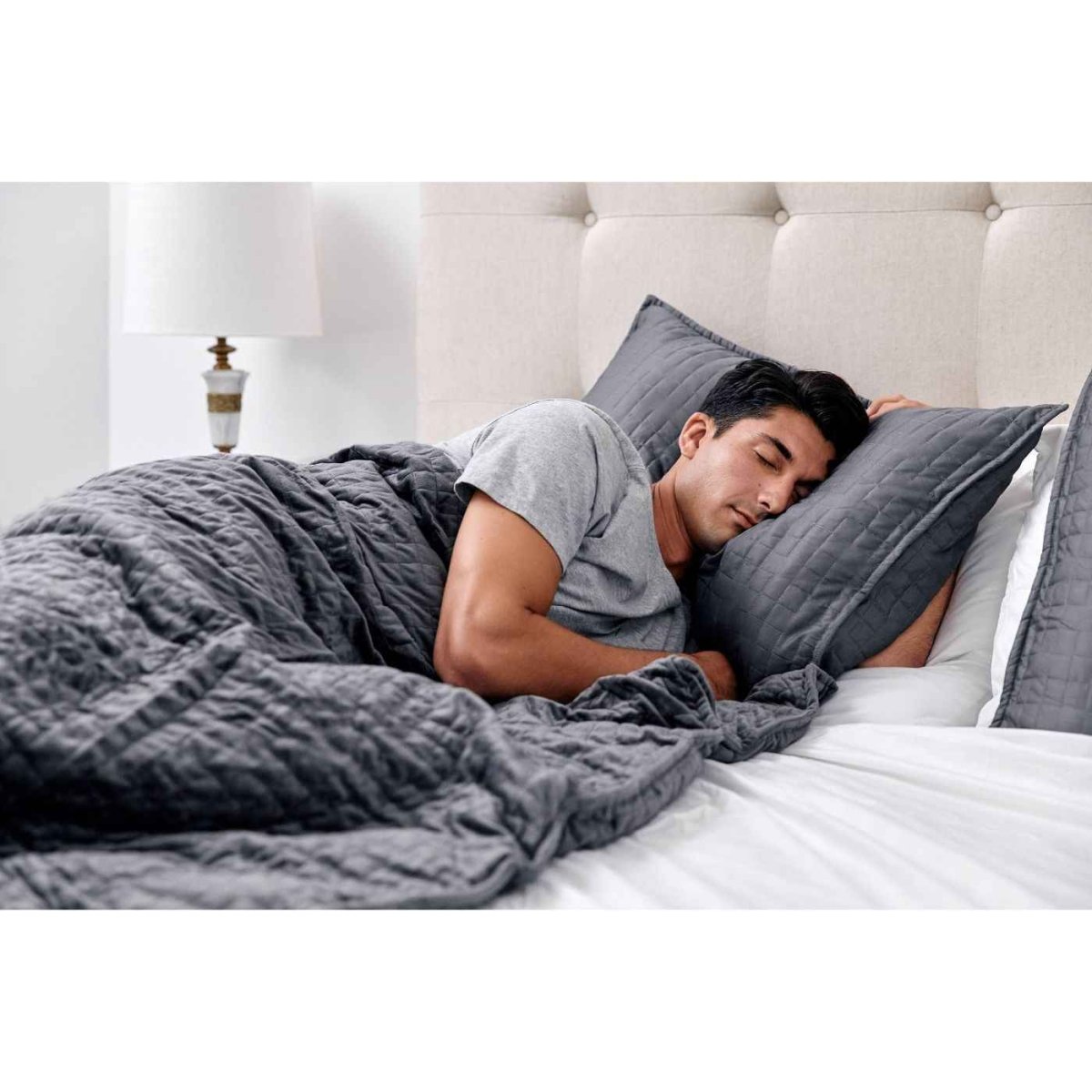
Best Pillowcases for Hot Sleepers That Keep You Cool
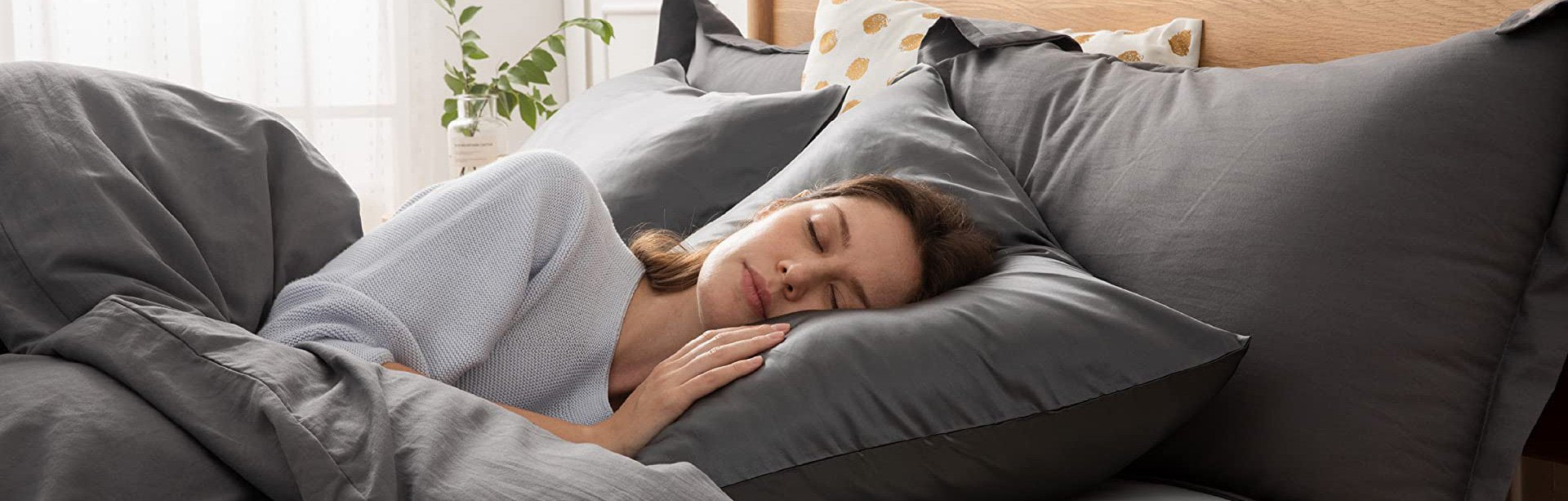
A warm pillow can undo an otherwise thoughtful sleep setup. You may fall asleep comfortably, then wake in the early hours with damp hair, a flushed face, and the familiar urge to flip your pillow to the cool side. The best pillowcases for hot sleepers help manage that surface-level heat, so your bed feels calmer and more comfortable through the night.
The right choice is not always the coldest-feeling fabric. A pillowcase should feel good against your skin, move moisture away rather than hold it there, and suit the way you sleep. For some people, that means smooth silk. For others, breathable bamboo or crisp cotton is the better fit. Here is how to choose with comfort, care, and lasting rest in mind.
Why your pillowcase can make you feel hotter
Your head, neck, and face release heat continuously while you sleep. If your pillowcase is made from dense synthetic fibers or tightly woven fabric that traps moisture, that heat has nowhere to go. The result can be a pillow surface that feels humid even when the rest of the room is cool.
Pillowcases cannot change your core body temperature on their own. However, they can make a meaningful difference to the microclimate around your face - the small pocket of warmth and humidity between your skin, pillow, and bedding. Breathable, moisture-managing materials help this area feel drier and less stuffy, which can make it easier to settle back to sleep after a wake-up.
Your pillow itself matters, too. Memory foam can retain heat, while down alternative, latex, and ventilated foam designs may sleep cooler depending on their construction. Still, a well-chosen pillowcase is one of the simplest, most immediate upgrades you can make.
Best pillowcases for hot sleepers: start with the fabric
There is no single perfect fabric for every warm sleeper. Your preference for texture, your skin sensitivity, your care routine, and even your climate all shape what will feel best.
Bamboo: soft, breathable, and moisture-managing
Bamboo-derived fabrics are a natural choice for sleepers who want softness without the heavy feel of traditional synthetics. They are often smooth, breathable, and effective at moving moisture away from the skin. That can be especially comforting if you wake up warm around your hairline, neck, or cheeks.
The feel is usually softer and more drapey than crisp cotton, making bamboo a lovely option for anyone who wants their cooling bedding to feel cozy rather than cool and structured. Look for thoughtfully made, safety-certified textiles when possible, especially if you have sensitive skin or use your pillowcase every night.
The trade-off is care. Some bamboo fabrics benefit from a gentler wash cycle and lower heat drying to preserve their softness and shape. If easy wash-and-dry convenience is your top priority, cotton may be a better match.
Silk: cool to the touch and gentle on skin and hair
Silk has a smooth, cool initial feel that many hot sleepers appreciate. Its surface creates less friction than many other fabrics, which can be particularly helpful for those who wake with tangled hair, pillow creases, or easily irritated skin. It is a refined choice for anyone looking to pair temperature comfort with a more considered beauty routine.
Silk does not always feel as airy as lightweight percale cotton, and premium silk requires more attentive care. Hand washing or a delicate cycle, mild detergent, and air drying are often the safest approach. In return, it offers a polished sleep experience that feels gentle, light, and quietly luxurious.
A silk pillowcase can be a strong fit if overheating is mostly concentrated around your face and hair, rather than across your entire body. If you sleep very hot all over, consider pairing it with breathable sheets and a lighter blanket layer for more complete relief.
Cotton percale: crisp, airy, and familiar
For sleepers who prefer the fresh feel of a well-made hotel bed, cotton percale is a dependable option. Percale refers to a simple, closely balanced weave that tends to feel crisp and breathable. It allows air to circulate well and often feels less clingy than sateen.
This is a practical choice for warm sleepers who want straightforward care, a classic texture, and a pillowcase that becomes softer over time. Cotton also comes in a wide range of quality levels. Long-staple cotton generally offers a smoother, more durable finish than short-staple alternatives.
One point to keep in mind: thread count is not a cooling guarantee. Extremely high thread counts can create a denser fabric that feels warmer. For percale, the quality of the fiber and weave matters more than chasing the largest number on the label.
Linen: exceptionally breathable, with a textured feel
Linen is valued for airflow and its ability to feel comfortably dry in warm conditions. It has a more textured, relaxed finish than silk, bamboo, or cotton, which some sleepers love and others find too rustic for their face.
If you enjoy bedding with a lived-in look and do not mind a little natural wrinkling, linen can be a beautiful warm-weather option. It typically softens with use, though it may never deliver the silky smoothness of bamboo or silk. Choose it for breathability first, not for a perfectly polished bed.
What to avoid if you wake up sweaty
Not every smooth pillowcase is cooling. Polyester satin, microfiber, and heavily brushed fabrics can feel soft at first, yet may hold onto heat and moisture more than natural or regenerated fibers. They can work well for some budgets and preferences, but they are rarely the first choice when nighttime warmth is the main concern.
Very heavy flannel and dense sateen weaves can also feel warmer. Sateen is not automatically a poor choice - many people enjoy its smooth finish - but its weave tends to place more yarn on the surface, creating a warmer, silkier feel than percale. If you already sleep hot, a lightweight fabric with noticeable breathability is usually the safer starting point.
Choose based on how you sleep, not just what feels cool in your hand
A pillowcase can feel chilly when you first touch it and still become warm quickly if it does not manage moisture well. Think about what happens after several hours, not just the first few minutes in bed.
If you have sensitive or acne-prone skin, prioritize a fabric that is gentle, washable, and easy to keep clean. Silk and smooth bamboo may reduce friction, while cotton is often the easiest to launder frequently. If you use skincare products at night, having two or three pillowcases in rotation can help you maintain a fresher sleep surface without creating extra work.
If your hair tends to frizz or break, silk is worth considering for its low-friction finish. If you want a softer everyday option with less delicate care, bamboo can offer a balanced middle ground. And if you simply want cool, clean, no-fuss bedding, percale cotton remains a trusted classic.
Color can play a small role in your comfort as well. Light shades may feel more visually calming in a sun-filled room, but fabric construction will have far more influence on how hot your pillow feels overnight. Choose a color that supports a restful bedroom, then let the material do the temperature work.
Build a cooler sleep surface around your pillowcase
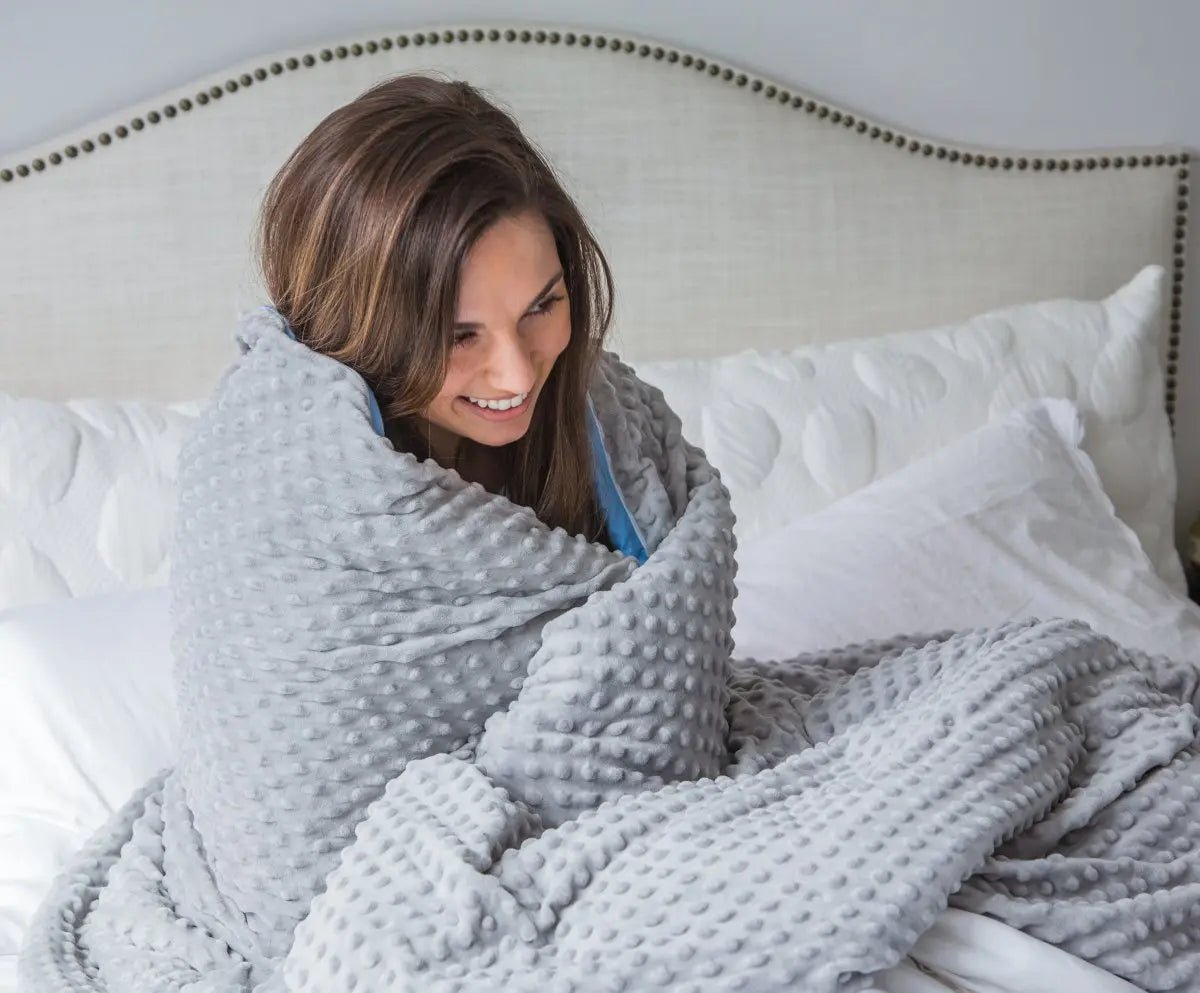
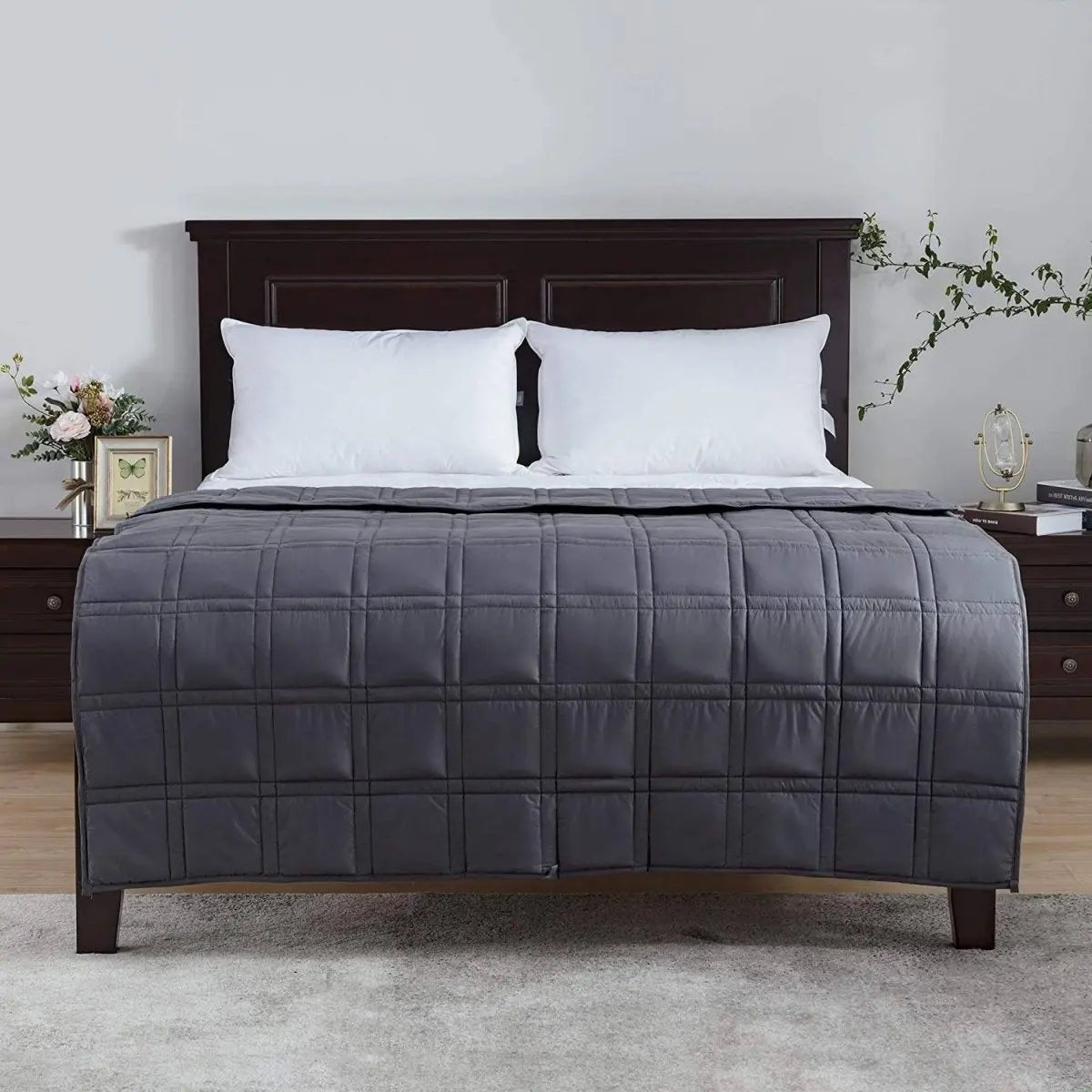
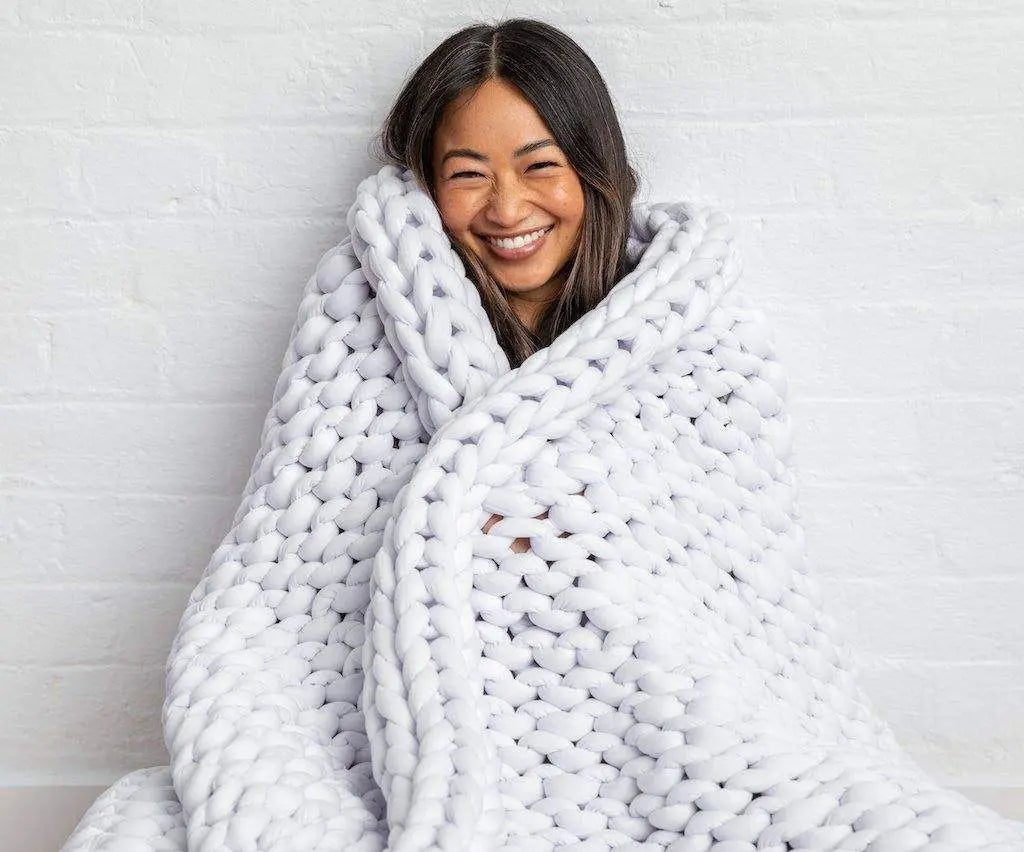
A cooling pillowcase works best as part of a layered sleep environment. Keep the room comfortably cool when possible, use breathable sheets, and avoid piling on bedding that your body does not need. If you enjoy the grounding comfort of weighted bedding, an all-season design with a breathable cover can help you keep that calming pressure without adding unnecessary warmth.
Wash pillowcases regularly in the warmest water safe for their fabric. Oils, skincare residue, and perspiration can build up over time, making the surface feel less fresh and less breathable. Always follow the care label, particularly for silk and bamboo, and skip heavy fabric softeners that can leave a coating on fibers.
It is also helpful to have a second pillowcase ready beside the bed during hotter months. For people navigating night sweats, hormonal shifts, stress, or a naturally warm sleep style, a quick change can feel like a small reset rather than a full interruption to the night.
A calmer place to rest your head
The best pillowcase is the one you look forward to touching at the end of a long day: breathable enough for warm nights, soft enough for your skin, and simple enough to care for consistently. Start with the fabric that matches your needs, give it a few nights to show you how it performs, and let your sleep space become a little cooler, quieter, and more restorative.


Leave a comment