

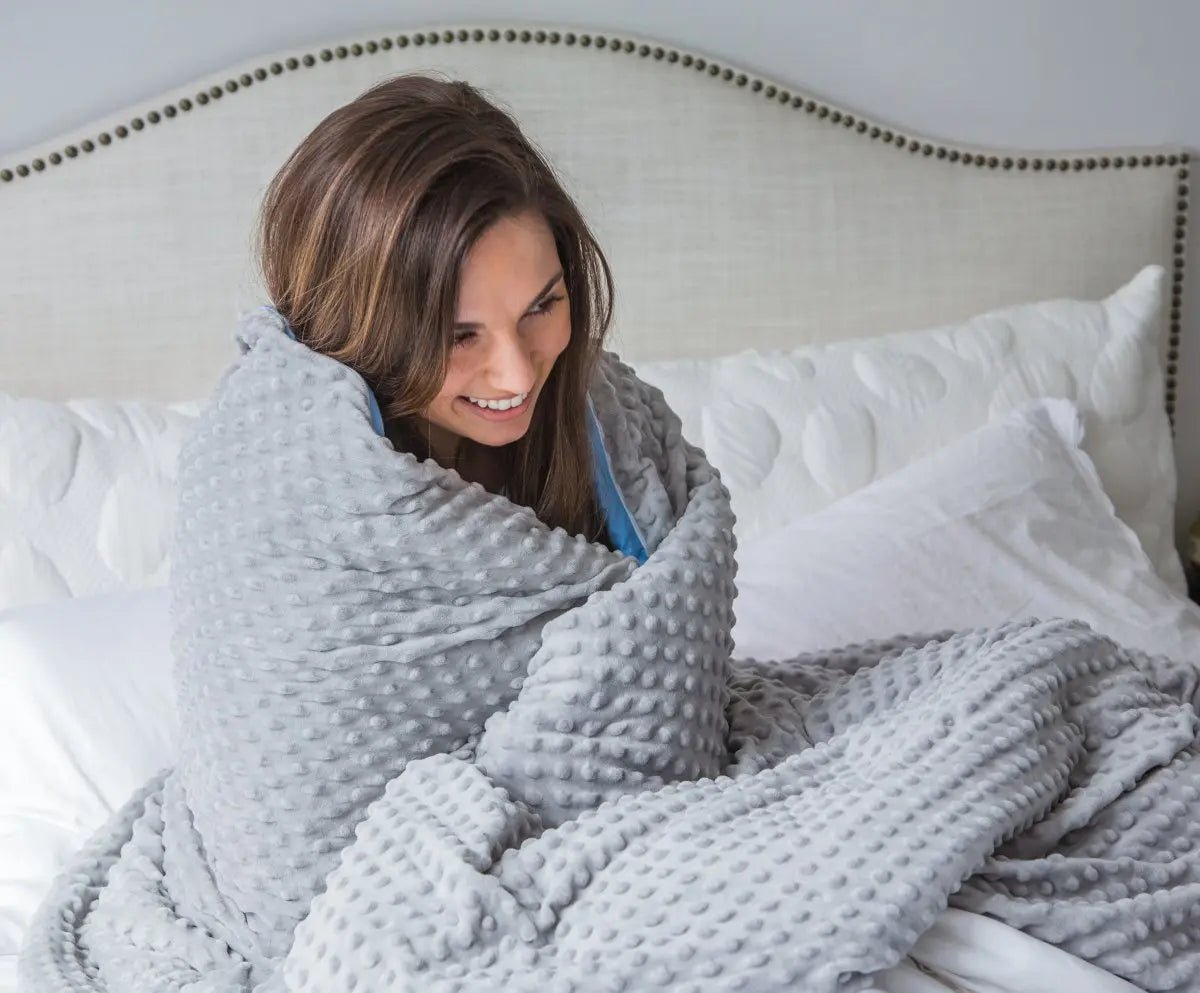
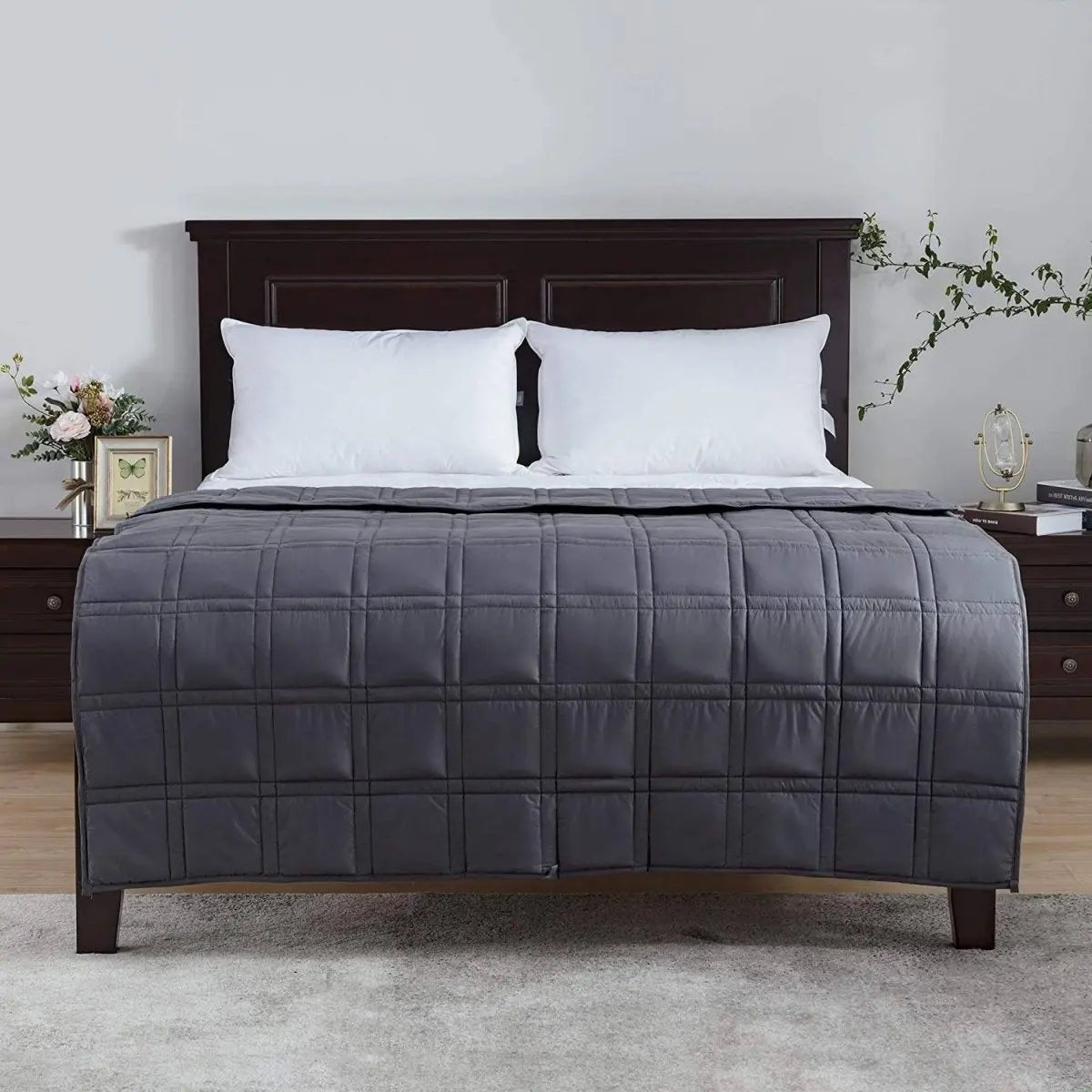
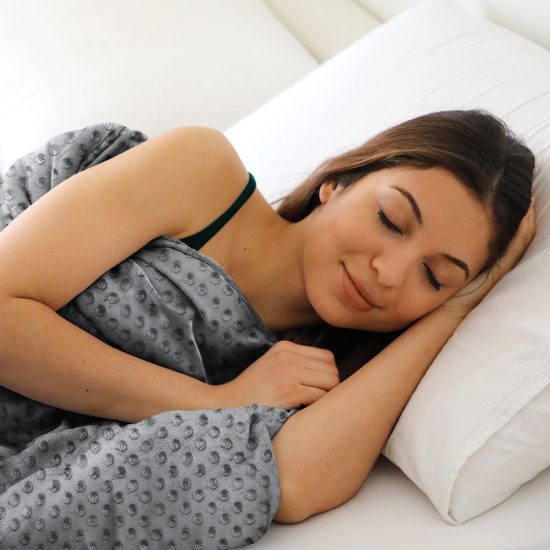
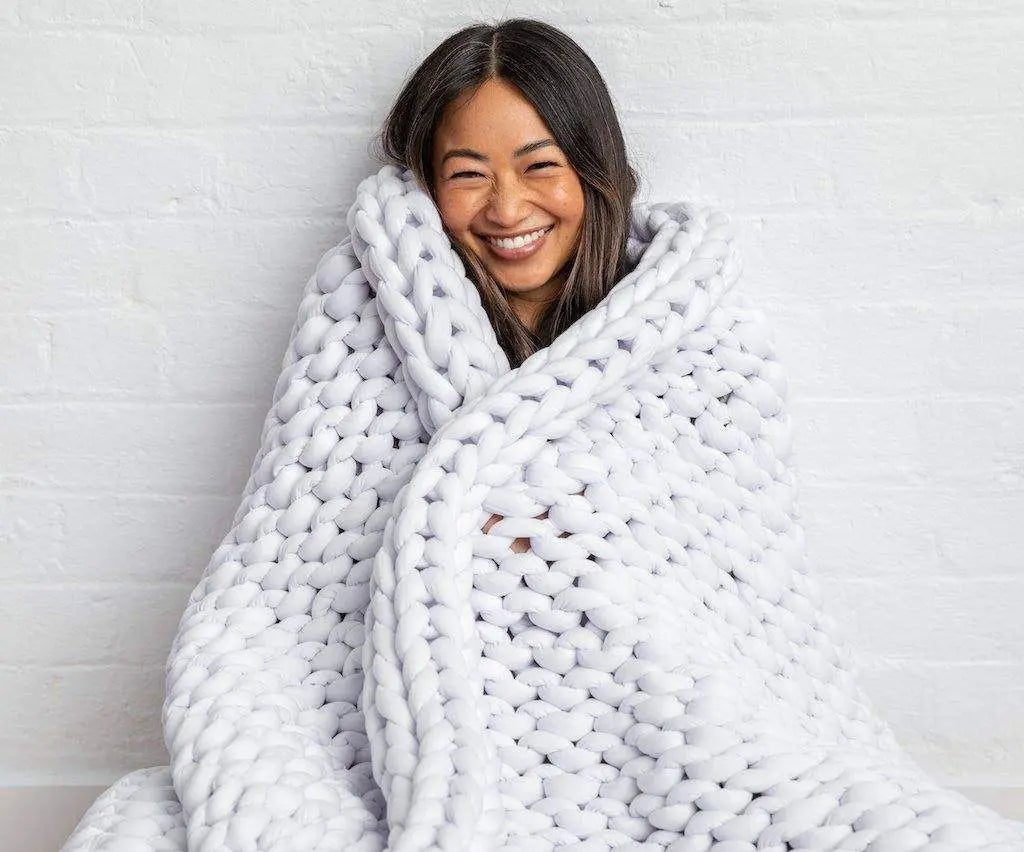

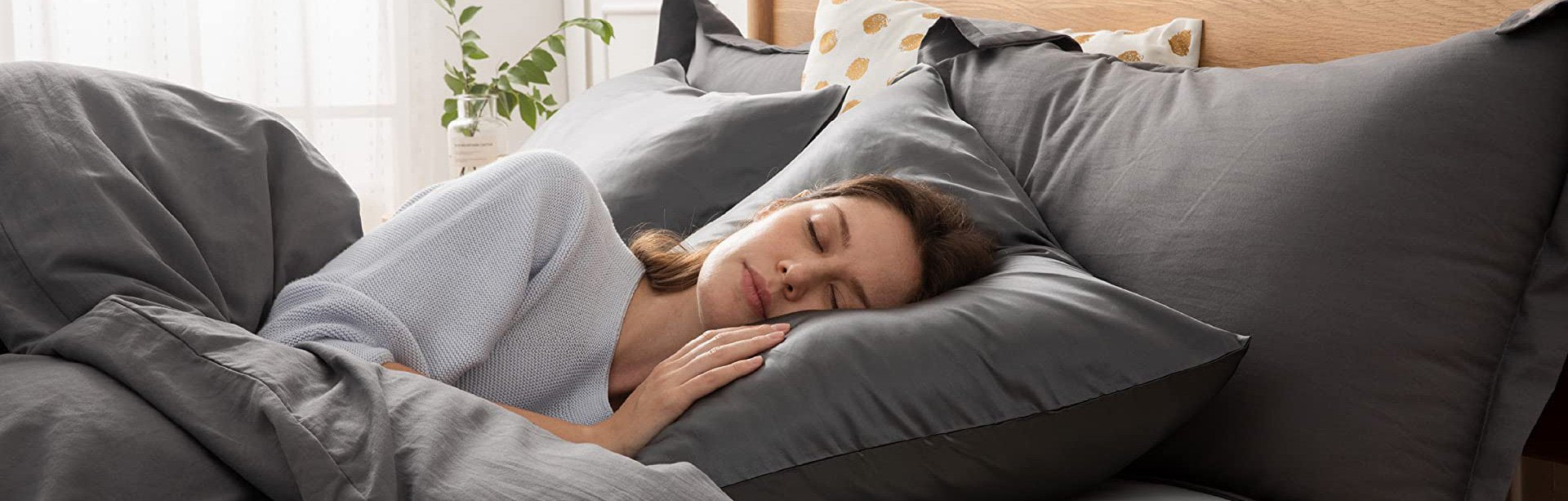
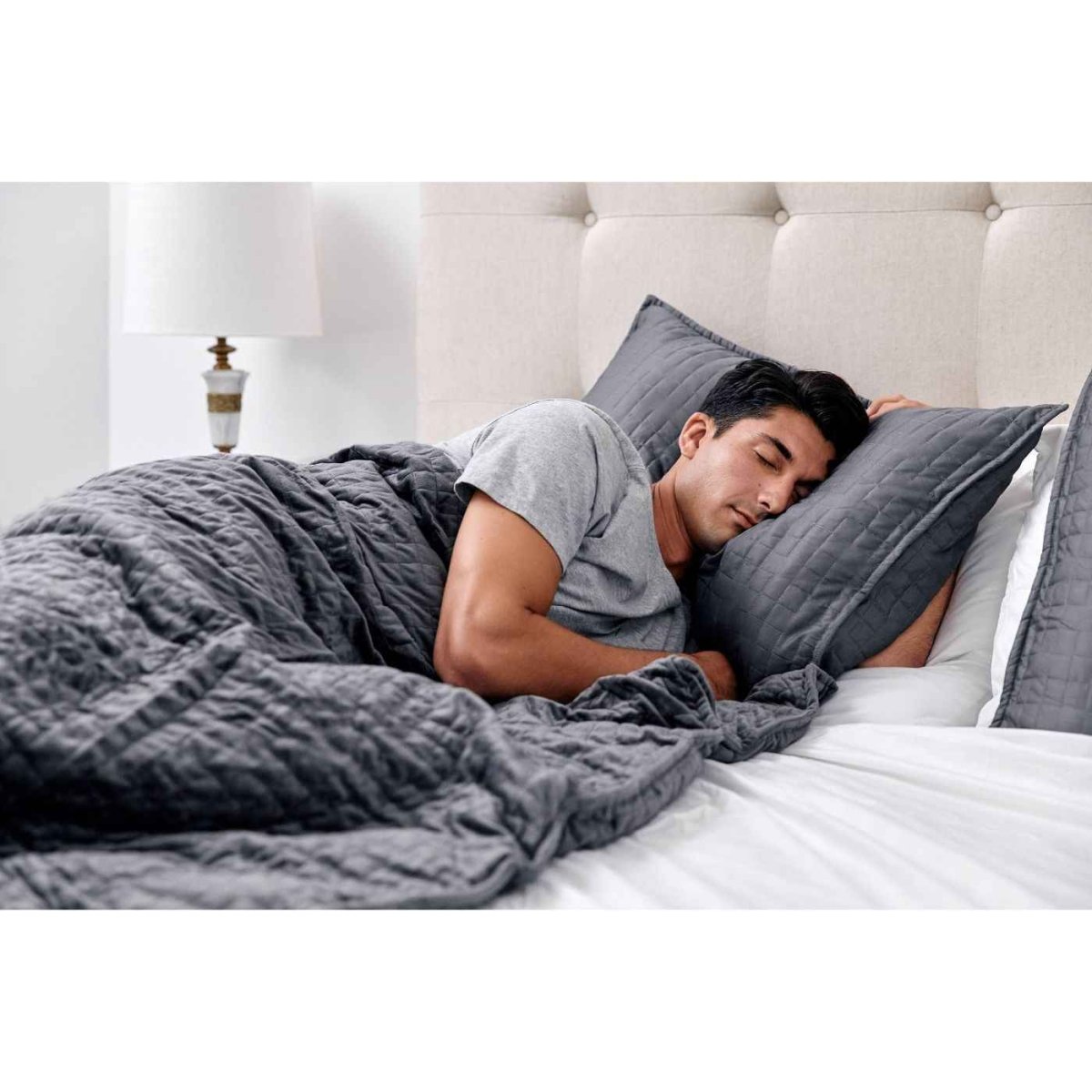
Best Weighted Blanket for Side Sleepers
If you sleep on your side, you already know that comfort is rarely just about softness. Pressure builds at the shoulder, the hips need cushioning, and if a blanket feels too stiff or heavy in the wrong spot, it can turn a calming bedtime routine into a night of shifting and readjusting. The right weighted blanket for side sleepers should feel grounding without feeling restrictive.
That balance matters more than many people expect. A weighted blanket is designed to provide gentle, even pressure that can support relaxation and help quiet a busy nervous system. But side sleepers often need a more thoughtful fit than back sleepers do. You are not lying flat. Your body creates curves and pressure points, which means the blanket has to drape well, breathe well, and feel comfortably distributed from edge to edge.
What side sleepers need from a weighted blanket
A side sleeping position changes how weight lands across the body. When you are curled slightly or stacked over one shoulder and hip, a blanket that feels perfect on a flat bed can suddenly feel dense, bunchy, or awkward. That is why a weighted blanket for side sleepers should do more than hit a target weight. It should contour gently.
The first thing to look for is even weight distribution. If the fill shifts too much or collects in certain sections, those heavier pockets can press uncomfortably on the shoulder or along the ribs. A quilted construction helps keep the weight in place so the pressure feels steady rather than uneven.
The second is flexibility. Side sleepers usually move between a tighter curl and a more open posture during the night. A blanket with too much rigidity can feel like it is sitting on top of you instead of settling around you. Softer fabrics and well-stitched compartments tend to create a more fluid, body-following feel.
Breathability is just as important. Many side sleepers tuck the blanket close around the body, which creates a cozy effect but can also trap heat. If you tend to sleep warm, the material matters as much as the weight. Cooling bamboo blends and breathable outer fabrics often feel more comfortable than plush, heat-holding layers.
How heavy should a weighted blanket be for side sleepers?
A common guideline is to choose a blanket that is about 10 percent of your body weight, with some flexibility based on personal preference. That is a useful starting point, but it is not a rule you need to follow rigidly.
For side sleepers, comfort often improves when the blanket feels substantial without compressing the shoulder and hip too much. If you are sensitive to pressure, recovering from tension, or simply prefer a lighter sleep environment, sizing down slightly can be the better choice. If you love a deeply cocooned feeling and do not feel compressed by weight at your pressure points, you may prefer staying closer to that 10 percent range.
It also depends on how you use it. A weighted blanket used for winding down on the couch can feel different from one used through the entire night. Side sleepers who want overnight use often do best with a weight that feels calming within minutes, not impressive for five minutes and tiring after an hour.
The best materials for a weighted blanket for side sleepers
Material can make or break the experience. Side sleepers tend to notice texture and temperature more because there is more body contact with the mattress and blanket at once.
Bamboo and cooling fabrics
If you run warm, cooling fabrics are often the most comfortable choice. Bamboo-based materials are especially appealing because they feel smooth, breathable, and less likely to trap heat around the shoulders and neck. They also tend to have a softer drape, which helps the blanket settle more naturally along the curves of the body.
Cotton for year-round comfort
Cotton is a reliable option for people who want a balanced feel. It is breathable, familiar, and generally easy to layer in different seasons. If your room temperature changes throughout the year, cotton can be a practical middle ground.
Plush or sherpa finishes
These finishes can feel incredibly soothing, especially in colder months, but they are not always ideal for hot sleepers. If you love a cozy texture and your bedroom stays cool, they can be a comforting choice. If you often wake up warm, they may feel too insulating for side sleeping, where more of the blanket stays wrapped close to the body.
Size matters more than many people think
A blanket that is too small may slide off or leave you tugging for coverage every time you turn. A blanket that is too large can create drag over the edge of the bed, making the weight feel heavier than intended.
For side sleepers, the best fit is usually one that covers the body comfortably without excessive overhang. You want enough room to settle in and move slightly, but not so much extra fabric that the blanket fights your position changes. This is one reason many people prefer weighted blankets sized for the sleeper rather than oversized like a traditional comforter.
If you share a bed, personal preference becomes even more important. One partner may love the grounded feel of a weighted blanket, while the other may find it too warm or too heavy. In that case, using an individual blanket rather than one shared across the mattress often leads to a better night for both people.
Signs your current weighted blanket is not right for side sleeping
Sometimes the issue is not weighted blankets in general. It is the specific one you are using.
If you wake up with extra shoulder soreness, if you keep tossing the blanket off during the night, or if you feel trapped instead of relaxed, the weight or construction may not be right for your sleep style. The same goes for blankets that feel noticeably warmer at 2 a.m. than they did at bedtime. That usually points to a material mismatch rather than a sleep problem.
A good weighted blanket should help your body settle. It should not create a new set of adjustments to manage. Calm, in this case, should feel natural.
Who benefits most from a weighted blanket for side sleepers?
This style of blanket can be especially helpful for people who struggle to fully unwind at night. If stress follows you into bed, if your mind stays active long after the lights are off, or if you crave a sense of physical comfort that helps signal rest, weighted pressure can feel deeply reassuring.
Side sleepers with anxiety or restlessness often describe the right blanket as grounding. That word fits because the sensation is not just warmth. It is a steady, held feeling that can make the body feel safer and more settled.
That said, it is still personal. Some side sleepers want a light touch and others want a stronger cocooning effect. There is no single best blanket for everyone, only the one that matches your body, your temperature preferences, and the way you actually sleep.
How to choose with more confidence
Start with how you want to feel, not just the product specs. Do you want cooling comfort, deeper pressure, softer texture, or something balanced enough for year-round use? Once you know that, it becomes easier to narrow the options.
Look closely at three things: the weight range, the fabric, and how the fill is secured. Those details shape the real experience far more than marketing language does. A well-made blanket should feel intentional in every part of its design, from the way it drapes to how consistently the weight stays in place.
If you are buying for someone else, keep their sleep habits in mind. A thoughtful weighted blanket can make a meaningful gift, especially for someone dealing with stress or inconsistent sleep, but side sleeping preferences are specific. Softer drape, breathable fabric, and a moderate weight are usually the safest choices when you want comfort to feel immediate.
At Better Sleep, this is exactly where thoughtful design matters most. Premium materials, breathable construction, and a more refined sense of comfort are not extras. They are what help a weighted blanket feel restorative night after night.
A weighted blanket should never ask you to adapt to it. For side sleepers, the best one is the blanket that meets your body gently, supports stillness without stiffness, and helps bedtime feel like relief instead of effort.


Leave a comment