



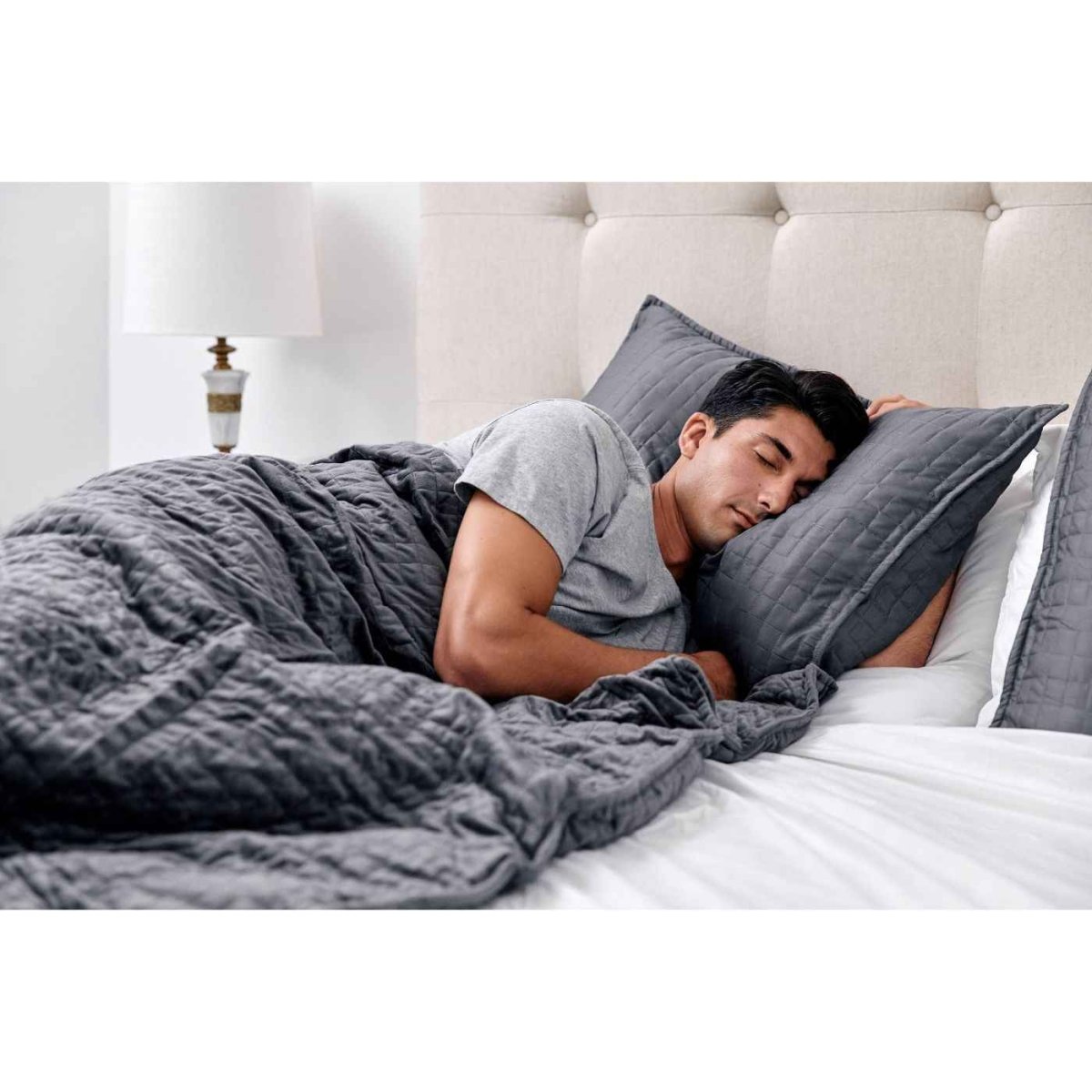
Cooling Bedding Canada: What Actually Helps
A bedroom that feels fine at 9 p.m. can feel stifling by 2 a.m. That is usually when the search for cooling bedding Canada shoppers keep coming back to begins - not because it sounds trendy, but because overheating can quietly ruin otherwise healthy sleep.
If you wake up warm, throw off the covers, then pull them back on an hour later, the issue is rarely just “running hot.” More often, it is a combination of fabric, layering, room conditions, and how your bedding handles moisture over the course of the night. The right setup does not need to feel cold. It needs to feel breathable, dry, and balanced.
Why cooling bedding matters more than people think
Heat disrupts sleep in a way that feels subtle but adds up quickly. You may still fall asleep, but staying asleep becomes harder when your body cannot settle into a comfortable temperature range. That often shows up as restless tossing, damp sheets, or waking up tired even after enough hours in bed.
This is especially common for warm sleepers, couples who share body heat, parents already dealing with light sleep, and anyone navigating stress or hormonal changes. When your nervous system is already carrying more than usual, sleeping hot can feel even more draining. Cooling bedding helps by reducing the friction between your body and your environment.
That does not mean every “cooling” product is worth buying. Some feel cool at first touch but trap warmth later. Others focus so heavily on temperature that they sacrifice softness or comfort. The best choices do both - they support airflow, manage moisture, and still feel calming at the end of a long day.
Cooling bedding Canada shoppers should look for first
The first thing to look at is fabric. This matters more than branding, finish names, or packaging claims. If the material naturally breathes well and moves moisture away from the body, you are already on the right track.
Bamboo and why it works for warm sleepers
Bamboo-based bedding is often a strong choice for people who sleep hot because it tends to feel smooth, breathable, and less clingy than many synthetic fabrics. It can help reduce that humid, sticky feeling that builds overnight, especially in warmer months or heated bedrooms.
For many sleepers, the bigger benefit is not dramatic cooling. It is consistency. Bamboo fabrics often help the bed feel more even through the night, which means fewer wake-ups caused by overheating and fewer moments where your sheets feel damp or heavy.
Cotton can still be a good option
Cotton remains a reliable choice, especially when the weave is light and breathable. Crisp percale usually feels cooler than denser sateen, which can feel smoother but retain more warmth. If you like the familiar feel of cotton, the weave matters almost as much as the fiber itself.
The trade-off is that not all cotton performs the same way. Heavier or tightly woven cotton can feel clean and substantial, but not necessarily cool. If you are shopping specifically for temperature regulation, softness alone should not be the deciding factor.
Be cautious with microfiber and heavy blends
Microfiber often feels soft in the package and is usually more affordable, but many hot sleepers find that it holds onto heat. The same can be true of dense synthetic blends marketed for durability or wrinkle resistance. They may be practical in some homes, but they are rarely the first choice for someone trying to stay cool.
This is where product descriptions can be misleading. “Cooling” is sometimes used very loosely. If the main material is synthetic and the listing focuses more on feel than breathability, it is worth pausing.
The layers under you matter too
People often focus on sheets and forget that heat can build from below. If your mattress traps warmth, lightweight sheets alone may not solve the problem. Your protector, topper, and even the mattress construction all affect how cool the bed feels.
A breathable mattress topper can make a noticeable difference if your current mattress sleeps warm. The same goes for a protector that does not create a plasticky barrier. Waterproof protection can be useful, especially for families, but some options reduce airflow enough to make the bed feel warmer than expected.
If your bed still feels hot after changing the sheets, look one layer deeper. That is often where the real issue is hiding.
What cooling bedding should feel like in real life
The most effective cooling bedding is usually not icy or slick. It feels light, dry, and easy to settle into. You should notice less heat buildup, not a dramatic chill. That distinction matters because many shoppers expect an instant cooling sensation and end up disappointed by products that were actually designed for long-term breathability.
In practice, good cooling bedding should help you fall asleep without feeling smothered and stay asleep without constant temperature swings. It should also recover well after washing and hold its feel over time. Bedding that works beautifully for one week but pills, stiffens, or loses softness after care will not support your sleep for long.
How to build a cooler bed without replacing everything
You do not always need a full bedroom reset. In many cases, one or two smart changes are enough to improve comfort.
Start with the sheet set, since it touches the most surface area and has the biggest day-to-day impact. If your current sheets feel dense, clingy, or humid by morning, replacing them with a more breathable fabric is usually the simplest upgrade.
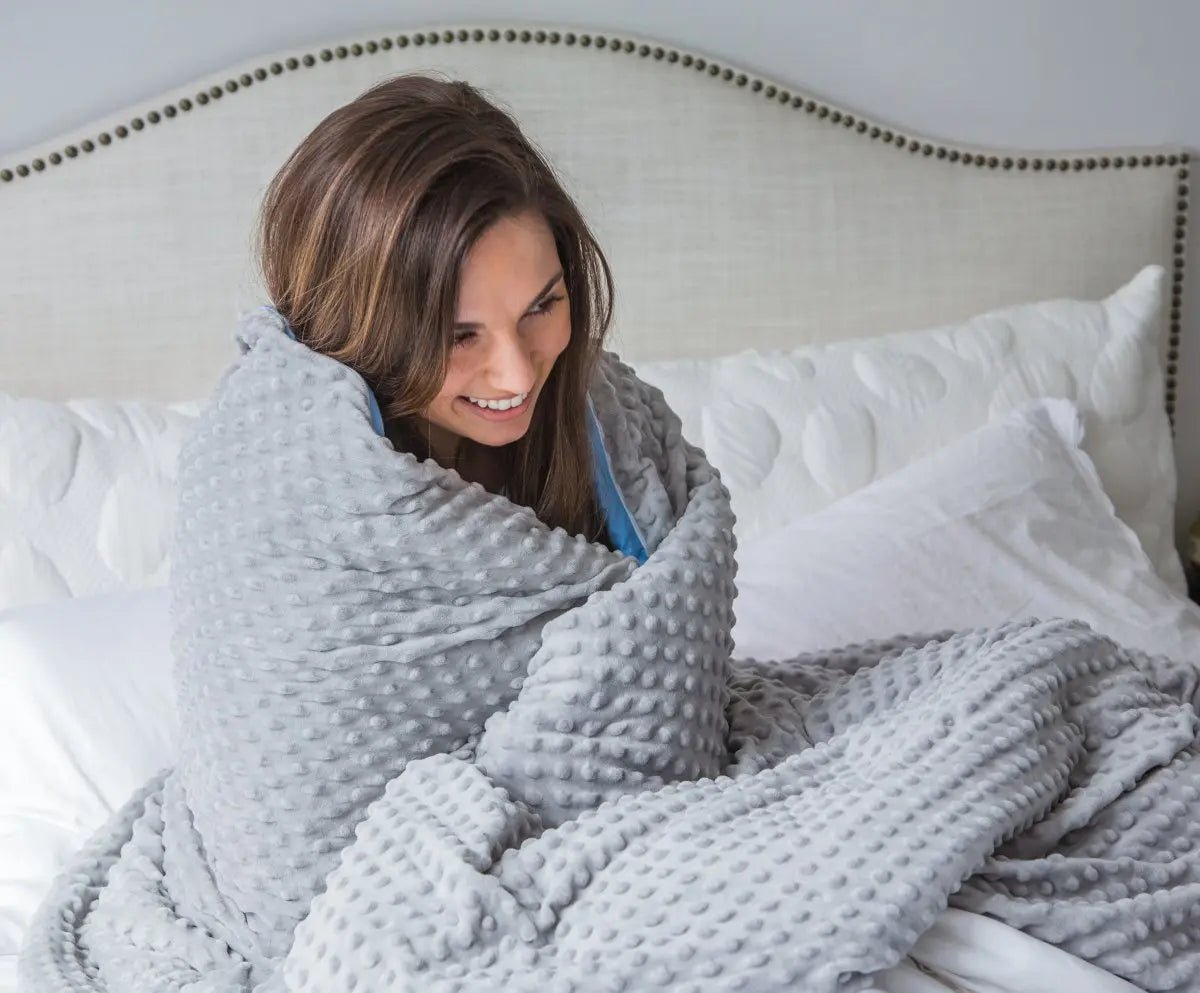
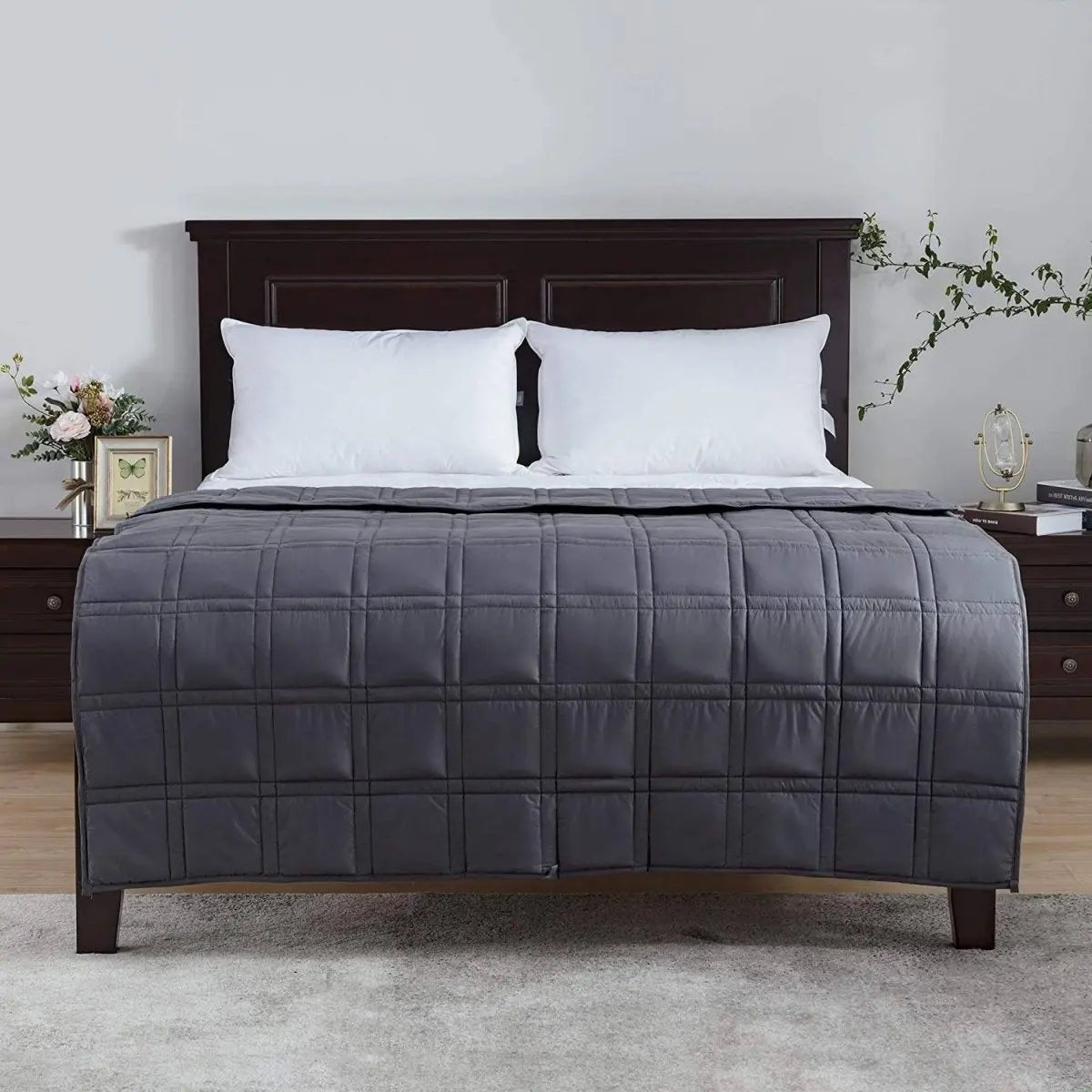
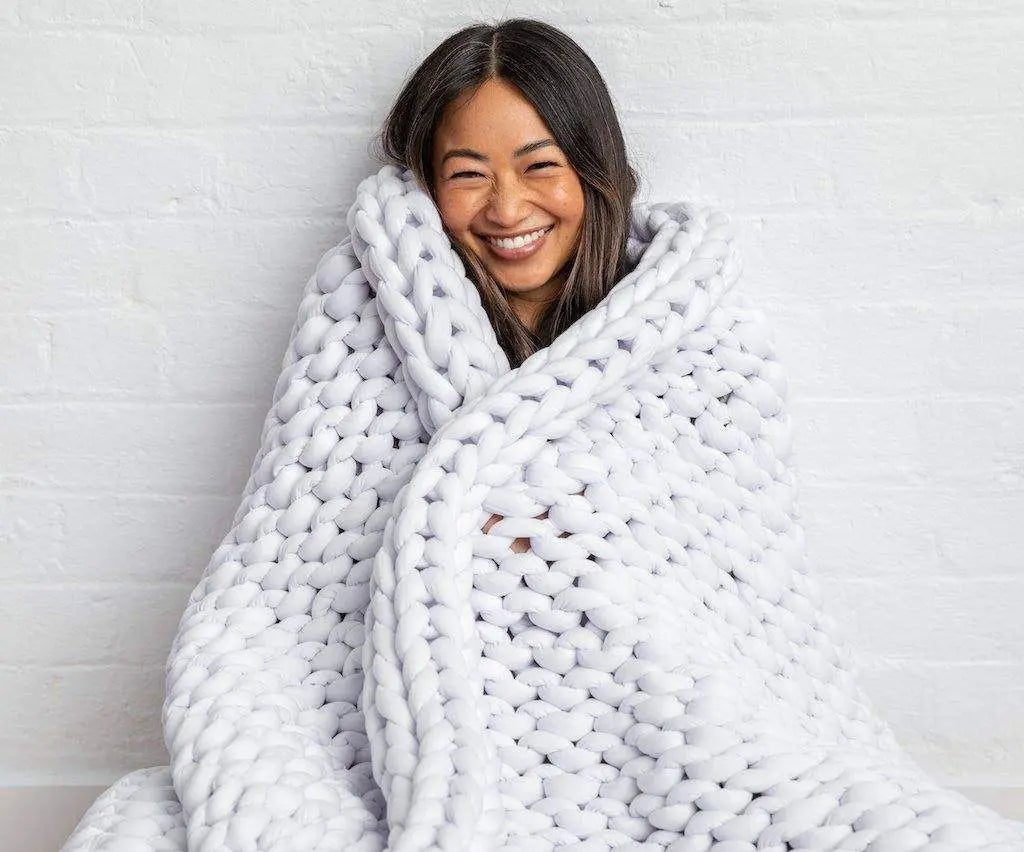
Then look at your top layer. A heavy comforter can cancel out the benefits of cooling sheets. Many warm sleepers do better with an all-season layer that feels insulating without trapping too much heat. If you still want weight for comfort, a breathable blanket or thoughtfully designed weighted option can feel grounding without becoming overly warm. That balance matters, especially for people who want calm as much as temperature relief.
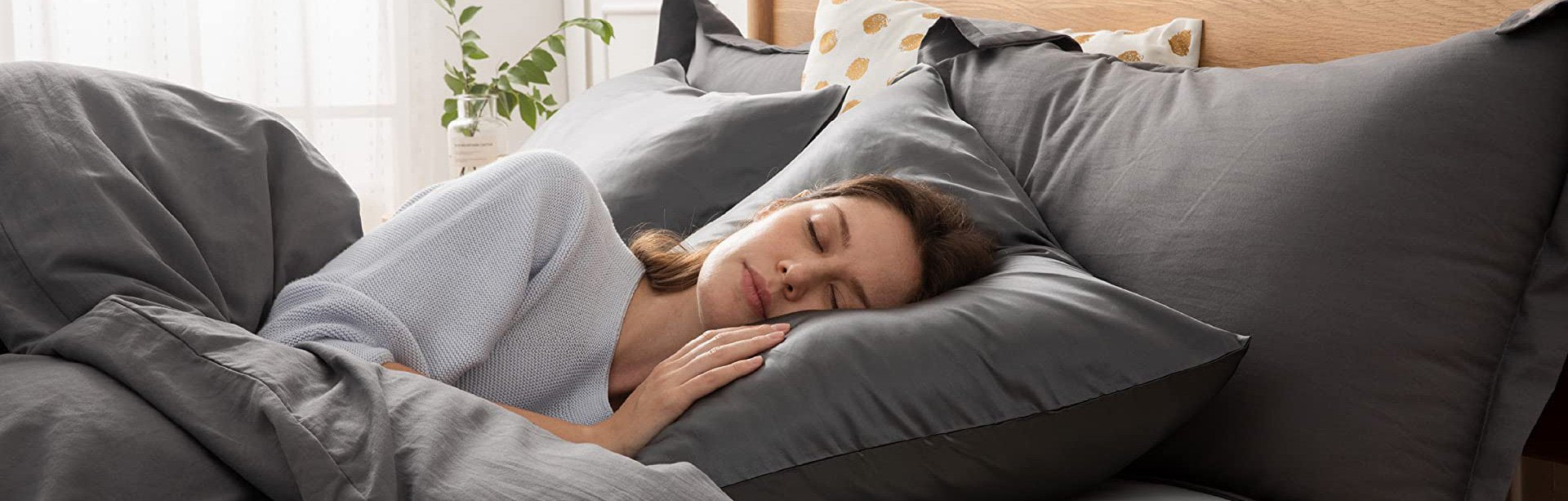
Pillowcases are another easy change. Heat tends to collect around the head and neck, so a smoother, cooler fabric here can improve comfort faster than expected. This is one of the reasons many people notice an immediate difference from silk or cooling bamboo pillowcases even before changing the rest of the bed.
Cooling bedding Canada options and the climate question
Shopping for cooling bedding in Canada comes with one extra consideration: seasonality. Bedrooms do not feel the same year-round, and neither should your bedding.
In summer, lighter layers and moisture management matter most. In winter, many homes become dry and overheated from indoor heating, which can still make you sleep hot even when it is cold outside. That is why year-round adaptability matters more than a one-season fix.
This is also where premium bedding often earns its place. Better materials tend to regulate more gracefully across temperature shifts. Instead of feeling too cold in one season and too warm in another, they stay more balanced. For shoppers who want fewer swaps and a calmer routine, that flexibility is worth paying attention to.
Signs a product is worth your trust
When comparing options, look for clarity. Good bedding brands explain what the product is made of, how it is meant to feel, and who it is best for. They do not rely only on buzzwords.
It also helps to look for material standards that support softness and safety, especially if the bedding will be used nightly or by sensitive sleepers. Thoughtful design, breathable construction, and credible fabric information tend to matter more than flashy claims.
If a brand also offers a trial period or flexible returns, that adds real value. Cooling is personal. What feels perfect to one sleeper may feel only slightly better to another. Confidence comes from being able to try the product in your own home, with your own room temperature and sleep habits.
Better Sleep, for example, approaches bedding from a wellness-first perspective - focusing on breathable, calming materials that support deeper rest rather than chasing novelty.
The best cooling bedding is the kind you forget about
That may sound understated, but it is true. Great bedding fades into the background. You are not thinking about the heat, the texture, or whether you need to flip the pillow again. You simply rest more comfortably and wake up feeling less interrupted.
If you are choosing between several options, favor the one that promises balance over extremes. Breathable sheets, adaptable layers, and fabrics that feel dry and gentle against the skin usually do more for sleep than anything labeled “cold.”
A cooler bed should not feel clinical. It should feel calm, soft, and easy to return to night after night. When bedding supports that kind of comfort, better sleep starts to feel less like effort and more like relief.


Leave a comment