




Do Silk Pillowcases Help Skin? What to Expect
A pillowcase is in contact with your face for hours each night. If you wake with sleep creases, tender skin, or a complexion that feels more reactive than it did before bed, that surface can be worth reconsidering. Do silk pillowcases help skin? They can support a gentler sleep environment by reducing friction against the face, but they are not a substitute for sunscreen, a thoughtful skincare routine, or medical care for persistent skin concerns.
For many people, the benefit is simple: silk feels exceptionally smooth. That smoother surface may mean less tugging as you shift on your pillow, which can be particularly comforting for dry, sensitive, or easily irritated skin. Think of it as one quiet detail in a more restorative nighttime routine - not a miracle treatment, but a thoughtful layer of care.
How Silk Pillowcases May Help Skin
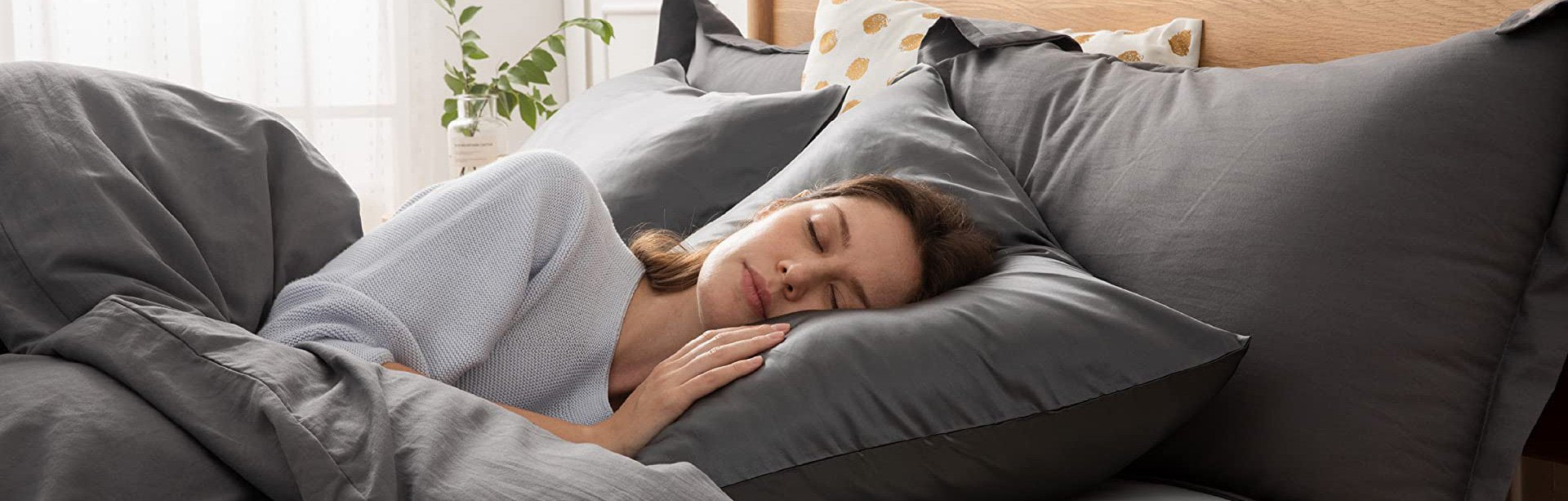
The most credible benefit of a silk pillowcase is reduced friction. Cotton has a more textured weave, and its fibers can create more resistance as your skin moves against the pillow. Silk’s long, smooth fibers allow the face to glide more easily across the surface. For side and stomach sleepers, who spend more time with one side of the face pressed into bedding, that difference can feel noticeable.
Less friction may help limit temporary morning creasing and the feeling of skin being pulled or rubbed overnight. This does not mean a silk pillowcase erases wrinkles or changes the natural aging process. Fine lines are influenced by genetics, sun exposure, collagen changes, sleep, and many other factors. Still, minimizing repetitive friction is a sensible, skin-friendly habit, especially when paired with daily SPF and moisturizing care.
Silk can also feel gentler when your skin barrier is under stress. During colder, drier months, or after introducing active ingredients such as retinoids or exfoliants, skin may feel more sensitive to ordinary contact. A soft pillowcase will not repair the barrier on its own, yet reducing one potential source of overnight irritation can make your routine feel more comfortable.
What about hydration?
You may hear that silk pillowcases keep skincare from being absorbed by your bedding. There is some practical truth behind the idea, but it deserves a little perspective. Cotton is absorbent, while silk’s smoother structure may absorb less moisture and product from the skin’s surface. Your moisturizer may feel more present on your face in the morning rather than disappearing into the pillowcase.
That said, silk is not completely nonabsorbent, and no pillowcase can seal hydration into the skin. The most meaningful support for dry skin still comes from applying an appropriate moisturizer to slightly damp skin, using gentle products, and maintaining a comfortable bedroom environment. A silk pillowcase can complement those habits rather than replace them.
Do Silk Pillowcases Help Skin With Acne?
Silk pillowcases are not an acne treatment. Acne is commonly driven by oil production, clogged pores, inflammation, hormones, genetics, and certain products. Switching fabrics alone will not clear breakouts, and anyone with persistent, painful, or scarring acne deserves guidance from a dermatologist.
Still, a clean, smooth pillowcase may be a welcome choice if your skin is acne-prone or easily inflamed. Less rubbing can be helpful when blemishes feel sore, and a freshly washed pillowcase limits the buildup of oil, sweat, hair products, and skincare residue that can collect over time.
The key word is clean. Even premium silk needs regular care. If you use rich nighttime products, wear hair oil, or sleep warm, wash your pillowcase more often - ideally every few days to once a week, depending on your routine. Having a second pillowcase on hand makes this easier, so your bed can remain a calm, clean place to rest.
Silk, Satin, and Cotton: The Difference That Matters
Silk and satin are often used as if they mean the same thing, but they do not. Silk describes a natural fiber. Satin describes a smooth weave and can be made from silk, polyester, nylon, or other materials. A satin pillowcase can also offer a low-friction surface, often at a lower price point. But its breathability, feel, durability, and care needs will depend on the fiber used.
A well-made silk pillowcase offers a naturally soft, breathable feel that many people enjoy year-round. It can be especially appealing if you tend to overheat or dislike the dry, rough feel some bedding develops over time. Quality matters here. Look for real silk, careful construction, and certifications that provide reassurance about textile safety.
Cotton remains a practical, breathable choice for many sleepers. If you love crisp cotton sheets, there is no need to change every piece of bedding. A silk pillowcase can be an easy, focused upgrade for the place where your face and hair rest each night. It is a small adjustment with a distinctly luxurious feel.
Who May Notice the Biggest Difference?
Silk pillowcases can make sense for anyone who values a softer sleep surface, but they may be especially worthwhile for side sleepers, stomach sleepers, and people with dry or sensitive skin. They can also be useful after a professional facial treatment, when skin feels temporarily delicate, or during seasons when indoor heat leaves your complexion tight and thirsty.
They are often appreciated by people with curly, textured, color-treated, or easily tangled hair as well. Reduced friction may help hair retain a smoother appearance and can lessen the pull associated with tossing and turning. That hair benefit does not change the skin science, but it can make a silk pillowcase feel like an even more considered bedding essential.
If you have rosacea, eczema, dermatitis, or another diagnosed skin condition, choose comfort without overpromising. A silk surface may feel soothing, but it cannot treat a flare. Keep following the plan recommended by your clinician, and avoid introducing heavily fragranced detergents or fabric treatments that may irritate sensitive skin.
Getting the Most From a Silk Pillowcase
The pillowcase works best when it supports an already-gentle routine. Cleanse away makeup, sunscreen, and the day’s buildup before bed. Apply skincare that suits your skin type, then give it a moment to settle before lying down. This helps keep more product on your skin and less on your bedding.
Care matters, too. Wash silk according to its label, usually with a gentle detergent and cool water. Skip bleach and harsh stain treatments, which can weaken delicate fibers. If you use a machine, a mesh laundry bag and delicate cycle can offer additional protection. Air drying helps preserve the fabric’s softness and shape.
It is also wise to consider your whole sleep setup. A bedroom that is too warm can leave skin sweaty and uncomfortable, while a pillow that does not support your neck can encourage more turning throughout the night. Breathable bedding, a supportive pillow, and a steady wind-down routine all help create the conditions for deeper, more settled rest.
At Better Sleep, we see bedding as part of everyday well-being: the materials closest to your body should feel calming, considered, and easy to live with. A silk pillowcase is not about chasing perfection in the mirror. It is about giving your skin one less source of overnight friction and giving yourself a softer place to land at the end of the day.
Choose silk if its smooth feel, lower-friction surface, and elevated comfort fit your routine. Then let the rest of your care stay simple: clean bedding, consistent skincare, sun protection, and enough restorative sleep to let your whole body reset.


Leave a comment