


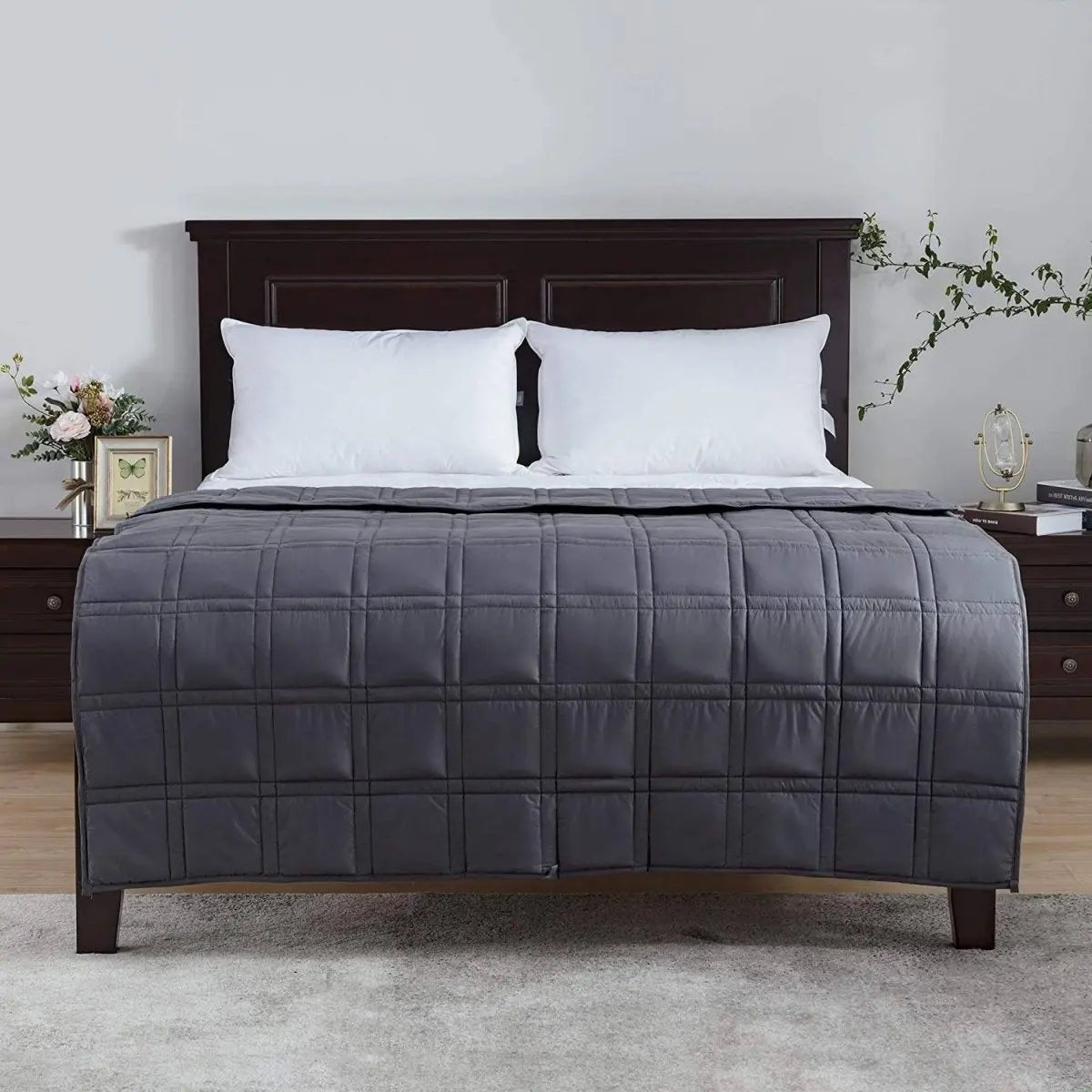





How to Layer Breathable Bedding for Cooler Sleep
A bed can feel perfect at 10 p.m. and far too warm by 3 a.m. That is why learning how to layer breathable bedding is less about piling on blankets and more about building a sleep environment that can adjust with you. The right combination offers comforting weight and softness without trapping heat, helping your body settle into a steadier, more restorative night.
For many sleepers, overheating is not caused by one heavy comforter alone. It is the result of several dense, non-breathable layers holding onto warmth and moisture. A more intentional bed keeps air moving, gives you easy options to add or remove warmth, and preserves the calm, cocooned feeling you want at the end of a long day.
Start With a Breathable Foundation
Your layers can only perform as well as the materials closest to your body. Begin with fitted sheets that feel cool, smooth, and moisture-wicking. Bamboo-derived fabrics are a thoughtful choice for warm sleepers and anyone who wakes up feeling clammy, as they are designed to pull moisture away from the skin while maintaining a soft, refined feel.
A mattress topper can also change the way your bed holds heat. Look for a breathable option rather than a thick, heat-retaining foam layer, especially if your mattress already sleeps warm. The goal is gentle cushioning with enough airflow that warmth does not build beneath you.
Your pillow matters here, too. A silk pillowcase offers a naturally smooth surface that feels light against the skin, while a breathable pillow insert helps prevent your head and neck from becoming a source of overnight heat. These details may seem small, but temperature comfort is shaped by every layer.
How to Layer Breathable Bedding Without Losing Warmth
The most comfortable bed is usually built from thinner, purposeful layers rather than one oversized blanket. This approach gives you more control when the temperature shifts, whether your bedroom is chilly at bedtime or you tend to run warm after falling asleep.
Start with a flat sheet if you enjoy one. It adds a soft barrier between your body and the top layers, and it is easy to fold down or use on its own during warmer nights. Then add a lightweight blanket or all-season layer that provides gentle warmth without excessive bulk.
Your top layer should be easy to regulate. A duvet in a breathable cover, an all-season blanket system, or a light quilt can work well, depending on how warm your room stays. If you share a bed with someone who sleeps at a different temperature, separate top layers are often more effective than trying to find one compromise blanket. It may not look like the traditional made bed, but both people are more likely to rest well.
For a simple setup, think in terms of three adaptable levels: a breathable sheet, a light insulating layer, and a removable top layer. You can then adjust the bed in seconds instead of waking fully to wrestle with a heavy comforter.
Choose Materials That Release Heat
Breathability is not just about how thin a fabric feels. It is about whether the material allows warmth and moisture to move away from your body. Natural and performance-minded fabrics tend to feel more comfortable than tightly woven synthetics that can hold heat close to the skin.
Bamboo bedding is especially well suited to year-round layering. It has a silky, elevated hand feel, yet it is light enough to support cooling comfort. Cotton can also be a dependable choice, particularly in a crisp percale weave. Linen offers excellent airflow, though its textured feel is not for everyone. If you prefer a smoother, more polished bed, bamboo may feel more inviting.
Be mindful of fabrics marketed simply as plush or ultra-soft. Some are wonderfully cozy for a reading nook or a cold evening on the sofa, but they may be too insulating for your primary sleep layers. Sherpa and heavier fleece can be comforting seasonal accents, especially in colder bedrooms, but they are best kept as optional top layers rather than wrapped directly around a warm sleeper all night.
Add Weighted Comfort With Intention
A weighted blanket can offer a deeply grounding sensation, helping many people feel calmer as they settle down. But weight and heat are separate considerations. If you love the reassuring pressure of a weighted blanket and tend to sleep warm, choose one designed with breathable construction and use it as part of a flexible system.
Place the weighted blanket over a light sheet and breathable blanket, rather than beneath a heavy duvet. This lets you enjoy its soothing pressure while avoiding too many insulating layers above it. On especially warm nights, use the weighted blanket with only a sheet. When temperatures dip, add a light cover over the top or keep an extra blanket folded at the foot of the bed.
The right weight should feel calming, not restrictive. If you feel trapped, overheated, or uncomfortable when changing positions, the blanket may be too heavy for your preferences or paired with too many warm layers. Comfort should always feel supportive and easy.
Build a Bed That Changes With the Season
Breathable bedding is valuable in every season because indoor temperatures are rarely perfectly consistent. Heating systems, air conditioning, changing weather, and shared sleeping preferences all affect how your bed feels.
In summer, simplify the bed. Use breathable sheets, a lightweight blanket, and an optional cooling layer within reach. Keep the heavier duvet folded nearby rather than stored away if your room cools significantly before morning. This maintains a sense of comfort without committing to unnecessary warmth.
In winter, keep the same breathable base and add warmth gradually. A light blanket beneath a duvet cover can be more effective than switching immediately to the thickest comforter you own. The air between layers acts as insulation, while the breathable base helps reduce the stuffy feeling that can interrupt sleep.
For transitional weather, an all-season blanket is often the most practical anchor. It offers enough warmth for a cool evening but does not overwhelm the bed when temperatures rise overnight. Pair it with sheets that manage moisture well, and you have a setup that feels considered rather than constantly in flux.
Make Nighttime Adjustments Effortless
The best layering plan is one you will actually use when you are tired. Keep a folded throw or lightweight blanket at the end of the bed for quick warmth. If you often wake hot, place the top layer so it can be pushed down easily without becoming tangled. If cold feet disturb your sleep, add warmth at the foot of the bed before making the entire bed heavier.
Your bedroom environment matters as much as the bedding itself. Breathable pajamas, a slightly cooler room, and bedding washed regularly to remove body oils and residue can all improve how fresh your layers feel. Avoid overloading the bed with decorative pillows and throws that need to be removed every night. A restful space should feel simple to step into.
It is also worth giving new bedding a few nights before deciding whether it works for you. Your body may need time to adjust to a lighter, more breathable setup, especially if you are used to sleeping beneath substantial layers. Notice how you feel when you wake: dry or sweaty, settled or restless, chilly or comfortably neutral. Those signals will tell you what to add, remove, or swap.
A breathable bed does not need to feel sparse to keep you cool. When each layer has a purpose, your sleep space can feel soft, grounded, and quietly luxurious - ready to support calmer nights in every season.


Leave a comment