




Do Weighted Blankets Help Anxiety at Night?
When your body feels tired but your mind is still replaying the day, bedtime can become the most restless part of it. Do weighted blankets help anxiety? For many people, they can offer a simple, comforting form of support: gentle, evenly distributed pressure that helps the body feel more settled, secure, and ready to rest.
A weighted blanket is not a cure for anxiety, and it should not replace professional mental health care when you need it. But as part of a calming evening routine, it may make the transition from overstimulated to rested feel a little easier.
Do weighted blankets help anxiety?
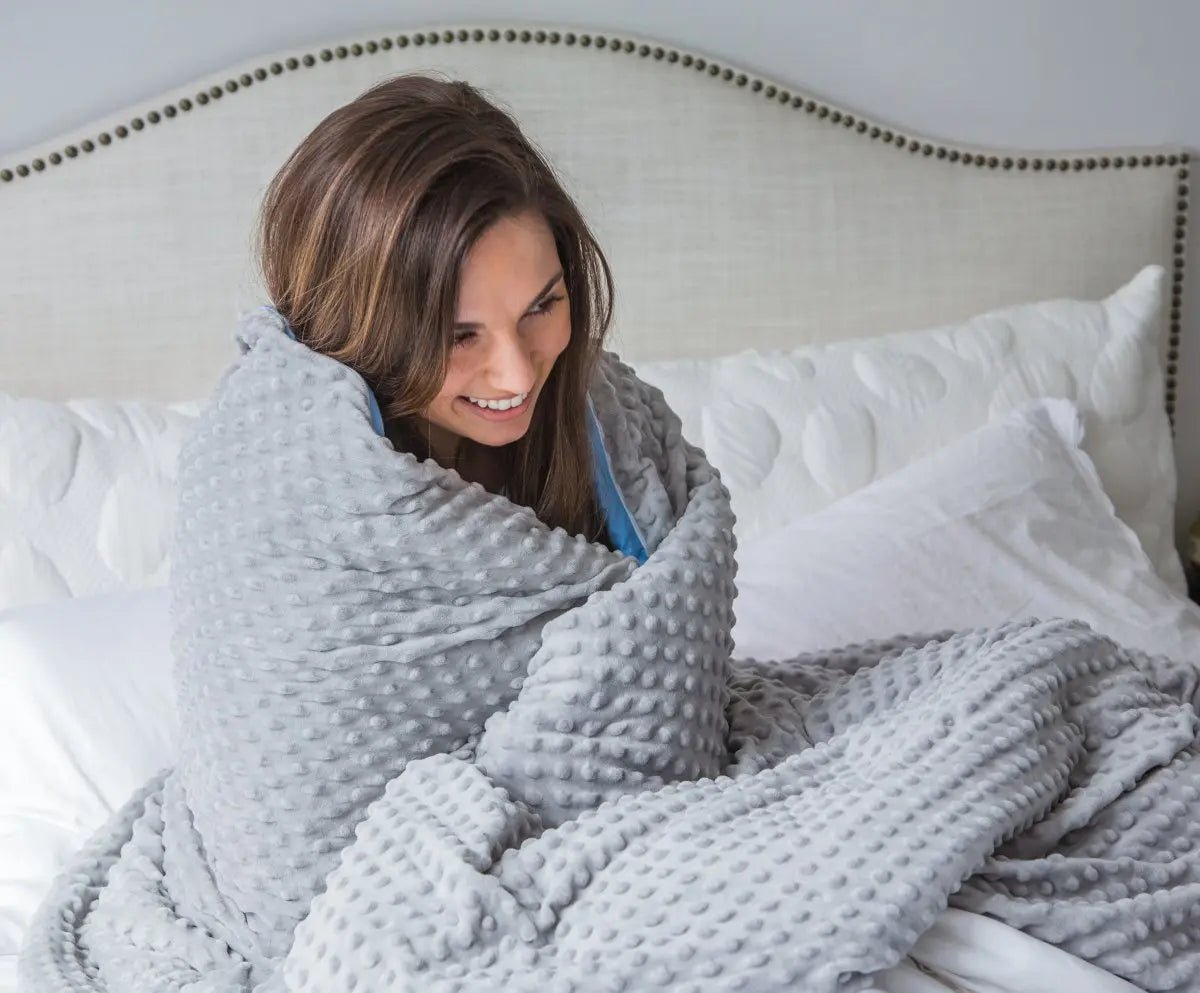
Weighted blankets are designed to provide deep pressure stimulation, a steady, hugging sensation created by the blanket’s added weight. That pressure may encourage the nervous system to shift out of a heightened state and into one that feels calmer and more grounded.
For someone who carries stress in their shoulders, feels restless before sleep, or wakes easily through the night, the feeling can be especially reassuring. It gives the body a clear physical cue: you are safe, supported, and allowed to slow down.
Research on weighted blankets is still developing, but available studies and clinical experience suggest they may help some adults with anxiety, insomnia, and sleep disruption feel more relaxed at bedtime. The benefit is personal, though. Some people notice a difference on the first night, while others need a week or two to decide whether the sensation suits them.
The key word is support. A weighted blanket can create a more comforting sleep environment, but it works best alongside the habits that help anxiety feel more manageable: a consistent sleep schedule, a lower-stimulation wind-down, movement during the day, and appropriate care from a health professional when anxiety is persistent or overwhelming.
Why gentle pressure can feel so calming
Anxiety often keeps the body on alert. Your thoughts may be racing, but your physical response matters just as much: a tense jaw, shallow breathing, fidgeting, or the urge to keep checking the clock. A weighted blanket offers steady sensory input without asking you to do anything at all.
Many people describe it as similar to a long, reassuring hug. That comparison is useful because deep, even pressure can help reduce the feeling of being scattered or overstimulated. Instead of light bedding that shifts with every movement, a well-made weighted blanket creates a quiet sense of containment.
It may also make it easier to build a repeatable nighttime cue. When you pull the same blanket over yourself, dim the lights, and put your phone away, your brain begins to associate that sequence with rest. The blanket is not doing all the work, but it can become a meaningful part of the ritual.
The experience should feel comforting, not restrictive
More weight is not automatically better. The right blanket feels gently grounding while still allowing you to move, change positions, and regulate your temperature comfortably. If you feel trapped, overheated, or uncomfortable, the blanket is likely too heavy or not suited to your sleep style.
This is where material matters as much as weight. Breathable options, including bamboo-based fabrics, can be a thoughtful choice for people who run warm or experience anxious restlessness alongside night sweats. A cooler, softer sleep surface helps preserve the calming effect rather than adding another reason to wake up.
Who may benefit most from a weighted blanket?
Weighted blankets can be a particularly welcome comfort tool for adults who feel mentally “on” long after the day ends. Professionals managing a full schedule, parents carrying the invisible work of family life, and anyone who finds quiet moments surprisingly difficult may appreciate the tactile reassurance.
They can also suit people whose anxiety shows up as restless sleep. If you regularly toss and turn, wake after stressful dreams, or struggle to settle after a demanding day, added pressure may help create a more secure sleep environment.
That said, anxiety is not one-size-fits-all. Some people prefer light, airy bedding and find any added weight distracting. Others love the sensation on the couch while reading but do not want it all night. There is no wrong response. The goal is to choose what helps your body relax, rather than forcing a trend that does not feel natural.
Choosing the right weight for calmer nights
A common starting point is a blanket that is around 10% of your body weight. This is a guideline, not a rule. Personal preference, strength, mobility, and how you plan to use the blanket all matter.
If you are between sizes or unsure how you respond to pressure, choosing the lighter option is often the more comfortable place to begin. You can still receive a grounding sensation without feeling pinned down. For shared beds, individual weighted blankets usually work better than one oversized blanket, since each person can choose the weight and fabric that suits them.
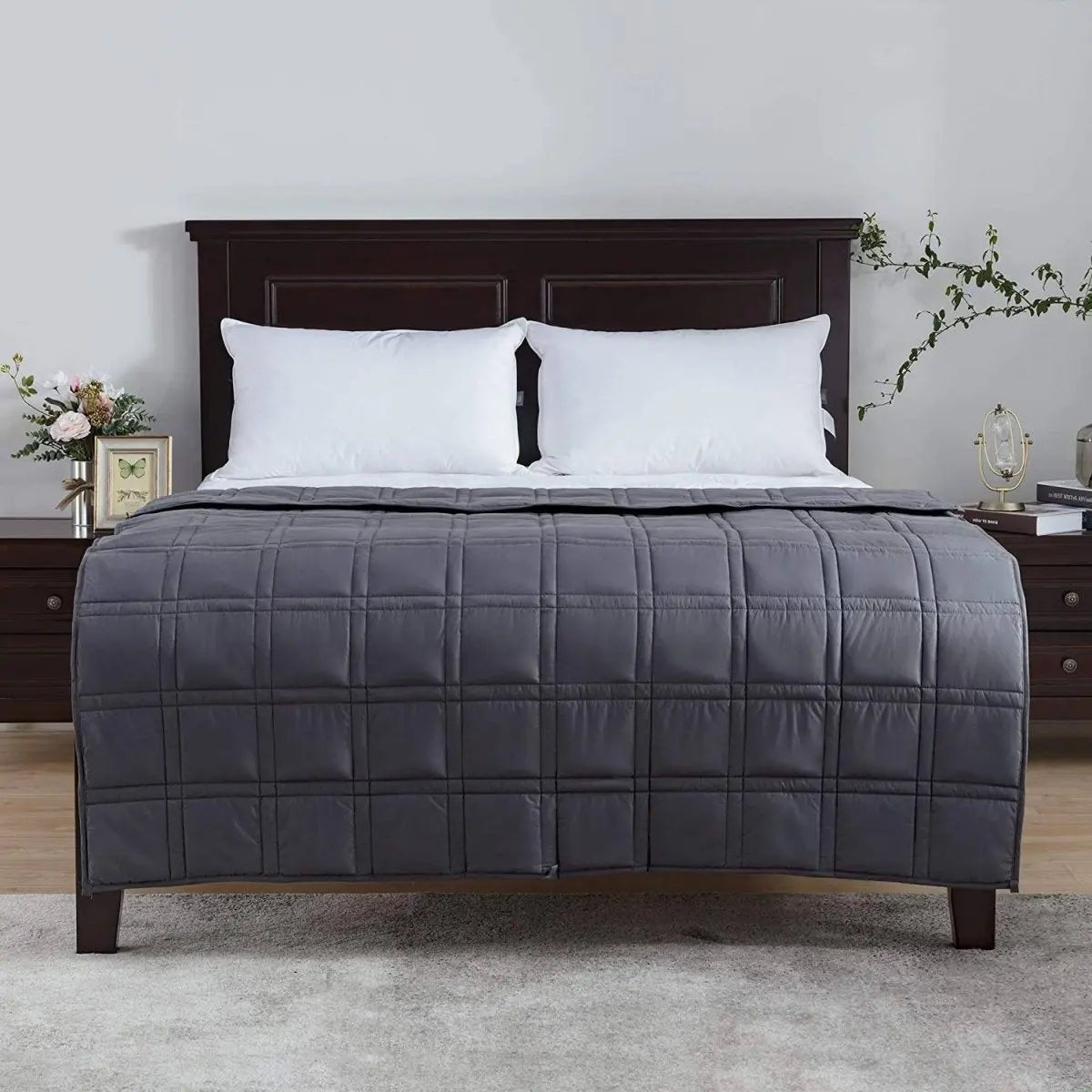
Pay attention to construction as well. Even weight distribution prevents bunching and creates a smoother, more consistent feel across the body. A removable, washable cover can also make daily use easier, especially if your blanket becomes a regular part of your sleep routine.
At Better Sleep, the focus is on therapeutic comfort without sacrificing the feel of refined bedding. A weighted blanket should look at home in your bedroom, feel soft against your skin, and offer the breathability needed for year-round rest.
How to use a weighted blanket when anxiety is high
You do not need to wait until bedtime to use your blanket. Try it during the part of the day when your nervous system most needs a reset. For some people, that is after work. For others, it is during a quiet hour before bed or after getting into bed following a difficult day.
Start with 20 to 30 minutes while reading, listening to a calming audio track, or practicing slow breathing. This lets you notice how the pressure feels without the expectation that you must fall asleep immediately. If it is comfortable, bring it into your full bedtime routine.
Keep the rest of your environment simple. Lower the lights, set the room to a comfortable temperature, and place your phone out of reach if late-night scrolling tends to raise your stress level. The smallest signals can make a difference when repeated consistently.
If you wake feeling anxious, try focusing on the physical sensations that are already there: the blanket’s steady weight, the mattress beneath you, and the pace of your breath. This is not about forcing yourself to relax. It is about giving your attention somewhere quieter to land.
When a weighted blanket may not be the right choice
Weighted blankets are generally intended for adults and older children who can independently move the blanket on and off their body. They are not appropriate for infants, and they should never be used in a way that covers the face or restricts movement.
Speak with a healthcare professional before using one if you have breathing concerns, circulation issues, certain mobility limitations, or a condition that makes it difficult to adjust or remove the blanket yourself. If you are choosing a weighted blanket for a child, follow age-appropriate safety guidance and make sure the child can comfortably remove it without help.
It is also worth listening to your sensory preferences. If pressure makes you feel more alert, claustrophobic, or overheated, a lighter comfort layer, a weighted sleep mask, or a different wind-down ritual may be a better fit.
A calmer bedtime can start with one small change
Anxiety can make rest feel far away, especially when the day has asked too much of you. A weighted blanket will not erase every racing thought, but the right one can make your bed feel more like a place of relief than another place to struggle.
Choose a weight that feels supportive, a fabric that helps you stay comfortable, and a routine you can return to night after night. Sometimes calm begins with something beautifully simple: a little more comfort, and permission to rest.

Leave a comment