




Duvet Covers for Weighted Blankets Explained
A weighted blanket can feel wonderfully calming right up until it becomes the hardest item in your bedding rotation to wash. That is where duvet covers for weighted blankets make a real difference. They help protect the blanket itself, soften the feel against skin, and make everyday use much easier - especially if you rely on your blanket nightly for deeper rest.
Why duvet covers for weighted blankets matter
A standard throw blanket can be tossed in the wash without much thought. A weighted blanket is different. Its filling, stitching, and overall heft mean care takes more planning, and in some cases the inner blanket may need spot cleaning or limited washing rather than frequent full laundering.
A duvet cover acts as the layer that handles most of the daily wear. It catches body oils, sweat, pet hair, and the small messes that naturally come with regular use. Instead of wrestling a heavy blanket into the washing machine every week or two, you can remove the cover and clean that lighter outer layer.
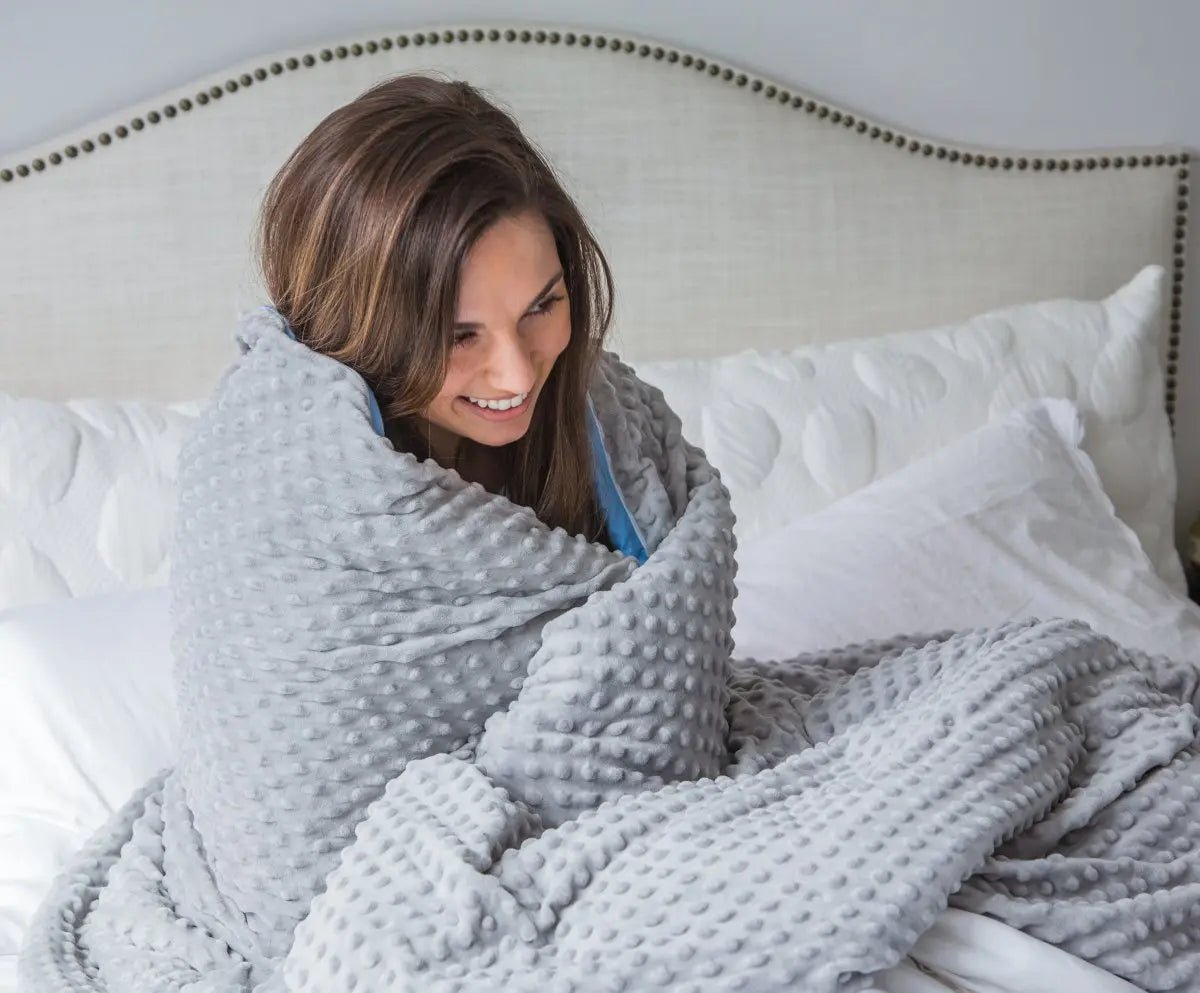
There is also a comfort factor that matters just as much as maintenance. Some weighted blankets have a sleek, cool finish. Others feel more structured or textured. A cover lets you tailor the surface feel to your sleep style, whether you prefer crisp cotton, silky bamboo, or something warmer for colder months.
What makes a weighted blanket cover different
At first glance, it can seem like any duvet cover should work. Sometimes it will. But weighted blankets place more stress on the cover than a standard comforter does, so the details matter.
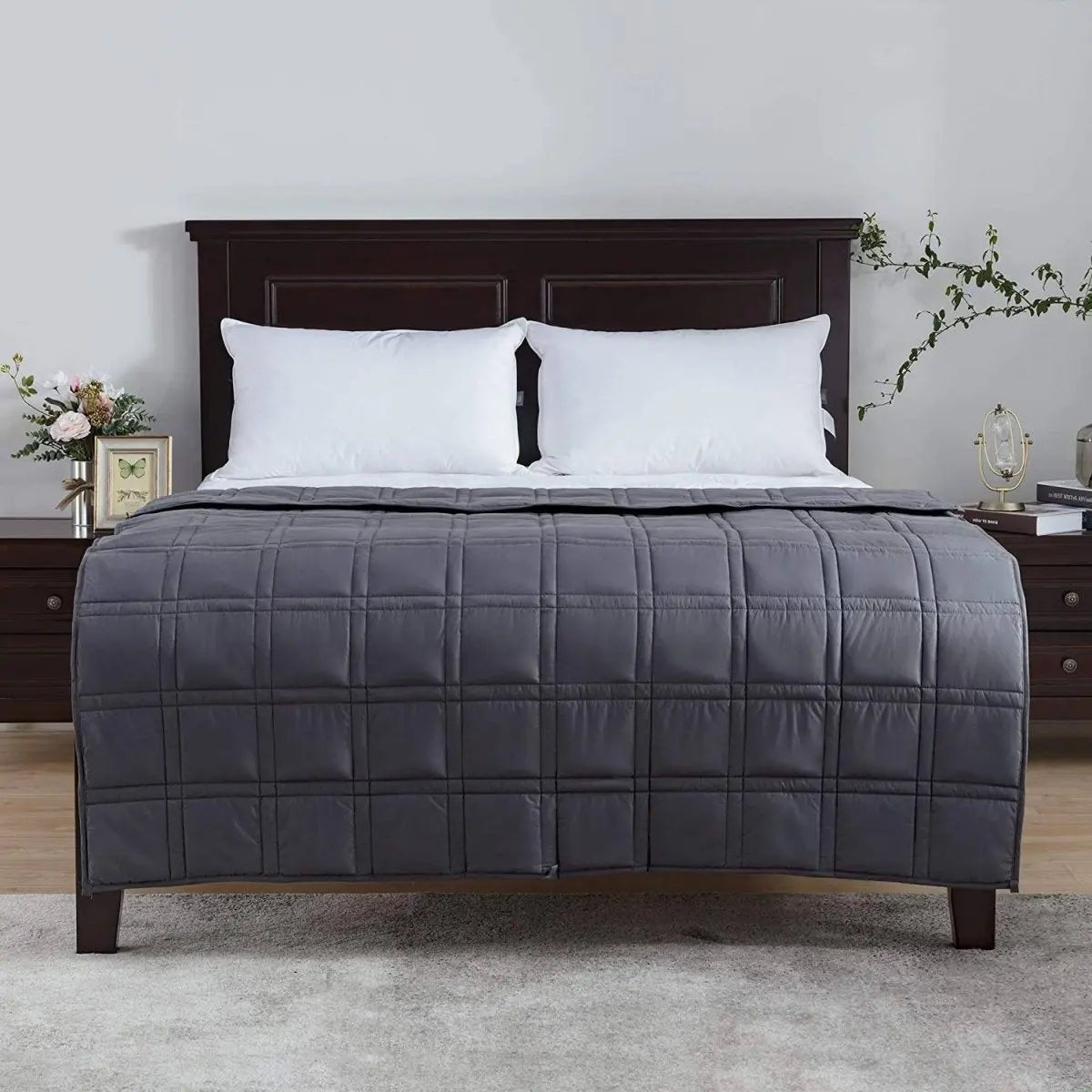
The first difference is fit. A good weighted blanket cover should match the dimensions of the blanket closely. Too much extra fabric can cause bunching, shifting, and uneven weight distribution. Too little room can strain seams and make the blanket awkward to insert.
The second difference is attachment points. Many duvet covers for weighted blankets include inner ties, loops, or fasteners that connect to corresponding tabs on the blanket. This helps keep the weight evenly spread instead of sliding into one side of the cover. Without those anchor points, the blanket may twist or collect at the bottom, which can make the experience less calming and more frustrating.
The third difference is fabric performance. Because weighted blankets are designed to support relaxation, overheating can quickly become a deal breaker. A cover should not just look good on the bed. It should support breathability, temperature regulation, and softness over time.
How to choose the right fabric
Fabric is usually the decision people feel most strongly about, and for good reason. It changes how the blanket feels from the first minute you pull it over you.
Cotton for familiar, easy comfort
Cotton is a dependable choice if you want something breathable, simple to care for, and comfortable year-round. It tends to have that familiar bedding feel people already know they like. If your sleep temperature is fairly balanced and you want low-fuss maintenance, cotton is often the safest starting point.
That said, cotton can vary a lot. A lightweight percale feels crisp and cooler, while a softer sateen finish feels smoother and slightly warmer. Neither is automatically better. It depends on whether you like a fresh hotel-bed feel or a silkier hand.
Bamboo for cooler, softer sleep
If you sleep warm, notice night sweats, or feel overstimulated by rougher textures, bamboo can be especially appealing. It is known for a smooth hand feel and a naturally cooler sensation against the skin. For many sleepers, that makes a weighted blanket feel more usable throughout the year rather than just during winter.
Bamboo also tends to suit people who want a more refined, premium finish without sacrificing practicality. The trade-off is that some bamboo fabrics require a bit more thoughtful care to keep them looking their best.
Plush or sherpa-style covers for warmth
For colder rooms or winter use, a plush cover can make a weighted blanket feel even more cocooning. This can be a good match for people who want comfort first and are less concerned about cooling properties.
The trade-off is straightforward. Warmer fabrics can feel incredibly soothing, but they are not ideal for hot sleepers or heated homes. If temperature sensitivity is one of the reasons you struggle with sleep, a heavy, warm cover may work against you.
Getting the fit right
When shopping for duvet covers for weighted blankets, size is not something to estimate. Weighted blankets are often designed differently from standard bedding sizes, especially if they are intended for one person rather than the entire mattress.
Measure the blanket itself and compare those dimensions to the cover. If the numbers are slightly off, a small difference may be manageable, but large gaps usually create shifting. You also want to check whether the cover is designed specifically for weighted blankets or for regular comforters. That single detail can save a lot of frustration.
Closures matter too. Zippers generally offer a more secure hold than button closures when dealing with a heavier insert. Buttons can still work well, but they may gap or strain more easily if the cover is not designed for extra weight.
Practical features worth paying for
Some features sound minor until you live without them. Corner ties are one of those details. If your weighted blanket has loops and the cover has matching ties, setup is easier and the blanket stays in place better through the night.
Reinforced seams are another quiet but valuable upgrade. A weighted insert creates ongoing tension, especially during washing or when you pull the blanket up while sleeping. Strong stitching helps the cover maintain its shape and hold up over time.
Washability also deserves a close look. Many people buy a weighted blanket to make evenings feel calmer, not more complicated. If the cover needs special treatment that does not fit your routine, it may become one more task instead of a support. In most homes, machine-washable and easy-dry fabrics are simply more realistic.
When a duvet cover is especially worth it
Not everyone buys a cover on day one, but there are situations where it quickly becomes essential. If you use your weighted blanket every night, a cover helps reduce wear and cuts down on how often the inner blanket needs cleaning. If you have pets, children, or sensitivities to dust, it becomes even more useful.
It is also worth it if your weighted blanket already has the therapeutic feel you want, but not the exact texture. A cover can change the sensory experience without changing the blanket itself. That can be a smart move if you like the weight but want a cooler, softer, or more polished finish.
For gift buyers, a weighted blanket paired with a cover often feels more complete. It adds practicality and makes the product easier to use from the start, which matters when you are giving something meant to support comfort and rest.
Common mistakes to avoid
One of the most common mistakes is choosing a cover based on bed size instead of blanket size. Weighted blankets do not always correspond neatly to twin, full, or queen sizing, so assumptions can lead to a poor fit.
Another is prioritizing appearance over feel. A beautiful cover that traps heat or feels rough against the skin will not help you settle in at night. Sleep products need to earn their place through comfort first.
The last mistake is ignoring your actual routine. If you know you want easy care, choose that. If you sleep hot, choose cooling fabrics. If your room runs cold and you want a cozier feel, choose warmth. The right cover is not the one with the longest feature list. It is the one you will genuinely enjoy using every day.
A better sleep setup starts with the outer layer
The best duvet covers for weighted blankets do two things at once. They protect your blanket and improve how it feels night after night. That might mean a cooler fabric, easier washing, a neater fit, or simply the comfort of knowing your favorite blanket will stay in good condition longer.
At Better Sleep, that balance matters. Bedding should support rest in a way that feels simple, calming, and worth coming back to. When your weighted blanket has the right cover, the whole experience feels easier - and that is often what better sleep looks like in real life.


Leave a comment