





Your Guide to Sleep Temperature Regulation
A room that feels perfectly comfortable at bedtime can feel stifling at 3 a.m. That shift is not a personal failure or a sign that you are “bad at sleeping.” Your body is following a natural temperature rhythm, and a few thoughtful adjustments can make it easier to stay asleep. This guide to sleep temperature regulation offers a calmer, more practical way to build a bed that supports you through every season.
Why Temperature Has Such a Strong Effect on Sleep
Your core body temperature naturally begins to drop as you prepare for sleep. That decline helps signal to the brain that it is time to rest. If your room, mattress, pajamas, or bedding traps too much heat, the body has to work harder to cool itself down. The result may be tossing, sweating, waking too early, or feeling strangely alert when you would rather be drifting off.
Being too cold can be equally disruptive. Cold feet, tense shoulders, and shivering pull your attention back to physical discomfort. The goal is not to create one exact temperature that works for everyone. It is to create a sleep environment that lets your body release heat when it needs to, while keeping you gently insulated when the air turns cool.
Most people sleep well in a cool bedroom, often around 60 to 67 degrees Fahrenheit. But that range is only a starting point. Hormonal changes, stress, medications, sharing a bed, and personal preference can all change what comfortable feels like. Rather than chasing a number on the thermostat, pay attention to how you feel during the night and when you wake up.
Start With the Bedroom, Not Just the Thermostat
A cooler room is helpful, but temperature regulation is more than air temperature. It is the combined effect of airflow, humidity, mattress materials, bedding layers, and what your body is wearing.
Begin by making the room easier to cool. Close blinds or curtains before sunset if your bedroom receives strong afternoon light. Use a fan to keep air moving, even when the room is already cool. Gentle circulation can help evaporate perspiration and reduce that sticky feeling that makes sleep feel restless. If outdoor temperatures drop overnight, a slightly open window may be enough, provided noise and allergies are not a concern.
Humidity matters, too. High humidity makes it harder for sweat to evaporate, so a room can feel warmer than the thermostat suggests. In a damp summer climate, air conditioning or a dehumidifier may make a bigger difference than lowering the thermostat another degree. In dry winter air, you may need breathable layers rather than turning up the heat and waking with a dry throat.
Your mattress can also hold onto warmth. Memory foam is supportive and comfortable for many sleepers, but some foam mattresses retain more heat than other constructions. A breathable mattress topper, moisture-wicking protector, or more ventilated sheets can help offset that effect without requiring a new mattress.
Choose Bedding That Can Adapt Overnight
The most comfortable bed is rarely the heaviest or the barest. It is the one you can adjust without fully waking up. Think in layers: a fitted sheet, a breathable top layer, and a blanket or duvet that can be folded back easily when you feel warm.
Natural or performance fabrics that move moisture away from the skin are especially useful for hot sleepers. Bamboo-based bedding has a soft, smooth feel and can be a welcome option when you want a cooler, less clingy sleep surface. Crisp cotton can also feel airy and familiar, while linen suits people who prefer a more textured, relaxed feel. The right material depends on your sensory preferences as much as the season.
A duvet cover affects comfort more than many people expect. A heavy, tightly woven cover can limit airflow around an otherwise breathable insert. If you wake hot, consider whether the issue is your entire bedding system rather than the blanket alone.
For couples with different needs, separate layers often work better than compromising on one oversized comforter. One partner can use a lighter blanket while the other adds warmth, with less nighttime tugging and fewer temperature-related wakeups. This small change can be surprisingly peaceful.
How to Stay Warm Without Feeling Trapped
When the room is cool, the instinct is often to pile on dense layers. That can work at first, but it may leave you overheated later once your body settles into sleep. Instead, build warmth in a way that remains breathable.
Start with comfortable sleepwear and warm socks if your feet tend to run cold. Warming the feet can help many people feel settled without overheating their entire body. Then add a medium-weight blanket or an all-season system that lets you remove or add a layer as conditions change.
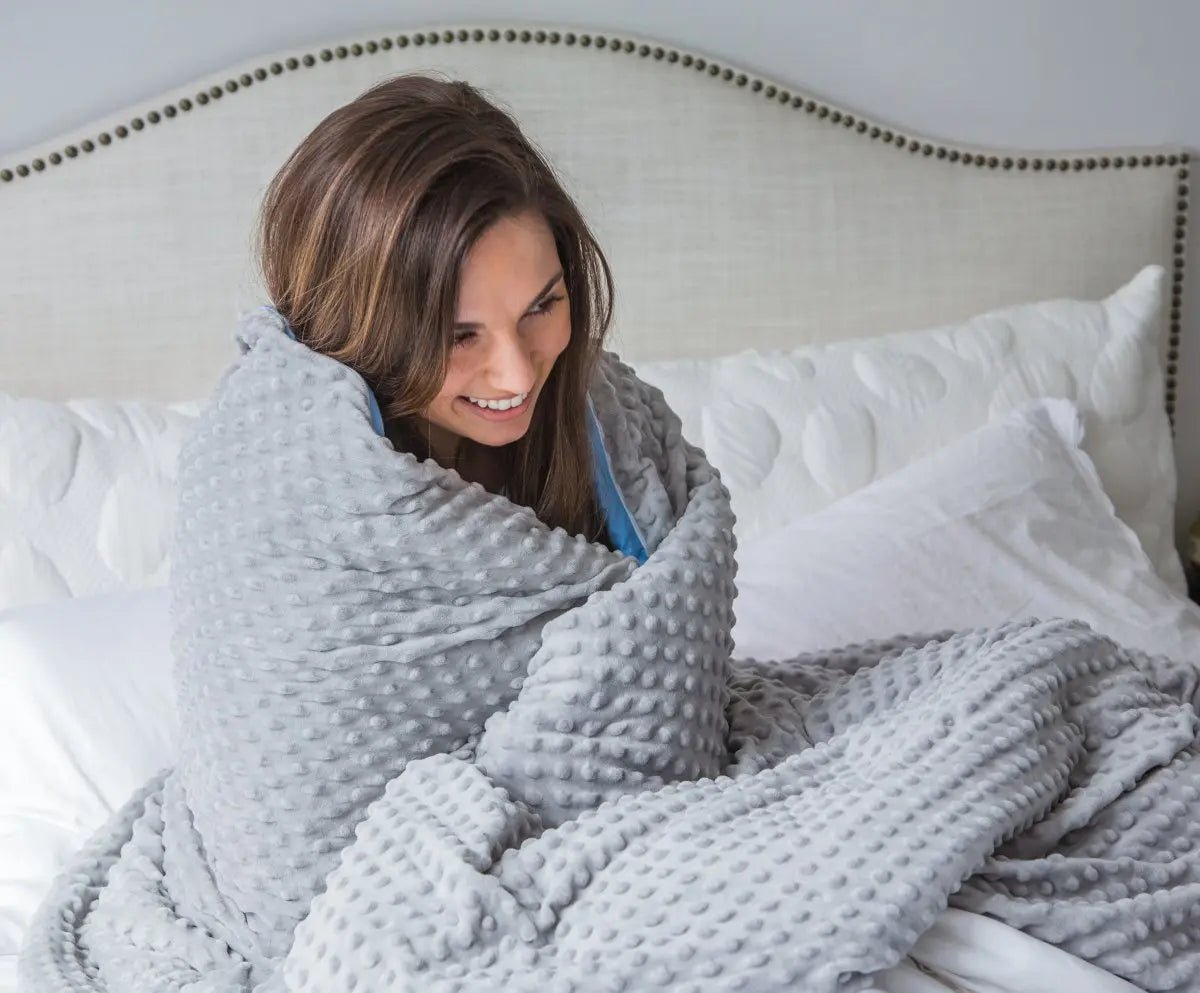
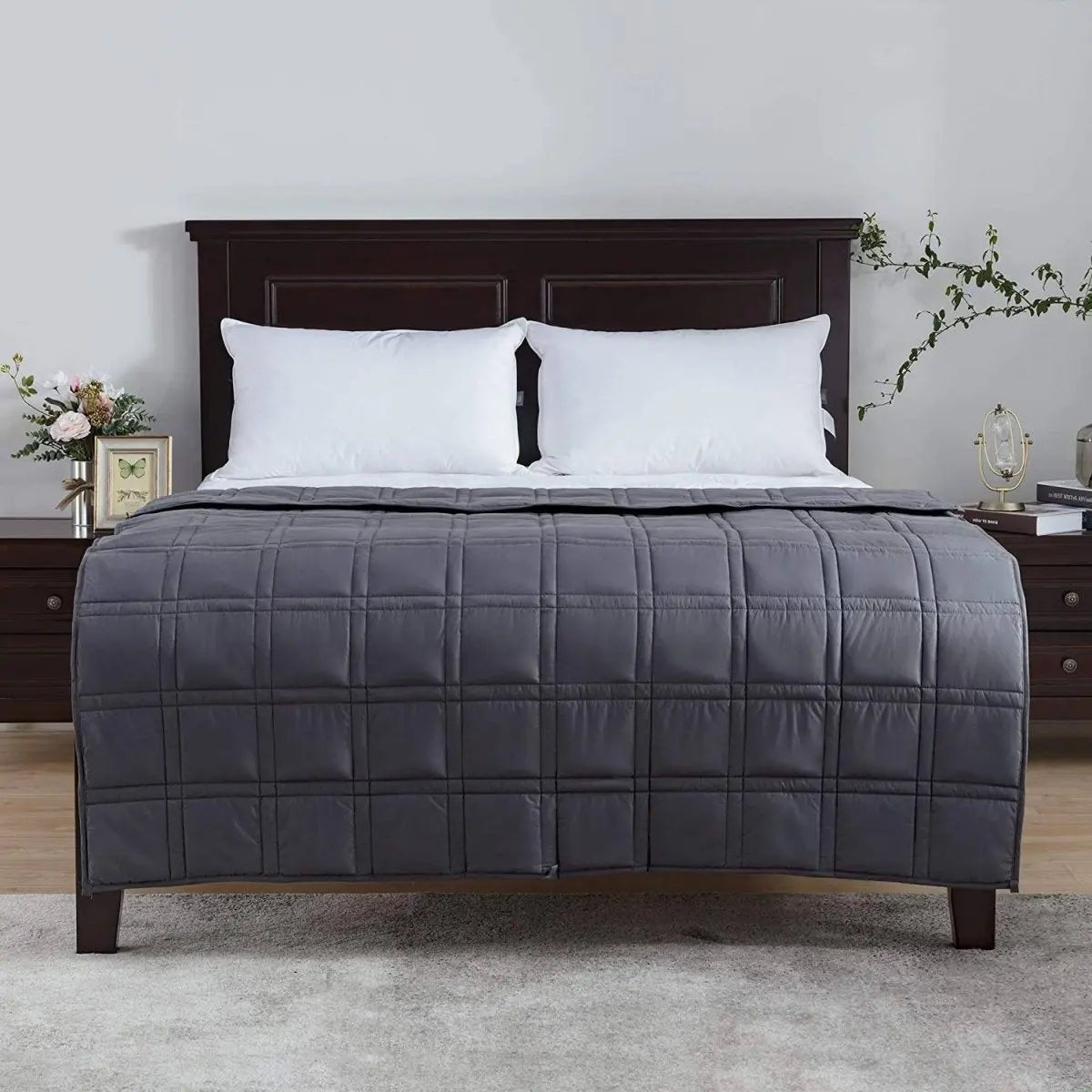
A weighted blanket can bring a grounded, calming sensation for people who enjoy gentle, evenly distributed pressure. However, it should not be treated as a heat solution on its own. Look for breathable construction and pair it with cooling sheets or a lighter base layer if you sleep warm. If you tend to overheat, avoid placing a weighted blanket beneath a thick duvet. More weight is not always more comfort.
Children, older adults, and anyone with a health condition that affects temperature sensitivity need extra care with heavy bedding. Choose age-appropriate products, avoid anything that restricts movement, and speak with a health professional when you are unsure.
How to Cool Down Without Waking Up Cold
If you regularly wake sweaty, reduce insulation before you make the bedroom uncomfortably cold. Swap a heavy comforter for a lighter blanket, choose breathable sheets, and keep one extra layer folded at the foot of the bed. This gives you an easy option if the room cools toward morning.
A lukewarm shower before bed can help more than an icy one. As you step out, your body releases heat and may begin its natural cool-down process. Cold showers can feel invigorating for some people, which is not always ideal right before sleep.
Avoid intense exercise, large meals, and alcohol close to bedtime when heat is a frequent issue. All three can raise body temperature or increase nighttime sweating. You do not need a perfect evening routine. Even moving dinner a little earlier or choosing a quieter wind-down can reduce the conditions that make your bed feel too warm.
A Guide to Sleep Temperature Regulation for Stressful Nights
Stress and temperature discomfort often feed each other. You wake feeling warm, check the clock, worry about tomorrow, and suddenly the room feels even more unbearable. In that moment, aim for a small adjustment rather than a complete reset.
Move one layer aside, uncover your feet, take a few slow breaths, or sip a little water if you are thirsty. Keep the lighting low and resist the urge to scroll while you wait to cool down. A simple, repeatable response teaches your nervous system that a wakeup does not have to become a long night.
If you are dealing with night sweats that are new, severe, or paired with symptoms such as fever, unexplained weight change, pain, or fatigue, talk with a clinician. Persistent night sweats can have many causes, including medication effects and hormonal changes. Better bedding can improve comfort, but it is not a substitute for medical guidance when something feels different or concerning.
Make Seasonal Changes Before Sleep Suffers
Your sleep setup should change as your home changes. In summer, lighter layers, airflow, and moisture-wicking fabrics usually do the most work. In winter, a warmer blanket, a cozy duvet cover, and socks may be all you need, rather than an overheated bedroom.
The transition seasons can be the trickiest because outdoor temperatures swing quickly. Keep a folded throw or lightweight blanket nearby and use a flexible bedding system instead of committing to one heavy option. This is also a good time to wash and rotate seasonal bedding. Fresh, clean layers tend to feel more comfortable against the skin, especially if allergies or humidity are part of the picture.
If you share your bed with a partner, have a quick conversation before changing the entire room. One person’s ideal sleeping temperature may feel chilly to the other. Individual layers, separate blankets, or a fan aimed more toward one side of the bed can protect both people’s rest.
Build Your Best Temperature Routine
Give any change several nights before deciding whether it works. Sleep can vary with stress, activity, weather, and routine, so one warm night does not always mean your bedding is wrong. Notice patterns: Are you hot at bedtime, in the early morning, or only after waking? Are your feet cold while your upper body feels warm? The answers point toward a more precise adjustment.
A refined sleep environment does not need to be complicated. It simply needs to respond to you. With breathable materials, adjustable layers, and a bedroom that encourages your body to cool naturally, comfort becomes less of a nightly guessing game and more of a quiet ritual that helps calm your nights.


Leave a comment