


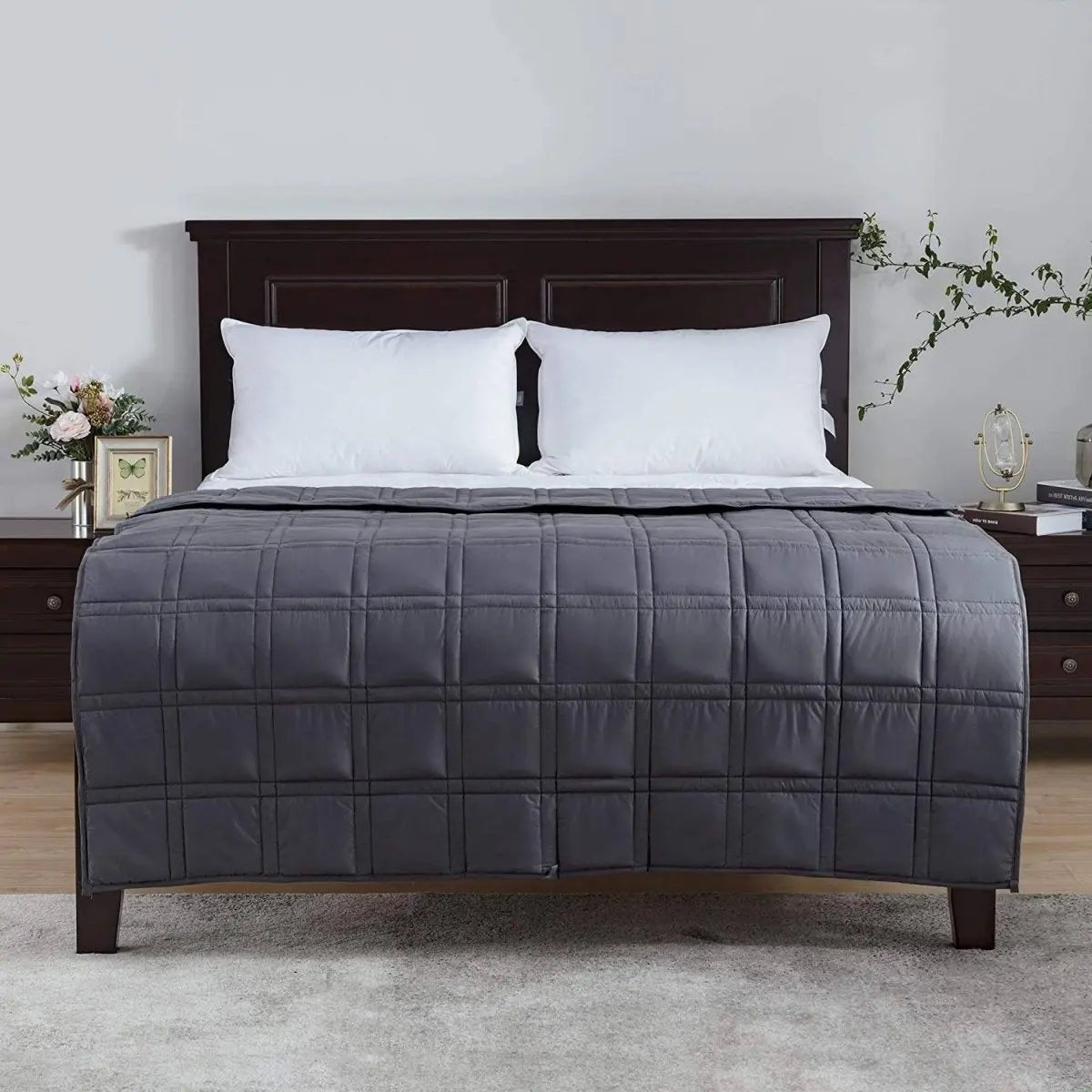



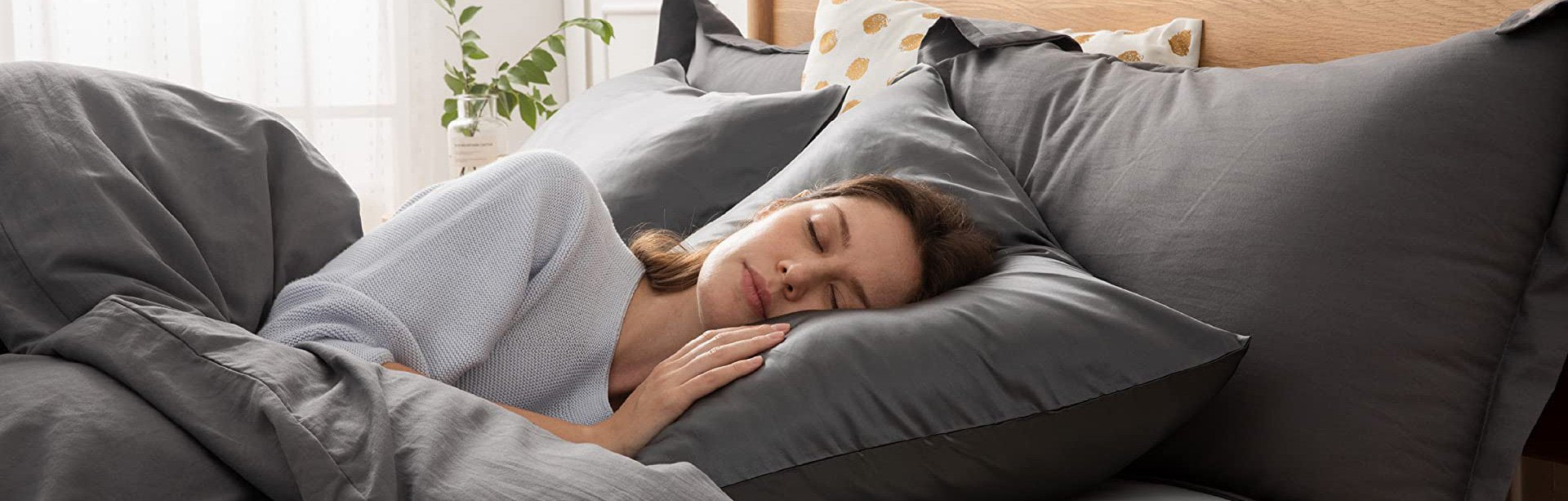

How Sensory Blankets Calm Children
A child who cannot settle is rarely being difficult. More often, their body is asking for help finding its way back to calm. That is the heart of how sensory blankets calm children - they offer steady, grounding pressure that can help a busy nervous system feel safer, quieter, and more organized.
For many parents, that shift matters most in the small, hard moments. Bedtime stretches longer than it should. A transition from school to home ends in tears. Loud spaces, scratchy clothes, or too much excitement leave a child overwhelmed long after the moment has passed. In those situations, a sensory blanket is not a cure-all. But it can be a gentle tool that helps the body slow down when words and routines alone are not enough.
How sensory blankets calm children at the nervous system level
Sensory blankets are designed to provide evenly distributed weight across the body. This pressure is often described as deep touch pressure, a firm but gentle sensation similar to a secure hug or a comforting hand on the shoulder. For some children, that input feels regulating because it gives the body clearer feedback about where it is in space and what it needs to do next.
When a child is overstimulated, their nervous system can stay on high alert. You may see fidgeting, pacing, irritability, trouble focusing, or difficulty falling asleep. Weighted sensory blankets can help interrupt that cycle by encouraging a sense of physical containment. The body receives steady input instead of scattered sensory signals, and that can make it easier for the mind to settle.
This is why parents often notice a difference not only at bedtime, but during quiet time, reading, movie watching, or after school decompression. The blanket is not changing a child’s personality. It is helping reduce the noise around their nervous system so they can access calm more easily.
Why pressure can feel so reassuring
Children often seek comfort through sensation. They wrap up tightly in blankets, wedge themselves between couch cushions, ask for long hugs, or pile stuffed animals on top of themselves. Those behaviors are not random. They can be a sign that the child is craving grounding sensory input.
A sensory blanket works with that instinct. The pressure feels predictable, and predictability is calming. For children who feel easily overwhelmed by change, noise, bright lights, or emotional transitions, that consistency can be especially helpful.
There is also an emotional side to this. Calm does not always begin with a conversation. Sometimes it begins when the body feels secure enough to stop scanning for stress. A well-made sensory blanket can create that feeling of security in a simple, tangible way.
How sensory blankets calm children during bedtime
Bedtime is often where the benefits become most visible. Children who are tired do not always become sleepy in a peaceful way. Some become more active, more emotional, or more resistant. If the body is still carrying the stimulation of the day, lying still can feel surprisingly hard.
A sensory blanket can help create a more anchored bedtime routine. Once the blanket is placed over the child, the gentle weight may reduce the urge to toss, kick, or constantly reposition. That physical stillness can support emotional stillness too. Many parents find that stories feel easier to get through, lights-out becomes less dramatic, and the transition to sleep is smoother.
That said, it depends on the child. Some children respond best when the blanket is used for 10 to 20 minutes as part of wind-down time, rather than all night. Others love it during the full sleep period. The most effective approach is usually the one that feels natural and comfortable, not forced.
When sensory blankets may help beyond sleep
Although they are often associated with bedtime, sensory blankets can be just as valuable during the day. Some children need support with regulation long before pajamas go on.
After school is a common example. A child may hold themselves together all day and then fall apart at home. That release is understandable. School asks for attention, transitions, social effort, and sensory endurance. Resting under a sensory blanket for a short period can give the body a chance to reset.
They may also help during quiet activities that require focus. Reading, homework, or screen-free downtime can feel more manageable when the body is less restless. For children who struggle with sensory processing, anxiety, or general overstimulation, the blanket can become part of a steady routine that supports calmer days as well as calmer nights.
Choosing the right blanket matters
Not every weighted or sensory blanket will feel right for every child. The calming effect depends on comfort, safety, and fit.
Weight is the first consideration. A blanket that is too heavy can feel restrictive instead of soothing, while one that is too light may not provide enough input to make a difference. Parents are often advised to choose a blanket based on the child’s size and age, following brand guidelines and pediatric guidance where appropriate.
Breathability matters too. A child who sleeps warm or dislikes heavy fabrics may reject the blanket even if the pressure itself is beneficial. Soft, breathable materials tend to support better long-term use because they reduce the risk of the blanket feeling stuffy or uncomfortable.
Construction also plays a role. Even weight distribution creates a more balanced sensation across the body. If the fill bunches or shifts, the experience can feel uneven and distracting. Premium materials and thoughtful stitching are not just aesthetic details. They directly affect whether the blanket feels calming in practice.
Safety and common sense come first
Sensory blankets should always be used with care. They are not appropriate for every child, especially infants and very young toddlers. A child should be able to remove the blanket independently and use it comfortably without breathing restriction or overheating.
If a child has a medical condition, limited mobility, respiratory concerns, or sleep-related issues, it is wise to speak with a healthcare professional before introducing a weighted product. The goal is always support, never strain.
It is also worth remembering that sensory tools are personal. A child may love the idea of cocooning pressure one week and refuse it the next. That does not mean the blanket has failed. It may simply mean their sensory needs have changed that day.
What parents can realistically expect
The best results are usually subtle at first. A child may settle a little faster. Their body may appear less tense. They may ask for the blanket when they feel overwhelmed, which is often a sign that they are learning to recognize what helps them regulate.
Some families see dramatic improvements in sleep routines. Others notice that the biggest benefit is emotional recovery after stimulating parts of the day. Both are meaningful outcomes.
It helps to think of a sensory blanket as one part of a calming environment. Dimmer lighting, a consistent routine, reduced noise, and breathable sleep essentials all work together. The blanket is most effective when it supports a rhythm the child can trust.
For parents who want a solution that feels both therapeutic and practical, quality matters. A thoughtfully designed sensory blanket should feel comforting from the first touch and easy to live with over time. Better Sleep takes that approach seriously, with comfort pieces designed to support everyday calm through soft, breathable materials and gentle, grounding weight.
A calmer body can make room for a calmer child
Children do not always have the language to explain sensory overload, stress, or restlessness. But their bodies tell the story clearly. When a sensory blanket helps ease that physical tension, it often gives the child more room to rest, reset, and feel like themselves again.
Sometimes the most helpful support is also the simplest - a quieter room, a familiar routine, and a blanket that helps the body feel held.


Leave a comment